


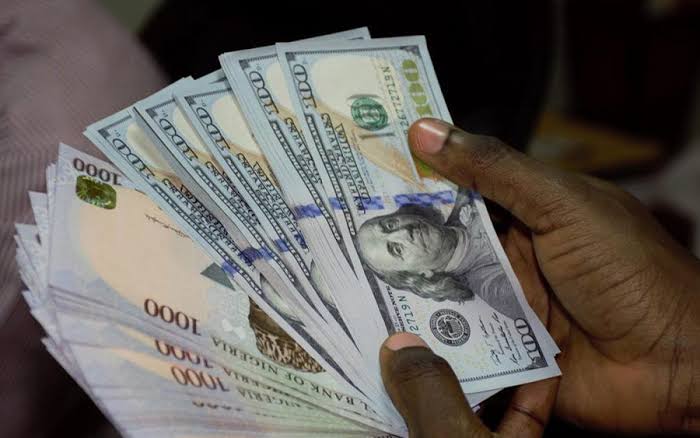
The naira opens Wednesday close to the ₦1,400 mark, and anyone who needs dollars is feeling it. The latest official figure from the Central Bank of Nigeria (CBN) puts the dollar to naira rate today at about ₦1,394.01 at the Nigerian Foreign Exchange Market (NFEM), while street dealers in the parallel market are selling at roughly ₦1,445 to ₦1,460.
- Dollar to Naira Today at a Glance
- Official NFEM and CBN Rate: A Week That Went One Way
- Why the Naira Is Under Pressure
- Black Market Dollar to Naira Rate Today
- How Much Is $1 to $10,000 in Naira Today?
- What the MPC Decision Means for the Naira
- What Forward Rates Suggest
- What This Means for You
- Frequently Asked Questions
That is the short version. The longer one involves a bruising week for the local currency, a central bank that sold about $1.30 billion to hold the line, and a Monetary Policy Committee (MPC) that met on Monday and Tuesday and left interest rates exactly where they were.
Dollar to Naira Today at a Glance
| Market | Rate per $1 | What it is based on |
|---|---|---|
| Official NFEM (CBN) | ₦1,394.01 | Closing rate on Monday, November 23 |
| Black market (buying) | About ₦1,445 | Quotes reported on Tuesday, November 24 |
| Black market (selling) | About ₦1,460 | Quotes reported on Tuesday, November 24 |
| Gap between the two markets | About ₦65 | Parallel selling rate against the official rate, roughly 4.7 per cent |
A note on timing: at the time of writing, the CBN had not yet published its figure for Wednesday’s session, and the closing number for Tuesday was still being reported. Official rates are published each business day, so check the CBN website or your bank before you transact. Parallel market rates also move through the day and differ from one dealer to the next, by city and by transaction size.
Official NFEM and CBN Rate: A Week That Went One Way
The official market has had a rough few days. According to CBN data reported by Nairametrics, the naira closed at ₦1,360 to the dollar on Monday, November 16, and finished that week at ₦1,394, a slide of ₦34, or about 2.5 per cent. At one point on Friday, November 20, it touched ₦1,400. The CBN’s weighted average for that day was ₦1,389.73.
On Monday, November 23, the currency lost another ₦4.28 and closed at ₦1,394.01, according to BusinessDay. That is its weakest level in about eight months, and it is a long way from the ₦1,346 where it sat at the end of October.
Here is how the official rate has moved through November:
| Date (2026) | Official NFEM rate (₦ per $) |
|---|---|
| November 2 | ₦1,346.01 |
| November 5 | ₦1,350.45 |
| November 13 | ₦1,353.97 |
| November 16 | About ₦1,360 |
| November 20 | ₦1,389.73 (weighted average); about ₦1,394 at close |
| November 23 | ₦1,394.01 |
The most striking part is that the fall came on a week of heavy trading. Reports on the market put weekly interbank turnover at about $4.67 billion, and Nairametrics noted that demand for dollars rose nearly twelvefold during the week. The CBN stepped in with an estimated $1.30 billion in dollar sales. It was not enough to stop the slide.
Why the Naira Is Under Pressure
No single event explains it, but a few things are pulling in the same direction.
Foreign portfolio investors: Analysts quoted by allAfrica said that sustained demand for dollars from foreign portfolio investors outweighed what the CBN was selling. When investors in Nigerian bonds and stocks convert naira back into dollars, the pressure lands on the official window quickly.
Falling reserves: Nigeria’s gross external reserves stood at $54.65 billion as of November 19, down $211.92 million in a single reading. BusinessDay, citing CBN data, reported that reserves fell to $54.58 billion by November 20, a loss of about $680 million over two weeks. That is a small dent in a large pile. The reserves peaked at an 18-year high of $55.26 billion on October 26 and remain about 23.5 per cent above the $44.19 billion recorded a year earlier. Cordros Securities, for its part, has said the buffer is still big enough to support more intervention.
Festive season demand: December is when dollar demand typically climbs. Travel, school fees abroad, import orders and end-of-year remittances all put extra weight on the market. Analysts have said that attention will stay on dollar liquidity and the CBN’s response as the holidays approach.
Election and spending worries: The MPC itself pointed to expected festive and election-related spending as a risk for prices. With the 2027 elections on the horizon, some investors are choosing to be cautious.
Black Market Dollar to Naira Rate Today
The parallel market, which most Nigerians still call the black market, has weakened faster than the official window. Reports on Tuesday, November 24, quoted the dollar at about ₦1,445 to buy and ₦1,460 to sell. A day earlier, quotes ran between ₦1,450 and ₦1,465.
The gap with the official rate has widened as a result. Earlier in November it was far narrower: on November 4 the black market sold dollars at about ₦1,390 against an official ₦1,346.43, a difference of roughly ₦44. It now sits near ₦65.
A word of caution here. Some rate-tracking websites show lower parallel market figures, and the quotes you see online can lag behind what dealers in Lagos, Abuja or Kano are charging. Treat any online number as a guide, then confirm with your dealer.
How Much Is $1 to $10,000 in Naira Today?
The table below uses the official rate of ₦1,394.01 and an illustrative black market selling rate of ₦1,450, which sits inside the range reported this week.
| US dollars | At the official rate (₦) | At ₦1,450 black market rate (₦) |
|---|---|---|
| $1 | 1,394.01 | 1,450 |
| $10 | 13,940.10 | 14,500 |
| $50 | 69,700.50 | 72,500 |
| $100 | 139,401 | 145,000 |
| $500 | 697,005 | 725,000 |
| $1,000 | 1,394,010 | 1,450,000 |
| $5,000 | 6,970,050 | 7,250,000 |
| $10,000 | 13,940,100 | 14,500,000 |
Going the other way, ₦1,000,000 buys about $717 at the official rate and about $690 at ₦1,450.
What the MPC Decision Means for the Naira
On Tuesday, November 24, CBN Governor Olayemi Cardoso announced that the 308th MPC meeting had kept the Monetary Policy Rate (MPR) at 23 per cent. The committee also left the standing facilities corridor at +50 and -300 basis points around the MPR and held its other policy parameters steady.
It is the first meeting since September, when the committee cut the rate by 350 basis points from 26.5 per cent. Cardoso told journalists that headline inflation has eased for five straight months, with reports putting the latest reading at 14.06 per cent, and said the committee wanted to protect those gains. He also flagged upside risks to prices from festive and election-related spending.
For the exchange rate, a hold is a mixed message. A rate cut would have made Nigerian treasury bills and bonds less attractive to foreign investors, adding to dollar outflows. Holding at 23 per cent keeps returns higher and takes that particular worry off the table. It does not, on its own, solve the supply problem in the dollar market.
What Forward Rates Suggest
The forward market gives a hint of what traders expect. According to figures reported by allAfrica, the three-month forward rate was ₦1,451.81 per dollar, the six-month rate was ₦1,495.98 and the one-year rate was ₦1,597.57. In plain terms, the market is pricing in a gradually weaker naira, not a sudden collapse. Forward rates are not forecasts, though, and they can change quickly if reserves, oil receipts or investor flows shift.
What This Means for You
- If you need dollars for school fees, travel or business: compare the official rate offered by your bank with what you would pay in the parallel market. The difference on a $5,000 purchase is now about ₦280,000.
- If you receive dollar remittances: ask your recipient bank which rate it applies. Rates for international payments on naira cards and transfers can differ from the headline NFEM number.
- If you are watching prices: a weaker naira usually works through to imported goods with a delay, which matters during the festive season.
The next real tests are the CBN’s daily figures for the rest of this week and the weekly reserves update. If dollar sales continue to outpace inflows, ₦1,400 may soon be behind us.
Frequently Asked Questions
What is the dollar to naira rate today?
The latest official NFEM rate is ₦1,394.01 per dollar, the Monday, November 23 close. The black market is selling at about ₦1,445 to ₦1,460.
What is the CBN dollar rate today?
The CBN rate is the weighted average of NFEM trades and is published each business day. The most recent figure available is ₦1,394.01.
Why is the black market rate higher than the official rate?
The parallel market reflects cash and informal demand for dollars outside the official window. When demand for dollars rises faster than supply, the gap tends to widen.
Will the naira hit ₦1,400 to the dollar?
It came within reach on November 20, when it briefly touched ₦1,400, and it closed Monday at ₦1,394.01. Whether it crosses that level depends on dollar supply, the CBN’s interventions and year-end demand.
Did the CBN change interest rates?
No. The MPC held the Monetary Policy Rate at 23 per cent on November 24, 2026.
Rates in this article were compiled from reports published on November 20 to 24, 2026, and may have changed since. This is general information, not financial advice.