

In the quiet of a Lagos morning, the streets hum with lives that Nollywood would one day echo. Before the cameras rolled, before scripts were passed from one trembling hand to another, there were faces in waiting rooms, hearts thundering in theaters, and whispered dreams in tiny apartments. These were not just aspiring actors; they were the architects of a cinema that had no precedent, no blueprint, only raw ambition and the audacity to imagine their own stories on celluloid and later on digital screens.
Suspense clung to their footsteps—the uncertainty of whether the next casting call would be the doorway to stardom or just another episode of waiting. Every audition, every rejection, every fleeting compliment was a plot twist in a narrative that no script could predict.
In those early years, Nollywood was less an industry than a collective heartbeat, pulsing through shared fears and ambitions. The actors were both narrators and the tales themselves. Their lives—off-screen struggles, offhand victories, unseen sacrifices—formed the backbone of an entertainment ecosystem that would come to define Nigerian popular culture.
And yet, for the outsider, this story remained invisible, cloaked in the glamour of premieres and red-carpet appearances. Only through the lives of the actors could one understand Nollywood’s profound impact—the artistry, the heartbreak, the triumphs that existed not just on screen, but in the very marrow of the people who brought the stories to life.
Faces in the Crowd, Dreams in Motion
The first generation of Nollywood actors emerged from a landscape as raw and unforgiving as it was full of possibility. In the late 1980s and early 1990s, the film industry was still a clandestine experiment, stitched together from borrowed equipment, borrowed scripts, and borrowed confidence.


Aspiring actors like Olu Jacobs, Pete Edochie, Adebayo Salami, Joke Silva had to navigate a terrain devoid of formal training, often learning craft in church plays, school drama clubs, or amateur theater troupes. For every celebrated star, there were dozens whose names would never escape the margins of film credits, yet whose determination carried the fledgling industry forward.
It was a time when talent had to speak louder than connections. Actors like Liz Benson and Kanayo O. Kanayo began their journeys navigating a web of informal networks, relying on instinct and charisma more than opportunity. Rehearsals were often improvisational, films shot in single locations with minimal budgets, and every role demanded resilience. Yet these conditions fostered a certain grit, a creative elasticity that would become a hallmark of Nollywood acting. Each actor brought their personal history into every scene, layering performance with lived experience, bridging the gap between fiction and reality.
In these early sequences, fame was neither assured nor uniform. Some actors found themselves typecast in villainous roles, while others struggled to break free from the stage personas that defined them. But what united them all was a quiet insistence: to make their presence matter. The stories they told on screen were inseparable from their own narratives—of poverty, aspiration, heartbreak, and relentless hope. Behind every plot twist in a film, there was an echo of the actor’s own trials, making their performances both relatable and compelling.
Even the audience, though initially skeptical, sensed this authenticity. Watching Nollywood’s early productions was akin to peering into a mirror, seeing one’s own struggles dramatized with flair and honesty. Actors carried the collective imagination of a nation on their shoulders, proving that cinema, even in its nascent form, could be both entertainment and an archive of lived experience. The early sequences of Nollywood were not just cinematic milestones; they were human stories rendered on celluloid.
Stardom, Struggle, and the Weight of Expectation
By the mid-1990s, Nollywood was no longer an experiment—it had become a movement. The actors who had persevered through early uncertainty began to achieve recognition, their faces familiar not just in Lagos or Port Harcourt, but across Nigeria and eventually the diaspora. Yet stardom carried its own shadows. With increasing visibility came heightened expectations, scrutiny, and the unrelenting pressure to perform both on screen and in public life.
The rise to fame was rarely linear. Actors such as Genevieve Nnaji, Ramsey Nouah, and Emeka Ike navigated a landscape punctuated by sudden breakthroughs and prolonged periods of invisibility. Each success was shadowed by personal sacrifice: long hours on set, separation from family, and the delicate negotiation of public image versus private identity.

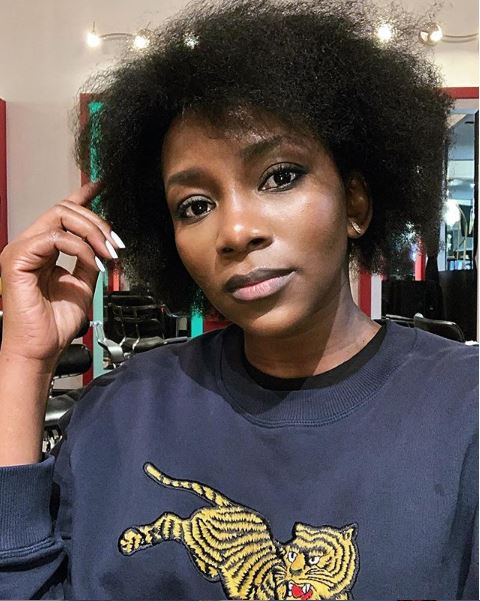
Their craft demanded vulnerability, yet vulnerability was often exploited by media and audiences hungry for sensationalism. In this rising sequence, the actors’ personal narratives became intertwined with Nollywood’s broader story, as their triumphs and setbacks mirrored the industry’s own evolution.
This period also witnessed the negotiation of identity—how actors managed societal expectations, cultural representation, and the lure of foreign markets. The glamour of premieres and endorsement deals belied the emotional labor behind performances.
Every on-screen romance, every moral dilemma, every confrontation with onscreen villainy required an off-screen emotional economy that few outsiders ever saw. The suspense was not in the films themselves but in how the actors navigated the high stakes of success, balancing ambition with integrity, visibility with privacy, and art with commerce.
What stands out in this sequence is the profound humanization of stardom. Nollywood actors were not mere conduits of scripts; they were living, breathing narratives, each with arcs as complex as the films they performed in. Their dedication, resilience, and adaptability shaped not only the trajectory of individual films but the identity of the industry itself.
The stories of Nollywood’s rising stars reveal an essential truth: that behind every iconic scene was an actor negotiating a life as compelling as any screenplay.
Reinvention and Enduring Legacy
As Nollywood expanded into the 2000s, actors faced a new set of challenges. The industry grew rapidly, with increased production values, wider distribution, and a surge of young talent eager to make their mark. Veteran actors found themselves at a crossroads: cling to established personas or reinvent themselves to remain relevant in a changing landscape. Reinvention became a survival skill, demanding creativity not only in performance but in personal branding, public engagement, and professional strategy.
For some, this meant embracing crossover projects—collaborations with international filmmakers, participation in pan-African cinema, or strategic endorsements. Others chose to mentor younger talent, infusing the industry with knowledge accrued over decades.
Actors such as Omotola Jalade Ekeinde exemplified this balance, blending on-screen versatility with off-screen influence, demonstrating that longevity required both adaptability and vision. Each decision carried risk; missteps could eclipse years of acclaim, while thoughtful reinvention could cement a legacy.
This period also deepened the emotional texture of Nollywood’s narrative. Actors’ real-life experiences—marriage, parenthood, personal loss, societal pressures—became inseparable from their work. Their performances were enriched by authenticity, reflecting the complexities of modern Nigerian life. Audiences, increasingly sophisticated and discerning, responded not just to storylines but to the human resonance actors brought to their roles. Nollywood’s greatest stories, it became clear, were not those scripted on paper but those lived in the actors themselves.
The mid-career sequence emphasizes resilience as much as artistry. The actors who endured industry upheavals, evolving audience tastes, and personal trials became touchstones for the next generation. Their legacies are visible not only in the films they made but in the inspiration they provided. Nollywood, by now a cultural institution, owes its enduring vitality to the actors’ ability to translate lived experience into cinematic memory, reminding us that the heart of any industry beats most strongly through the people who inhabit it.
Reflection, Influence, and Cultural Resonance
In the contemporary Nollywood landscape, actors occupy multiple roles: performers, producers, cultural ambassadors, and influencers. Their careers span decades, their stories intertwined with the evolution of Nigerian cinema. The later sequences of their journeys reveal a profound meditation on legacy, influence, and cultural resonance, as actors reflect on what it means to have lived through the industry’s most transformative decades.
Many seasoned actors have used their platforms to amplify societal issues—gender equality, mental health, political accountability—while others preserve cultural heritage, embodying traditional narratives for new audiences. Their influence extends beyond entertainment; they shape fashion, language, and civic imagination. Even in retirement or reduced visibility, their contributions ripple through Nollywood, guiding younger actors, informing industry standards, and shaping audience expectations.
These later sequences are also marked by introspection. The actors confront the cost of fame, the fragility of memory, and the limits of recognition. Yet there is a quiet triumph in witnessing the totality of their work: the roles they inhabited, the emotions they evoked, the stories they made real. They are living archives of a nation’s cinematic imagination, proof that the greatest stories are not scripted—they are embodied, performed, and lived.
Ultimately, the later sequence underscores a fundamental truth: Nollywood’s history is inseparable from the lives of its actors. Their personal narratives, struggles, and triumphs are the medium through which Nigerian cinema speaks to itself and the world. To understand Nollywood is to understand the people who animate it—their courage, resilience, and humanity. And it is through them that the industry’s stories gain depth, complexity, and enduring resonance.
Takeaway: The Actor as the Story
In the end, the films, the awards, the premieres—these are secondary to the actors themselves. Nollywood’s greatest stories have never been purely about plot, dialogue, or cinematic innovation. They are about the people who lived, loved, struggled, and triumphed within and beyond the frame. The actors are the vessels of history, the embodiment of culture, the heartbeat of an industry that reflects the soul of a nation.
Every glance, pause, and nuanced gesture on screen carries the weight of lived experience, transforming ordinary narratives into extraordinary human chronicles. In following the trajectories of Nollywood’s actors, we glimpse not only the evolution of cinema but the evolution of a society in dialogue with itself, grappling with aspiration, identity, and the desire to be seen and remembered.


The suspense that began in quiet Lagos streets, in waiting rooms and rehearsal spaces, culminates not in a single dramatic revelation but in recognition: that the stories that endure are those lived with authenticity, courage, and passion.
In celebrating Nollywood, we celebrate its actors—not just the roles they play, but the lives they lead. Their stories are the cinema; the cinema is their story. And in that inseparability lies the industry’s greatest, most enduring mystery: that the narrative, the drama, and the triumph were always within the people themselves