


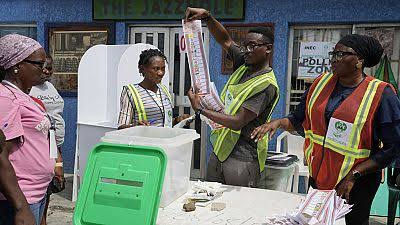
In 2025, Nigeria’s electoral landscape was marked by a series of rerun elections mandated by the Independent National Electoral Commission (INEC). These reruns, intended to rectify irregularities from the 2023 general elections, often reignited deep-seated political and ethnic tensions.
This article delves into three significant rerun elections that stirred controversy and highlighted challenges within Nigeria’s democratic processes.
1. Plateau North Senatorial Rerun: A Shift in Political Dynamics
The Plateau North Senatorial District rerun was one of the most contentious in 2025. Following the annulment of the 2023 election results due to widespread irregularities, INEC scheduled a rerun across six Local Government Areas: Jos North, Jos South, Jos East, Bassa, Barkin Ladi, and Riyom. These areas have a history of ethno-religious conflicts, and the rerun reignited old hostilities.
In a surprising turn, Pam Mwadkon Dachungyang of the Action Democratic Party (ADP) clinched victory with 122,442 votes. Yakub Muhammad of the New Nigeria People’s Party (NNPP) secured 53,980 votes, while Chris Giwa of the All Progressives Congress (APC) garnered 39,132 votes. Gyang Zi of the Labour Party (LP) received 33,243 votes.
The exclusion of the People’s Democratic Party (PDP) from the rerun, due to a court ruling, significantly altered the political dynamics, allowing lesser-known parties to gain prominence.
2. Kunchi/Tsanyawa State Constituency Rerun: Electoral Violence and Disruption
In Kano State, the rerun election for the Kunchi/Tsanyawa State Constituency was marred by significant disruptions. INEC suspended the rerun after suspected political thugs disrupted the election process in 10 polling units. Despite preparations by security agencies and INEC, the election faced substantial challenges, leading to public outrage and further eroding trust in the electoral process.
The violence not only disenfranchised voters but also highlighted the persistent issue of electoral malpractice and the need for comprehensive reforms to ensure the integrity of future elections.

3. Surulere Federal Constituency Rerun: Low Turnout and Voter Apathy
The rerun election in Lagos State’s Surulere Federal Constituency was characterized by low voter turnout and widespread apathy. Following the annulment of the 2023 election results due to procedural irregularities, INEC organized a rerun to restore democratic legitimacy. However, the electorate’s disillusionment with the political process resulted in minimal participation.
Fuad Laguda of the All Progressives Congress (APC) emerged victorious with 11,203 votes, defeating Adeola Adebanjo Damilola of the Labour Party (LP), who secured 240 votes, and Jerry Afemighie of the People’s Democratic Party (PDP), who garnered 278 votes.
Observers noted that the low turnout was indicative of a broader trend of voter apathy, fueled by a lack of trust in the electoral system and skepticism about the impact of individual votes. This scenario emphasized the urgent need for civic education and engagement initiatives to revitalize public interest in democratic participation.
A Call for Electoral Reforms
The 2025 rerun elections in Nigeria, rather than mending the fractures from previous electoral disputes, often deepened existing wounds. The challenges faced—ranging from violence and disruptions to voter apathy—underscore the pressing need for comprehensive electoral reforms.
Strengthening institutional frameworks, ensuring the neutrality of electoral bodies, and fostering civic engagement are critical steps toward restoring public confidence and safeguarding the integrity of Nigeria’s democracy.