


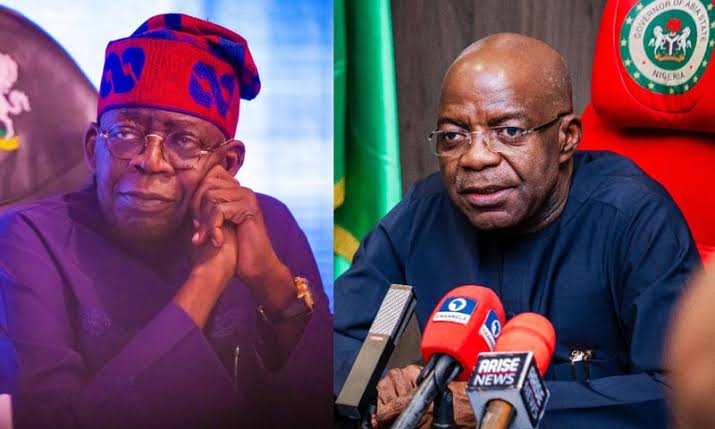
As the 2027 general elections approach, political manoeuvring in Nigeria has taken precedence over effective governance in several states, particularly highlighted by the turmoil within the People’s Democratic Party (PDP). President Bola Tinubu’s administration, having focused heavily on political strategy rather than substantive governance, has engaged in aggressive tactics to consolidate power. This is evident in actions such as the controversial declaration of a state of emergency in Rivers State and the reinstatement of the impeached Lagos State Assembly speaker.
Tinubu’s political acumen allows him to navigate Nigeria’sAs the 2027 general elections approach, political manoeuvring in Nigeria has taken precedence over effective governance in several states, particularly highlighted by the turmoil within the People’s Democratic Party (PDP). President Bola Tinubu’s administration, having focused heavily on political strategy rather than substantive governance, has engaged in aggressive tactics to consolidate power. This is evident in actions such as the controversial declaration of a state of emergency in Rivers State and the reinstatement of the impeached Lagos State Assembly speaker.
Tinubu’s political acumen allows him to navigate Nigeria’s tumultuous political landscape, taking advantage of the self-serving nature of many politicians. Recent defections from the PDP, notably by Delta State Governor Sheriff Oborevwori and his predecessor Sen. Ifeanyi Okowa, reflect a shift driven more by self-preservation than ideology. Speculation suggests even more politicians from the Niger Delta may join the ruling APC, changing the political dynamics in a region traditionally dominated by the PDP.
The handling of the Rivers State crisis has sent a stark warning to other governors: challenge Tinubu and risk your position. Consequently, many opposition governors are reluctant to criticise him openly. Abia State Governor Alex Otti, initially buoyed by the Obidient movement, exemplified this cautious approach during a recent interview. Although many were surprised by his non-committal response regarding Tinubu’s economic performance, Otti is focused on governance and repairing the damage left by previous administrations.
While he may face pressure to hold Tinubu accountable for the economic hardships Nigerians face, Otti seems to recognize that prioritizing effective governance in Abia State is essential. He understands that navigating these political waters requires a careful balance between critique and cooperation, as overt opposition could jeopardize his administration’s progress. The tumultuous political landscape takes advantage of the self-serving nature of many politicians. Recent defections from the PDP, notably by Delta State Governor Sheriff Oborevwori and his predecessor Sen. Ifeanyi Okowa, reflect a shift driven more by self-preservation than ideology. Speculation suggests even more politicians from the Niger Delta may join the ruling APC, changing the political dynamics in a region traditionally dominated by the PDP.
The handling of the Rivers State crisis has sent a stark warning to other governors: challenge Tinubu and risk your position. Consequently, many opposition governors are reluctant to criticise him openly. Abia State Governor Alex Otti, initially buoyed by the Obidient movement, exemplified this cautious approach during a recent interview. Although many were surprised by his non-committal response regarding Tinubu’s economic performance, Otti is focused on governance and repairing the damage left by previous administrations.
While he may face pressure to hold Tinubu accountable for the economic hardships Nigerians face, Otti seems to recognize that prioritizing effective governance in Abia State is essential. He understands that navigating these political waters requires a careful balance between critique and cooperation, as overt opposition could jeopardize his administration’s progress.