


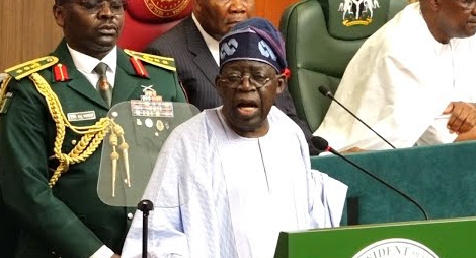
June 12 is not just a symbolic date in Nigeria’s political calendar. It marks the 1993 presidential election that was annulled by the military government, despite being Nigeria’s freest and fairest election to date.
That annulment, and the death of presumed winner Moshood Abiola, led to years of struggle and bloodshed in the name of democracy.
By 2025, with Bola Ahmed Tinubu in power—a man personally involved in the 1990s pro-democracy struggle—expectations were high.
As Nigeria marked Democracy Day under his leadership, many anticipated not just reflection, but concrete actions that would align his administration with the spirit of June 12.
This year’s commemorations unfolded with strategic intent, bold declarations, symbolic gestures, and administrative missteps.
This article provides a comprehensive, fact-based breakdown of the key takeaways from the event without narrative storytelling, focusing instead on policy content, public messaging, and broader implications.
1. Powerful Pledges
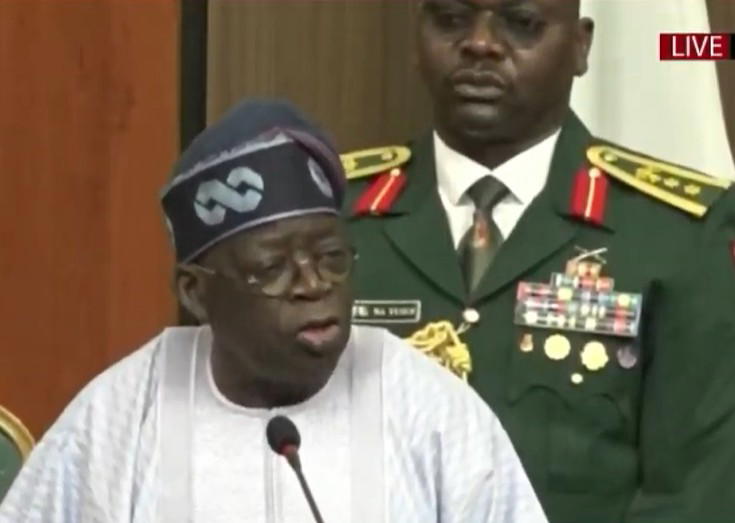

A. Economic Reform Commitment
- Tinubu reaffirmed his dedication to economic reform and fiscal discipline.
- Key highlights included continued support for a unified foreign exchange system and efforts to stabilize the naira.
- CBN reforms and interest rate tightening were framed as necessary steps to combat inflation and attract investment.
- However, despite claims of macroeconomic progress, inflation remained high (above 30% for food), with limited relief for ordinary Nigerians.
- Tinubu cited a 3.46% GDP growth (Q1 2025), using it to justify his policies.
- Analysts noted the disconnection between these figures and rising poverty levels.
B. Social Policy and Labour Relations
- Tinubu addressed the national minimum wage impasse but stopped short of declaring a figure.
- He emphasized ongoing negotiations with organized labour, asking for “patience.”
- The failure to announce a new wage was viewed by labour unions as a missed opportunity for reconciliation.
- Labour had recently suspended a nationwide strike but issued fresh warnings after the address.
C. Democratic Values and Institutional Reform
- Tinubu referenced his past as a pro-democracy activist.
- He claimed his government upheld press freedom, electoral integrity, and judicial independence.
- Civil society groups and media watchdogs disputed this, citing harassment of journalists, abuse of state power, and increasing centralization.
- No new legislation or timelines for institutional reform were announced.
D. Homegrown Reform Philosophy
- Tinubu stated that Nigeria’s reforms were designed domestically, not dictated by the IMF or World Bank.
- This message targeted nationalist and anti-austerity audiences.
- Critics noted that Nigeria had recently negotiated policy-based financing deals with global lenders, raising questions about the extent of external influence.
2. Iconic Pardons
A. Posthumous Pardon for Ogoni Nine


Tinubu officially pardoned the Ogoni Nine, executed in 1995 under Abacha’s military regime.
The act was symbolically significant, particularly for Ken Saro-Wiwa’s legacy.
It also served as a reconciliatory gesture toward the Niger Delta and human rights communities.


The pardon aligned Tinubu with the narrative of historical justice, a point of emotional resonance for many Nigerians.
B. National Honours to Pro-Democracy Icons
Kudirat Abiola, Shehu Musa Yar’Adua, and Gani Fawehinmi received posthumous national honours.
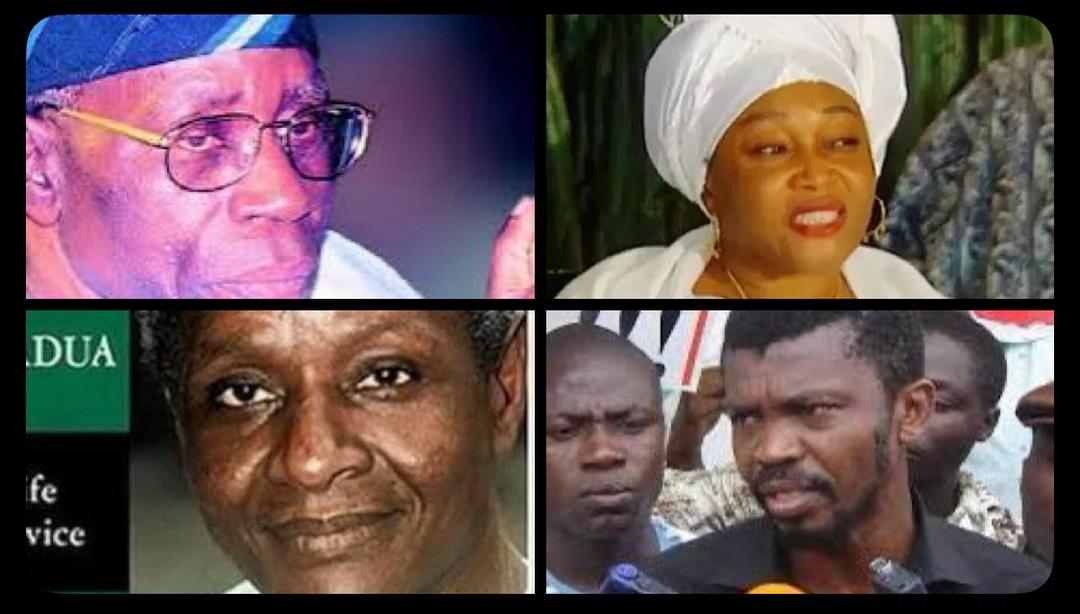

These awards aimed to broaden the memory of June 12 beyond southwestern Nigeria.
The initiative was viewed as an effort to reframe Tinubu’s presidency as inclusive and historically aware.
3. Unforgivable Honour Error
A. Mistaken Identification of Living Persons as Deceased
The Presidency mistakenly listed Reuben Fasoranti and Edwin Madunagu as deceased while conferring posthumous honours.
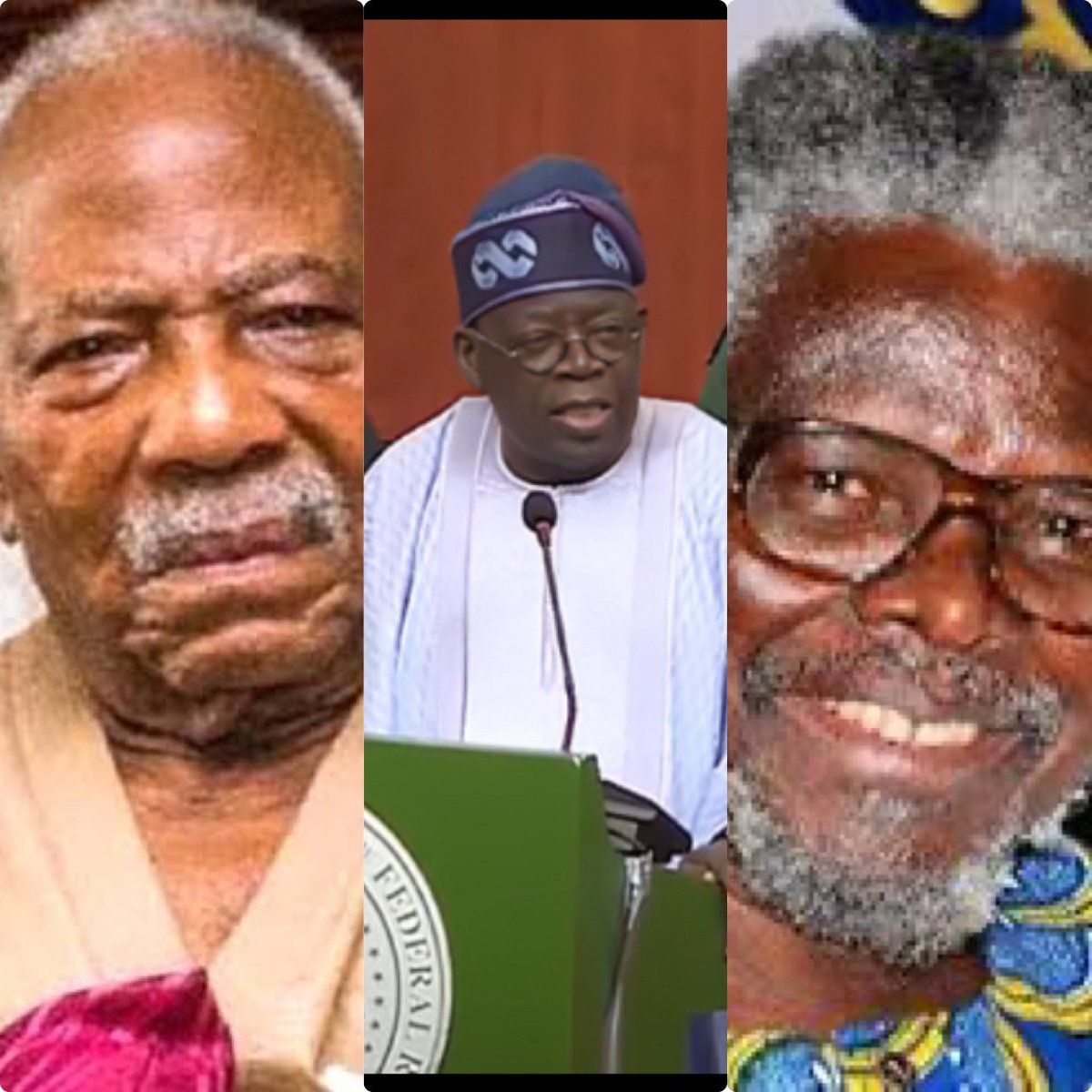

Both men are alive.
The error was corrected in a late press release but attracted widespread criticism.
B. Institutional Oversight and Symbolic Damage
- The mistake undermined the ceremony’s credibility.
- It raised questions about the vetting processes behind state honours.
- Critics called the error disrespectful and reflective of bureaucratic dysfunction.
4. Public and Political Reactions
A. Labour and Civil Society
Labour unions reacted negatively to the absence of wage figures.
Civil society expressed mixed feelings: approval for the Ogoni pardon, concern over continued repression.
B. Political Establishment
APC supporters praised the President’s speech as bold and nation-building.
Opposition parties criticized the lack of concrete policy shifts.
C. Social Media and Public Discourse
- Hashtags such as #DemocracyDay, #June12, and #LivingLegends trended nationally.
- Public discourse focused heavily on the honours error.
- Memes and commentaries ridiculed the incident, calling it a “living funeral.”
5. Strategic Outcomes and National Implications
A. Symbolic Gains
Tinubu scored symbolic victories with the pardons and cross-ethnic honours.
These moves may bolster his image as a reconciler and nation builder.
B. Political Risks
Failure to deliver on wage demands could reignite labour unrest.
Honour errors risk alienating key elder statesmen and their constituencies.
C. Legacy Building vs. Policy Delivery
June 12 showcased Tinubu’s strengths in symbolism and political messaging.
But the gap between rhetoric and tangible relief remains wide.
The administration risks being seen as performative if promises continue to lack implementation.
Lessons from June 12, 2025
President Tinubu’s June 12 agenda mixed high-level symbolism with incomplete policy delivery. The economic pledges were ambitious but lacked immediate impact. The pardons were meaningful but strategically timed. The honours error exposed administrative weaknesses that overshadowed part of the day’s achievements.
In essence, the 2025 Democracy Day event illustrated the dual reality of governance under Tinubu: a presidency deeply aware of the power of national memory but still struggling to convert intent into lasting socioeconomic transformation.
As Nigeria looks beyond June 12, the credibility of Tinubu’s pledges will depend on follow-through. The presidency has established the narrative. Now it must deliver the results.