


- Politicians are heavily protected by armed escorts, intelligence services, and fortified residences, unlike ordinary citizens facing daily threats.
- Security resources are disproportionately allocated to VIPs and urban centres, leaving rural areas more exposed to attacks.
In recent months, Nigeria has witnessed a troubling spike in insecurity, particularly across parts of the north-central region.
States such as Benue and Plateau have borne the brunt of renewed violence, with communities experiencing waves of killings, abductions, and displacement.
Yet, amidst this turmoil, a striking pattern endures: the political elite, particularly at the national level, appear largely untouched.
Between April and June 2025, multiple attacks were reported in Mangu, Bokkos, and Riyom local government areas of Plateau state.
Scores were killed, homes razed, and thousands forced to flee. In neighbouring Benue, armed herdsmen and bandits intensified assaults on rural communities, prompting humanitarian concerns over rising internally displaced populations. These episodes, while alarming, are not isolated.
Reports by civil society organisations and media have consistently drawn attention to the growing normalisation of violence in rural and peri-urban areas of Nigeria.
From Zamfara and Kaduna in the northwest to Imo and Anambra in the southeast, insecurity has become a recurring theme.
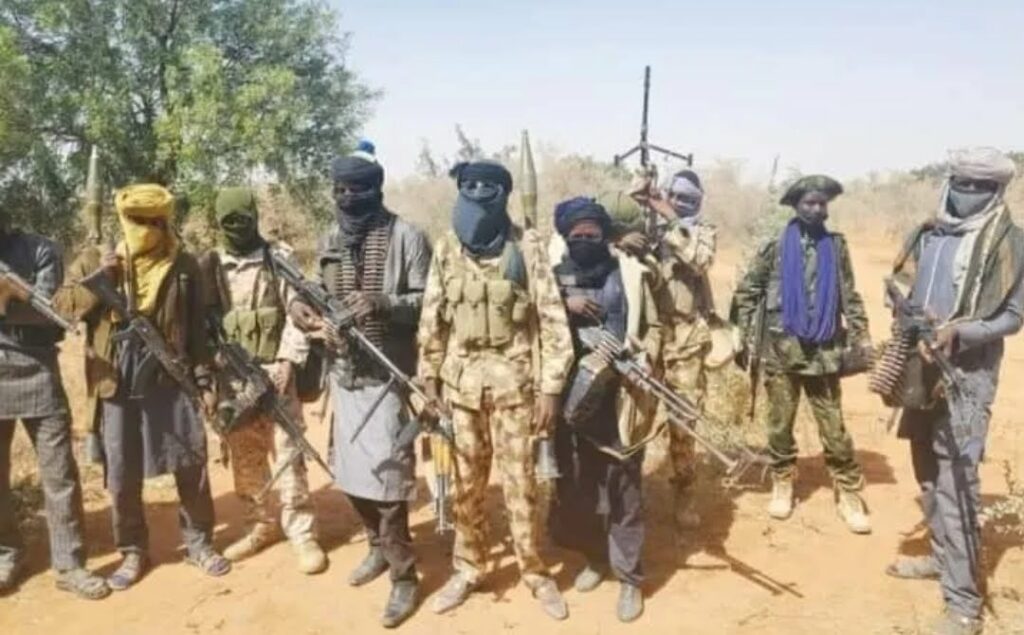
Armed groups, including bandits, insurgents, and separatist agitators, continue to operate in large swathes of the country, often unchecked.
Despite various military operations and community policing initiatives, their reach persists.
Yet, while communities bear the scars of these crises, federal politicians, especially those at the apex of power, remain largely insulated.
The reasons are varied — spanning institutional, infrastructural, and even historical dimensions.
Security experts attribute this divide partly to the concentrated nature of state protection enjoyed by public officials.
Elected leaders, top-level appointees, and key political actors are often guarded by layers of security personnel, including police, military escorts, and members of the Department of State Services (DSS).
Their residences are fortified, their movements tightly controlled, and their access to intelligence, immediate.
“There’s an overwhelming disparity in how the state deploys its security resources,” says a senior analyst at a Nigerian security think tank.
“Protection is heavily skewed in favour of VIPs, leaving ordinary communities vulnerable.”
Furthermore, most high-ranking politicians live within urban centres such as Abuja, Lagos, or state capitals where security presence is dense.
These areas are generally prioritised in national security planning due to their political and economic importance. As such, attacks in these zones tend to be rare or swiftly curtailed.
This structural imbalance creates what some have referred to as “bulletproof politics” — a reality in which those who shape national security policies are often far removed from the lived experience of insecurity.
While they may express condolences or visit affected areas, their daily lives are largely untouched by the same threats that millions of Nigerians navigate.
That said, the ruling class is not entirely immune. There have been notable cases of politically exposed persons being targeted.
For instance, local government chairpersons, state assembly members, and party officials — especially in volatile regions — have been victims of abduction or assassination.
However, such incidents remain the exception rather than the norm for top-tier political figures at the federal level.
Critics argue that this disconnect hampers effective policymaking. “When decision-makers are detached from the consequences of insecurity, there’s less urgency to reform the system,” notes a researcher at the Centre for Democracy and Development (CDD).
Nevertheless, the federal government has repeatedly stated its commitment to tackling insecurity.
In recent months, security agencies have launched fresh operations in Plateau and Benue, while the National Security Adviser has unveiled new strategies aimed at decentralising response capabilities.
Still, many Nigerians maintain that until the security apparatus is more evenly distributed — both geographically and socially — the perception of a protected elite versus exposed citizens will persist.
Ultimately, insecurity in Nigeria remains a national challenge. While it may rarely penetrate the highest corridors of power, its impact on governance, trust, and national cohesion is far-reaching.
As violence continues to grip parts of the country, bridging the gap between those who make the decisions and those who live with the consequences may prove central to reversing the current trend.