


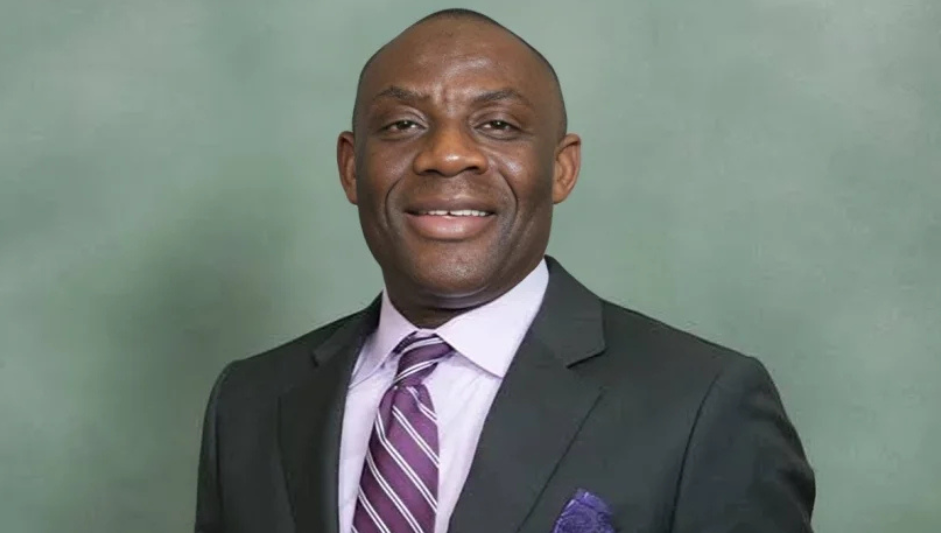
- Alausa said union leaders now enjoy direct communication with the ministry to swiftly resolve emerging concerns.
- The education minister blamed prior administrations for undermining signed agreements with ASUU and other academic unions.
The minister of education, Dr Tunji Alausa, has disclosed that the federal government is working to end industrial actions in the nation’s tertiary institutions.
Alausa made the disclosure during an interview on Politics Today, a Channels Television programme, which aired on Tuesday.
According to him, President Bola Tinubu has instructed that unions in tertiary education, including the Academic Staff Union of Universities, must no longer embark on strikes.
His comments came shortly after the ASUU chapter at Yobe State University ended its strike, which began on July 11.
He attributed the cycle of strikes to failures by previous administrations to follow through on negotiated deals with union leaders.
“This is what the president has mandated us to do. The president has directed that never again in this country will ASUU, or tertiary institution trade unions, go on strike,” he said.
“Because promises alone are not enough, there has to be a lot of relationship-building with ASUU, NASU, SSANU, COEASU — everybody.
“Beyond that, the government must demonstrate goodwill by meeting its obligations to these unions. That is what has been lacking in past governments.
“They would sit with the unions, agree on terms, and then ask, ‘Tell us when you’re going to implement this.’ But over the years, government would simply renege on those agreements.
“That is not what we are doing now. We are engaging them actively. All the presidents of the unions — most of them — can call me directly.
“They have my number, and I have theirs. We are constantly communicating. Even when people spread fake news about ASUU going on strike, which they never intended, we clarify immediately. We have not met all their requests yet, but we are working assiduously to fulfil them.”
The minister also addressed salary-related issues affecting lecturers, insisting that payments have remained consistent despite a change in payment platforms.
“We’re paying salaries. We’re paying salaries regularly. What just happened is that after the tertiary institutions went off IPPIS, which was very restrictive to them, the president graciously agreed to that. They are now on GIFMIS so that they have better control of their funds,” he said.
“The way government pays salaries, they start from the 25th of the month. They pay people on IPPIS as first-line priority.
“And that’s why what happened in the last six months is — where I’m not happy about it — they’ve been paid around the 8th or 9th of the following month.”