


-
The government uses accurate data mapping to identify out-of-school children, addressing economic, cultural, and infrastructural barriers to enrolment
-
₦80 billion approved for school rehabilitation; AI training for 6,000 teachers; unified university fees; curriculum overhaul to boost skills and fairness
The Federal Government has pledged to adopt a data-driven approach to tackle Nigeria’s out-of-school children crisis, alongside sweeping reforms aimed at modernising the education sector.
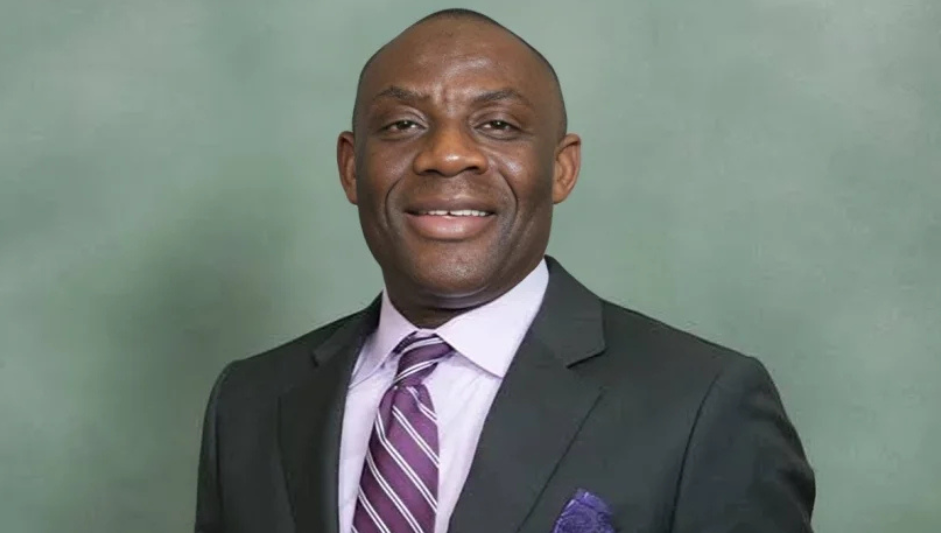
Minister of Education, Dr. Maruf Olatunji Alausa, speaking at a media parley in Abuja, said accurate and verifiable data is key to addressing the challenge.
One of the greatest challenges in solving the out-of-school problem has been the lack of accurate data. We are now using data to map communities, identify children who are out of school, and understand the barriers they face—whether economic, cultural, or infrastructural, he explained.
The ministry had earlier launched a nationwide enrolment campaign in 2024, in collaboration with the National Commission for Almajiri and Out-of-School Children Education, covering full enrolment costs for children in target communities.
Beyond enrolment, Dr. Alausa outlined broader reforms, including:
-
A unified fee structure across all universities to eliminate arbitrary charges, supported by NELFUND loans.
-
Deployment of technology, with solar-powered school infrastructure, teacher tablets, and AI-driven teaching methods. Already, 6,000 teachers nationwide are undergoing AI training.
-
An overhaul of the basic education curriculum to reflect 21st-century skills such as digital literacy, innovation, entrepreneurship, and civic responsibility.
-
Support for school feeding programmes to improve attendance, enrolment, and cognitive outcomes.
The Federal Government has also approved ₦80 billion for the rehabilitation and security upgrade of national unity schools. At the same time, 38 technical colleges are being modernised to focus on hands-on training for five million youths over the next four years.
Through the Nigeria Education Data Initiative (NEDI/NERDI), datasets from JAMB, WAEC, NECO, UBEC, and NYSC are being consolidated into a real-time dashboard to track student progress.
Dr. Alausa further stressed accountability in the sector, noting that exam malpractice and academic misconduct would be firmly tackled, while calls for a streamlined curriculum currently overloaded with 70+ examinable subjects are being prioritised.
Concluding, he emphasised that education reforms are being designed to ensure fairness, sustainability, and alignment with global labour market needs.
“With data at the centre of our plans, we will not only clean up the education system but also solve the out-of-school problem that has plagued Nigeria for decades,” he said.