


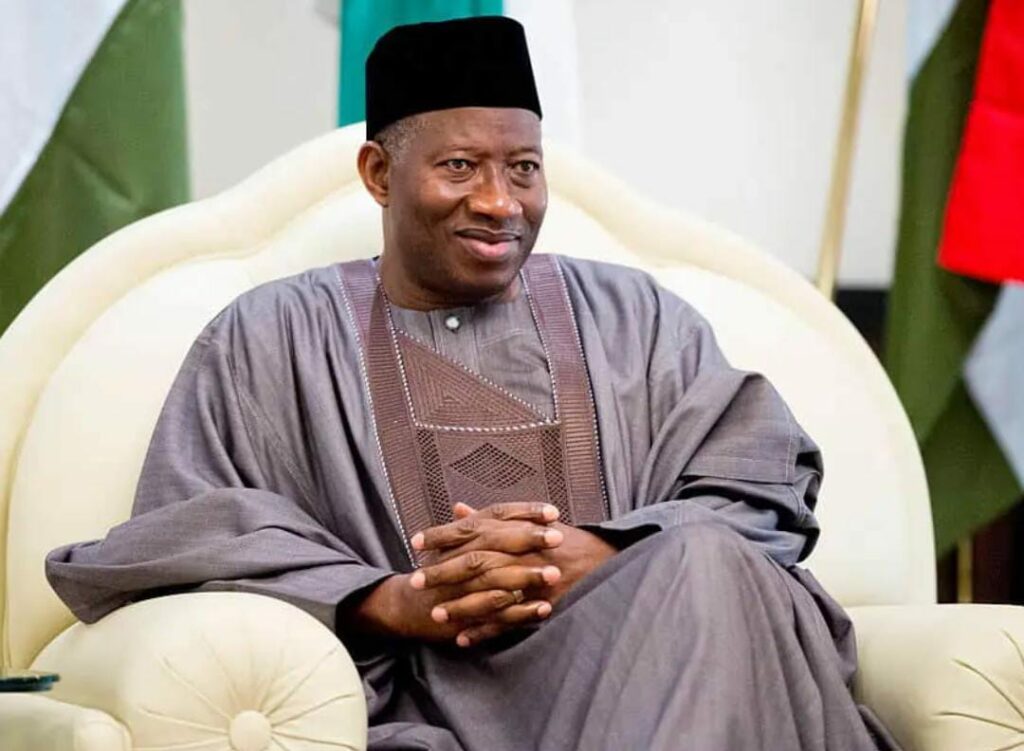
When speculations about former president Goodluck Jonathan’s return began circulating, Nigerians reacted with a mix of nostalgia and cautious hope.
Jonathan, who once said his ambition was not worth the blood of any Nigerian, is now seen by some as a possible remedy to a nation battered by hardship, insecurity, and deepening poverty.
President Bola Tinubu’s administration, still less than two years old, has left many citizens disillusioned. Inflation is high, insecurity persists, and the removal of fuel subsidy has not translated into visible relief.
The debate is no longer about Jonathan’s eligibility. Legally, he is entitled to one more term, having served only one full tenure between 2011 and 2015. What matters now is whether his comeback represents stability or simply a gamble on nostalgia.
The legitimacy question
Jonathan’s pathway to contest remains open. But more than technicalities, Nigerians are asking who can restore confidence, ensure security, and revive a shaky economy.
Unlike Tinubu, who many criticized of consolidating political structures, Jonathan is seen to have presented himself as a unifier, offering a one-term promise that could guarantee power rotation by 2031.
PDP and the redemption argument
The Peoples Democratic Party (PDP) still struggles with divisions, with figures like Nyesom Wike and Seyi Makinde pulling in different directions.
Yet Jonathan’s influence and image as a steady hand could provide a rallying point for a fractured party desperate to reclaim relevance.
Ordinary Nigerians, weighed down by poor services and rising debt, are left questioning if another term of APC governance is sustainable.
Northern dynamics
The North, which rejected Jonathan in the past, is grappling with worsening farmer-herder conflicts, banditry, and economic decline.
For Jonathan, the message to northern elites is simple: support me now and reclaim power in 2031.
As a statesman with a reputation for peacebuilding, he may find cautious acceptance among communities that crave stability over sectional loyalty.
The north-central factor
The north-central zone remains the decider. With Tinubu losing ground, Atiku Abubakar divided, and Peter Obi’s momentum slowing, Jonathan could emerge as the compromise candidate.
States like Plateau, Benue, and the FCT may tilt in his favour, though Kogi and Kwara will remain battlegrounds.
Home advantage in the south
Jonathan retains strong support in the south-south and still commands respect in the south-east.
Obi complicates matters in the east, but strategic alliances could transform Jonathan into a bridge between regional blocs.
A united south provides him a solid base to build momentum.
The south-west hurdle
The real challenge is the south-west, where Tinubu remains the political titan.
While Jonathan may find sympathy in Lagos, Oyo, and Osun, breaking APC’s dominance across Yoruba land is almost impossible.
The head-to-head battles
In a matchup with Tinubu, Jonathan will stress peace, economic growth, and calm leadership, while Tinubu must defend his record under growing public discontent.
Against Atiku, Jonathan enjoys the advantage of having already led as president, while Atiku faces accusations of endless ambition and personal interest.
With Obi, Jonathan could strike a deal if the numbers align, positioning himself as the elder statesman with federal experience.
What Jonathan must offer
Nigerians demand solutions, not sentiment.
Jonathan will need to articulate clear plans to stabilise the naira, tackle inflation, and restore confidence in governance.
He must also promise inclusivity, a balanced cabinet, youth engagement, and credible security reforms that bring real change to citizens’ daily lives.
Most crucially, his one-term assurance must be convincing, especially to the north.
A comeback or a gamble?
Jonathan’s re-entry into the 2027 race is not simply about personal ambition. It reflects Nigerians’ yearning for stability in uncertain times.
Still, nostalgia alone cannot win an election. If Jonathan fails to provide practical answers, his comeback may be remembered as a gamble rather than a resurgence.
The bigger question is whether Nigerians are ready to entrust him again with their hopes and frustrations.