


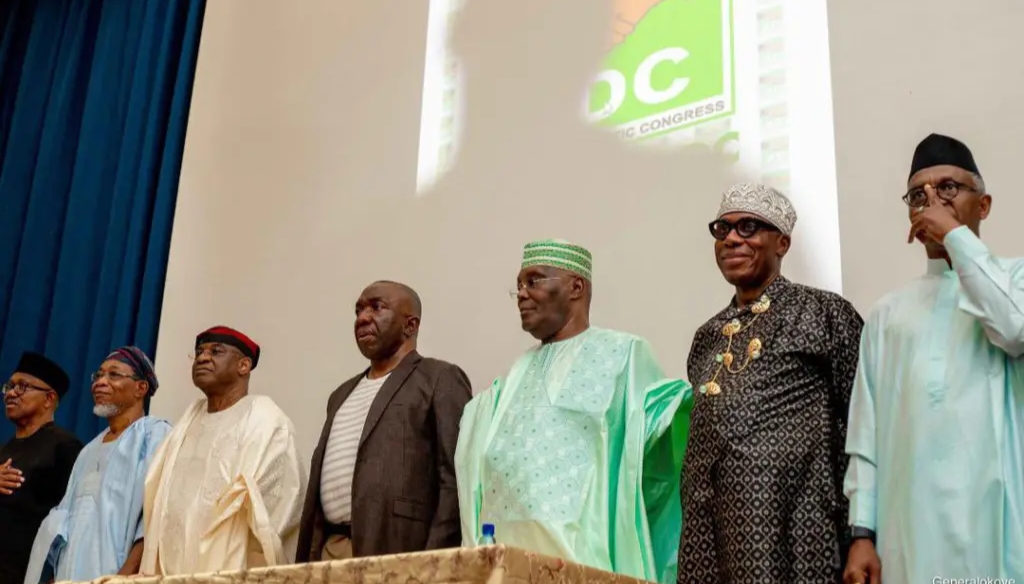
Weeks after the African Democratic Congress was chosen as the umbrella for opposition leaders hoping to unseat President Bola Tinubu in 2027, uncertainty still clouds its future.
The Abuja launch of June 19 had all the drama of a political rebirth. Former senate president, David Mark, was crowned interim national chairman, former Osun governor, Rauf Aregbesola, became interim national secretary, while Bolaji Abdullahi was unveiled as spokesperson.
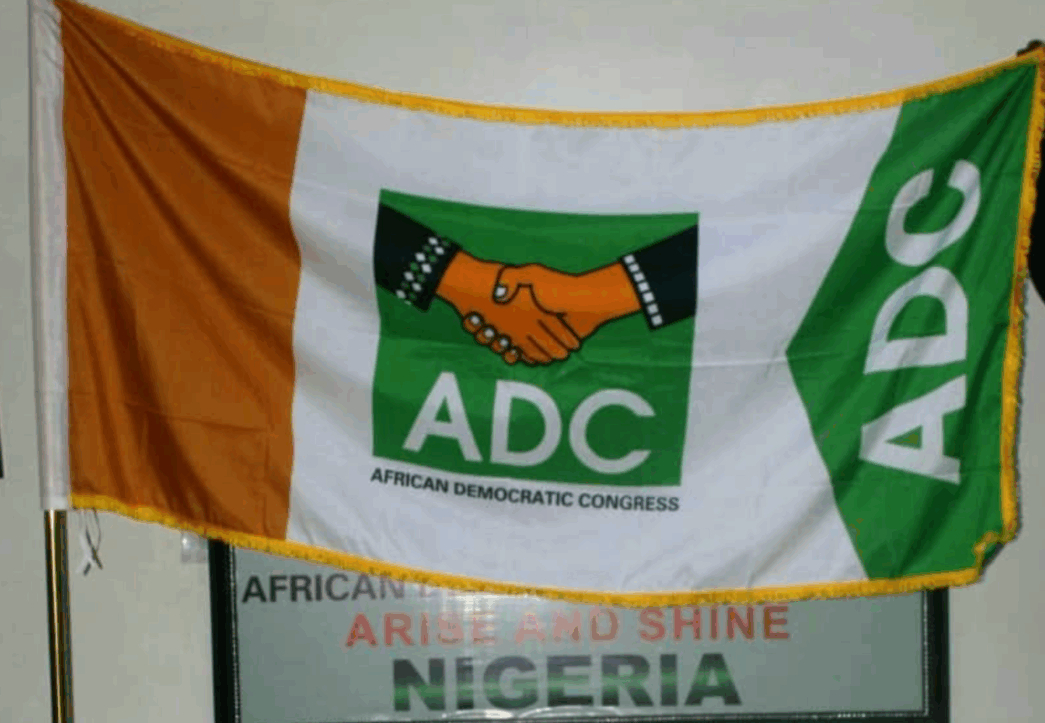

The optics were impressive, but the cracks were visible. Questions lingered about whether this was a genuine union or another fleeting pact.
Atiku and Amaechi jump ship

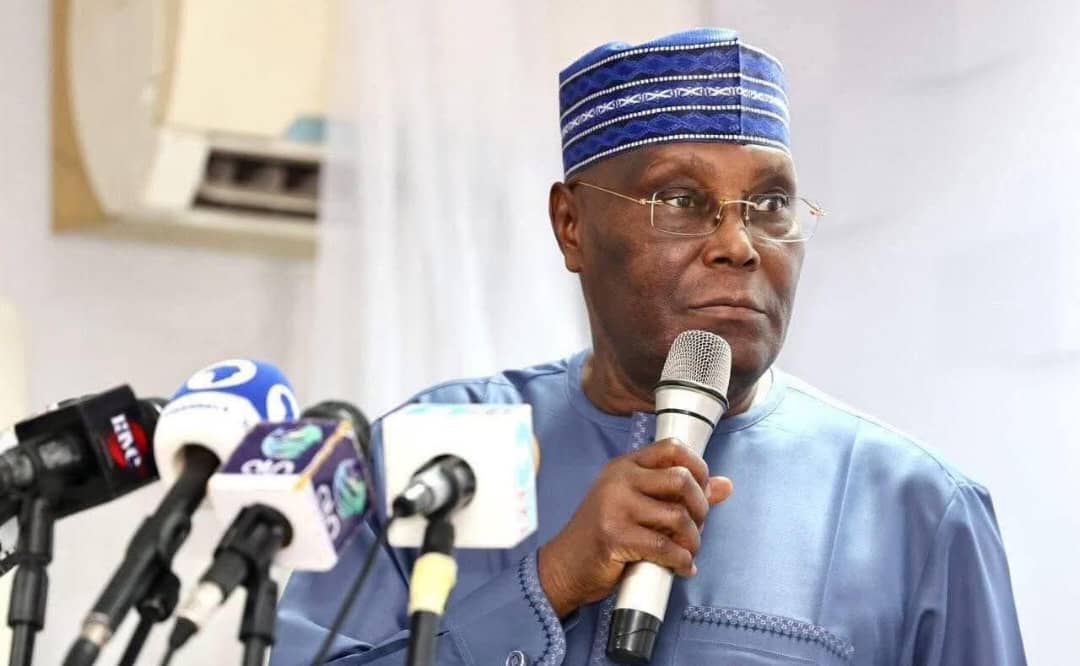
The defections of Atiku Abubakar, a former vice-president, and Rotimi Amaechi, an ex-minister of transport, gave the ADC some weight.
Yet, many of its poster figures, including Peter Obi and Nasir el-Rufai, have not left their old parties, creating overlapping loyalties.
Obi, for instance, has stressed publicly that he remains in Labour Party. He insists the ADC coalition is merely a vehicle for the 2027 race, not a permanent shift.
Obi at the crossroads
Inside PDP, zoning debates have returned. The party has agreed to move its 2027 ticket to the south.
Jerry Gana and other leaders have kept the door open for Obi, while Ali Modu Sheriff went further to claim that Obi would still contest under the PDP.

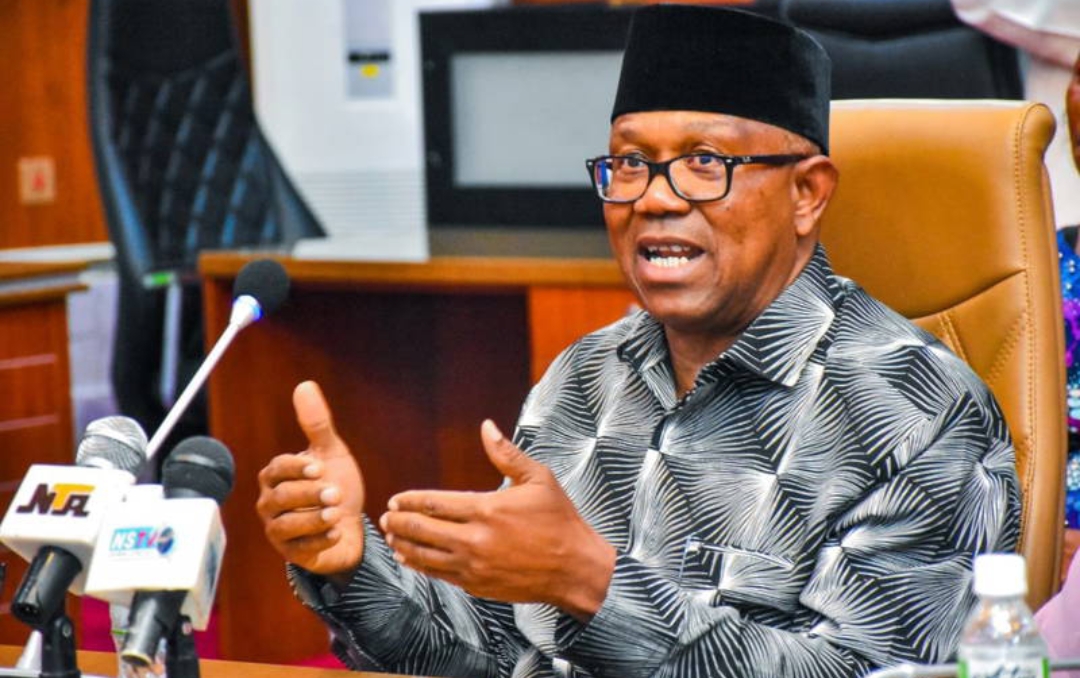
The former Anambra governor has also repeated two pledges: that he will serve only one term, and that power should rotate south between 2027 and 2031.
A coalition without governors
The most striking weakness of the ADC coalition is the absence of sitting governors.
In Nigeria’s political reality, incumbency is power—bringing with it access to state funds, grassroots structures, and control of patronage.
Analysts recall that when the APC was born in 2013, it instantly carried weight by pulling governors from Lagos, Kano, Rivers and Nasarawa.
In contrast, the ADC has only senators flirting at the edges. Aminu Tambuwal, Abdul Ningi, Enyinnaya Abaribe, Ireti Kingibe and Austin Akobundu have been linked to it but none has made an official break.
The ghosts of 2013
Unlike the APC merger that altered Nigeria’s political map, ADC’s coalition has so far leaned on personalities, not structures.
Many critics dismiss it as opportunism, pointing out that defections have been half-hearted and often conditional.
Crisis from within
If the absence of governors is one wound, internal wrangling is another.
Dumebi Kachikwu, ADC’s 2023 presidential candidate, described the coalition as a “hostile takeover” engineered for Atiku.
He vowed to fight back through court petitions and grassroots mobilisation, accusing leaders of ignoring the party’s zoning balance.
Soon after, Nafiu Bala Gombe, a former deputy chairman, declared himself interim chairman, calling Mark’s leadership unconstitutional.
Aggrieved members cry foul
Long-standing ADC members such as Leke Abejide and Musa Isa Matara joined the revolt, accusing the coalition of hijacking more than 50 NEC positions.
They branded the newcomers “marauders” who sidelined original members.
But David Mark’s camp insists the coalition followed due process under INEC supervision and accused critics of playing politics after expulsion.
Searching for a future
Despite the turmoil, ADC leaders have toured states, meeting civil society groups, unions and local leaders to build grassroots presence.
The party has found support in northern PDP strongholds like Adamawa and Yobe but remains weak in battleground states such as Kano and Lagos.
Some analysts argue that the ADC should first secure legislative and state-level victories before dreaming of the presidency.
Discussions within the coalition lean towards zoning the ticket south by 2026, but consensus remains elusive.
Symbolism or substance?
Nigerians, weary of insecurity, inflation and corruption, have shown sympathy for an opposition alternative.
Yet sympathy does not translate into votes without trained polling agents, grassroots alliances and financial muscle.
Observers warn that without reconciling factions, completing defections and embedding local structures, the ADC may remain symbolic rather than substantial.
Its fate now rests on whether it can grow beyond elite agreements into a movement with roots in the streets.