


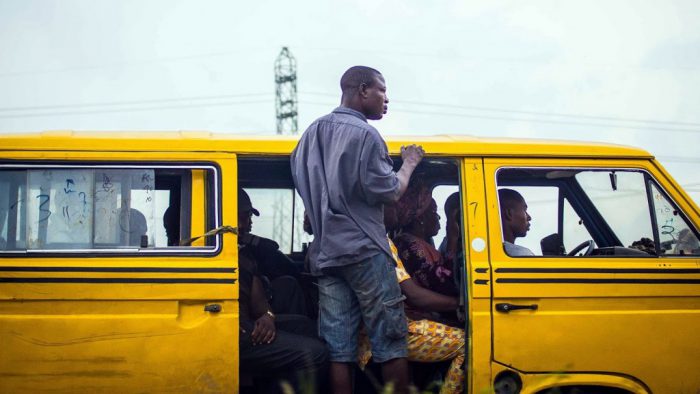
At dawn in Lagos, the yellow taxis gather at Ojuelegba, engines humming as drivers wait for passengers.
The men behind the wheel are more than transport workers; they are chroniclers of daily Nigeria.
Every rank tells a story, from politics to the economy, from insecurity to survival.
Ibrahim Musa has been a taxi driver for 15 years.
He says passengers often share their frustrations on the rising cost of food, fuel and rent.
“People talk inside the car as if they are at home,” he said.
From his seat, he listens, sometimes joining the conversation, sometimes only nodding as traffic moves slowly.
At Wuse in Abuja, drivers speak about the high cost of spare parts, a challenge they say has forced many off the road.
One driver, Kabiru Mohammed, explained that the price of tyres and fuel now eats deep into their income.
According to him, a full day’s earnings can disappear on repairs alone.
For many, the taxi has become a moving discussion hall.
Passengers complain about governance, while drivers add their voice to the debate.
A driver at Ibadan toll gate described his work as “hearing the nation’s heartbeat”.
He explained that every passenger has a story, whether a trader lamenting low sales or a civil servant angry over delayed salary.
In Kano, drivers said security worries dominate their conversations.
They said passengers speak in hushed tones about attacks on highways and the risks of travelling long distances.
Some explained that even short trips can turn into long talks about safety, poverty and uncertainty.
The story is not different in Port Harcourt, where drivers narrate how the oil-rich city still struggles with unemployment and inflation.
For many drivers, the taxi rank is not only where jobs start, but also where news is exchanged.
They share information on fuel scarcity, police checkpoints, and even political campaigns.
At Ojota motor park, a driver said politicians sometimes hire taxis to move supporters during rallies.
He added that after the event, drivers still debate whether promises made will ever be kept.
The stories also reveal personal battles.
Some drivers said they struggle to pay school fees and hospital bills, while others dream of leaving the job entirely.
Despite the challenges, they see their work as service to the public.
A driver at Enugu main market explained that his taxi is “a place where people pour out their mind”.
From dawn till night, the taxi rank remains alive with voices.
Engines roar, horns blast, but inside the cars, conversations flow freely.
The drivers continue to listen, to narrate, and to capture what many Nigerians feel but rarely put in writing.
For them, every journey is not just about movement, but also about carrying stories that mirror the nation’s struggles.