


Inflation in Nigeria continues to reshape the daily lives of millions, pushing ordinary families into new struggles as the cost of basic items keeps climbing.
A single loaf of bread, once affordable to many, has now become a symbol of the larger hardship faced in households across the country.
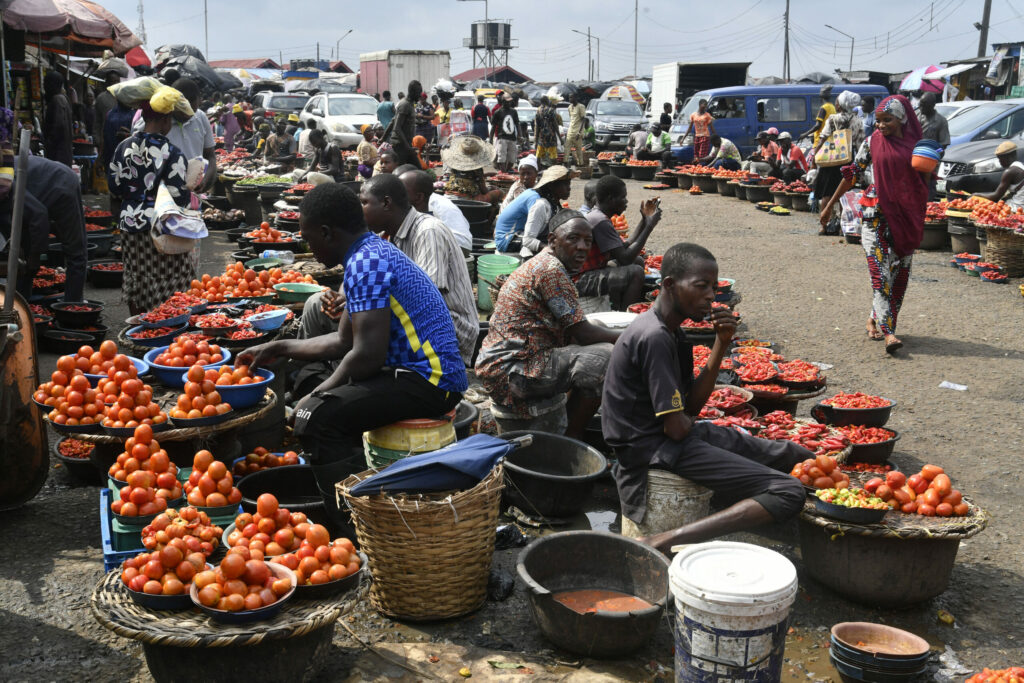
Food markets in cities and rural areas reflect the same trend, with prices rising faster than incomes and leaving families with fewer options to meet their needs.
The price surge is not limited to bread alone but extends to rice, beans, yam, and vegetables, all of which form the staple foods for most households.
Transport fares have also increased, influencing how goods move from farms to urban centres and making the final cost even higher for consumers.
For traders in street markets, higher costs of purchase mean they must sell at higher rates, which reduces the number of customers who can buy.
Households with limited income are forced to reduce portions, skip meals, or switch to less nutritious alternatives to cope with the pressure.
Parents in low-income communities report that children sometimes go to school without food because there is not enough to go around.
Rent, electricity bills, and other living costs further add to the pressure, creating a cycle where households must sacrifice one need for another.
The rising cost of fuel has also played a part in deepening inflation, as transport, energy, and production expenses climb with every increase.
Manufacturers of goods, including bakeries, complain of higher costs of flour, sugar, and other inputs, which are passed directly to consumers.
In many urban centres, the price of a loaf has doubled or even tripled within a short period, showing how quickly inflation spreads through the economy.
The effect is most severe for workers earning fixed wages or daily income, as the value of their money continues to drop in real terms.
In rural areas, families who depend on farming also face challenges as fertiliser, seedlings, and tools become more expensive to purchase.
Some households now buy food in smaller quantities, even when it is less economical, just to manage daily survival.
Nutrition experts warn that poor diets resulting from inflation could increase cases of malnutrition, especially among children and pregnant women.
Healthcare costs are not left out, with medicine prices also on the rise, adding another burden on already struggling households.
Teachers in some schools observe that students find it difficult to concentrate when they come to class hungry, linking education outcomes to the food crisis.
Small businesses, which make up a large part of the economy, also suffer because fewer people have money to spend on goods and services.
Unemployment and underemployment worsen the situation, as many people cannot earn enough to match the growing cost of living.
For civil servants and pensioners, the fixed nature of their income makes them particularly vulnerable to the effects of inflation.
Market surveys in different states reveal the same pattern of hardship, confirming that inflation has touched nearly every part of society.
The struggles are not just economic but social, as many households face increased tension and stress due to financial difficulties.
Community support networks, such as borrowing food or relying on neighbours, have become more common as survival strategies.
Religious groups and charities also report higher demand for assistance, reflecting the scale of hardship across the population.
Inflation is not only reducing the standard of living but also reshaping the way people think about savings, investment, and future planning.
Many households are now focused on daily survival rather than long-term goals, a shift that may slow overall development in the country.
The price of a loaf has thus become more than just a figure in the market but a window into the wider reality of economic hardship.
From the bustling city markets to the smallest rural kitchens, inflation is reshaping lives in visible and painful ways.