


However, the joy, optimism and hope of a thriving industrialised Nigeria that these steel mills were expected to herald was dashed by our collective aversion to greatness, progress and a working nation.
Steel is an indispensable component and key ingredient for the world’s economy. More than five million people are directly and indirectly employed by the steel industry worldwide. It is the life support of global commerce.
It is a catalyst for industrialisation, and a nation that is serious about achieving an enviable level of economic prosperity must attain sufficiency in local steel production. It is this naked fact and timely realisation that prompted Nigeria to massively invest in a steel mill in the 70s and 80s to lay the foundation for Nigeria’s industrialisation in a fast-changing world.
Upon the return to democratic rule in 1979, which ushered in the second republic, President Shehu Shagari’s government, in its wisdom, invested heavily in the steel sector, when the Delta Steel Company, Aladja, Katsina Steel Rolling Mill, Katsina, Jos Steel Rolling Mill, Jos, Ajaokuta Steel Complex, Ajaokuta and Oshogbo Steel Rolling Mill, Osogbo; were commissioned with fanfare and palpable optimism, and why not. Add to this the National Iron Ore Mining Company at Itakpe, Kogi State and the stage was set for an industrial revolution never before seen on the African continent.
However, the joy, optimism and hope of a thriving industrialised Nigeria that these steel mills were expected to herald was dashed by our collective aversion to greatness, progress and a working nation. Painfully, the so-called Nigerian factor, an euphemism for the twin-evil of corruption and vested interest, was unleashed on the gold mine. Today, this same country, inexorably blessed by the Godhead, is shamelessly importing steel products from a country she could have been rubbing shoulders with. A staggering four billion dollars is what we expend on this avoidable and needless importation.
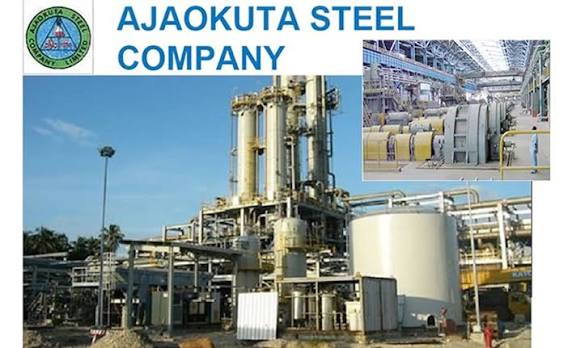
Of all the now moribund steel mills that the nation hinged its now-shattered industrialisation hope on, one that has continued to capture the imagination of the populace and remain the subject of public discourse and scrutiny is the Ajaokuta steel mill. It was more than a steel mill. It was supposed to be our magic bullet to economic prosperity. But despite the enormous potential it holds and the huge resources sunk into it, it failed to live up to the billing due to corruption, mismanagement and greed. Sitting on a 24,000-hectare (59,000-acre) site, it is the largest steel mill in Nigeria, and the coke oven and by-products plant are bigger than all the refineries in Nigeria combined, underscoring the monstrosity and magnitude of the mill.
Nigerians, including those in power who should initiate the revival of Ajaokuta, have all but given up on the mill. Among those who now see the steel mill as a giant relic of metal crap that won’t amount to anything is Nigeria’s industrialist, businessman, and Africa’s richest man, Aliko Dangote. During an interview with newsmen, Dangote highlighted the infeasibility of the steel mill, saying “it will not work”. Not too long ago, such a statement from Dangote would have riled up some Nigerians and put him in their crosshairs, but after years of watching what was essentially Nigeria’s biggest public assets fail to live up to expectations and fall into ruins, the energy for such patriotic sentiment has disappeared.
Also, if there is anyone with the authority to pass a viability or otherwise verdict on the steel mill, then it’s a man who built a $20 billion refinery. His refinery and Ajaokuta steel mill, in scale, size and impact, are somewhat similar, so he can speak of the feasibility of the mill. But we cannot allow Dangote’s pessimism to get in the way of our quest for local steel production. If Ajaokuta steel mill has become a white elephant project and is no longer viable due to certain challenges that are beyond addressing, what about the other four steel mills that successive governments have allowed to become comatose after they were supposedly privatised?
Nigeria imports six million tons of steel and allied products every calendar year. Our automobile companies are largely glorified assembly plants, as they still have to rely heavily on the importation of key components that should ordinarily be produced here if our steel mills were functional. No nation can fully industrialise, attain the height of its economic potential and build a thriving and prosperous nation without having an independent and buoyant steel industry that guarantees sufficiency in local steel production.
As bleak and uninspiring as the situation is, the Nigerian steel industry can still be revived. But the resuscitation of such a critical sector of our struggling economy will require a government with the political will to do the right thing and also go after the vested interests who profit from our nation’s stagnation, and, some will say, destruction