


The compound lay silent, save for the faint clatter of iron beds and the distant crow of a rooster. Dawn crept over the clay rooftops of a boarding school in northern Nigeria, igniting the dust that hung thick over the playing fields. A lone boy stirred beneath his khaki blanket, rubbing the sleep from his eyes, ears straining for the first clang of the morning bell. Outside, the corridors still reeked of wet cement and kerosene stoves, the smell of chalk and sweat mingling in the thin air.
Few could imagine that these same corridors, these same dusty dormitories, would one day echo with the footsteps of the men who would lead Nigeria. They would carry into Aso Rock the lessons, rivalries, and camaraderie forged under this unyielding discipline. Every polished shoe, every iron bunk, every row of neatly stacked textbooks was a rehearsal for governance.
Boarding schools in Nigeria were more than educational institutions; they were crucibles of power. They produced politicians, ministers, judges, and military leaders—not by design alone, but by accident, circumstance, and an unspoken understanding of destiny. The dust beneath the sun, the relentless schedules, the shared privations—these became invisible tools, shaping the psyche of a generation that would inherit a fledgling nation.
In the quiet hours before class, one could almost hear history whispering through the corridors: “Here, futures are made, alliances formed, rivalries born. Here, Nigeria’s leaders take their first lessons in power.”
Colonial Blueprint: Forging Elites in Brick and Chalk
Boarding schools in Nigeria were not born out of whimsy. They were the product of deliberate colonial engineering. The British and missionaries sought to craft a class of educated Africans who could assist in administration, collect taxes, and mediate between the colonial government and the local populace. What they did not foresee was that these institutions would ultimately incubate the architects of Nigeria’s independence—and beyond that, its postcolonial leadership.
CMS Grammar School, Lagos (1859)

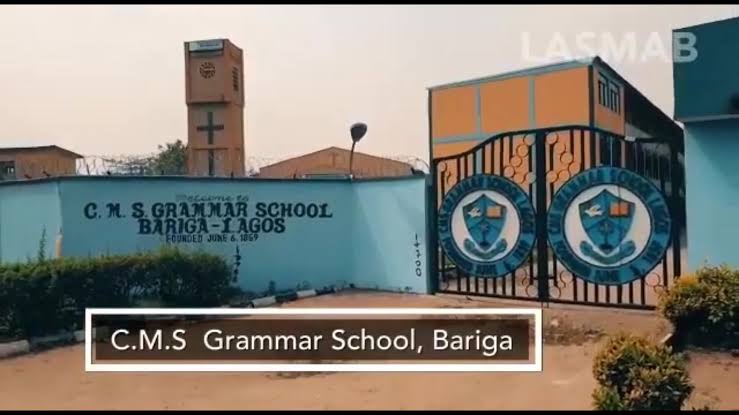
The Church Missionary Society Grammar School was the first secondary school in Nigeria. Its initial aim was simple: train Africans to read, write, and administer under British supervision. Students wore the emblem of colonial authority, learned the hymns of England, and memorized texts that subtly reinforced imperial ideology. Yet, in the classrooms, young minds began questioning, debating, and eventually challenging the very structures they were trained to serve.
King’s College, Lagos (1909)

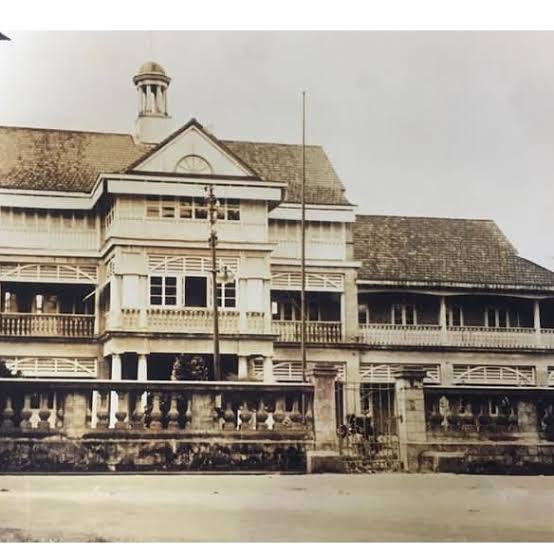
Founded as a government college for the sons of chiefs and elites, King’s College was meant to replicate the British public school system on West African soil. Its curriculum emphasized Latin, mathematics, history, and English literature, all laced with the Victorian ethos of leadership. Boys were drilled in discipline, punctuality, and decorum—the soft power of administration.
Yet, King’s College also cultivated curiosity. Its students learned not only how to follow orders but also how to question authority, debate policy, and envision a society beyond colonial constraint.
Government College Ibadan (1929)

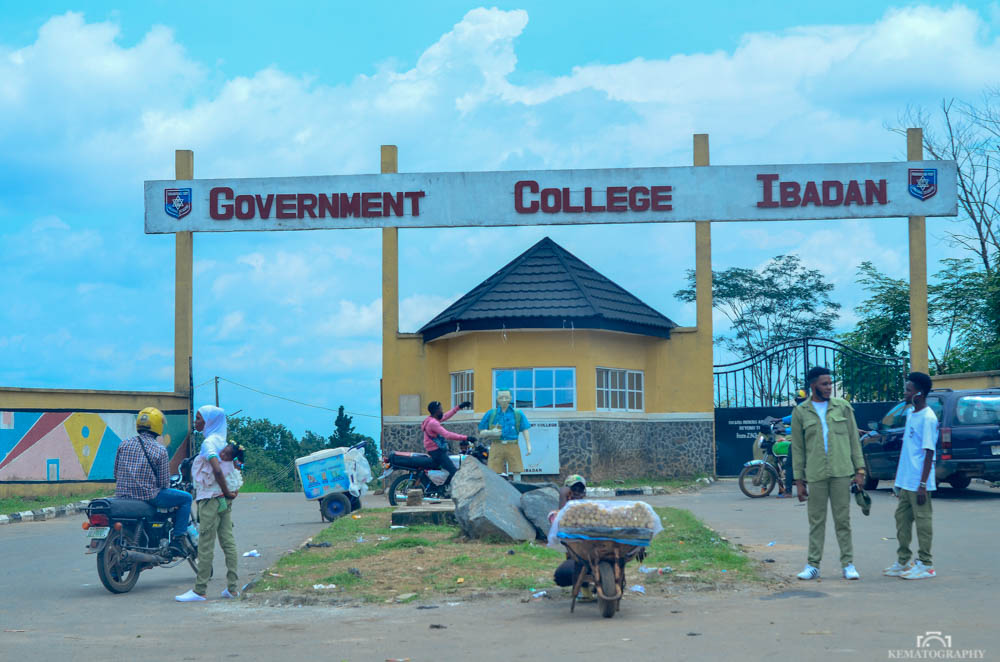
In the Yoruba heartland, Government College Ibadan became a crucible of intellectual nationalism. Unlike Lagos, where colonial influence was overt, Ibadan allowed for a blend of local pride and academic rigor. Students memorized Shakespeare, yet they also wrote essays on Yoruba history, culture, and self-governance. It was here that a generation of southern leaders—scholars, politicians, and eventually presidents—first began negotiating the tension between tradition and modernity.
Barewa College, Zaria (1921)

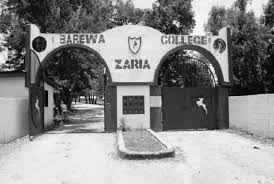
The jewel of northern education, Barewa College, was founded to cultivate leadership in a region where Western education had arrived late. Its stone buildings, wide playing fields, and disciplined routines were designed to shape boys into administrators and military officers. Unintentionally, it became the birthplace of multiple Nigerian heads of state. Barewa’s classrooms taught arithmetic and English; its dormitories taught resilience, hierarchy, and endurance.
The British intention was to create compliant civil servants. In reality, they had laid the foundation for the most influential political networks in Nigerian history.
The Cradle of Presidents: Barewa College’s Silent Empire
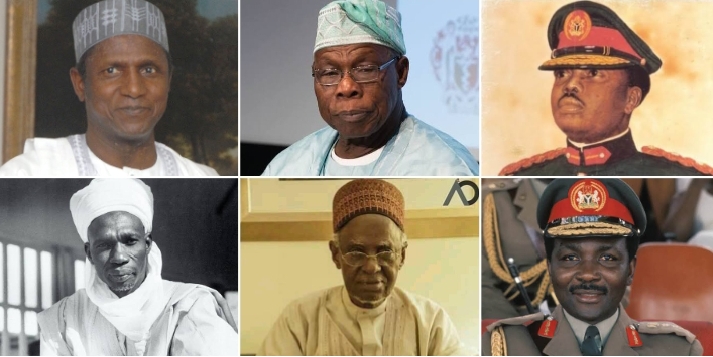
Few institutions can claim the same historical weight as Barewa College in Nigeria. It produced five Nigerian heads of state, along with countless ministers, governors, and judges.

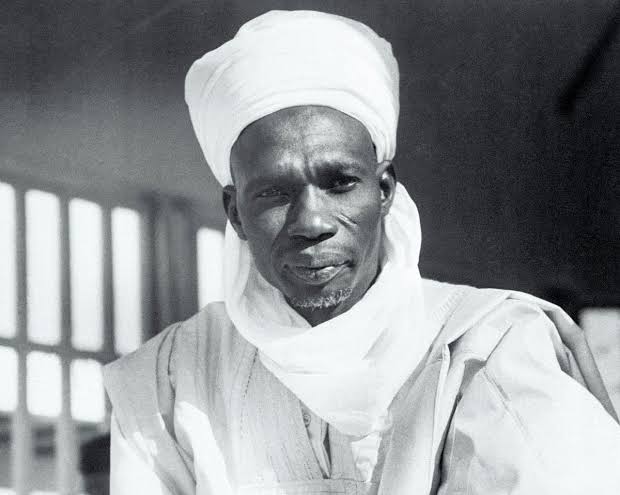
Sir Abubakar Tafawa Balewa: Nigeria’s first Prime Minister, known for his quiet diplomacy. Attended from 1928 to 1933.

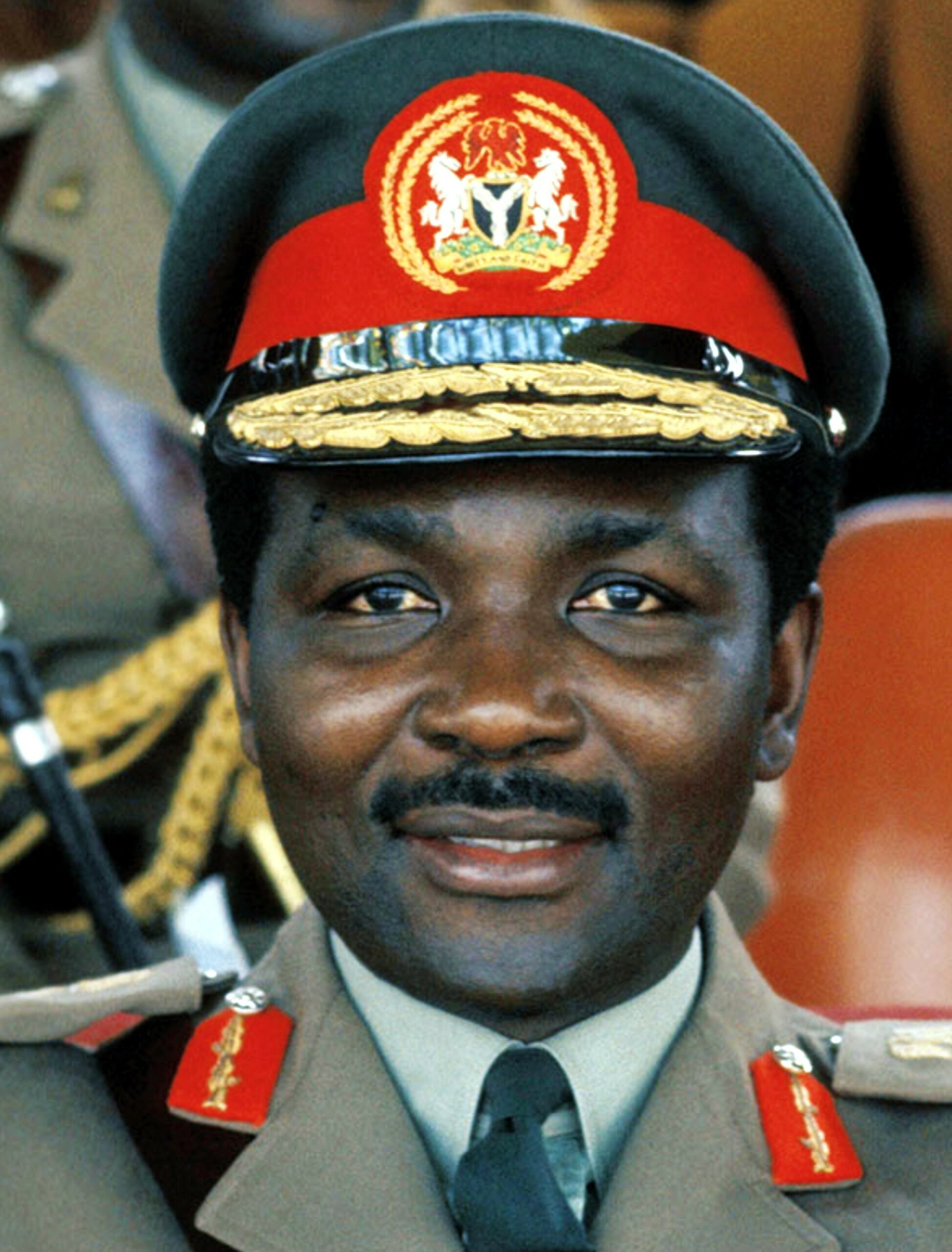
Yakubu Gowon: Military leader who navigated civil war with a mix of firmness and caution.

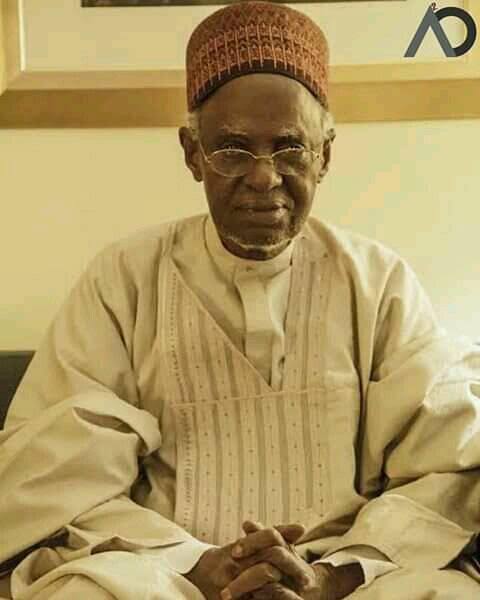
Shehu Shagari: Civilian President whose tenure bridged military and democratic Nigeria. Attended between 1941 and 1944.

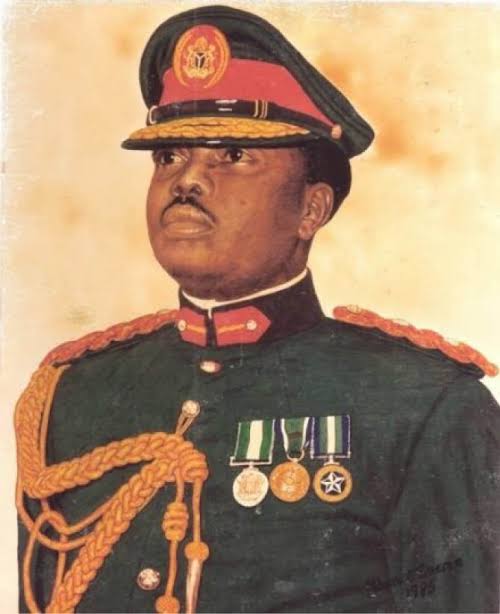
Murtala Mohammed: Charismatic, decisive, and short-lived in office, yet his influence remains legendary. Enrolled in January 1952 and graduated in 1957.

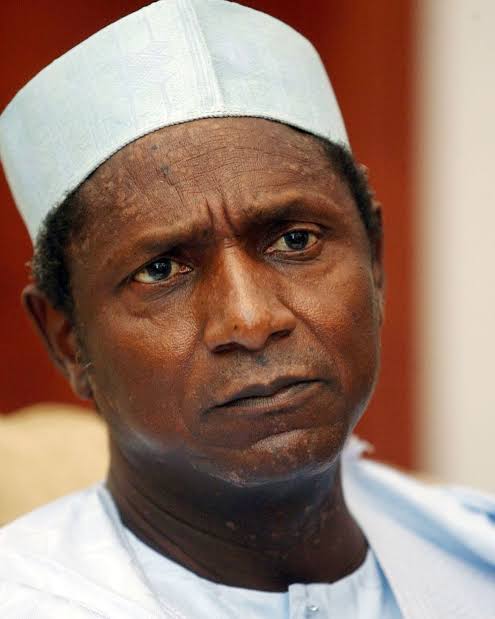
Umaru Musa Yar’Adua: Symbol of integrity and measured governance. Received his Higher School Certificate in 1971.
Barewa was more than a school; it was a forge. Boys endured cold mornings, rigorous drills, and the endless dust of northern plains. Every punishment, every drill, every test was a test of character. Survival was a badge of honor, and those who succeeded carried its imprint into adulthood.
The north relied heavily on boarding schools to produce its leaders. The vast geography, limited urban centers, and traditional hierarchies meant that elite schools were the primary pathway to power. Barewa’s influence extended far beyond its gates: it became a networking hub, a place where lifelong alliances and rivalries began.
Baptist Boys’ High School, Abeokuta


Olusegun Obasanjo’s journey through Abeokuta’s disciplined corridors offers a southern counterpart to Barewa. Here, Christian principles merged with academic rigor, teaching boys punctuality, resilience, and moral judgment. He attended between 1952 and 1957. The boarding environment forced communal living, instilled a sense of responsibility, and created networks that would later prove indispensable in political life.

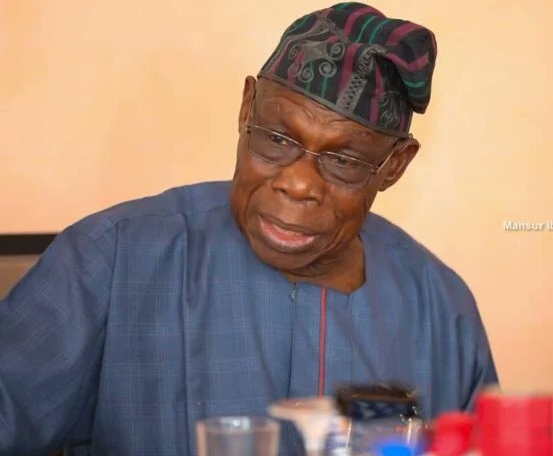
These southern schools competed in subtle ways with their northern counterparts. While Barewa emphasized hierarchy and endurance, southern schools prized intellect, debate, and moral reasoning. Yet both shared a common thread: they were elite institutions shaping the leaders of tomorrow.
Discipline, Dust, and Destiny: Life Inside the Boarding House
Life inside a boarding school was a study in endurance.
Daily routines began before sunrise. The clang of the bell summoned boys to wash, pray, and prepare for drills. Uniforms were checked, shoes polished, beds inspected. Discipline was absolute.
Communal dining emphasized equality and hierarchy. The same food was served to all; privileges were earned, not given.
Chores taught responsibility—cleaning, mending uniforms, carrying water. Small tasks became lessons in leadership and teamwork.
Harsh punishments reinforced order. Latecomers were caned; truants were isolated. The boarding house was a laboratory of character: boys learned resilience, problem-solving, and the art of negotiation.
The dust that settled in every corridor, the cracked blackboards, the worn textbooks—these were the silent architects of leadership. The same boys who endured monotony, scarcity, and stern authority would later navigate coups, political crises, and the complex machinery of Nigerian governance.
Brotherhood and Rivalry: The Bonds That Built Politics
Boarding schools were crucibles not just of knowledge, but of relationships—both nurturing and combustible. In the dormitories, boys learned the subtle art of alliances and rivalries, lessons that would echo decades later in the corridors of power.
In Barewa, for instance, friendships were forged over midnight study sessions and shared hardships during military-style drills. Tafawa Balewa and Yakubu Gowon, though years apart in age, shared an unspoken bond with their peers: the understanding that survival required solidarity. These friendships often became the backbone of political alliances in northern Nigeria, translating the loyalty of dormitories into governance networks.
Yet rivalry was just as formative. Competition for top marks, prefect positions, or sports honors instilled a hunger for leadership. Shagari and his contemporaries learned early that a slight misstep could relegate one to obscurity—a lesson that would later translate into the unforgiving world of politics. Boarding schools, in essence, were microcosms of national politics: hierarchies, negotiation, conflict, and compromise existed long before the candidates entered ministerial offices or presidential palaces.
Southern schools were no different. At Government College Ibadan, debates over colonial history and nationalist thought sometimes erupted into heated clashes. The intellectual rivalries there produced leaders who could argue, strategize, and maneuver—the hallmarks of parliamentary or executive skill. Olusegun Obasanjo’s time at Abeokuta reinforced the same lessons: cooperation and competition coexisted, and both were essential to future leadership.
In every dormitory, boys learned the delicate balance between camaraderie and competition. These bonds became invisible threads linking the leaders of Nigeria across regions, ethnicities, and political divides. When Yar’Adua chose trusted allies for his cabinet, or when Obasanjo navigated military coups, he was, in part, relying on lessons first learned over shared meals, whispered confessions, and midnight football matches under the dim light of dormitory lamps.
The Paradox of Elite Education
The boarding school system that produced presidents also embodied a deep paradox.
On one hand, these schools were engines of meritocracy. Scholarships and hard work enabled brilliant but poor boys to climb social and political ladders. Shehu Shagari, for example, rose from modest beginnings to become a key figure in Nigerian politics, demonstrating that intellect and perseverance could triumph over birthright.
On the other hand, these institutions reinforced elite hierarchies. Admission was often limited to children of chiefs, wealthy families, or selected scholars. They created an insulated “club” of individuals who would dominate political, social, and economic spheres. For many Nigerians outside these walls, such schools represented both aspiration and exclusion.
Yet paradox was inseparable from purpose. The very discipline, networks, and values that produced leaders also excluded the majority. Nigeria’s boarding schools, in effect, were both ladders and walls: they elevated some while leaving millions of others to watch from afar.
This duality extended into politics itself. Leaders who emerged from these schools often carried a sense of entitlement tempered by responsibility. They were accustomed to hierarchies, to commanding respect, yet also to collaboration with peers—a combination that shaped Nigeria’s early post-independence governance.
Decline and Decay: When the Dust Settled
By the late 1980s, the golden era of Nigerian boarding schools began to fade. Institutions that once shaped presidents were crumbling under neglect. Dormitories were dilapidated, classrooms overcrowded, and libraries bare. Teachers, once respected pillars of society, went unpaid, while students increasingly sought private tutors to supplement failing curricula.
Several factors contributed to this decline:
Underfunding: Governments shifted resources away from boarding schools to urban development projects.
Corruption and mismanagement: Funds allocated for maintenance or expansion were often siphoned off.
Overcrowding: Schools built for hundreds now accommodated thousands, diluting the quality of discipline and mentorship.
Rise of private education: Wealthy families increasingly preferred private or foreign schools for their children, creating a talent drain from public boarding institutions.
The decline was not merely physical—it was cultural. The ethos of endurance, collective responsibility, and hierarchical respect that once defined boarding school life was eroding. Students no longer marched in unison, and the evening chapel bells no longer summoned solemn reflection. The dust of history remained, but the discipline that had shaped leaders was disappearing.
Legacy of the Boarding School System
Despite decay, the boarding school legacy endures. Nigeria’s political DNA still carries traces of its disciplinary past. Leadership styles—authoritarian, hierarchical, sometimes paternalistic—reflect boarding school training. Networks formed in dormitories continue to influence politics, business, and civil service.
Alumni associations—some formal, others informal—remain potent tools for influence. For example, Barewa College Old Boys’ Association continues to wield power in northern Nigeria, providing mentorship, political support, and sometimes backing for candidates. Likewise, King’s College and GCI alumni maintain influence in the south, sustaining the connections forged decades earlier.
Beyond politics, the boarding school experience shaped a cultural ideal of leadership: stoicism, resilience, and loyalty. The ability to endure hardship, navigate hierarchical systems, and command respect were all lessons first learned in dormitories and classrooms. The dust of the playing fields became a metaphorical soil from which leaders sprouted.
International comparisons highlight the uniqueness of Nigeria’s system. While Ghana’s Achimota School and Kenya’s Alliance High School produced leaders, Nigeria’s boarding schools produced an unprecedented number of heads of state. Yet unlike Britain’s Eton or Harrow, Nigerian schools suffered from underinvestment and societal neglect, leading to the gradual erosion of this once-mighty educational pipeline.
Concluding Insight: From Dust to Destiny
As the sun sets over the old compounds of Nigeria’s boarding schools, the dust swirls once more, catching the last light of day. The iron beds, the worn textbooks, the cracked corridors—they are relics of a bygone era, yet echoes of their influence linger.
The men who walked these halls—Balewa, Gowon, Shagari, Mohammed, Yar’Adua, Obasanjo—carried the lessons of dormitories, dining halls, and dusty fields into the highest offices of the land. They understood hierarchy, endurance, camaraderie, and competition not as abstract concepts but as daily necessities.
Today, the dust remains, but the question hangs: will the next generation of leaders emerge from the remnants of these schools, or has destiny shifted to new classrooms—private academies, foreign universities, and digital spaces—far removed from the grit and discipline of Nigeria’s historic boarding institutions?
Perhaps, somewhere in a crumbling dormitory, a boy stirs beneath a khaki blanket, unaware that the dust settling around him may yet become the foundation of destiny.