


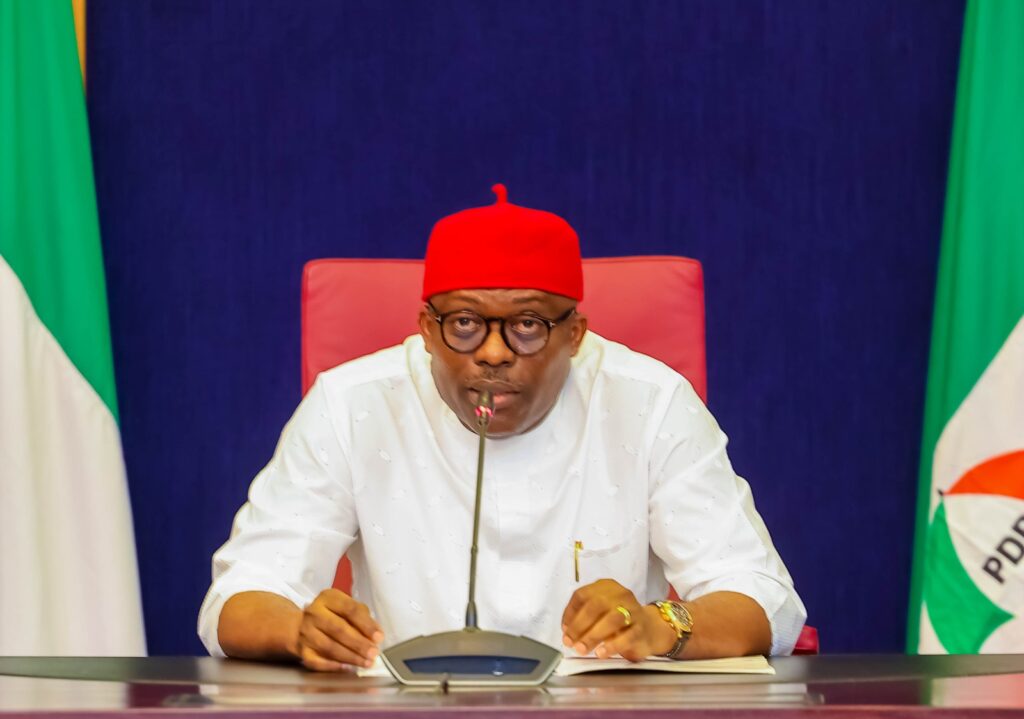
The six-month emergency rule declared in Rivers state has lapsed, reopening the stage for a return to democratic governance.
The minister of the federal capital territory, Nyesom Wike, who governed the state for eight years, had hinted that the conditions for lifting the emergency were in place.
On March 18, President Bola Tinubu announced the suspension of Governor Siminalayi Fubara, his deputy Ngozi Odu, and the Rivers state house of assembly.
Tinubu said he made the declaration after political hostilities between key actors turned into a crisis that threatened law and order.
ROOTS OF THE CONFLICT

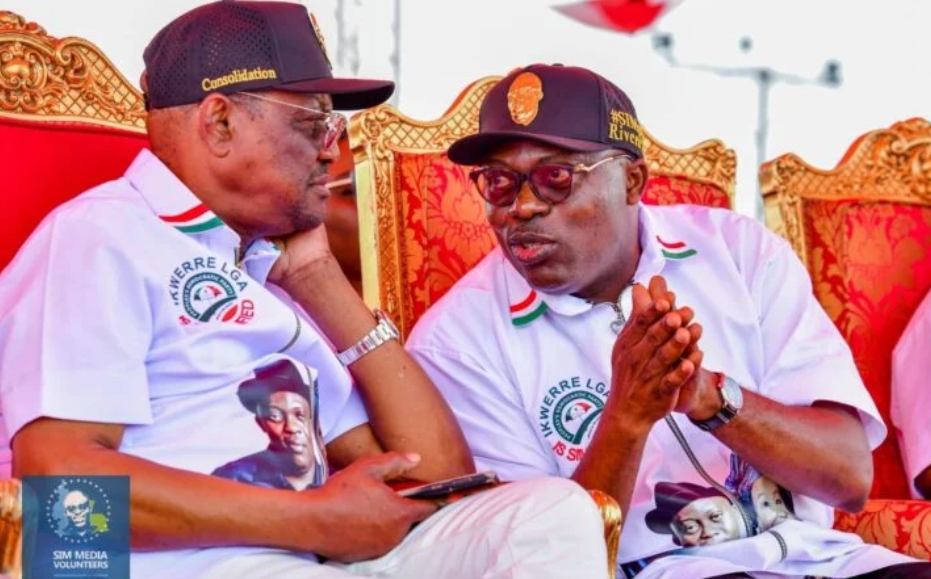
The disagreement between Wike and Fubara started in October 2023, only months after Fubara assumed office.
It centred on control of the state’s political structure, with both men commanding loyalty from different groups in the Peoples Democratic Party (PDP).
This rivalry quickly spread to the legislature, leaving the state divided along two power blocs.
ASSEMBLY FIRE AND DEMOLITION
On October 29, 2023, a section of the assembly complex in Port Harcourt went up in flames after an explosion.

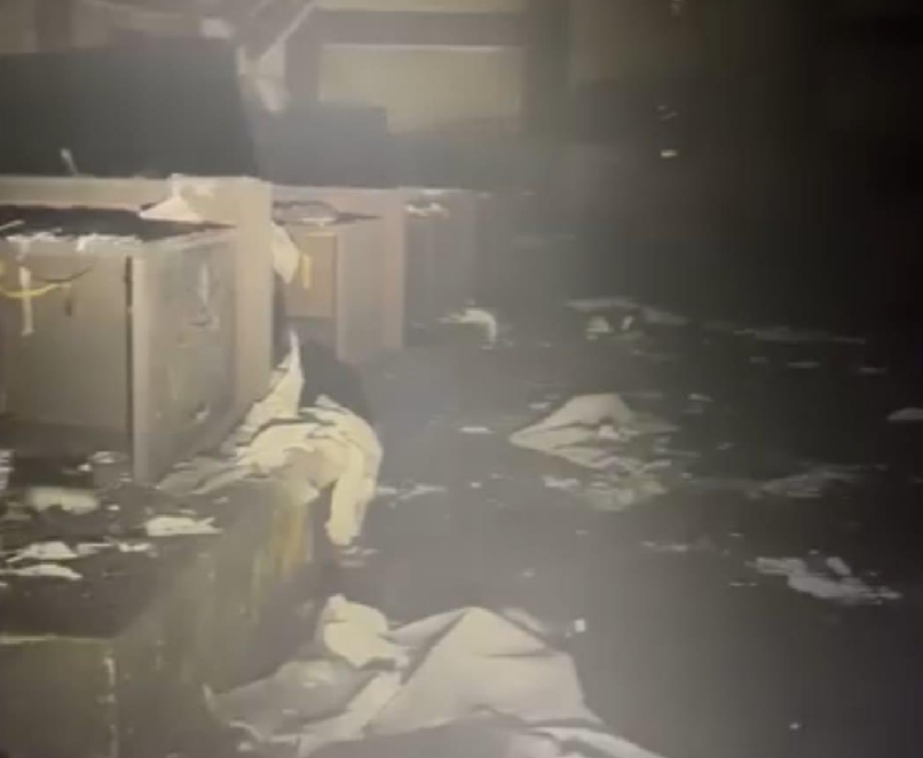
The incident paralysed legislative sessions and intensified the hostilities.
Weeks later, in December, the Fubara administration brought down the assembly building, saying it was no longer safe for use.

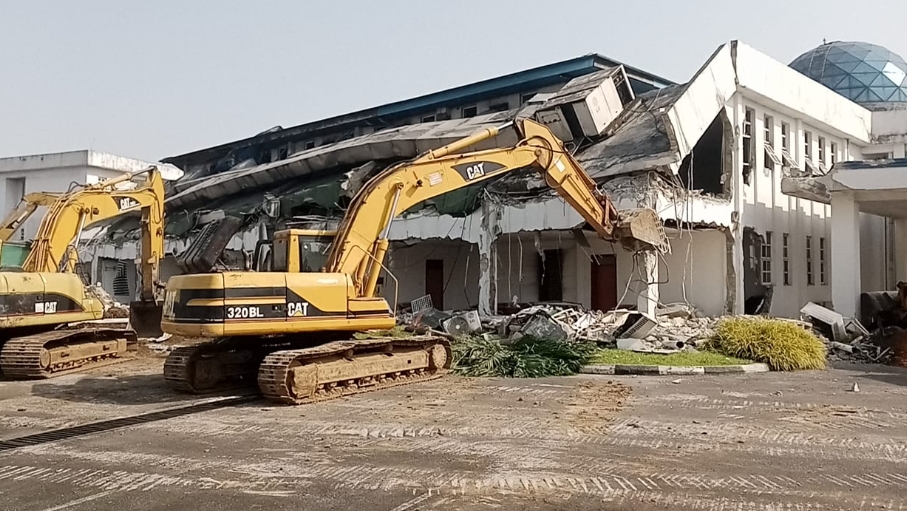
Officials described the demolition as part of plans to renovate the structure, but critics alleged it was aimed at weakening the opposition’s control in the chamber.
ABUJA PEACE MEETING
To calm the rising tension, President Tinubu invited both camps to the Presidential Villa on December 18, 2023.

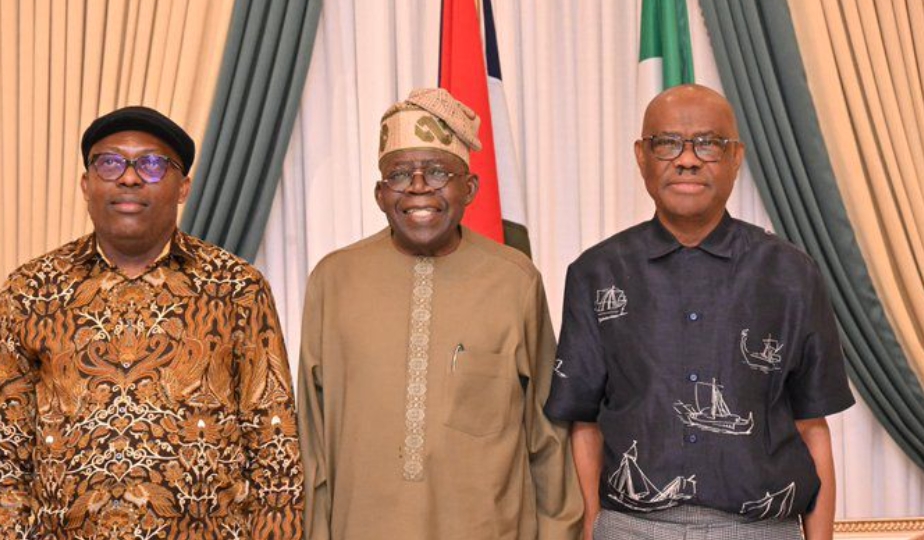
At the meeting, an eight-point pact was signed, including a clause that impeachment proceedings against the governor would be dropped and that Martin Amaewhule be recognised as speaker.
Despite the truce, the agreement collapsed within weeks.
Fubara later claimed he was pressured into signing and insisted that Wike’s loyalists failed to comply with the terms.
BUDGET ROW AND COURT ORDERS
The absence of a functional assembly stalled budget presentation in 2024.
When Fubara eventually laid the 2025 budget before a parallel assembly led by Victor Oko-Jumbo, the Amaewhule group went to court.
In February 2025, the supreme court ordered the Central Bank of Nigeria (CBN) to withhold Rivers’ monthly allocations until the governor submitted the budget to the Amaewhule-led lawmakers.
Though Fubara promised to obey, he was later denied access to the assembly quarters to present the document.
COUNCIL ELECTIONS CRISIS
In October 2024, the Rivers electoral body conducted local government polls.
The elections attracted criticism and were later annulled by the supreme court for failing to meet legal standards.
The judgement added to growing doubts about the credibility of political institutions in the state.
COMPETING ASSEMBLIES
In December 2023, a Rivers state high court declared Edison Ehie, a loyalist of Fubara, as the authentic speaker of the house.
The court also stopped Amaewhule and Dumle Maol from acting as presiding officers.
Ehie subsequently declared 25 seats vacant following the defection of 27 lawmakers, further fracturing the legislature.
CABINET RESIGNATIONS
Tensions inside the state cabinet mirrored the assembly dispute.
Between December 2023 and May 2024, several commissioners loyal to Wike resigned, citing pressure and hostile work conditions.
Among them were Chinedu Mmom, commissioner for education; Gift Worlu, commissioner for housing; and Inime Chinwenwo Aguma, commissioner for social welfare.
IMPEACHMENT ATTEMPT
In March 2025, lawmakers initiated impeachment proceedings against the governor.
They accused him of financial mismanagement and misconduct, listing 19 allegations.
The impeachment bid signalled the climax of the political confrontation.
TINUBU STEPS IN
On March 18, 2025, President Tinubu declared emergency rule in Rivers, naming Ibok-Ete Ibas as sole administrator of the state.
The intervention sidelined both the governor and the legislature.
SEARCH FOR PEACE
By June 2025, Tinubu again summoned Fubara and Wike to Abuja.
After the meeting, both men declared that they had agreed to bury their differences and work together.
As the emergency rule ends and Fubara returns to office, the question for many residents is whether the fragile peace can last.
Observers say the political future of Rivers will be shaped by how both camps handle the renewed opportunity for reconciliation.