


The recycling industry in Nigeria continues to face severe challenges despite growing concerns over waste management.
Inadequate funding, poor infrastructure, and weak policy implementation have significantly hindered the growth of the sector.
Most recycling companies operate on minimal budgets and rely heavily on private investment, which limits expansion and operational efficiency.
The sector, which has the potential to generate employment and reduce environmental hazards, struggles to attract long-term financing.
Without proper incentives and regulatory frameworks, recycling continues to be treated as a low-priority activity.
Public awareness about recycling remains low across both urban and rural areas, contributing to the sector’s stagnation.
Many households still mix recyclables with general waste, making it difficult for operators to source raw materials efficiently.
In countries where recycling is effective, government policies and community education play a crucial role in shaping citizen behaviour.
Over 32 million tonnes of waste are generated annually in Nigeria, with only a fraction recycled into usable materials.
Most waste ends up in landfills or water bodies, causing environmental and health hazards.
Urban centres such as Lagos, Port Harcourt, and Abuja face worsening waste management crises due to population growth and unregulated disposal methods.
Formalising informal waste collectors could help improve efficiency and output in the recycling sector.
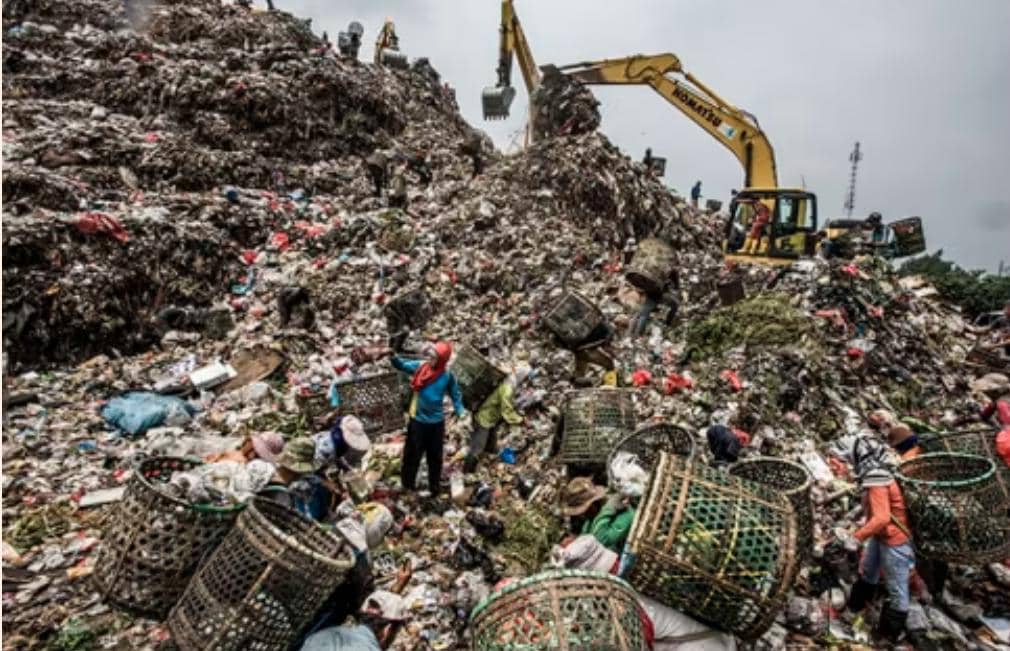
Many scavengers and small-scale operators collect recyclables but lack access to proper processing facilities or market connections.
Supporting informal collectors with training, equipment, and incentives could bridge the gap between waste generation and recycling output.
Governments at state and federal levels need to provide tax breaks, grants, and low-interest loans for recycling firms to sustain operations.
Some private companies have initiated recycling programmes but frequently encounter operational bottlenecks, including unreliable electricity and irregular collection schedules.
Logistical challenges, such as poor road networks, delay collection and transportation of recyclables, increasing operational costs.
Recycling plastics, paper, and metals has the potential to significantly reduce environmental pollution if properly managed.
The lack of integrated systems linking collection, processing, and manufacturing remains a major setback for the industry.
International organisations have highlighted the need for stronger policy frameworks to promote recycling in Nigeria.
Effective recycling reduces landfill pressure and creates economic opportunities, making government intervention necessary.
Partnerships between governments, private firms, and communities are recommended to strengthen recycling supply chains and ensure sustainable operations.
Despite these recommendations, implementation of national recycling policies has been slow, and few states enforce strict regulations.
Initiatives to segregate waste at source have been launched in some areas, but enforcement and follow-up mechanisms remain weak.
Recycling education in schools and communities is seen as a long-term solution to change public behaviour and promote sustainability.
The informal recycling sector also faces social stigma, as workers are often viewed as low-income earners, limiting participation in formal systems.
Public perception about waste management jobs needs to improve for the sector to develop sustainably.
Creating a viable market for recycled products is necessary to attract investment and encourage operators to expand operations.
Without demand for recycled goods, materials cannot be sold at profitable rates, discouraging new entrants and growth.
Some industries have started using recycled inputs, particularly in packaging and construction, but these remain limited and isolated.
A comprehensive national recycling policy that integrates public education, incentives, and enforcement is essential for long-term success.
Such a policy would ensure recyclables are collected, processed, and reintroduced into the economy systematically and efficiently.
Until these measures are implemented, the recycling sector in Nigeria will continue to be underdeveloped and largely treated as an orphan industry.