


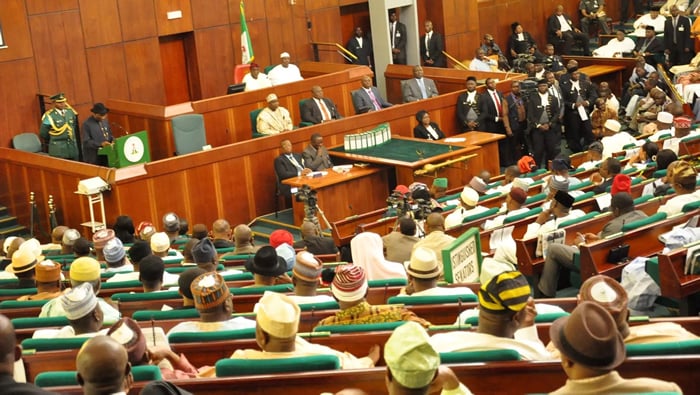
The national assembly is constitutionally mandated to oversee the activities of the executive branch.
Legislative oversight is intended to ensure transparency, accountability, and adherence to the law.
Committees within the national assembly are tasked with examining policies, budgets, and public projects.
Public hearings and inquiries provide a platform for scrutiny of government programmes.
The effectiveness of oversight is often influenced by the availability of accurate information from government agencies.
Capacity limitations, including staffing and technical expertise, affect the depth of investigations.
Timely access to data and documents is essential for committees to perform their functions effectively.
Budgetary allocations to support legislative operations can impact the thoroughness of oversight activities.
Regular monitoring of executive actions allows the national assembly to identify inefficiencies and irregularities.
Oversight also involves evaluating whether laws passed are being properly implemented by government ministries.
Interactions between legislators and the public help to highlight areas requiring attention and reform.
Reports generated by oversight committees provide recommendations for corrective actions.
The follow-up on recommendations is a key factor in determining the impact of legislative oversight.
Coordination between the two chambers of the national assembly is crucial for consistent oversight practices.
Legislative debates and question sessions allow members to seek clarifications on executive decisions.
Investigative powers, including the ability to summon officials, support the enforcement of accountability.
Legal frameworks define the scope and limitations of oversight activities carried out by the legislature.
Oversight also extends to government-owned enterprises and statutory bodies to ensure proper management.
Challenges such as delays in report submissions can reduce the effectiveness of legislative scrutiny.
Political considerations sometimes influence the priorities and intensity of oversight exercises.
Public awareness and media coverage can enhance the impact of legislative oversight on governance.
The national assembly relies on expert advice and research units to strengthen its investigative capacity.
Audits conducted by external agencies provide additional data for oversight purposes.
Oversight mechanisms are increasingly being supported by digital platforms and technology tools.
Comparative analysis of budgets and expenditure reports helps identify discrepancies and mismanagement.
Collaboration with civil society organisations can amplify the reach and relevance of oversight findings.
Oversight is not limited to financial matters but includes social, environmental, and security policies.
Capacity building and training for legislators enhance the quality and effectiveness of oversight functions.
The frequency and consistency of oversight activities determine their influence on government accountability.
Institutional memory, including archives of past investigations, supports continuous and informed oversight.
Feedback loops between committees and the executive ensure that identified gaps are addressed.
Legislative oversight also contributes to policy refinement and the prevention of systemic errors.
Performance indicators and benchmarks help measure the success of oversight initiatives.
Independent evaluations and audits of oversight activities can provide insights for improvement.
Legislative oversight is strengthened when aligned with international best practices and standards.
Challenges such as limited public engagement can restrict the scope and impact of oversight work.
Effective oversight requires a balance between rigorous scrutiny and constructive collaboration with the executive.
Transparency in reporting and communication enhances public trust in the legislature’s role.
Periodic reviews of oversight frameworks help identify areas for procedural and structural improvement.
Oversight is most effective when it is proactive rather than reactive to emerging issues.
The ability to influence policy decisions and corrective measures reflects the strength of legislative oversight.
In conclusion, the effectiveness of the national assembly in oversight depends on institutional capacity, access to information, legal authority, and consistent follow-up.
Sustained support for legislative processes, capacity building, and public engagement are central to enhancing oversight and promoting accountable governance.