


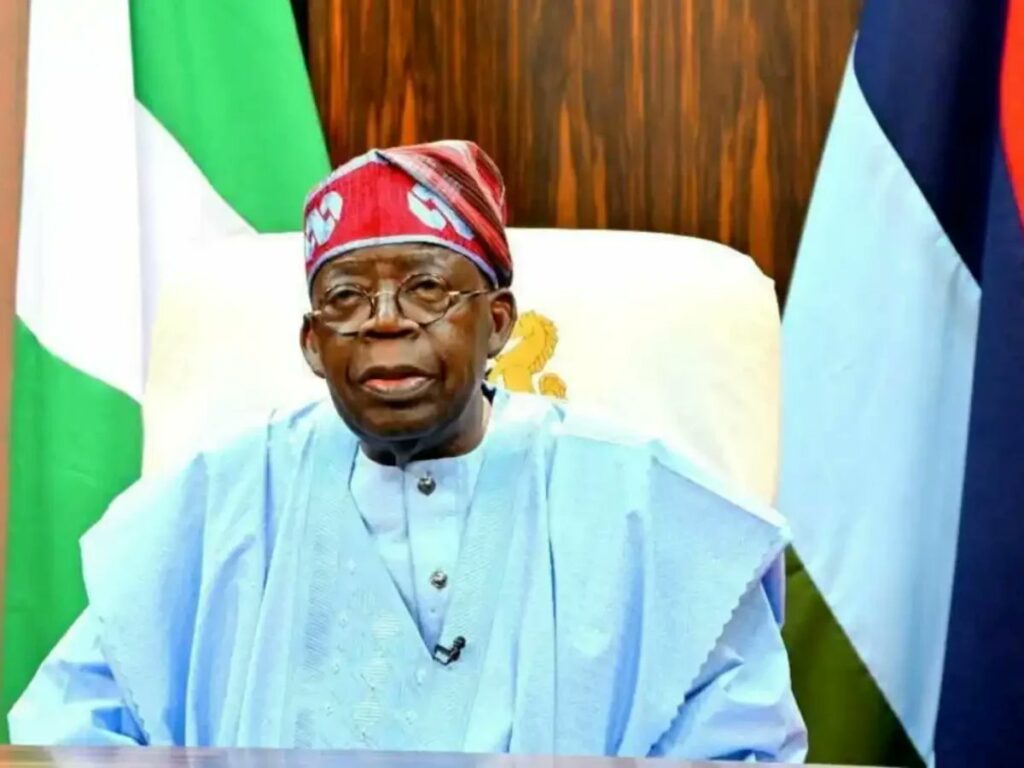
The framers and drafters of the Nigerian constitution included a presidential pardon in the codified legal instruments and set of laws governing the country. A presidential pardon is a prerogative of mercy that allows a president to forgive and release those convicted of crimes who have served a considerable period in prison. Since the constitution did not explicitly state how a president can deploy and wield a presidential pardon or the type of convicted criminals that should get it, it somewhat behoves those who have the power to grant clemency to do so with tact, discretion and grace.
A president granting a pardon must weigh the mood of the nation, must gauge the feelings of the people, must take into cognisance and reflect deeply on the severity of the crimes committed by the beneficiary of the pardon in relation to their impact on the people and the state. All these must also be done in the context of the socio-economic reality of the people, the antecedents of the president and the circumstances surrounding his ascension to power.
On Saturday, the presidency announced that President Bola Tinubu has granted clemency and pardon to 175 convicts and former convicts. The president’s prerogative of mercy includes posthumous pardons, clemencies, commutations, and conversions of death sentences to life imprisonment. Many Nigerians did not really pay attention or think much of the pardons when it was first announced, and why should they? The constitution, after all, grants the president the power to pardon convicts and give them a chance to turn a leaf and start afresh. However, as the full details of the presidential pardons and identities of the beneficiaries became public knowledge and the impact of the president’s decision sank in, the insouciance of many quickly turned into dismay, shock and outrage.
On the surface and at first glance, the list projects forgiveness and genuine acts of compassion. The language is that of altruism, national healing and forgiveness, but a deep dive into the list and the crime committed by some of its beneficiaries reveals something disturbing and profoundly abhorrent. A cursory look at the list showed that seventy individuals, which represents 40% of the 175 persons granted pardon, are convicted and sentenced for drug-related crimes. 60 are convicted illegal miners. 30 are serving jail terms for financial and white collar crimes. 25 individuals are in prison for violent and criminal offences. Property hijacking and maritime convicts are 10 in number. 6 persons convicted for arm-related offences get pardoned. And four are in prison for human trafficking.
In what appears to be a palpable move to water down the unconscionable crimes for which many of the beneficiaries of the pardons are behind the bars, evade public opprobrium and extract some legitimacy, the government added names of late influential, inimitable and exemplary Nigerians, like Herbert Macaulay, Major General Mamman Jiya Vatsa, and the Ogoni Nine — whom many reckoned were just victims of tyranny, oppression and injustice and did not deserve the fate that befell them — to the list of the pardoned. To lump these men of conscience, profound conviction and national heroes with convicted, hardened but powerful and connected criminals, whose actions have eroded our cohesion and undermined our stability as a nation, is to desecrate their memories and sully their legacies. By crowding these two distinct groups of personalities together, Tinubu’s government was drawing a diabolical and sickening equivalence, using forgiveness of hideous crimes as political leverage under the guise of clemency and national reconciliation.
The sheer number of pardoned drug-related convicts raises serious questions about the symbolism of this act. For a president who has been perennially dogged by a drug trafficking indictment from his 1993 U.S. civil forfeiture case involving alleged narcotics proceeds, forgiving and granting clemency to a deluge of convicted drug traffickers at best comes across as a jarring lack of self-awareness and at worst a petrifying endorsement of their crime. Such startling disregard for optics portends dangers for our polity. Pardon for “remorseful drug offenders” under a presidency bludgeoned by accusations of involvement in the narcotic trade inevitably reads like a quid pro quo arrangement. It decimates public confidence and erodes moral authority at the highest level of governance.
This presidential pardon is not rooted in compassion and healing, it’s a political gambit and gamesmanship. Major S. Alabi Akubo, a former military officer, is one of the living beneficiaries of the clemency. He was convicted for the theft and selling of over 7,000 military rifles to militants, a treasonable offence that plunged the volatile Niger Delta into decades of violent insurrection and devastating insurgency that destroyed pipelines and oil installations, hampering the production of crude oil which contributes over 70% of Nigeria’s revenue and crippling the economy in the process. He was sentenced to life imprisonment. To pardon this enemy of the nation is to reward economic saboteurs and legitimise treachery. The decision will leave a sour taste in the mouth of uniform men who still fight and die for Nigeria. It tells them that betraying your country is not a heinous and grave crime that should warrant capital punishment and that it is something they can indulge in, that the indefensible crimes and sins of saboteurs and double agents can one day be forgiven under the general rubric of contrition and remorse. The president’s decision is also a betrayal of the troops he leads as Commander-in-Chief of the armed forces.
Equally worrisome and disconcerting is the inclusion of Farouk Lawan, a former federal legislator whose corruption scandal during the 2011 fuel subsidy probe remains a stain on Nigeria’s democratic fabric. To pardon a paragon of corruption and malfeasance while extolling the virtues of integrity, honesty, and fiscal discipline is a caricature of justice. Maryam Sanda, who murdered her husband in cold blood in his sleep and was subsequently convicted and sentenced to death for murder, also made the cut. She rides sidesaddle with activists, revolutionaries and reformers on the clemency and forgiveness wagon. Whatever one’s belief in penitence and rehabilitation, such an addition is an affront to the sensibilities of Nigerians and reveals a perilous stretch of our moral logic.
It is troubling and heartbreaking that figures like Kelvin Oniarah (aka Kelvin Ibruvwe) also made the list. The kidnap kingpin masterminded the abduction of Chief Mike Ozekhome, SAN. Four policemen were killed during this operation. He was convicted and sentenced for the incident. He appeared among those whose terms were reduced under the clemency list. According to reports, his jail term was shortened as part of the package. A federal court sentenced some of Ozekhome’s kidnappers to long jail terms as recently as 2023, a hard-won legal and prosecutorial victory for prosecutors and investigators who risked their lives to secure it. Pardoning men who unleash terror and spearhead campaigns of terror against their fellow countrymen is deeply unsettling, it does more than downplay the crimes of perverse elements and changing the slant of documented crimes, it exposes the very people who did the arduous and risky work of putting them away: prosecutors, investigators, witnesses and the officers who arrested them. Those public servants and their families will now have to start looking over their shoulders as they face a heightened threat to their lives.
Even more distasteful and repulsive is the way the pardon exercise is being deployed to conveniently airbrush history. The Ogoni Nine did not commit any crime; they were hastily prosecuted by a kangaroo military court on trumped-up charges of sedition and treason and summarily executed by a murderous, repressive regime of General Sani Abacha. They don’t need clemency or pardon, what they need is true justice. They need vindication. They need exculpation. A pardon connotes guilt, it indicates wrongdoing that the state has now decided to forgive. But Ken Saro-Wiwa and his comrades were victims of a nation that was and still at war with itself. They were seen as expendable agitators by a draconian and repressive regime that brutally murdered them for fighting a just cause, for demanding justice for their people and their land that was destroyed by the inhumane and destructive activities of international oil companies that were prospecting for oil in the Niger Delta region. Their inclusion smears the memory of their struggle and reduces an enduring social and moral scar to a tool of cutthroat power play. The same state that brazenly denied them justice in life now arrogates to itself the power to alter and reshape history by gleefully handing out pardons to them in death to appropriate the chilling, mindbending injustice they suffered for selfish political gains.
This is not pardon, it is a political scheme and gamesmanship wrapped in the tinfoil of the prerogative of mercy. A state that pardons treason, excuse corruption, forgives homicide, and drug trafficking under the pretext of peace, stability and unity teaches its people that justice is erratic and subject to the whims of a megalomaniac power hungry leader, that law can be bent, tweaked and adjusted to suit the need of selfish leaders, that punishment is merely short-term. It signals to the elite that consequences are impermanent and that impropriety can always be overlooked for political convenience.
The result is crushingly catastrophic for the rule of law. When the president can overturn the judgment of courts to pacify associates or rewrite legacies, the entire judicial system becomes a mockery. It breeds pent-up discontent and demoralisation for security forces. It fuels resentment and disillusionment in citizens. For criminals, itwell-connectedddence in their ability to game the system and drives encouragement. It tells all who are watching that in Nigeria, justice can always be jettisoned and law can be trampled upon if you hobnobb and break bread with those in power.
For a country trying to shore up its battered image on the International stage and convince a largely distrustful world that views with disdain and suspicion that Nigeria is a properly run nation, this presidential pardon list further inflicts more damage on the standing and image of the country and tears into its wobbly and shaky credibility.
What investors and observers will see in this pardon list is not a nation trying to disengage from the uninspiring and cheerless ways of doing things in the past, not one trying to heal and reconcile but that which its political class protects its own. It further reaffirms the notion that Nigeria’s leadership is more concerned about the form and appearance of justice than its substance.
The message is clear and unambiguous: in this beautiful nation of ours, commit the crime and you will be protected from doing the time. Have friends in high places, and the law will eventually bend for you.