



There is a peculiar hush that settles over the nation every time admissions season begins. It is not the quiet of emptiness but a suspended breath, a pause in which hopes stretch taut like wires over uncertain ground. Parents, students, and educators move through their days with a shared tension, invisible yet palpable, as if the air itself is charged with anticipation.
No one speaks openly of what will come, yet everyone feels its presence—the subtle tightening of the chest, the whispered calculations, the restless scrolling through online portals that will ultimately decide futures. This is the hour before dawn, where possibilities are not yet illuminated and fears have not yet fully materialized.
In 2025, that silence became heavier. Whispers of policy changes floated through classrooms, libraries, and offices, hinting at a transformation that would touch the lives of hundreds of thousands of students. Yet the details were a mystery, kept behind official communiqués and digital portals. The country held its breath, awaiting a revelation that promised order but carried the weight of uncertainty.
It is in this suspended moment that the story of JAMB’s new admission policy begins—not with numbers or memos, but with the tension of a nation on the edge, sensing that something in the system, once familiar and predictable, was about to shift.
Shadows in the Framework: The Policy as Architecture
The new policy, unveiled with meticulous formality, is a scaffold invisible yet formidable. At its heart is a national ranking system, a mechanism that measures students not solely by raw scores but by their position relative to others. Merit, in this formulation, is relational—each point gained or lost echoes against a chorus of peers across Nigeria, a shifting ladder whose rungs change daily.


Age, too, became a threshold: a minimum of sixteen years to enter university. This decree is simple in language but heavy in consequence, transforming the calendar into a silent arbiter of opportunity. Ability and ambition are now weighed against birth certificates, the tick of time itself deciding who may advance and who must wait.
The cut-off mark of 150 is the policy’s baseline, a numeric line drawn across the country. Uniform, impartial in appearance, it masks the uneven terrain of preparation, resources, and circumstance. A student in a well-equipped city school faces the number differently than one in a rural village, where textbooks are scarce and electricity unreliable. The line is the same, but the ground beneath it is not.
Finally, strict deadlines dictate the rhythm of progression: public universities conclude by October 31, private institutions by November 30, and other tertiary schools by December 31. These dates pulse silently across calendars and devices, enforcing order yet creating pressure. Policy, structured and elegant on paper, casts long shadows across human lives in practice, shaping futures with invisible hands.
The Portal as Arbiter: Technology Meets Destiny
The portal hums softly, a digital heartbeat felt in rooms from Sokoto to Lagos. On the surface, it is simply a website, an instrument for registration and verification. But for the students of 2025, it is something more: a living judge, a silent witness to dreams balanced on the precipice of possibility.
Every login is a ritual, every click a prayer. Fingers hover, hearts race, and eyes dart across instructions, rankings, and cut-off scores. The portal is indifferent, yet it carries the weight of countless human stories: hours of study, whispered prayers, families stretching every naira to purchase one more practice guide. In its binary logic, it holds the fragile architecture of a nation’s hopes.
Server crashes, logouts, and slow connections transform the act of registration into a test of patience, endurance, and strategy. A frozen page or a lost submission is not just an inconvenience—it is a potential derailment, a moment when months of preparation hang in uncertainty.
Within this quiet crucible, students learn new skills: anticipation, improvisation, and resilience. The portal is no longer merely technological; it is a stage on which determination meets unpredictability, where human will negotiates with the precision of code, and where the first fractures and triumphs of the policy begin to emerge.
Geography’s Shadow: Unequal Ground
Nigeria’s map is stitched with promise, yet that promise is unevenly distributed. In 2025, the JAMB policy treats all students equally on paper, but geography whispers a different story. Urban centers hum with resources: libraries stacked with past questions, reliable electricity, and tutors at every corner. Rural towns pulse quietly beneath flickering lights, students studying by candle or generator glow, their ambitions straining against infrastructure gaps.
In the north, a student waits hours at a cybercafé, fingers poised, heart hammering, hoping the portal holds under the inconsistent power supply. In contrast, Lagos or Abuja candidates log in from air-conditioned rooms, portals obedient, connections steadfast. The policy is uniform, but the terrain beneath students’ feet is jagged, shaping outcomes before they can even begin.
Preparation materials add another layer. A textbook costing one thousand naira in Lagos might double when transported to remote towns; online tutorials require bandwidth and devices often unavailable outside urban centers. Merit, though numerical, bends under these invisible pressures, reflecting inequality as much as talent.
Yet resilience thrives in the margins. Students improvise, form study circles, and share scarce resources. Geography may define starting points, but resourcefulness redraws the finish line. In the shadow of uneven ground, determination becomes as vital as ability, and ingenuity flourishes where infrastructure fails.
Time’s Tyranny: Deadlines as Judges
Time in 2025 is no longer just chronological—it is a silent judge, impartial yet unforgiving. The October 31 deadline for public universities, November 30 for private institutions, and December 31 for other schools are more than dates—they are the pulse of opportunity, dictating who advances and who waits.
Students in towns and cities alike feel its pressure. In cybercafés and classrooms, fingers race against the clock, eyes flicker between portal screens and wall clocks, hearts synchronized with countdowns. Every lost minute becomes a weight; every delay, a potential fracture in the architecture of ambition.
Universities, too, feel the tyranny of time. Admissions officers balance national rankings, internal quotas, and verification of age and documents under immense pressure. The deadlines are structural, but the human labor to enforce them is immense, turning the policy into a test of endurance for both students and institutions.
Time reshapes behavior. Students learn to anticipate glitches, families rearrange schedules to accommodate portal access, and institutions stretch resources to meet deadlines. The clock, impartial yet unyielding, becomes a central character in this story, dictating rhythm, urgency, and tension across the nation.

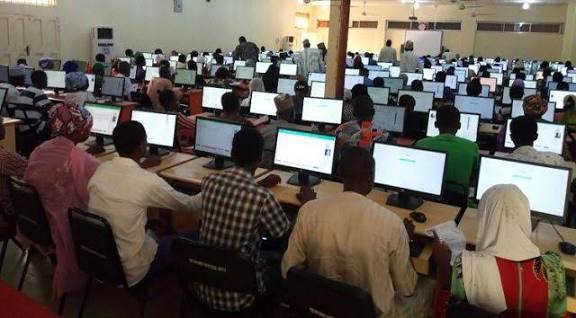
Merit’s Mirror: Numbers vs Human Reality
Merit, codified numerically, reveals its complexity under the 2025 reforms. National rankings, cut-off marks, and age verification provide structure, but they cannot capture the lived effort behind them. A score of 160 may signify triumph for one student and heartbreak for another, depending on access, preparation, and circumstance.
This mirror of merit reflects more than ability; it reflects inequality. Students from urban centers benefit from stable infrastructure and abundant resources, while rural students contend with limited access to textbooks, power, and internet connectivity. The same policy interacts differently with each context, amplifying advantage or disadvantage subtly but profoundly.
Families, counselors, and communities interpret this mirror, translating rankings into possibilities, expectations, and contingency plans. Merit is no longer a static measure—it is relational, contingent, and deeply human. The numbers are precise, but their impact ripples across emotions, decisions, and futures in ways policy alone cannot predict.
In this tension between numerical clarity and human complexity, merit becomes metaphorical: a lens reflecting both talent and the unmeasured qualities of perseverance, ingenuity, and resilience. The double-edged sword of the 2025 policy is most visible here, where opportunity and constraint intersect in fragile balance.
Families and Counselors: The Hidden Ecosystem
Behind every student navigating the 2025 reforms stands a network of quiet labor: parents stretching resources, counselors translating policy into action, siblings sharing scarce devices. Families are anchors, providing emotional and practical support amid the turbulence of deadlines, rankings, and portal failures.
Electricity is rationed to allow evening registration; travel to distant cybercafés consumes hours of labor. Financial sacrifices intersect with emotional investment, amplifying the stakes of every submission. The family, silent yet relentless, becomes the buffer between policy and consequence, translating abstract regulations into lived reality.
Counselors mediate between expectation and feasibility, offering guidance, reassurance, and strategies to navigate uncertainty. Their labor, often invisible, stabilizes students’ fragile hopes, shaping decisions, smoothing anxieties, and preventing collapse under the weight of the new system.
Together, these human networks transform the impersonal policy into a lived experience. Students act, families anchor, counselors navigate; the nation’s ambitions are enacted not solely through portals and deadlines, but through the care, ingenuity, and quiet sacrifice of those standing behind each child’s desk.
Institutional Adaptation: Universities on the Edge
Universities across Nigeria faced the 2025 JAMB reforms like captains steering through uncharted waters. Public institutions, already burdened by overcrowded lecture halls and aging infrastructure, now contended with a national ranking system that demanded precision, speed, and impartiality. The October 31 deadline loomed like a storm cloud, pressing staff into long hours, tense meetings, and meticulous cross-checking of thousands of records.
Private universities, more agile but constrained by smaller administrative teams, grappled with their November 30 cutoff. Admissions officers became translators between policy and reality, reconciling merit-based ranking with donor expectations, legacy students, and regional representation. Each decision carried consequence, shaping the futures of thousands while testing the limits of human judgment against the rigid architecture of regulation.
Age verification introduced unforeseen complexity. Birth certificates arrived with errors, missing dates, or discrepancies that triggered intense scrutiny. Administrators worked late into the night, manually cross-referencing records, calling families, and correcting anomalies. The policy, clear in language, became a living challenge in implementation, exposing the tension between bureaucratic precision and human imperfection.
Through adaptation, universities became co-authors of the policy’s outcome. Their choices, improvisations, and corrections transformed abstract rules into lived realities. The policy’s scaffolding was only as strong as the hands that navigated it—hands stretched, overworked, yet striving to maintain fairness and order amid the pressures of an unforgiving schedule.
Policy Debates: Reform in the Public Eye
The reforms of 2025 did not exist in isolation; they ignited national debate, shaping discourse across media, classrooms, and social platforms. Supporters hailed the ranking system as a triumph of transparency, promising to reward merit rather than regional favoritism or legacy influence. Critics countered that it exacerbated inequities, privileging students with access to urban resources while sidelining those from underfunded regions.
The age requirement sparked philosophical discussion. Could brilliance be denied to prodigies, while older peers of lesser ability gained admission? Think tanks, social commentators, and community leaders dissected the policy from multiple angles, blending technical, ethical, and societal considerations into a layered conversation.
Parents, students, and educators amplified their voices through social media, creating threads that dissected cut-off marks, deadlines, and portal failures. Each post, comment, and shared article became part of the unfolding narrative, turning a bureaucratic reform into a cultural event, a collective negotiation with the meaning of fairness and opportunity.
Through debate, the policy became more than regulation—it became a mirror of the nation’s values, exposing aspirations, frustrations, and the perpetual tension between order and human complexity. In every conversation, the policy’s double-edged nature is reflected, reminding the country that fairness is rarely absolute, and opportunity is never evenly distributed.
Beyond Numbers: The Double-Edged Sword (Closing Reflection)
The 2025 JAMB policy cut through the nation like a blade with two edges. For some, it lifted dreams with clarity and order. For others, it struck hard, exposing inequity and testing resilience. Merit became both a ladder and a measure of struggle, its impact shaped as much by circumstance as by ability.


Families, counselors, and students turned policy into lived experience, navigating glitches, deadlines, and rankings with quiet ingenuity. In the end, the true test was not a score but the courage to persist when opportunity and obstacle collided.
The double-edged sword remains: reform brings structure, but its consequences ripple beyond numbers. Success is measured not just in cut-off marks, but in the resilience, adaptation, and determination that emerge when the nation holds its breath—and students rise to meet the challenge.