


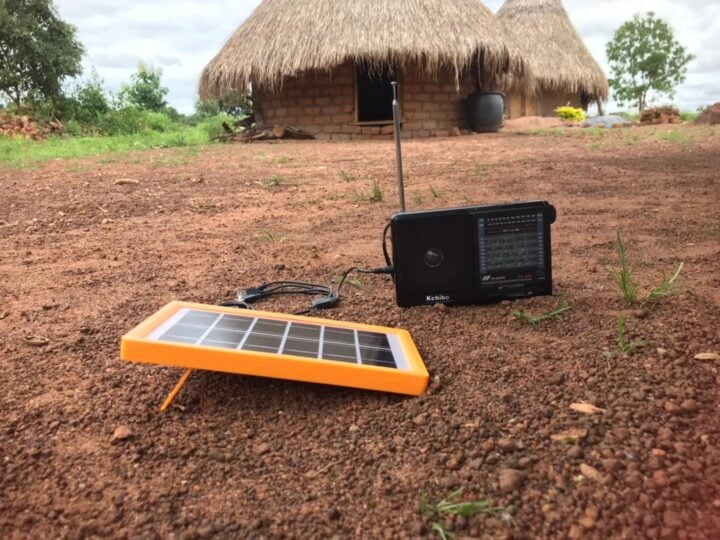
Across Nigeria, the challenge of electricity access continues to define life in many rural communities.
For decades, thousands of villages have remained off the national grid, relying on generators, firewood, and kerosene lamps for basic needs.
As the country seeks sustainable options, renewable energy, particularly solar power, has gained growing attention.
The attraction to solar stems from its availability and adaptability to remote environments where grid expansion is slow.
Small solar systems are now being deployed in parts of northern and southern Nigeria, helping homes and schools get light for the first time.
These systems come in different sizes, from household panels to larger mini-grids that power clusters of communities.
Energy experts often describe solar as one of the most practical ways to reach underserved areas without the high cost of grid extension.
Nigeria’s long hours of sunlight make the country suitable for solar deployment across most regions.
Communities that once lived in darkness are gradually adopting solar lamps, panels, and batteries as cheaper and cleaner alternatives.
Many rural entrepreneurs now use solar energy to power small businesses such as barbing salons, phone charging points, and cold storage facilities.
This shift has improved productivity and created new income sources in areas previously affected by power shortages.
The availability of affordable solar products has also encouraged individuals to invest in home systems rather than waiting for grid connection.
However, the spread of solar energy still faces challenges ranging from high initial costs to limited maintenance capacity.
Some users struggle with poor-quality products that fail to meet expectations or break down easily.
Access to finance remains a major barrier, as many rural households cannot afford to pay for complete solar installations upfront.
To address this, some developers now offer pay-as-you-go models, allowing users to pay gradually through mobile money platforms.
Government agencies have launched programmes to support renewable energy companies and expand rural electrification projects.
Partnerships between local developers and international donors have also led to the establishment of mini-grids in several communities.
These projects supply power for lighting, water pumping, and other basic needs that improve living standards.
The rural electrification drive has been supported by data showing that decentralised energy solutions can quickly reach more people.
Solar energy has also become central to discussions about job creation and climate change mitigation.
Technicians, installers, and entrepreneurs are being trained to build local capacity for maintenance and repairs.
Schools that once relied on candles now use solar lighting to extend study hours and improve safety for pupils.
Health centres in rural areas have also benefited, with solar systems powering refrigerators for vaccines and medical equipment.
The impact is not only economic but also social, as access to light allows communities to stay active beyond sunset.
Despite progress, industry players note that Nigeria’s solar market still needs clearer regulation and better coordination among stakeholders.
Some projects have been abandoned due to funding gaps, while others struggle with technical inefficiencies.
Experts suggest that consistent policies could help stabilise the sector and attract long-term investment.
Nigeria’s vast land and climate potential present an opportunity to make renewable energy a pillar of national development.
As technology improves, solar products are becoming more efficient and affordable, reducing reliance on fossil fuels.
Rural households that once depended on lanterns now see solar as a path to self-reliance and progress.
The spread of renewable energy also supports the country’s commitment to reducing carbon emissions and promoting green growth.
While urban centres enjoy better access to electricity, rural communities continue to rely heavily on renewable solutions.
From microgrids to solar home systems, new models are emerging to make power more accessible and reliable.
The drive toward clean energy is also reshaping the market, encouraging innovation and local production of solar components.
As interest grows, more investors are beginning to see rural electrification as both a social need and an economic opportunity.
If sustained, the momentum around solar energy could transform how Nigeria lights up its rural communities.
The question now is not whether solar can work, but how to ensure that it becomes a lasting and affordable solution for all.