


Whether there is a coup or not is immaterial now, whether a coup would have succeeded if indeed there was one is also inconsequential at this point. However, what should matter to us as a nation and people, especially the politicians, the ruling class and elites, is the reaction of many Nigerians to the purported coup attempt.
Coup d’états are not alien to Nigeria. For a time, they were the unmistakable reality of the Nigerian state, and their imprint remains very visible on the makeup and configuration of the nation, long after the men in uniform have been sent packing from the corridors of power. Nigeria has experienced at least six successful coups since its independence. One thing that nearly all these coups have in common is the reason for their execution by the putschists who carry them out.
These coups are almost always a result of perennial widespread corruption, nepotism, abuse of power, economic hardship, inflation, cost of living crisis, breakdown of law and order and the use of state institutions for the consolidation of power. While coups are now seen as impossible as Nigeria is seen as a nation that has evolved beyond undemocratic ascension to power, the incidents and situations that led to the ousting of civilian and democratically elected government in the past are still very much around today. Some will say things are even worse today than they were in days of yore when the men in uniform did take matters into their own hands whenever the nation was mired in economic turmoil and political uncertainty.
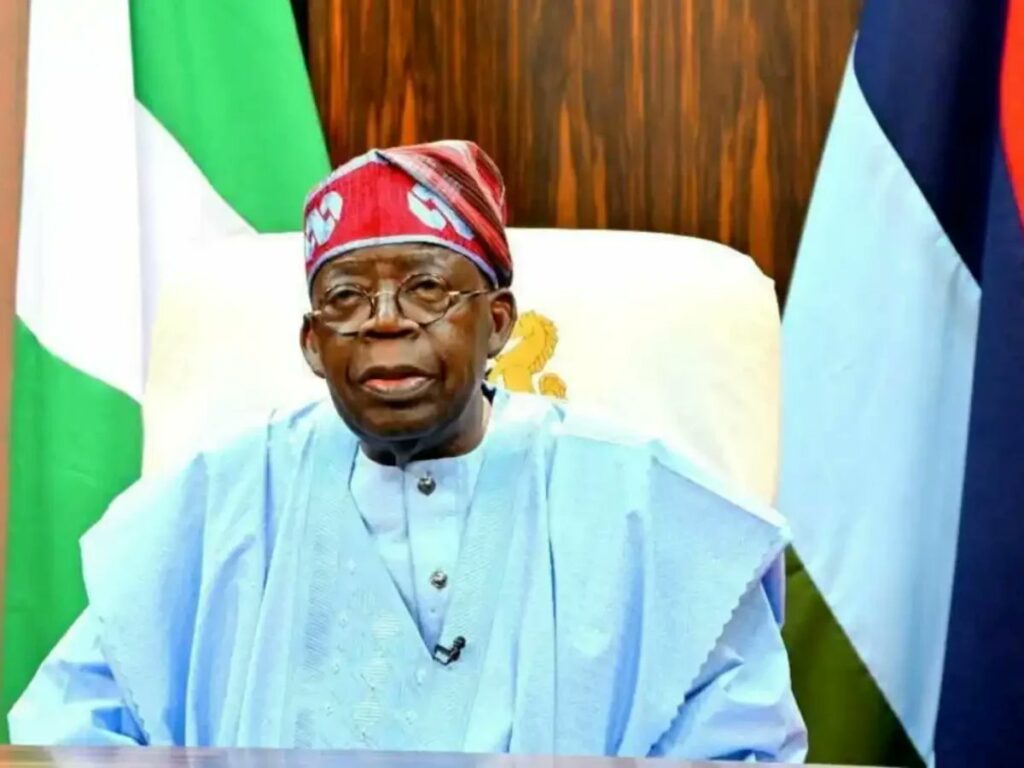
Last week, a report emerged in the media that some seventeen military officers have been detained over involvement in a plot to overthrow the President Tinubu government. The report by Sahara Reporter claimed that the purported failed coup was behind the cancellation of the Independence Day parade that is usually held on October 1, Nigeria’s Independence Day. The defence headquarters would later debunk the report of the attempted coup as false and baseless. A deeply polarised military populated by corrupt high-ranking officers and a poorly paid and ill-equipped rank and file will likely not publicly admit that there was an attempt by some disgruntled and aggrieved officers, who are disillusioned by a system and ruling class that have shackled the people and stunt the nation’s growth and development, to stage a coup to remove the corrupt and perverse politicians.
Whether there is a coup or not is immaterial now, whether a coup would have succeeded if indeed there was one is also inconsequential at this point. However, what should matter to us as a nation and people, especially the politicians, the ruling class and elites, is the reaction of many Nigerians to the purported coup attempt. There is no gainsaying that Nigerians have been plunged into economic hardship since the Tinubu government came to power. On May 29 2023, Tinubu, during his swearing-in announced the removal of subsidy on petrol and the exchange rate. The two subsidy schemes have long been considered a drain on the nation’s lean resources, and their removal, some experts say, will free up funds to be spent on other critical areas of the economy and, in turn, usher in a new era of economic prosperity. But that is not to be. What happened instead is galloping inflation and an unprecedented cost-of-living crisis.
In the months that followed the removal of subsidy on petrol and devaluation of naira, prices of basic goods and staple household commodities skyrocketed by more than 200% or even higher in some cases. Since the removal of the subsidy on petrol was done haphazardly and without prior arrangement and measures to cushion its impact, Nigerians were left in a lurch to find a way to survive the harsh and precarious reality. The government claimed the removal of the two subsidies without any plan to cushion its debilitating effect on the people was a necessary evil and the people must endure the momentary suffering and hardship for future prosperity.
However, in the last two years, runaway inflation has eroded the purchasing power of Nigerians, decimated their disposable income and rendered their savings useless. This has plunged many into poverty, with many previously well-to-do citizens now living from hand to mouth, and many lower-middle-class citizens now grappling with abject poverty. As the citizens continue to experience deeply unsavoury and damaging changes in fortune, politicians are living extravagantly and flamboyantly, refusing to heed their own admonition of austerity, frugality and sacrifices for the good of the nation.
When you add the disturbing deepening security crisis occasioned by violent attacks and wanton killings of unarmed and hapless Nigerians to the unprecedented economic hardship and cost of living crisis, what you will get is a nation of people who have lost hope and confidence in the ability of those in power to provide a purposeful, impactful, visionary and altruistic leadership that will prioritise the growth and development of the nation of personal interest, that will focus on progress and improvement of the lives of their people over corrupt enrichment of themselves through diversion and embezzlement of public funds. What this then does is to create a situation where people begin to clandestinely seek alternatives outside the democratic and constitutional order. These long-suffering and much-tried people would not mind a military intervention if it were going to salvage the situation and make their lives better. And these showed in their reactions of many Nigerians to the coup report.
If these politicians and their fellow hordes of reprobates at the helm of the nation’s affairs had an ounce of self-awareness and humility, they would take Nigerians’ reactions to the coup revelations, even more seriously than the coup itself, as a warning shot. The reactions have ranged from indifference to tacit support for the coup to exasperation that it didn’t succeed. There’s neither sympathy for the ruling class nor for the destructive democracy they superintend.
While the possibility of a coup being successful in today’s Nigeria is quite slim and nearly impossible owing to a myriad of factors, like corruption among the military top brass, logistic challenges and finding enough capable, loyal and patriotic soldiers who are willing to be part of a putsch, the fact that many Nigerians are willing to cast their lots with and take their chances with the military despite not knowing what to expect should set of an alarm in the head of the politicians and jolt them out of their reverie. They have drifted too far away from the shoreline and are now lost at sea as the ship becomes rudderless. They either change course or the passengers on board will take matters into their hands and that will not bode well for them.