


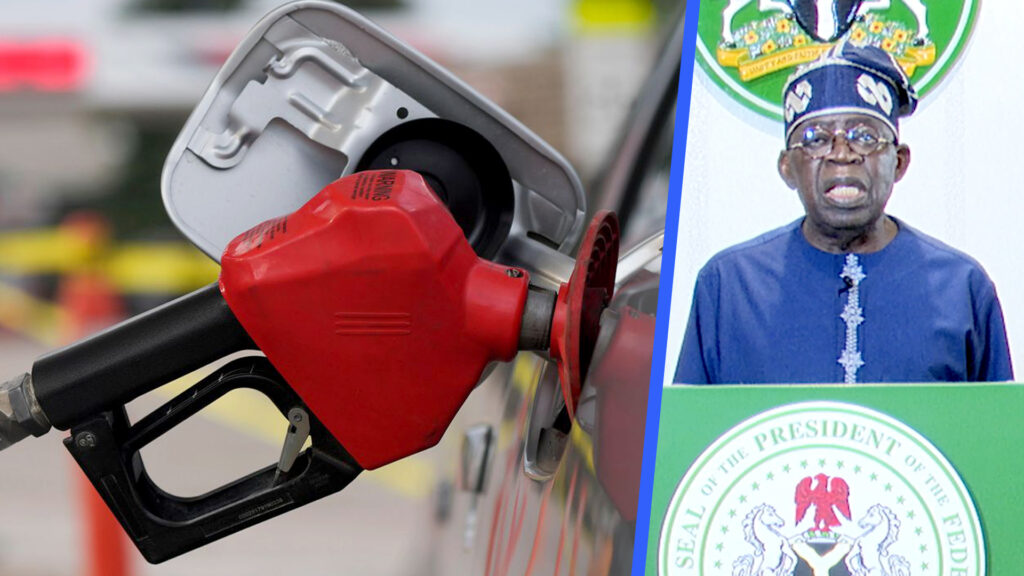
The removal of oil subsidy in Nigeria marked one of the most significant economic decisions in recent years.
It reshaped the daily lives of citizens, businesses, and government institutions, touching almost every sector of the economy.
While policymakers described it as a necessary reform, the effects have been uneven across the population.
Before the removal, billions of naira were spent yearly to keep fuel prices low.
The government argued that the subsidy system was unsustainable and prone to corruption and leakages.
By ending it, funds previously spent on fuel payments were expected to be redirected toward infrastructure, education, and health services.
In the immediate aftermath, the cost of transportation and goods rose sharply.
For millions of low-income households, the increase in fuel prices translated into higher living costs.
Urban workers and small businesses, especially in the transport and food sectors, felt the impact more directly.
Meanwhile, those in the middle and upper income brackets adjusted through private vehicles, solar systems, and alternative energy sources.
Analysts noted that the removal of subsidy benefited government revenues, giving more room for fiscal flexibility.
Oil marketers and importers also gained from the deregulated environment, as they could import products based on global market prices.
However, without adequate local refining capacity, Nigeria remains exposed to international price fluctuations.
The dependence on imported fuel continues to make the domestic economy vulnerable.
In rural areas, higher transport costs pushed food prices up, affecting both farmers and consumers.
Many households cut down on non-essential spending, while inflation eroded purchasing power.
Labour unions and civil groups called for stronger social protection measures to cushion the impact.
The introduction of cash transfer schemes, palliative programmes, and wage adjustments was intended to ease the burden.
Yet, implementation challenges and limited coverage raised doubts about their effectiveness.
The private sector, particularly manufacturing, faced rising production costs due to increased energy expenses.
On the other hand, states with large revenue allocations gained more fiscal independence under the new arrangement.
This allowed some to initiate new projects or settle outstanding debts.
Economists maintain that the long-term benefits of subsidy removal will depend on how savings are utilised.
If reinvested wisely in productive sectors, the economy could experience sustainable growth.
But if mismanaged, the pain felt by citizens may outweigh the expected gains.
The post-subsidy era is now testing the government’s commitment to transparency, accountability, and inclusive development.
For ordinary Nigerians, the question remains whether the promised dividends will translate into tangible relief.
Until then, the country continues to navigate the delicate balance between economic reform and social welfare.