


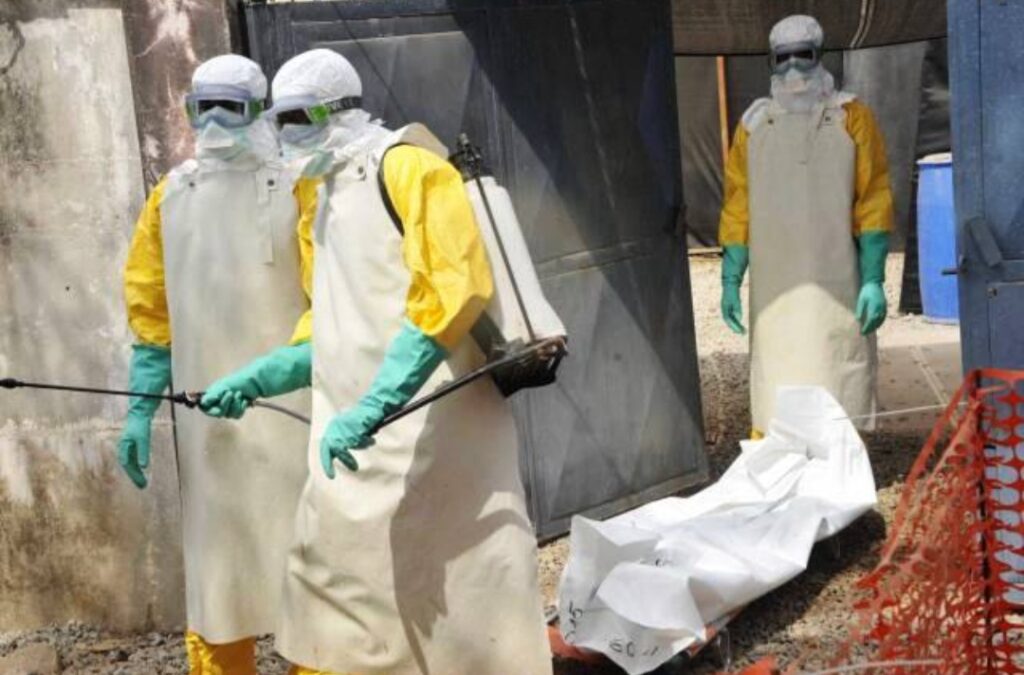
Nigeria has faced a series of epidemics over the past two decades, testing the country’s healthcare system and public health response mechanisms.
The Ebola outbreak in 2014 marked a significant challenge, requiring rapid containment and extensive contact tracing across several states.
During the Ebola epidemic, hospitals were overwhelmed, and healthcare workers faced high exposure risks, prompting emergency training and strict safety protocols.
Government agencies collaborated with international partners to ensure the supply of protective equipment and the establishment of isolation centres in major cities.
Public awareness campaigns were launched through radio, television, and community networks to educate citizens about the virus and preventive measures.
Despite initial fear and panic, the epidemic was contained within a few months, with limited confirmed cases compared to other countries affected.
Following Ebola, Nigeria experienced the Lassa fever outbreaks, which occur annually in certain regions, testing the continuity of epidemic preparedness systems.
Efforts during Lassa fever outbreaks included early detection, laboratory testing, and public health advisories to prevent human-to-human transmission.
The onset of COVID-19 in 2020 presented an unprecedented challenge due to its global spread and high transmission rate.
Healthcare infrastructure faced critical pressure, and hospitals had to adjust quickly to accommodate the surge of patients requiring intensive care.
Lockdowns and movement restrictions were implemented in major cities to reduce virus transmission while ensuring essential services continued.
Testing capacity was gradually expanded, and isolation centres were set up across the country to manage confirmed cases efficiently.
Economic disruptions accompanied the pandemic, affecting households, businesses, and government resources, while public health messaging emphasised hygiene and social distancing.
Vaccination campaigns were launched with an emphasis on prioritising frontline healthcare workers and vulnerable populations.
The country’s epidemic response highlighted the need for stronger healthcare infrastructure, reliable data systems, and coordinated public health policies.
Lessons from Ebola and COVID-19 have shaped Nigeria’s approach to epidemic preparedness, emphasising rapid response, community engagement, and international collaboration.
Public health experts note that continuous investment in healthcare and training of personnel remains crucial to mitigating future epidemic risks.
Nigeria continues to strengthen disease surveillance, emergency response protocols, and laboratory capabilities to prepare for potential outbreaks.
The experience from past epidemics underscores the importance of community cooperation, timely reporting, and adherence to preventive measures to safeguard public health.