


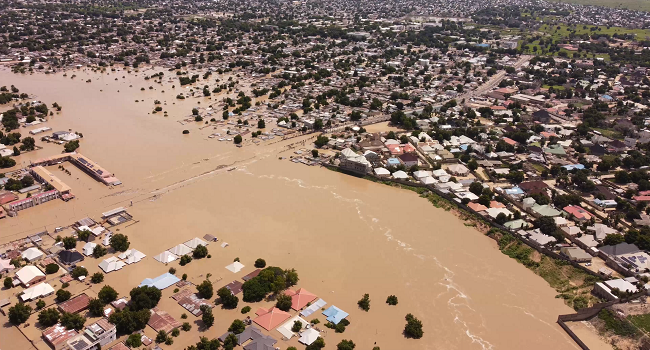
You wake up one morning to find your street flooded. As you look outside, wondering how this happened, you realize it’s been raining heavily for days. Flooding is common during the rainy season in Nigeria and can cause a lot of damage. But do you ever wonder what exactly leads to these floods? There are actually several causes that contribute to flooding in Nigeria. In this article, we’ll explore the top 10 reasons floods occur, from excessive rainfall to poor drainage systems. Understanding what triggers floods can help you be better prepared when the waters start to rise.
What is a Flood?
A flood simply means the overflow of water onto land that is normally dry. It occurs when a water body, like a river, lake, or stream, overflows its usual boundaries due to excessive rainfall, inadequate drainage infrastructure, or other factors.
While flooding is a natural occurrence, human activity has made its effects more severe. By protecting wetlands, which act as natural sponges, using sustainable land practices, and improving infrastructure, we can work with nature to mitigate the worst impacts of floods.
Different Types Of Floods?
Several types of floods occur in Nigeria; the most common are riverine floods, coastal floods, urban floods, and flash floods.
Riverine Floods
Riverine floods happen when rivers overflow their banks due to excessive rainfall. Nigeria has many major river systems, like the Niger and Benue rivers, that are prone to flooding during the rainy season. These floods can last for weeks and affect surrounding communities, farms, and infrastructure.
Coastal Floods
Coastal floods result from storm surges, high tides, and sea level rise along the coast. Low-lying coastal areas in Nigeria, like the Niger Delta region, are at high risk of coastal flooding. Sea level rise and more intense storms due to climate change are increasing the frequency and severity of coastal floods.
Urban Floods
Urban floods occur when drainage systems in cities are overwhelmed by heavy rains. Impermeable surfaces like roads and buildings prevent rainwater from soaking into the ground, causing it to run off into drains and gutters instead. When these drainage systems lack the capacity to handle the volume of water, urban flooding ensues, causing damage to property and infrastructure.
Flash Floods
Flash floods happen quickly with little warning due to intense rainfall over a short period of time. The water moves rapidly into gullies, streams, and rivers, causing them to overflow within minutes. Flash floods tend to be dangerous because of how fast they develop, and they can sweep away vehicles, damage buildings, and cause loss of life. Due to climate change, flash floods may become more frequent in Nigeria.
With various causes leading to different types of floods, Nigeria continues to face significant challenges in flood management and risk reduction. By understanding the types of floods that occur, communities can better prepare and respond to these disasters.
10 Causes of Floods in Nigeria
Nigeria has had its fair share of floods in recent times that have displaced many people and caused loss of lives and property. Some of the major causes of floods in Nigeria are:
Excessive Rainfall
Excessive rainfall is one of the major causes of flooding in Nigeria. When there is too much rain in a short period of time, the soil becomes saturated and unable to absorb more water. This results in surface runoff that accumulates and causes floods, especially in low-lying areas.
Parts of Nigeria experience very heavy tropical rainstorms, especially during the rainy season from April to October. These downpours, sometimes lasting for days, dump copious amounts of water that overwhelm the land’s ability to absorb it.
Overflow of Rivers, Lakes, and Oceans
Rivers, lakes, and oceans overflow and flood during the rainy season when there is excess rainfall. The amount of water flowing into these water bodies exceeds the amount that flows out or evaporates, causing the water level to rise and overflow the banks.
Rivers
During heavy rains, rivers receive more water from tributaries and runoff than they can contain within their channels. The excess water overflows the river banks and causes flooding along the river. Rivers like Niger and Benue are prone to frequent flooding in Nigeria due to heavy rainfall in their upper catchment areas. The flat plains along these rivers also make them more susceptible to overbank flooding.
Lakes
Natural lakes receive water from rivers and streams and runoff from the surrounding areas. When the amount of water flowing into a lake is more than what flows out through rivers and evaporation, the lake level rises, causing the water to overflow into surrounding areas. Man-made lakes behind dams can also flood when the dam gates are opened to release excess water. The releases often exceed the carrying capacity of rivers downstream and lead to flooding.
Oceans
Coastal areas experience flooding when high tides, storm surges, and sea level rise cause ocean water to overflow onto the land. High tides and storm surges push more water toward the shore, while rising sea levels cause oceans to expand and encroach on land. Coastal megacities like Lagos are at high risk of ocean flooding due to their low-lying nature, high population density, and location along coastlines.
In summary, the overflow of rivers, lakes, and oceans during periods of excess rainfall and runoff is a major cause of flooding in Nigeria.
Terrain and Nature of Soils
Nigeria has a diverse landscape ranging from mountains and plateaus to rivers and coastal lands. This varied terrain, along with the country’s tropical climate, contributes to the frequent flooding.
Nigeria’s central region consists of plains and rolling hills, while the north has semi-arid grasslands and the south has dense rainforests. The elevation rises in the east to form the Jos Plateau and Adamawa Highlands. These uneven landscapes mean water flows downhill into low-lying areas, collecting and flooding them.
The soil types also impact flooding. Nigeria’s soils are often porous, allowing water to seep in during the rainy season. However, once the soils become saturated, excess water has nowhere to go. Nigeria’s clayey soils, in particular, do not drain well and readily flood. They are dense and prevent water from soaking in, leading to overland flow and pooling.
Coastal flooding is also common in Nigeria, especially in the Niger Delta region. High tides and storm surges push seawater onto the low-lying shore, flooding homes and farmland. Sea level rise linked to climate change is aggravating coastal flooding in some areas.
In summary, Nigeria’s terrain, landscape, soil types, and water systems all contribute to making the country particularly vulnerable to flood events. Improving infrastructure, reforesting land and wetlands, and better land management practices can all help reduce the impacts of flooding in Nigeria.
Poor Drainage System and Blockage of Drainage Systems
Poor drainage systems and clogged waterways are two of the leading causes of floods in Nigeria. Many cities and towns in Nigeria lack adequate drainage systems to properly channel rainwater and wastewater. The drainage channels that do exist are often clogged with waste, preventing water from flowing through effectively. When drains and gutters get clogged, rainwater has nowhere to go and ends up accumulating on roads and low-lying areas. There are a few reasons why drainage systems experience blockages:
Improper waste disposal
Many Nigerians improperly dispose of waste by throwing it into drains, gutters, and canals. Plastic bags, bottles, and other trash clog up these waterways, preventing rainwater from flowing through. It’s important for all citizens to properly dispose of waste in trash cans and dumpsters to keep drainage systems clear.
Narrow and shallow drains
Some drains and canals in Nigeria are too narrow and shallow to effectively channel the amount of rainwater received, especially during heavy storms. The water has nowhere to go and overflows the drains, flooding surrounding areas. Widening and deepening critical drains and canals would help improve water flow and reduce overloading of the systems.
Some of the solutions to these problems include:
- Investing in modern drainage systems in cities and towns across Nigeria. New drainage channels need to be built, and existing ones expanded and improved.
- Educating communities about proper waste disposal and recycling. People should be encouraged not to dump waste into drains, gutters, and water bodies.
- Regularly clearing and dredging existing drainage channels and waterways to remove built-up waste and debris. This will allow for the free flow of water again.
- Improving and enforcing laws against illegal dumping of waste. Harsher penalties can deter people and businesses from clogging up drains and polluting waterways.
By addressing these issues around waste disposal, lack of maintenance, and insufficient drainage capacities, Nigeria can significantly reduce the severity and frequency of flood events across the country. Keeping waterways clear and well-maintained is key to effective flood mitigation and building resilience against the effects of climate change in the coming decades.
Deforestation
Deforestation refers to the cutting down, clearing, and removal of forests. This can happen due to natural causes like wildfires, but mostly, it’s due to human activities. In Nigeria, deforestation is occurring at an alarming rate due to factors like:
Agricultural expansion
As Nigeria’s population grows, the demand for food increases. Forests are cleared to make way for agricultural land to grow crops and raise livestock. Farmers cut down trees to gain access to fertile land and increase available agricultural areas. This also leads to the loss of biodiversity as habitats for plants and animals are destroyed.
Wood extraction
Trees are cut down for wood products like timber, paper, and wood fuel. Nigeria relies heavily on wood for construction, energy, and industrial use. The high demand for wood products has led to large-scale deforestation.
Urbanization
The rapid growth of cities and towns in Nigeria requires land to develop infrastructure like houses, roads, and buildings. Forests are cleared for urban expansion as more people move into cities.
Deforestation damages the environment in many ways, like loss of habitat for wildlife, increased flooding, soil degradation, and increased carbon dioxide in the atmosphere. To curb deforestation, sustainable forestry practices need to be adopted. Regulations on tree felling and conservation efforts can help preserve Nigeria’s forests for future generations. Eco-friendly sources of fuel and construction materials should be promoted to reduce pressure on forests. Overall, a balance needs to be found between development needs and environmental protection.
Climate Change and Extreme Weather Events
Climate change has led to shifts in weather patterns and an increase in extreme weather events like floods. As the earth’s temperature rises, the atmosphere can hold more moisture, which leads to heavier rain and snowfall. Changes in weather systems and wind patterns can also influence the distribution and intensity of precipitation.
In Nigeria, climate change is causing wet seasons to become wetter and dry seasons to become drier. Dangerous flooding has become more common, especially in coastal and low-lying areas. Torrential rains have overwhelmed drainage systems, dams, and riverbanks, displacing many communities. The increased rainfall also erodes the soil and reduces its ability to absorb water, making floods more severe.
Some of the extreme weather events linked to climate change that can lead to catastrophic flooding in Nigeria include:
- Heavier rainy seasons: The wet seasons have become rainier, with some areas receiving over 60% more rain. The ground quickly becomes saturated and unable to absorb more water, leading to overland flow and floods.
- More frequent storms: Powerful storms like thunderstorms and tropical cyclones are occurring more often. These storms dump copious amounts of rain in a short time, overwhelming drainage systems and infrastructure.
- Coastal flooding: Sea level rise and storm surges are inundating low-lying coastal areas. Higher sea levels also prevent floodwaters from draining into the ocean, causing prolonged flooding inland.
- Riverine flooding: Higher rainfall leads to swollen rivers that burst their banks, flooding nearby communities. Deforestation and soil erosion in river basins also worsen the impacts of flooding.
- Urban flooding: Rapid urbanization and poor planning have left many cities with inadequate drainage. Paved surfaces prevent water from soaking into the ground, channeling it into drains that quickly overflow during intense rains.
To curb the growing flood risk, we must take action against climate change by reducing greenhouse gas emissions and transitioning to renewable energy. We must also improve infrastructure, land management, and emergency response to better adapt to the changes that can no longer be avoided. Collective action can help build resilience in communities across Nigeria.
Rapid Urbanization
Rapid urbanization refers to the rapid growth of urban areas due to rural migration and natural population growth. Nigeria has been experiencing rapid urbanization in recent decades, with more and more people moving into cities and towns. This mass migration and overpopulation in urban areas have put a strain on existing infrastructure and the environment.
As more people flock to cities looking for jobs and opportunities, there is immense pressure on housing, healthcare facilities, transportation systems, and other basic amenities. Unplanned settlements crop up on the outskirts of cities, increasing the risk of disasters like floods. During heavy rains, water cannot seep into the soil or drain away quickly enough, leading to flash floods that can devastate these densely populated areas.
Municipal corporations struggle to provide basic services to the burgeoning urban population. Issues like improper waste management, lack of sewage systems, and pollution arise. Rivers, streams, and water bodies in cities get clogged with plastic, waste, and sewage, hampering their ability to contain excess rainwater. Deforestation on the outskirts of cities for housing and infrastructure also robs the soil of its ability to absorb rainwater, causing it to flow into residential areas.
Rapid urbanization highlights the need for sustainable city planning and development in Nigeria. Improving public transportation, revamping sewage and waste management systems, and protecting green spaces and wetlands in cities can all help make them more livable and resilient in the face of floods and other effects of climate change. Citizens also need to do their part by reducing waste and pollution in their localities. Together, better urban governance and civic responsibility can transform Nigerian cities into sustainable, eco-friendly spaces.
Poor Environmental Planning/monitoring, Housing Development in Flood-prone Areas
Poor environmental planning and lack of monitoring have contributed to increased flooding in Nigeria. Many housing developments and infrastructure projects are approved without properly evaluating environmental impact and risks. Flood plains, wetlands, and other areas that naturally absorb excess water are often built upon, leaving nowhere for water to go during heavy rains.
As Nigeria’s population has grown rapidly, the demand for housing has skyrocketed. In a rush to provide shelter, homes and entire neighborhoods have been built in low-lying, flood-prone areas like riverbanks, wetlands, and valleys. These dangerous locations, which are prone to flooding during the rainy season, should not have been developed in the first place. Proper environmental assessments and risk analysis could have identified these unsuitable areas and prevented development there.
In addition, the lack of monitoring and enforcement of environmental regulations has allowed uncontrolled development in environmentally sensitive areas. Buildings, homes, and infrastructure are frequently constructed without proper permits or oversight. By the time the government becomes aware of violations, entire communities have already been established in high-risk zones. Forced relocation of these communities is difficult and complex.
To curb flooding from environmental mismanagement, the government needs to strictly enforce laws on land use, development permits, pollution, and waste control. Vulnerable areas must be identified and protected to preserve natural flood defenses. Housing developments should only be approved in suitable locations, with infrastructure in place to handle runoff and excess water. Protecting the environment will help ensure the safety and well-being of citizens for generations to come.
Poor Waste Disposal Practices
Poor waste management and improper disposal of waste are major causes of flooding in Nigeria. When waste is not properly collected and disposed of, it clogs drainage systems and waterways, preventing water from flowing freely.
Municipal waste collection services in Nigeria struggle with consistent and comprehensive waste collection, often leaving residents to find their own solutions. Many people dump their trash in gutters, streams, and drainage channels, blocking the flow of water. Plastic waste is a huge problem, as plastic bags and bottles accumulate and congest waterways. Organic waste also contributes to the issue, as food scraps and yard waste decompose in drainage areas and release gases that damage infrastructure.
Industrial operations also contribute to waste mismanagement by illegally dumping toxic waste products into waterways. Chemicals, oils, and heavy metals seep into the water supply, polluting the environment and harming plants and wildlife. These pollutants build up over time and are difficult and expensive to remove.
The lack of waste sorting and recycling makes the problem worse. Reusing and repurposing waste could significantly reduce the volume of trash clogging water systems. Raising public awareness about proper waste disposal and implementing waste management policies and enforcement can help alleviate this issue. Providing waste collection services to all residents and businesses, improving waterway cleaning efforts, and promoting recycling and composting are steps in the right direction to reducing flood risks from waste.
Proper disposal of all types of waste, residential, commercial, and industrial, is key to preventing floods. When we keep waterways clear and reduce pollution, we create a safer environment for everyone. Community participation and government support can jointly solve the waste problem and build a sustainable future.
Inadequate Maintenance of Drainage Facilities
Inadequate maintenance of drainage facilities is one of the major causes of flooding in Nigeria. Most drainage channels, culverts, and gutters are often clogged with refuse and waste materials, preventing the free flow of water.
As you know, drainage systems are designed to collect and redirect excess rainwater to prevent flooding. However, when drains, gutters, and water channels are not properly maintained, they get blocked, and water is unable to flow freely. This results in water overflowing onto roads and surrounding areas, causing floods.
Municipal authorities need to regularly inspect, unblock, and desilt drainage facilities to allow for the smooth flow of water. Dredging and widening of rivers and streams should also be carried out periodically to increase their capacity. Government agencies in charge of managing drainage systems must allocate adequate funds and resources to ensure proper maintenance and functionality.
Communities and citizens also have a role to play to support government efforts. We should avoid dumping refuse and waste materials into drains, gutters, and streams. Making a habit of proper waste disposal and management can go a long way in preventing blockage of water channels.
While the lack of adequate drainage facilities contributes to flooding, maintaining existing drainage infrastructure is equally important. Keeping drainage systems functional through regular cleaning and repairs will help to reduce the frequency and severity of floods, especially in urban areas. Proper maintenance of drainage facilities should be a collaborative effort between government agencies and citizens to minimize the risk of floods.
Overall, improving drainage maintenance practices across Nigeria will have significant benefits in flood control and prevention. Government investment in this area needs to be a priority to safeguard infrastructure, properties, and lives during the rainy season. With collective action, we can keep water flowing through drainage systems and reduce the havoc caused by floods.
Effects of Flood in Nigeria
Floods can have devastating effects in Nigeria. Here are some of the major consequences of flooding:
- Displacement of People: Floods displace thousands of people from their homes every year in Nigeria. Many families have to abandon their dwellings and find shelter in displacement camps. Some may never return home. This disrupts lives and livelihoods.
- Loss of Lives: Floods are the leading cause of natural disaster deaths worldwide and were responsible for more than 6.8 million deaths in the 20th century.
- Destruction of Farmland: Nigeria’s economy depends heavily on agriculture, and floods frequently destroy farmland and crops across the country. This threatens food security and the livelihood of farmers.
- Damage to Infrastructure: Roads, bridges, schools, hospitals, and other infrastructure are often damaged or destroyed during floods. This hampers relief efforts cut off access and impacts lives and the economy.
- Spread of Diseases: The stagnant flood waters become breeding grounds for mosquitoes, leading to the spread of diseases like malaria, cholera, and diarrhea. Lack of clean water and hygiene also facilitate the spread of diseases in displacement camps.
- Loss of Livestock: Cattle, goats, chickens, and other livestock often drown or starve during floods. This represents a huge loss of wealth and food source for many Nigerian families.
- Pollution: Floods carry pollutants, sewage, and waste into the environment, contaminating the air, soil, and water supplies. This has long-term negative health and environmental impacts.
- Economic Impacts: Floods have significant economic costs in Nigeria due to the loss of agricultural production, damage to infrastructure, and impacts on businesses. Recovery efforts also divert funds from development.
- Psychological Impacts: The trauma of losing loved ones, homes, and livelihoods in floods has deep psychological impacts on victims that can last for years. Mental health issues like PTSD, depression, and anxiety are common in flood-affected communities.
In summary, floods in Nigeria lead to displacement, the spread of diseases, loss of lives, destruction of property and farmland, and many other devastating humanitarian, environmental, and economic consequences. More needs to be done to mitigate flooding and support victims in the country.
How to Prevent Floods in Nigeria
To prevent devastating floods in Nigeria, both the government and individuals must take proactive measures. Here are eight effective ways to mitigate flooding:
- Construct and maintain drainage systems. An efficient network of gutters, ditches, and storm drains prevents excess rainwater from accumulating. Regularly inspecting and clearing drains prevents blockage from debris and ensures maximum flow capacity.
- Improve urban planning. Carefully regulating construction in flood plains and wetlands deters damage to property and loss of life. Building embankments and leaving green spaces in cities provides areas for water to disperse.
- Educate the public. Teaching citizens about environmental protection and emergency preparedness is key. Promoting waste management, erosion control, and water conservation at the individual level significantly impacts the land’s ability to absorb precipitation. People can also learn how to respond in the event of a flood to minimize harm.
- Plant more trees. Afforestation on a large scale slows soil erosion, increases groundwater absorption, and reduces surface flow. Trees help mitigate climate change, which exacerbates extreme weather events like heavy rains.
- Dredge and desilt rivers. Removing built-up sediment in waterways improves channel flow and carrying capacity. This decreases the likelihood of rivers overflowing their banks during periods of high discharge.
- Improve weather prediction. Investing in advanced weather radar and monitoring systems provides more accurate precipitation forecasts. With greater warning, people can take action to avoid loss of life and property damage. Emergency responders also have more time to prepare and evacuate communities.
- Review and enforce regulations. Revising outdated policies and strictly enforcing laws around waste and land management, construction, and environmental protection promotes best practices. Regulations need consistent monitoring and review to adapt to modern challenges.
- Provide emergency aid. Having resources and systems in place to respond to crises helps communities recover from the devastating impacts of floods. This includes setting up temporary shelters, distributing food and medical supplies, and repairing critical infrastructure. Financial assistance programs also help people rebuild their lives.
Conclusion
So there you have it, the ten major causes of flooding in Nigeria. From intense rainfall to poor drainage to dam failures, it’s clear there are many complex factors that contribute to this serious issue. As climate change leads to more extreme weather, flooding may become even more frequent and severe. But with thoughtful urban planning, infrastructure improvements, and responsible environmental practices, hopefully, communities can become more resilient. We all have a role to play in finding solutions. So next time it starts to pour, don’t just complain about the weather; think about how you can be part of the change. Working together, we can create cities where floods don’t overwhelm but flow.