


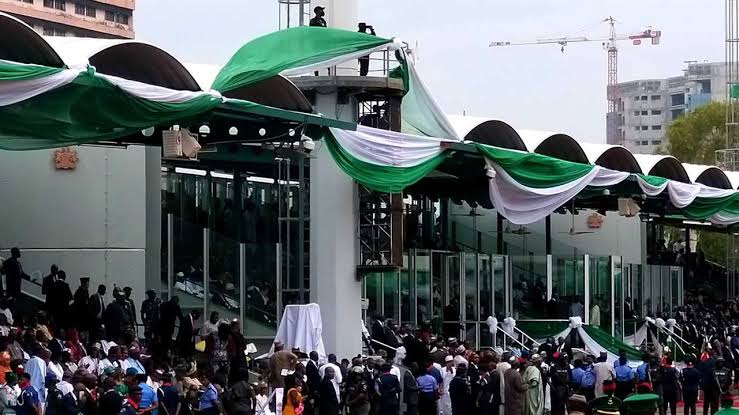
As you explore Nigeria’s capital city, one landmark stands out as a symbol of national pride and unity: Eagle Square Abuja. This iconic public space, nestled in the heart of the Federal Capital Territory, serves as the epicenter for many of the country’s most significant events and celebrations.
Whether you’re a curious tourist or a proud Nigerian citizen, understanding the history, design, and cultural importance of Eagle Square will deepen your appreciation for this remarkable venue. In this comprehensive guide, you’ll discover everything you need to know about Eagle Square Abuja, from its architectural features to its role in shaping Nigeria’s national identity.
About Eagle Square Abuja
Eagle Square is the main square in Abuja, the capital of the Federal Republic of Nigeria. It is located between the Head of Service and the Federal Secretariat buildings in the Central Business District of Abuja. The square is situated where the Central Park was proposed and has an adjoining National Arcade that juts into the Three Arms Zone through Democracy Avenue, overlooking the National Assembly Complex and the Aso Rock. The square was constructed in 1999 to serve as the central area for seats of power in Nigeria.
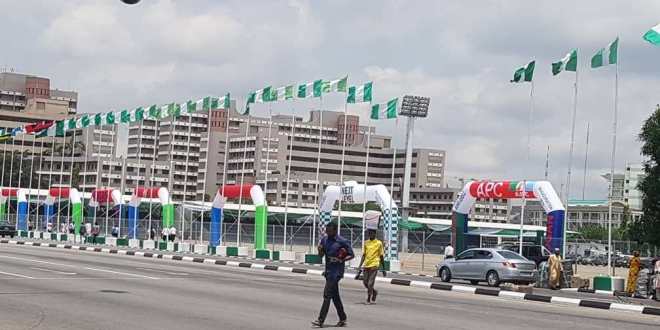

For tourists exploring Abuja, a visit to Eagle Square is often a highlight of their itinerary. The square offers a unique opportunity to witness the grandeur of Nigeria’s capital and gain insights into the country’s political and cultural landscape. Visitors can admire the architectural details, take photos with the iconic eagle statue, and soak in the vibrant atmosphere of this national treasure.
In essence, Eagle Square Abuja serves as more than just a public space; it’s a living testament to Nigeria’s journey as a nation and a symbol of its aspirations for the future.
History
Eagle Square, Abuja, an iconic landmark in Nigeria’s capital city, has a rich history that dates back to the late 20th century. The square was conceived as part of the master plan for Abuja, which was designed to be a purpose-built capital city for Nigeria. The square was constructed in 1999.
Eagle Square was designed to serve as a central hub for Nigeria’s seats of power. Its purpose is to provide a space where citizens can gather to pay respects to authorities. The square was strategically positioned at the heart of the Three Arms Zone, surrounded by key government buildings, including the National Assembly, the Supreme Court, and the Presidential Villa. This location underscores its significance as a central gathering place for national events and celebrations.
The design of Eagle Square Abuja draws inspiration from both modern and traditional Nigerian architectural elements. Its most striking feature is the large eagle sculpture that stands at its center, symbolizing Nigeria’s strength and freedom. The square’s expansive layout allows it to accommodate large crowds, making it ideal for national parades and ceremonies.
The architecture of Eagle Square also incorporates elements that reflect Nigeria’s diverse cultural heritage, blending seamlessly with the contemporary design of the surrounding government buildings. This fusion of styles makes Eagle Square a unique representation of Nigeria’s past, present, and future.
Over the years, Eagle Square has witnessed the transition of power between civilian governments, marking important milestones in Nigeria’s democratic journey. Its role in these historical moments has cemented its place as a symbol of Nigeria’s unity and progress.
Key Landmarks and Features of Eagle Square Abuja
Eagle Square Abuja stands as a testament to Nigeria’s rich history and vibrant present. This iconic landmark serves as the heart of the nation’s capital, hosting numerous significant events and drawing visitors from around the world. Let’s explore some of the key features that make Eagle Square a must-visit destination.
Architectural Marvels
The centerpiece of Eagle Square Abuja is the imposing eagle statue that gives the square its name. This majestic sculpture, with its wings spread wide, symbolizes Nigeria’s strength and freedom. Surrounding the statue, you’ll find meticulously manicured lawns and gardens that provide a serene backdrop for the square’s activities.
The square itself is an architectural marvel, designed to accommodate large gatherings while maintaining an open, airy feel. Its expansive layout allows for panoramic views of the surrounding government buildings, including the National Assembly complex.
Historical Significance
Eagle Square has been the stage for many of Nigeria’s most important national events. It’s here that presidential inaugurations take place, marking the peaceful transition of power in Africa’s largest democracy. The square has also hosted military parades, cultural festivals, and national day celebrations, making it a living repository of Nigeria’s contemporary history.
Visitors to Eagle Square Abuja can often see remnants of past events, such as commemorative plaques or temporary exhibitions, offering glimpses into the nation’s political and cultural journey.
Modern Amenities
While steeped in history, Eagle Square is equipped with modern amenities to ensure comfort for visitors and functionality for events. State-of-the-art sound systems and lighting rigs can transform the space for concerts and performances. Ample parking facilities and well-maintained restrooms cater to the needs of large crowds.
For those looking to learn more about the square’s significance, informational kiosks and guided tours are available, providing in-depth insights into this cornerstone of Nigeria’s capital city.
Usage
Eagle Square Abuja serves as a versatile venue for a wide range of events and activities, making it a central hub for national celebrations and gatherings. This iconic landmark plays a crucial role in Nigeria’s political and cultural landscape.
National Celebrations
As the premier location for official ceremonies, Eagle Square Abuja hosts many of Nigeria’s most significant national events. Independence Day celebrations take center stage here annually, with impressive military parades and cultural displays that showcase the country’s rich heritage. The square also serves as the venue for presidential inaugurations, drawing thousands of spectators to witness these historic moments.
On April 27, 2023, the Nigerian Army conducted the largest Presentation of Colours in the Commonwealth at Eagle Square, issuing 53 new colours to pre-existing units and 28 colours to newly established units, totaling 81 colours issued.
Political Rallies and Demonstrations
Given its prominence and spacious layout, Eagle Square Abuja is frequently used for political rallies and peaceful demonstrations. Political parties often choose this location to launch campaigns or hold large gatherings, taking advantage of the square’s symbolic importance and its ability to accommodate substantial crowds.
Cultural and Entertainment Events
Beyond its political significance, Eagle Square Abuja is a popular spot for cultural festivals and entertainment events. Music concerts, art exhibitions, and food fairs regularly take place here, attracting diverse audiences from across the country. These events not only provide entertainment but also contribute to the vibrant cultural scene of Nigeria’s capital city.
Sports and Fitness Activities
The open space of Eagle Square Abuja lends itself well to various sports and fitness activities. From organized marathons and charity runs to informal group exercises, the square offers a unique urban setting for physical activities. Its central location makes it easily accessible for residents and visitors alike, encouraging a healthy and active lifestyle in the heart of the city.
By hosting this diverse array of events, Eagle Square Abuja continues to be a focal point of national unity, cultural expression, and civic engagement in Nigeria’s capital.
The Architectural Marvels of Eagle Square Abuja
Eagle Square Abuja stands as a testament to Nigeria’s architectural prowess and national pride. This iconic landmark, situated in the heart of the capital city, showcases a blend of modern design and cultural symbolism that captivates visitors and locals alike.
The Iconic Eagle Statue
At the center of Eagle Square Abuja stands its most recognizable feature: a towering eagle statue. This majestic sculpture, with its wings spread wide, symbolizes Nigeria’s strength and aspirations. The eagle, crafted from durable materials, stands atop a pedestal that elevates it above the surrounding structures, making it visible from various vantage points across the city.
Symmetry and Space
The design of Eagle Square Abuja emphasizes symmetry and open space. The square’s layout features a vast paved area, perfect for hosting national events and parades. Flanking the central space are carefully manicured lawns and gardens, adding a touch of natural beauty to the urban landscape. The symmetrical arrangement of pathways and decorative elements creates a sense of balance and order, reflecting the square’s role as a center of national governance.
Architectural Integration
Eagle Square Abuja seamlessly integrates with surrounding government buildings, creating a cohesive architectural complex. The square’s design takes into account the nearby National Assembly complex and other important structures, ensuring that it complements rather than competes with its surroundings. This thoughtful integration reinforces the square’s status as the heart of Nigeria’s political activities.
Lighting and Nighttime Appeal
The architectural beauty of Eagle Square Abuja extends into the evening hours, thanks to its sophisticated lighting system. Strategically placed lights illuminate the eagle statue and key features of the square, creating a dramatic night time display. This lighting not only enhances security but also transforms the square into a captivating nocturnal landmark, drawing visitors to admire its beauty after dark.
Through its architectural elements, Eagle Square Abuja stands as a proud symbol of Nigeria’s national identity and progress, inviting both admiration and reflection from all who visit.
Visiting Eagle Square: Tips for Tourists
When planning a trip to Eagle Square Abuja, timing is crucial. Eagle It is open 24 hours a day, every day. However, the specific opening hours for events, tours, or other activities may vary. Weekdays tend to be less busy, offering a more relaxed experience. However, if you’re interested in witnessing official ceremonies or parades, weekends and national holidays might provide more excitement.
Keep in mind that Eagle Square Abuja is an official government site, so security measures are in place. Bring a valid ID and be prepared for bag checks. Dress modestly and comfortably, as you’ll likely be doing a fair amount of walking.
What to See and Do
Eagle Square is more than just a vast open space. It’s a symbol of Nigeria’s democracy and a hub of national pride. The square’s centerpiece is the iconic eagle statue, which makes for a perfect photo opportunity. Don’t miss the impressive fountain displays, especially beautiful when lit up at night.
To truly appreciate Eagle Square Abuja, consider hiring a local guide. They can provide valuable insights into the square’s significance and share fascinating stories about Nigeria’s political history.
For a unique perspective, try visiting during one of the national celebrations held here, such as Independence Day (October 1st) or Democracy Day (June 12th). These events showcase the square at its most vibrant, filled with colorful parades and patriotic fervor.
Remember to respect the site’s importance. Eagle Square is not just a tourist attraction but a place of national significance. By approaching your visit with curiosity and reverence, you’ll gain a deeper understanding of Nigeria’s cultural and political landscape.
The Significance of Eagle Square: A Symbol of Nigerian Unity
Eagle Square Abuja stands as a monumental symbol of Nigeria’s unity and national pride. This iconic public space, located in the heart of Nigeria’s capital city, serves as a powerful reminder of the country’s journey towards democracy and its aspirations for a united future.
A Hub for National Celebrations
Eagle Square Abuja has become the epicenter of Nigeria’s most important national celebrations and events. From Independence Day parades to presidential inaugurations, the square hosts gatherings that bring together Nigerians from all walks of life. These events foster a sense of shared identity and purpose among the diverse population, reinforcing the square’s role as a unifying force.
Architectural Symbolism
The design of Eagle Square itself is rich with symbolism. Its expansive layout represents the vast potential of the Nigerian nation, while the prominent eagle statue at its center embodies strength, vision, and leadership. This thoughtful architecture serves as a daily reminder to visitors and residents alike of the values that underpin Nigerian society.
A Platform for Democratic Expression
Beyond official ceremonies, Eagle Square Abuja has emerged as a vital space for civic engagement. It provides a platform for peaceful demonstrations, rallies, and public discourse, embodying the principles of free speech and democratic participation. This dual function as both a ceremonial ground and a forum for public voice underscores its importance in Nigeria’s evolving democracy.
Cultural Confluence
The square also serves as a melting pot of Nigeria’s rich cultural tapestry. During national events, it becomes a showcase for the country’s diverse traditions, with performances and displays that celebrate the unique heritage of various ethnic groups. This cultural confluence at Eagle Square reinforces the idea of unity in diversity, a cornerstone of Nigerian national identity.
Frequently Asked Questions
Here are some frequently asked questions and answers about Eagle Square Abuja.
Where in Abuja is Eagle Square located?
Eagle Square is located at Shehu Shagari Way, Central Business District, Abuja, Federal Capital Territory, Nigeria.
When is the best time to visit Eagle Square Abuja?
The ideal time to visit Eagle Square Abuja depends on your interests. For those seeking to experience national celebrations, plan your trip around major holidays like Independence Day (October 1st) or Democracy Day (June 12th). If you prefer a quieter experience, weekday mornings often offer a more relaxed atmosphere to explore the square and its surroundings.
Is there an entrance fee for Eagle Square Abuja?
Generally, there is no entrance fee to visit Eagle Square Abuja during regular hours. However, during special events or celebrations, access may be restricted or require tickets. It’s advisable to check with local authorities or tourism offices for the most up-to-date information regarding access and any potential fees for specific dates.
What amenities are available at Eagle Square Abuja?
Eagle Square Abuja offers basic amenities for visitors, including public restrooms and some seating areas. While there are no permanent food vendors within the square itself, you can find various restaurants and cafes in the surrounding area. It’s recommended to bring water, especially during hot days, as the square is largely open and exposed to the elements.
Conclusion
As you’ve discovered, Eagle Square in Abuja stands as a symbol of Nigeria’s unity and progress. This iconic landmark offers far more than meets the eye, serving as a hub for national celebrations, political rallies, and cultural events.
By visiting Eagle Square, you’ll gain deeper insight into Nigeria’s rich history and vibrant present. Whether you’re a local resident or an international traveler, experiencing the grandeur and significance of this national treasure firsthand is truly unforgettable.