


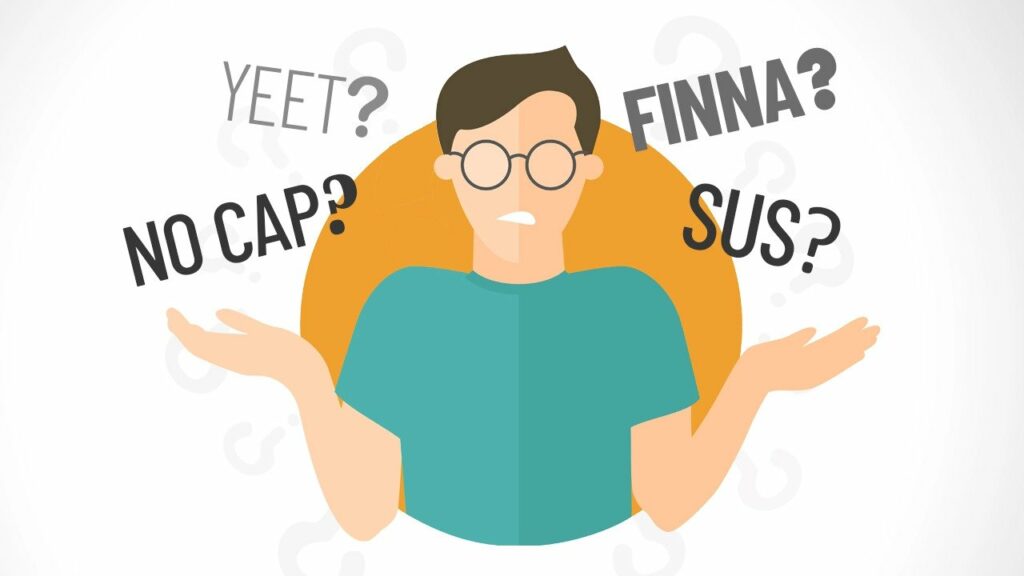
Language evolves lightning in today’s digital age, creating a unique communication gap between parents and their Gen Z children. You might hear your teenagers using words that sound like a completely different language – because in many ways, it is.
Understanding Gen Z slang isn’t just about keeping up with trends. It’s a gateway to meaningful connections with your children during their formative years. When you grasp the nuances of their language, you gain insights into their world, values, and experiences.
Each generation has crafted its own linguistic identity:
- Baby Boomers brought us “groovy” and “far out”
- Gen X gave birth to “rad” and “as if”
- Millennials popularized “lit” and “on fleek”
- Gen Z now shapes language through social media, memes, and viral content
The rapid evolution of Gen Z slang reflects profound cultural shifts. Their vocabulary emerges from a world of TikTok trends, Instagram reels, and Twitter threads. These terms aren’t just random words – they’re cultural touchstones that reveal how your children view and interact with the world.
Ready to decode the language of Gen Z? Let’s explore 11 essential slang terms that will help you bridge the generational divide and strengthen your relationship with your children.
What is Gen Z Slang?
Gen Z slang represents a unique linguistic evolution shaped by digital culture, social media, and rapid information sharing. It’s characterized by:
- Short-form expressions: Abbreviated words and phrases designed for quick communication
- Meme-inspired vocabulary: Terms born from viral content and internet culture
- Platform-specific language: Different expressions popularized on TikTok, Instagram, or Discord
- Cultural references: Words derived from gaming, music, and online entertainment
Gen Z’s language differs significantly from that of previous generations. While Gen X created slang through music and counterculture movements (“rad,” “bogus”), and Millennials developed terms through early internet culture (“LOL,” “OMG”), Gen Z’s slang emerges from a fully digital ecosystem.
Social media platforms act as linguistic laboratories for Gen Z slang creation and distribution:
- TikTok drives rapid word adoption through viral trends
- Twitter spawns new meanings for existing words
- Instagram popularizes visual-based expressions
- Discord creates gaming-specific terminology
The instant nature of social media allows new slang terms to spread globally within hours. A word can go from niche usage to mainstream adoption in days, creating a dynamic vocabulary that constantly evolves and shifts meaning based on context and current trends.
This digital-first approach to language creation sets Gen Z slang apart from traditional linguistic evolution, making it fascinating and challenging for parents to track and understand.
Why Should Parents Learn Gen Z Slang?
Learning Gen Z slang goes beyond staying “hip” or “cool” – it’s about creating meaningful connections with your children. Understanding their language gives you valuable insights into their world, thoughts, and experiences.
1. Enhanced Communication
- Decode social media conversations and text messages
- Recognize potential red flags in online interactions
- Participate in casual conversations without awkwardness
2. Trust Building
- Show genuine interest in your child’s culture
- Create opportunities for open dialogue
- Break down communication barriers naturally
3. Cultural Understanding
- Grasp references in music, movies, and social media
- Identify trends affecting your child’s social circle
- Connect with their interests authentically
Your effort to learn Gen Z slang signals respect for your child’s identity and experiences. This knowledge helps you navigate sensitive topics, offer relevant advice, and maintain a strong parent-child relationship during the challenging teenage years.
Research shows that parents who understand youth culture and language report stronger bonds with their children. This understanding creates a safe space where kids feel comfortable sharing their thoughts, concerns, and daily experiences without fear of judgment or misunderstanding.
The impact extends beyond casual conversations – it helps you spot potential issues, celebrate achievements, and provide emotional support in ways that resonate with your Gen Z child.
11 Essential Gen Z Slangs Every Parent Should Know
Understanding Gen Z slang helps bridge communication gaps between parents and children. Here’s a comprehensive list of popular Gen Z expressions you’ll likely encounter in your teen’s conversations.
1. Rizz
“Rizz” stands for charisma, particularly in romantic situations. It’s a shortened form of the word “charisma” and describes someone’s ability to attract or charm potential romantic interests.
Common usage examples:
- “That guy has mad rizz” – indicating someone is particularly charming
- “Zero rizz behavior” – pointing out awkward or unsuccessful flirting attempts
- “Your rizz game is strong” – complimenting someone’s romantic appeal
The term gained massive popularity through social media platforms like TikTok and Twitter, where users share “rizz tips” or comment on others’ flirting abilities. You might hear your teen use this term when:
- Discussing dating scenarios
- Commenting on TV shows or movies
- Talking about social interactions at school
- Describing someone’s confidence level
Real-world context:
- A student successfully asking someone to prom
- A confident presentation in class
- Smooth handling of awkward social situations
The term “rizz” has become so prevalent that Oxford Dictionary named it the word of the year for 2023, highlighting its significance in modern youth culture.
2. GOAT
“GOAT” stands for Greatest Of All Time – a powerful term Gen Z uses to express ultimate admiration. Your teen might drop this term when discussing their favorite athletes, musicians, or anyone they consider exceptional in their field.
The term gained massive popularity in sports culture, particularly through debates about legendary athletes like Michael Jordan, Lionel Messi, or Serena Williams. You’ll hear phrases like “Tom Brady is the GOAT of football” or “Taylor Swift is the GOAT of pop music.”
Gen Z has expanded GOAT’s use beyond celebrities. They might call their favorite teacher “the GOAT” for making lessons fun, or praise their friend as “GOAT behavior” for doing something impressive. The term carries significant weight – it’s not just a casual compliment but a declaration of someone’s unmatched excellence.
3. Sus
“Sus” comes from the popular online game Among Us and quickly became a favorite among Gen Z. It stands for “suspicious” and is used to express doubt or skepticism about someone’s behavior or statements.
You might hear your teen say:
- “That story sounds kinda sus”
- “He’s acting sus lately”
- “The way she changed her story is sus”
The term became widely popular during the 2020 lockdown when Among Us was all over social media. In the game, players use “sus” to identify potential impostors, but Gen Z has started using it in real life situations where something seems off or questionable.
Parents should know that “sus” doesn’t always have serious meanings – it’s often used playfully among friends to tease each other or point out inconsistencies in casual conversations.
4. Gyat
“Gyat” is a slang term used by Gen Z to express admiration for someone’s physical appearance, specifically their butt. It became popular on TikTok and other social media platforms.
This term reflects Gen Z’s attitude towards body positivity and self-expression. Young people use “gyat” in different situations:
- As a fun compliment among friends
- In reaction videos or comments
- When talking casually about attractive celebrities
- In memes and internet humor
Parents should understand that while “gyat” is usually used in a playful way, it’s important to talk about when it’s appropriate to use comments about someone’s appearance and to show respect. The term shows that Gen Z is more open about appreciating bodies, but it should be used carefully and respectfully.
The word often appears in phrases like:
- “She got that gyat”
- “Gyat alert”
- “The gyat is real”
5. Sigma
“Sigma” represents a unique social archetype in Gen Z culture – someone who stands out by deliberately choosing not to follow the crowd. Unlike traditional “alpha” leaders who thrive on social attention, a sigma person creates their own path and succeeds through independence.
You might hear your teen describe someone as “such a sigma” when talking about a classmate who:
- Confidently does their own thing without seeking approval
- Achieves success while staying mysterious
- Shows leadership qualities without actively trying to lead
- Maintains a strong sense of self without conforming to social pressures
The appeal of being labeled a “sigma” lies in its association with quiet confidence and authenticity. Gen Z values these traits as they represent breaking free from social media pressure to constantly seek validation. A sigma mindset encourages young people to embrace their individuality rather than following trending behaviors.
6. Fanum Tax
“Fanum Tax” refers to the unwritten rule of sharing food, whether you want to or not. This term became popular on social media, especially through content creator Fanum, who gained fame for taking bites of his friends’ food without permission.
This slang resonates with many families, particularly those with multiple kids. You might overhear your teenager saying, “My brother always takes Fanum Tax from my snacks” or “I had to hide my chips because of Fanum Tax.”
The phrase adds humor to what could be an irritating situation. Parents may recognize this behavior from their own upbringing – that sibling who always “tastes” everyone else’s food. It’s the contemporary version of “Joey doesn’t share food!” from the TV show Friends, but with a Gen Z twist.
Common usage examples:
- “Don’t Fanum Tax my fries!”
- “I lost half my sandwich to Fanum Tax”
- “Time to collect my Fanum Tax from your plate”
7. Skibidi
“Skibidi” is one of Gen Z’s most versatile slang terms. It can be used to express both positive and negative meanings depending on the context. The term gained massive popularity through TikTok trends and viral videos.
You might hear your teen use “skibidi” to describe:
- Something incredibly bizarre or crazy
- An impressive or cool situation
- A reaction to unexpected events
- A playful way to describe chaotic behavior
Common Usage Examples:
- “That party last night was so skibidi!”
- “The way he just answered that question was totally skibidi.”
- “Mom, your dance moves are kinda skibidi right now.”
The term’s flexibility makes it particularly useful in casual conversations, as it can adapt to various situations while maintaining its core essence of describing something out of the ordinary.
8. Bussin’
Bussin’ is Gen Z’s way of giving something their highest approval, especially when it comes to food. When your teen says a meal is “bussin’,” it means they’re extremely satisfied – it’s not just delicious, it’s absolutely amazing.
The meaning of bussin’ has expanded beyond food to describe anything exceptionally good:
- “This new pizza place is bussin’ fr fr” (translation: this pizza place is genuinely amazing)
- “Mom’s homemade cookies are straight bussin'” (translation: these cookies are incredible)
- “The concert last night was bussin'” (translation: the concert was fantastic)
Gen Z often emphasizes this term by adding “fr fr” (for real, for real) or “no cap” (no lie) to strengthen their enthusiasm. You might also hear variations like “bussin’ bussin'” – a doubled emphasis indicating something is extraordinarily good.
The term comes from African American Vernacular English (AAVE) and became widely popular through TikTok food reviews and reaction videos.
9. Cap
“Cap” is a term used by Gen Z to call out lies or exaggerations in conversations. When someone says “no cap,” they’re emphasizing their honesty – it’s the same as saying “no lie” or “for real.” This term became popular through social media platforms, especially TikTok and Twitter.
Here are some common variations you might come across in social media comments:
- “That’s cap” – calling out a false statement
- “Stop capping” – telling someone to stop lying
- “Fr fr no cap” – emphasizing absolute truth
Real-world example:
Teen 1: “I got straight A’s without studying”
Teen 2: “Cap! I saw you in the library every day last week”
The term has become so widespread that it’s crossed over into mainstream culture, with brands and influencers incorporating it into their content to connect with younger audiences. Parents might hear their kids using this term during casual conversations about school achievements, social situations, or when discussing online content.
10. Steeze
“Steeze” combines the words “style” and “ease” to describe someone’s effortlessly cool appearance or behavior. When Gen Z describes someone as having steeze, they’re highlighting that person’s natural ability to look fashionable without trying too hard.
The term gained popularity in skateboarding and snowboarding communities, where athletes showcase their smooth, stylish moves. You might hear your teen say:
- “That outfit has so much steeze”
- “Her dance moves are pure steeze”
The concept of steeze reflects Gen Z’s appreciation for authenticity in fashion and self-expression. Unlike previous generations’ focus on brand names or trending styles, steeze celebrates individual flair and natural confidence. This shift marks Gen Z’s movement away from manufactured coolness toward genuine self-expression in fashion and personal style.
Understanding Gen Z slang opens doors to meaningful connections with your children. These terms aren’t just trendy words – they represent cultural shifts, social values, and the unique perspectives of today’s youth.
The language landscape continues to evolve at lightning speed. Gen Alpha is already developing their own vocabulary, building upon and transforming Gen Z expressions. You’ll notice terms like “bet” and “bussin'” crossing generational lines, while new phrases emerge through platforms like TikTok and Instagram.
Key takeaways for parents:
- Stay curious about new terms your children use
- Ask questions about slang meanings in a genuine, non-judgmental way
- Use these terms naturally – forced usage can feel inauthentic
- Remember that slang evolves rapidly – what’s cool today might be “cheugy” tomorrow
Learning and using these expressions shows your children you value their world and experiences. Your effort to bridge the generational language gap demonstrates respect for their culture and creates opportunities for deeper conversations.
The next time your teen describes something as “bussin'” or calls someone “sus,” you’ll not only understand the meaning but also appreciate the rich cultural context behind these expressions. This shared language builds trust, strengthens bonds, and keeps communication channels open in your family.