


As a parent, you are key in keeping your child healthy, including their cholesterol levels. Knowing kids’ cholesterol levels can affect their health later on is important. The National Heart, Lung, and Blood Institute suggests checking kids’ cholesterol between 9 and 11 years old and again between 17 and 21 years old.
It is important to spot any cholesterol problems early and prevent them. It helps keep your child’s cholesterol levels healthy.
About one in five teens has unhealthy cholesterol levels, which shows why it’s so important to watch their cholesterol. Knowing your child’s cholesterol levels and acting early can lower their risk of heart disease and other health issues.
Early screening is key to finding and preventing cholesterol problems. It helps keep your child’s cholesterol levels in check and ensures that their overall health is good.
Cholesterol Levels in Children


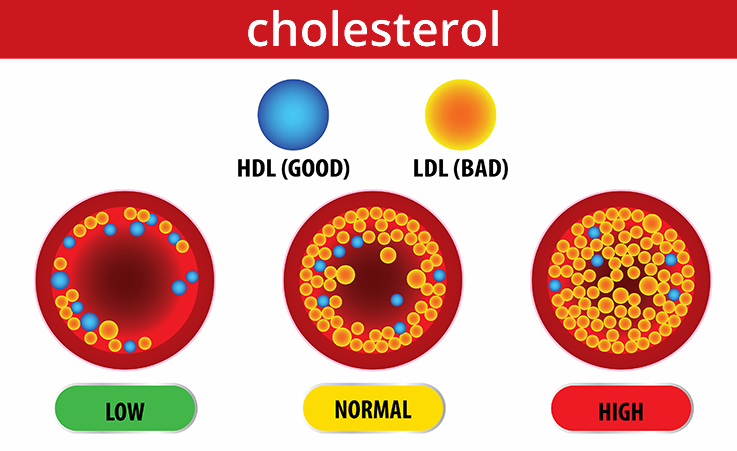
Knowing how cholesterol works in kids is key for parents. Cholesterol is important for our bodies. Watching HDL, LDL, and triglycerides is vital to keep healthy cholesterol in children. In Nigeria, young people are growing worried about cholesterol. It’s important to teach and spread the word about this.
To manage cholesterol in kids, it’s important to know the right total cholesterol levels. These levels should be under 170 mg/dL for kids. Also, regular childhood cholesterol screening is a must. The American Academy of Pediatrics suggests checking lipid levels for kids aged 9-11 and 17-21.
Key Components to Monitor
- HDL (good) cholesterol: greater than 45 mg/dL
- LDL (bad) cholesterol: less than 110 mg/dL
- Triglycerides: less than 75 mg/dL for children aged 0-9 and less than 90 mg/dL for children aged 10-19
Knowing these parts and keeping healthy cholesterol in children is important. It helps your child develop good habits. This reduces the risk of heart disease and strokes later on. Regular childhood cholesterol screening and managing cholesterol in kids are key for a healthy future.
Why Your Child’s Heart Health Can’t Wait
As a parent, it’s key to act early to stop high cholesterol in kids. The American Heart Association says kids should get their first cholesterol check between 9 and 11 years old. This early test is important to spot problems early and prevent them.
Knowing the dangers of high cholesterol helps parents encourage healthy habits. The first steps are a good diet and regular exercise. Eating lots of fruits, veggies, whole grains, and low-fat dairy is good for the heart. Activities like walking, running, or swimming boost health and lower cholesterol risk.
Parents guide their kids to make smart lifestyle choices by choosing heart-healthy options. This helps keep their heart healthy and lowers the chance of high cholesterol. Focusing on children’s heart health is vital to ensure their overall well-being. By working with a healthcare provider, parents can help their children make healthy choices and prevent high cholesterol.
The Hidden Risks of Delayed Cholesterol Screening
As a parent, you want the best for your child’s health. Their pediatric lipid profile is key to spotting heart health risks. Delayed cholesterol tests can lead to heart disease and stroke.
Knowing the early signs of high blood pressure, diabetes, and obesity is vital. Taking action early can prevent these issues. Screening for cholesterol is critical to keeping your child’s heart healthy.
Early Warning Signs to Watch For
- High blood pressure
- Diabetes
- Obesity
Long-term Impact on Cardiovascular Health
Atherosclerosis starts to speed up around age 10, making early screening very important. The American Academy of Pediatrics suggests testing children aged 2 to 10 with a family history of heart issues.
The Cost of Postponing Tests
Waiting too long for cholesterol tests can be very risky. It can lead to heart disease and stroke. It’s important to act early to protect your child’s heart health.
| Age Group | Recommended Cholesterol Screening |
|---|---|
| 2-10 years | Cholesterol testing if there is a family history of early heart attacks or coronary events |
| 9-11 years | Universal cholesterol screening |
When Should Your Child Get Their First Screening?
As a parent, keeping an eye on your child’s cholesterol levels in children is key for their heart health. The American Academy of Pediatrics suggests cholesterol tests for kids between 9 and 11 years old. But, some kids might need tests sooner, based on their family history and other risk factors.
Talking to a healthcare provider is important to determine when your child should get their first test. Children’s cholesterol levels can be affected by many things, like diet, exercise, and genes. By watching their cholesterol, you can spot risks early and take steps to keep them healthy.
| Age Group | Recommended Cholesterol Screening |
|---|---|
| 2-8 years | Screening may be recommended for children with high cholesterol risk factors |
| 9-11 years | First cholesterol screening recommended for all children |
| 12-16 years | Screening every 5 years or sooner based on risk factors |
| 17-21 years | Screening recommended for adolescents |
By following these guidelines and talking to a healthcare provider, you can make sure your child’s cholesterol levels in children are healthy. This helps keep their heart in top shape and promotes their overall health.
Breaking Down Your Child’s Lipid Profile Results
Understanding your child’s lipid profile results is key. It helps spot issues early and prevent heart problems later. A lipid profile test checks different cholesterol and triglyceride levels in the blood. Knowing these levels is vital for your child’s heart health.
For kids aged 2 to 19, total cholesterol should be under 170 mg/dl. LDL should be under 110 mg/dl, and HDL should be over 45 mg/dl. Triglycerides should be under 100 mg/dl for kids under 9 and under 130 mg/dl for those 10 and older.
Understanding the Numbers
Let’s look at what each number means in a lipid profile:
- LDL (Low-Density Lipoprotein): should be less than 110 mg/dl
- HDL (High-Density Lipoprotein): should be greater than 45 mg/dl
- Triglycerides: should be less than 100 mg/dl for children under 9 years and less than 130 mg/dl for those aged 10 years and older
Normal Ranges for Different Age Groups
Normal ranges change with age. Here’s a table showing what’s normal for different ages:
| Age Group | LDL | HDL | Triglycerides |
|---|---|---|---|
| 2-8 years | > 45 mg/dl | ||
| 9-11 years | > 45 mg/dl | ||
| 12-19 years | > 45 mg/dl |
Red Flags in Test Results
High LDL or triglycerides in your child’s test results are a warning sign. It’s important to manage cholesterol in kids to avoid heart disease. Work with your healthcare provider to create a plan to check your child’s cholesterol levels.
Nigerian Diet and Its Impact on Children’s Cholesterol
The Nigerian diet greatly affects children’s heart health. Eating lots of fruits, veggies, and whole grains helps keep children’s cholesterol healthy. But, a diet full of saturated fats and cholesterol can raise heart disease risks.
A study looked at Nigerian kids’ eating habits. It found big differences in what they eat. Here’s what it showed:
| Food Item | Percentage of Rural Children | Percentage of Urban Children |
|---|---|---|
| Cooked food for breakfast | 71.88% | 27.12% |
| Packed lunch to school | 61.46% | 80.51% |
| Fruit consumption | 77.08% | 55.08% |
These results show why it’s important for parents and caregivers to teach kids to eat well. This helps their heart health and keeps healthy cholesterol levels.
Lifestyle Changes That Make a Difference
Keeping kids’ cholesterol levels healthy is key for their well-being. A family approach to living healthy, including exercise and a balanced diet, is vital. It helps keep their hearts strong. Matching exercise to a child’s age is important to ensure it’s right for them.
Adding foods like oatmeal, kidney beans, and apples to their diet can also help. These foods are good for controlling cholesterol and supporting a healthy lipid profile in kids.
Regular exercise, like walking or jogging, can lower cholesterol risk in children. Aim for 60 minutes of moderate exercise daily. This boosts health and lowers heart disease risk. By adopting these habits, parents can teach their kids to stay healthy for life.
Common Myths About Pediatric Cholesterol Management
Managing cholesterol in kids is often clouded by myths and misconceptions. Childhood cholesterol screening is key to spotting issues early. Many believe cholesterol problems only hit adults. But, high cholesterol can affect anyone, including children.
Some think obesity is the main cause of high cholesterol in kids. While being overweight can raise cholesterol levels, it’s not the only reason. Familial hypercholesterolemia, a genetic condition, can also lead to high cholesterol in children. Kids with this condition are just as likely to be at a healthy weight as their peers.
Here are some important facts about managing cholesterol in kids:
- Doctors recommend cholesterol screening for all kids between 9 and 11, and again between 17 and 21.
- Early screening allows families to improve diet and activity, helping prevent future health issues.
- A healthy diet and lifestyle can greatly lower the risk of heart problems. These problems start with plaque buildup in childhood and can lead to heart disease.
Knowing the facts and myths about managing cholesterol in children can help parents support their children’s heart health. This includes making smart choices about managing cholesterol in children and ensuring they get regular childhood cholesterol screening.
Working with Your Healthcare Provider
As a parent, you are key in keeping your child’s children’s heart health in check. Working with a healthcare provider is vital. It ensures your child gets the best care for their pediatric cholesterol levels. You know your child’s health is safe with the right pediatric specialist.
Your healthcare provider will help make a plan for your child’s cholesterol. This might include healthy eating and exercise. Or, they might suggest medication if needed. Regular visits will track your child’s progress and catch any problems early.
Key Questions to Ask Your Healthcare Provider
- What are the recommended pediatric cholesterol levels for my child’s age group?
- What lifestyle changes can we make to help manage my child’s children’s heart health?
- What are the risks and benefits of medication, if necessary?
You can keep your child’s pediatric cholesterol levels healthy by teaming up with your healthcare provider. This reduces the risk of heart disease as they grow older. Always schedule regular check-ups and follow the plan to keep your child’s children’s heart health a priority.
Taking Action Today for Your Child’s Heart Health Tomorrow
As a parent, you have a big role in preventing high cholesterol in kids and keeping their hearts healthy. By starting early, you can teach your child good habits for life. It’s important to check your child’s cholesterol regularly to see if it’s high.
High cholesterol can lead to serious health issues. So, it’s key to act now.
Here are some ways to help your child stay healthy:
- Encourage a balanced diet with less saturated and trans fats
- Support regular exercise, like walking or sports
- Work with your healthcare provider to manage cholesterol levels
You can keep your child’s cholesterol in check by teaming up with your healthcare provider. This helps avoid heart problems later on. Remember, every step you take today can help your child’s heart stay healthy for years.
Conclusion
Early screening and proactive steps are key to keeping cholesterol levels healthy in kids. Understanding the risks and promoting healthy habits can support your child’s heart health. It’s important to start caring for your child’s heart early.
Work with your healthcare provider to ensure your child gets regular cholesterol checks. Watch for early signs and act quickly if you notice anything. This way, you can help your child develop good habits for life and lower their risk of heart problems later on.
Investing in your child’s heart health will benefit them in the long run. Take this chance to ensure your child has a healthy and vibrant life ahead. With your commitment and medical advice, you can help your child maintain healthy cholesterol levels and a strong heart.
FAQ
What makes children’s cholesterol levels different from adults?
Children’s cholesterol levels are unique compared to adults. It’s key to watch HDL, LDL, and triglycerides. Knowing these differences helps keep your child’s heart healthy.
Why is there a rising concern about cholesterol levels in Nigerian youth?
Cholesterol levels in Nigerian children and teens are rising. It’s vital to educate and raise awareness, which helps protect the heart health of young people.
What are the early warning signs of high cholesterol in children?
Look out for high blood pressure, diabetes, and obesity. Catching these early can stop heart disease and stroke later.
When should my child get their first cholesterol screening?
The American Academy of Pediatrics suggests cholesterol tests for kids between 9 and 11. Some might need it earlier, based on family history and risk factors. Always check with your doctor for the right time.
How can the Nigerian diet impact my child’s cholesterol levels?
The Nigerian diet greatly affects kids’ cholesterol levels. Eating lots of fruits, veggies, and whole grains is good. But, a diet full of saturated fats and cholesterol is bad for heart health.
What are some common myths about pediatric cholesterol management?
Many myths surround managing cholesterol in kids. Knowing the truth can help you make smart choices for your child’s heart health.
How can I work with my healthcare provider to maintain my child’s healthy cholesterol levels?
Working with your healthcare provider is key to managing your child’s cholesterol. Find a good pediatric specialist, ask the right questions, and set up a monitoring plan to ensure your child gets the best care.