


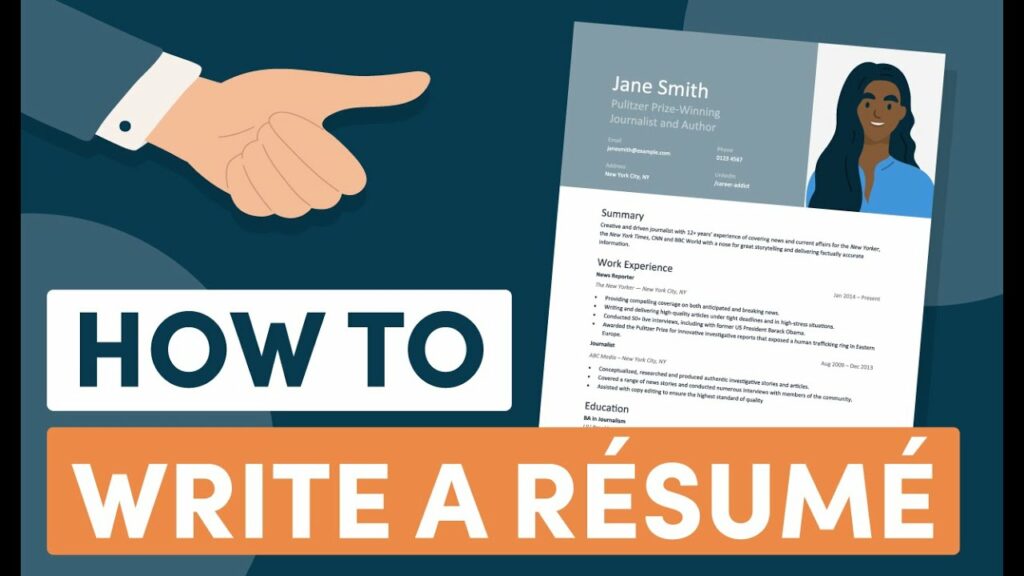
Creating a well-crafted resume is key when looking for a new job. Your resume is like a personal marketing tool. It shows off your skills and abilities to employers.
A winning resume boosts your hiring chances. It showcases your strengths and experiences. This makes it easier for hiring managers to see you as a top choice.
Good resume writing tips can help you make a standout resume. Focus on being clear, relevant, and impactful. This way, you can show your value to employers effectively.
The Purpose of Your Resume
Knowing what your resume is for is critical. It’s a peek into your career, showing off your skills, experience, and wins.
A good resume shows you’re a great fit for the job. It’s important to make your resume match the job description. This way, you highlight the right skills and qualifications for the employer.
| Resume Purpose | Description | Benefits |
|---|---|---|
| Showcase Professional Background | Highlight skills, experience, and achievements | Demonstrates suitability for the role |
| Tailor to Job Description | Match skills and qualifications to job requirements | Increases chances of passing through applicant tracking systems |
| Make a Positive First Impression | Use clear and concise language, proper formatting | Grabs the attention of potentials employers |
By understanding your resume’s purpose and using smart strategies, you boost your chances of getting an interview.
Gathering Your Professional Information
Before you start writing your resume, gather all your professional details. This includes your work history, education, skills, and any achievements or certifications. Having everything organized makes it easier to tailor your resume for the job you want.
Studies show hiring managers scan a resume in just 10 seconds. So, it’s key to show your relevant skills and why you’re the best choice quickly. Use clear headings, bullet points, and white space to make your resume easy to read and scan. Organize your info in a logical order and follow standard resume format guidelines to be taken seriously.
By organizing your professional information well, you’ll create a strong, compelling resume. It will showcase your strengths and help you stand out from others.
Choosing the Right Resume Format
Choosing the right resume format is key to making a good first impression. The format you pick can greatly affect how your skills and experience are seen.
There are three main resume formats: chronological, functional, and combination. Knowing the good and bad of each is vital for writing a professional resume.
Chronological Resume Format
A chronological resume lists your work experience in reverse order. It’s best for those with a steady work history. Employers like it because it shows your career growth clearly.
Functional Resume Format
A functional resume highlights your skills and qualifications, not your work history. It’s great for those with employment gaps or career changes.
Combination Resume Format
A combination resume combines your work history and skills. It’s flexible and suits many career levels and goals. This makes it a favorite among job seekers.
When picking a resume format, think about your career stage, the job you’re aiming for, and what you prefer. Choosing the right format means showing off your strengths and hiding your weaknesses.
How to Write a Winning Resume: Section by Section
To stand out in a competitive job market, it’s key to write a resume that shows your strengths. A well-structured resume grabs the attention of employers.
When writing your resume, use action verbs to describe your skills and achievements. For current duties, use the present tense. For past tasks, use the past tense. This makes your professional journey clear.
Key Sections of a Resume
- Contact Information
- Professional Summary/Objective
- Education and Certifications
- Work Experience
- Skills
Quantifying your achievements is another important part of cv writing best practices. By adding specific numbers and metrics, you show the impact of your work.
| Action Verb | Quantifiable Achievement | Example |
|---|---|---|
| Managed | Increased sales by 25% | “Managed a team that increased sales by 25% within 6 months.” |
| Created | Developed a project plan | “Created a project plan that improved delivery times by 30%.” |
Tailoring your resume to the job description is also vital. It helps your resume pass through ATS and catch the hiring manager’s eye.
Using Action Words and Quantifiable Achievements
When you write a resume, using action verbs and specific achievements can really make it pop. Words like “managed,” “created,” “developed,” and “increased” are great for showing off your skills and wins. Make sure to use the present tense for what you’re doing now and the past tense for what you’ve done before. This keeps your resume clear and to the point.
To really make your achievements shine, you should put numbers on them. Instead of saying “responsible for increasing sales,” say “increased sales by 25%.” Numbers show exactly what you’ve done, making your resume more interesting to employers. For example, “managed a team of 10 people” or “reduced project delivery time by 30%.” These specific numbers show how much you’ve contributed.
Some top action verbs to use are “achieved,” “improved,” “enhanced,” and “spearheaded.” By adding these words and numbers to your achievements, you’ll make your resume stand out. This not only makes your resume more visible but also more engaging for hiring managers.
Optimizing Your Resume for Applicant Tracking Systems
Applicant tracking systems are now common in hiring. They help companies sort through resumes. To beat the ATS and reach a hiring manager, your resume must be optimized.
It’s key to include job description keywords in your resume. Read the job posting carefully. Then, add the right terms to your work experience and skills sections.
Key Strategies for ATS Optimization
- Use keywords from the job description
- Structure your resume with clear headings
- Avoid graphics and tables
- Save your resume in a compatible format (e.g., .docx or .pdf)
| ATS Optimization Tips | Benefits |
|---|---|
| Use relevant keywords | Increases visibility to ATS |
| Clear headings and sections | Improves readability for ATS |
| Avoiding graphics and tables | Reduces risk of ATS parsing errors |
By using these tips, your resume has a better chance of getting past ATS filters. It will then reach a hiring manager. Good resume writing for ATS means showing your skills and making sure your resume works with these systems.
Common Resume Mistakes to Avoid
Steering clear of mistakes is key when building your resume. A resume that doesn’t match the job description won’t impress hiring managers. It’s a big turn-off.
To avoid this, make sure your resume fits each job you apply for. Highlight the skills and experiences that matter. Also, keep your resume easy to read by using a clean layout and clear headings.
Don’t let grammatical errors and typos ruin your resume. Proofread it many times. Ask a friend or a professional to check it too.
| Common Mistake | Impact | Solution |
|---|---|---|
| Lack of relevance to job description | Resume may be dismissed | Tailor your resume to the job |
| Poor formatting | Difficult to read | Use a clean and simple layout |
| Grammatical errors and typos | Unprofessional impression | Proofread multiple times |
By avoiding these mistakes and following good strategies, you can boost your chances of getting an interview.
Final Steps to Ensure Your Resume Gets You Hired
After making a well-structured resume, the next step is to follow up with the hiring manager. This shows you’re really interested in the job. It also shows how excited you are about the opportunity.
When following up, think about sending a personalized email or making a call. Tell the hiring manager again how much you want the job. Also, explain how your skills match what they need. This can make you stand out and leave a good impression.
Putting together a great resume and following up can really help you get hired. Stay confident and ready for what comes next in the hiring process.