


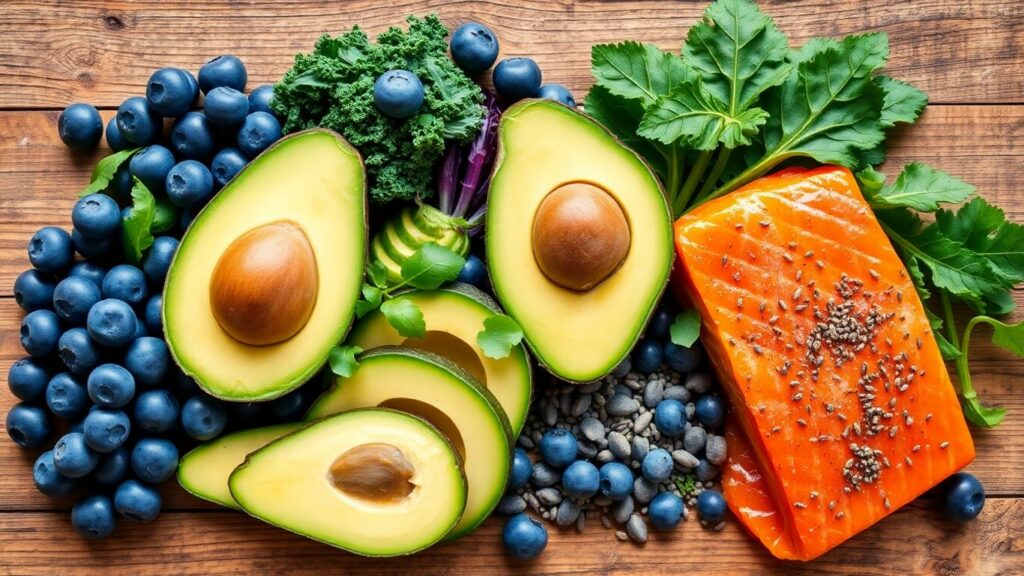
Everywhere you look, someone is talking about superfoods at the gym, in grocery stores, and your Instagram feed is probably filled with acai bowls. People ask, “Are superfoods healthy?” and “What are the best superfoods for health?”
But before jumping on the train, it helps to know what actually sets the so-called superfoods apart, and how marketing plays into the mix.
What Sets Superfoods Apart from Other Foods
There’s actually no formal definition of “superfood” from nutrition experts or the FDA. Typically, these foods get their label because they’re packed with things like vitamins, minerals, fiber, and antioxidants. But does it mean they’re the only answer to a healthy diet? Not exactly. Here’s what makes them stand out, at least in theory:
- High Nutrient Density: Superfoods often deliver more nutrients per calorie compared to other options. Think: more vitamins and antioxidants in fewer bites.
- Linked to Health Benefits: Research links many of these foods to lower disease risk. Blueberries may be good for your heart, salmon brings brain-boosting omega-3s, and kale offers bone-friendly vitamin K.
- Variety of Food Types: Superfoods aren’t just berries. The list includes nuts, seeds, leafy greens, certain fish, and even spices like turmeric or ginger.
But here’s the catch, superfoods work best as part of an overall healthy diet. Relying on just blueberries or chia seeds everyday won’t suddenly transform your health, but adding them can definitely help balance things out.
Quick Comparison: Superfoods vs. “Regular” Healthy Foods
| Feature | Typical Superfood | Common Healthy Food |
|---|---|---|
| Nutrient Density | Very high | Moderate to high |
| Cost | Often more expensive | Usually affordable |
| Marketing Attention | Lots | Less |
| Examples | Goji berries, chia seeds | Apples, carrots |
How Marketing Shapes the Superfood Trend
Let’s be honest, a big reason certain foods become “super” has less to do with science and more to do with selling groceries. Since “superfood” isn’t a regulated term, it’s kind of a marketing free-for-all. Here’s how this plays out:
- Trendy Labels: Products with the “superfood” label are featured in ads, magazine articles, and colorful packaging, sometimes promising more than the science supports.
- Price Jump: The superfood label usually means a higher price. Many people end up spending more for powders, bars, and supplements instead of just buying simple fruits or veggies.
- Narrow Focus: Sometimes marketing pushes folks to stick to a few trendy foods, skipping out on other equally nutritious (but less sexy) options like beans or oats.
At the end of the day, the answer to “are superfoods healthy?” is often yes, but usually not more healthy than a varied, balanced diet filled with all sorts of whole foods. The best superfoods for health might actually be the ones you’ll eat often, and not necessarily the newest thing on the shelf. So if you want to jump on the trend, that’s fine, just remember not to overlook the basics!
Superfoods That Truly Live Up to the Hype
Alright, so everywhere you look, somebody is talking up a new miracle ingredient. It’s easy to wonder: do superfoods really work? Not every so-called superfood is a game changer, but there are a handful out there that research actually backs up.
Science-Backed Superfoods to Add to Your Plate
There’s no magic food, but some really do pack a lot of good stuff into a small package. Here’s a closer look at a few foods that really stand out:
| Superfood | Notable Nutrients | Proven Health Perks |
|---|---|---|
| Blueberries | Antioxidants (anthocyanins), Vitamin C | Support brain health, may help slow cognitive decline |
| Salmon | Omega-3 fats, Protein | Reduces inflammation, helps heart and brain |
| Kale/Leafy Greens | Vitamins A, C, K, Calcium | Boosts immunity, helps bones, lowers chronic risk |
| Walnuts | Omega-3s, Plant protein | Aids brain function, supports heart, fights inflammation |
| Greek Yogurt | Probiotics, Protein, Calcium | Supports digestion, bone health |
| Green Tea | Catechins (antioxidants) | May help with metabolism, brain and heart support |
Now, a lot of folks ask, “do superfoods really work?”, meaning, are they something you’ll actually notice a difference from. The answer: over time, yes, especially if you eat these foods regularly instead of just focusing on one miracle food.
Smart Ways to Incorporate These Foods Daily
Let’s be real: tossing a handful of chia seeds in a smoothie once a month won’t cut it. If you want to see any benefit, consistency is key. Here are some low-stress ways to fit these into life:
- Add blueberries or walnuts to oatmeal or yogurt in the morning.
- Swap in spinach or kale when you make eggs, soups, or sandwiches.
- Throw salmon or sardines into a salad for lunch.
- Make a cup of green tea in the afternoon instead of another round of coffee.
- Stir chia seeds or flaxseed into cereal, baked goods, or homemade energy bars.
- Mix Greek yogurt with fruit for an easy snack.
Nobody’s saying you have to overhaul your life overnight. But picking a couple of these to add each week? That’s how habits really stick. In the end, it’s less about living up to the hype and more about regular, balanced eating.
These science-backed superfoods are worth putting on your grocery list, but the rest is up to you.
Separating Superfood Facts from Fiction
Superfoods get tossed around in headlines, store shelves, and even casual conversations about diets. But what’s real, and what’s just clever marketing? Understanding superfoods benefits and myths is key to getting the most from your meals, without unnecessary hype or disappointment.
Common Myths About Superfoods Debunked
If you believe everything you read, superfoods could seem like miracle cures. But the truth is a bit more down-to-earth. Here are some popular myths about superfoods, along with the real facts:
- Myth: Superfoods provide quick health fixes.
- Fact: No single food will solve nutrient gaps or cure health problems overnight. Balanced eating habits matter more than eating any one “super” food.
- Myth: You have to eat superfoods every day.
- Fact: Nutrition is about variety. Focusing only on so-called superfoods can actually limit your intake of other essential nutrients.
- Myth: Superfoods must be exotic and expensive.
- Fact: Many nutrient-rich foods—like beans, apples, or spinach—offer superfoods nutrition facts comparable to trendy, pricey options.
- Myth: Packaged products labeled “superfood” are always healthy.
- Fact: Many processed foods with a superfood label can be high in sugars or fats. It pays to check the ingredient list, not the front of the box.
Potential Downsides of Superfood Obsession
While there’s nothing wrong with adding nutrient-rich foods to your diet, becoming fixated on superfoods isn’t always helpful. Too much focus on a handful of foods can backfire:
- Dietary Imbalance: Relying heavily on a few foods can crowd out other nutrients your body needs.
- Misinformation: Marketing often exaggerates benefits, leading to disappointment or misplaced trust.
- Costs: Superfoods are sometimes expensive, straining your budget without offering better nutrition.
| Food | Claimed Superfood Benefit | Reality (Nutrition Facts per 100g) |
|---|---|---|
| Kale | “Detoxifies, boosts metabolism” | Vitamin C: 120mg, Vitamin K: 704.8µg, Fiber: 4.1g |
| Acai Berries | “Aids weight loss, anti-aging” | Fiber: 2g, Vitamin A: 15µg; antioxidant effect high but weak evidence for unique benefits |
| Chia Seeds | “Omega-3 powerhouse” | Omega-3: ~5g, Fiber: 34.4g, Protein: 16.5g |
| Blueberries | “Brain-boosting, anti-cancer” | Vitamin C: 9.7mg, Fiber: 2.4g, antioxidants present, but effects modest in real diets |
Key Takeaways for Superfood Seekers
- Don’t get swept up by labels read the nutrition facts and ingredient list.
- Mix up your choices to get a balanced mix of nutrients.
- Remember, everyday foods are just as important as hyped “superfoods.”
Superfoods benefits and myths are everywhere; a little skepticism keeps nutrition grounded.
Frequently Asked Questions
What makes a food a “superfood”?
A superfood is a food that is packed with nutrients like vitamins, minerals, and antioxidants. These foods are often said to help your body stay healthy and fight off diseases. However, there is no official rule or scientific definition for what counts as a superfood. The word is mostly used in marketing to make foods sound extra healthy.
Can eating superfoods alone make you healthier?
No, eating just superfoods will not make you instantly healthy. While superfoods do have lots of good nutrients, your body needs a mix of many different foods to work well. The best way to stay healthy is to eat a variety of foods from all food groups, not just superfoods.
Are superfoods better than regular fruits and vegetables?
Superfoods are not always better than regular fruits and vegetables. Many regular foods, like apples or carrots, are also full of important nutrients. The key is to eat a wide range of foods, because no single food has everything your body needs.