


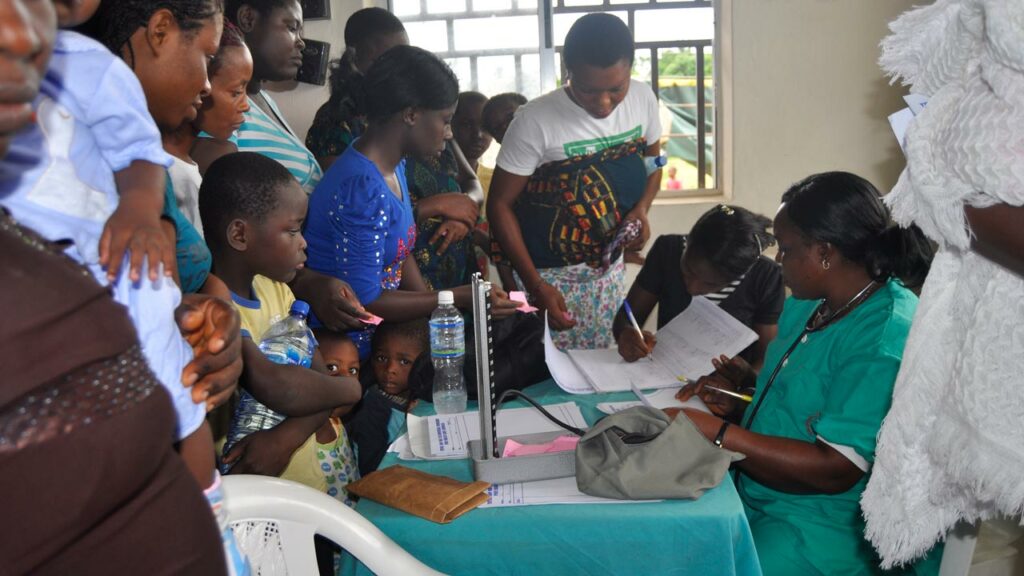
As you explore the healthcare landscape of Nigeria, you’ll discover that community health plays a vital role in addressing the nation’s public health challenges.
This grassroots approach focuses on empowering local populations to take charge of their well-being through education, prevention, and accessible care. In a country grappling with limited resources and a vast rural population, community health initiatives bridge critical gaps in the healthcare system.
By understanding the unique aspects of community health in Nigeria, you’ll gain insight into how this model improves health outcomes, reduces disparities, and builds resilience in communities across Africa’s most populous nation.
Understanding Community Health in Nigeria
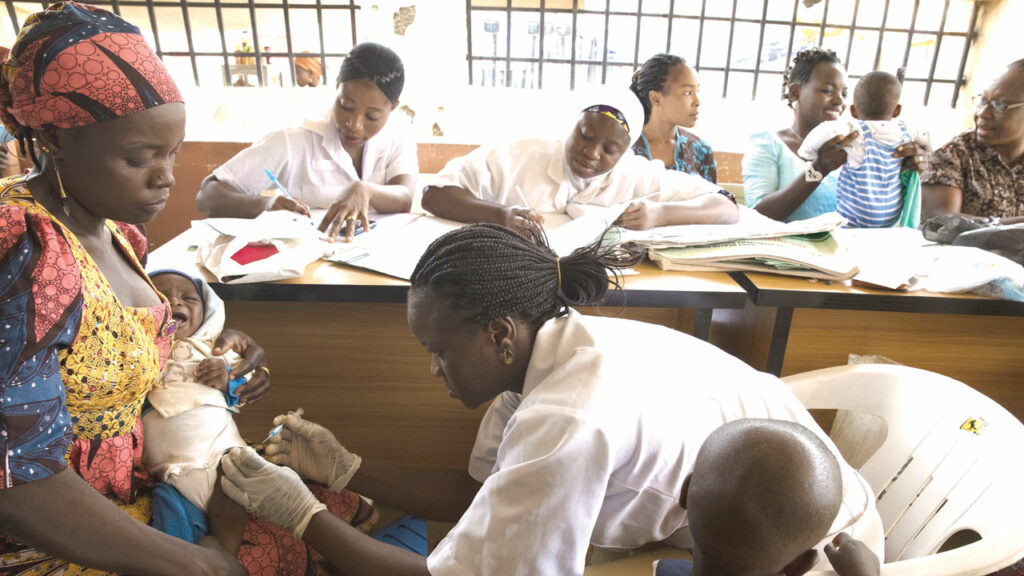
Community health in Nigeria is a vital aspect of the country’s overall healthcare system, focusing on promoting and protecting the well-being of entire populations. This approach recognizes that health isn’t just about individual medical care, but also about creating environments where people can thrive.
At its core, community health in Nigeria involves:
- Preventive care and health education
- Addressing social determinants of health
- Improving access to healthcare services
These efforts aim to reduce the burden of diseases and improve quality of life for all Nigerians.
Nigeria faces unique challenges in implementing effective community health programs. Limited resources, infrastructure gaps, and a diverse population spread across urban and rural areas all pose obstacles. However, these challenges also present opportunities for innovative solutions.
The Role of Community Health Workers
Community health workers play a crucial role in bridging the gap between formal healthcare systems and local communities. These dedicated individuals often come from the communities they serve, providing culturally sensitive care and education.
By focusing on community health, Nigeria is working towards a more equitable and sustainable healthcare system that can better serve its population of over 200 million people.
The History of Community Health in Nigeria
Community health in Nigeria has a rich and complex history, shaped by both traditional practices and modern healthcare initiatives. Let’s take a journey through time to understand how this vital aspect of public health has evolved in Africa’s most populous nation.
Pre-colonial era: Traditional healing practices
Before the arrival of Western medicine, Nigerians relied on traditional healers and herbal remedies. These practices were deeply rooted in cultural beliefs and passed down through generations. While some of these methods lacked scientific backing, they played a crucial role in maintaining the health of communities.
Colonial influence: Introduction of Western medicine
The British colonial era brought significant changes to Nigeria’s healthcare landscape. Western medical practices were introduced, and the first hospitals were established. This period marked the beginning of a shift towards more structured community health programs.
Post-independence: Building a national health system
After gaining independence in 1960, Nigeria faced the challenge of developing its own healthcare system. The government initiated various community health projects, focusing on preventive care and primary health services. However, progress was often hampered by political instability and economic challenges.
In 1988, the Nigerian government established the National Health Policy, which emphasized the importance of community health and primary healthcare.
Modern era: Embracing a holistic approach
Today, community health in Nigeria combines elements of traditional practices with modern medical knowledge. The country has made significant strides in areas such as vaccination programs, maternal health, and disease prevention. However, challenges remain, particularly in rural areas where access to healthcare can be limited.
As Nigeria continues to evolve, so does its approach to community health, striving to provide better care for all its citizens.
Key Components of Community Health
Community health encompasses various elements that work together to promote overall well-being. Here are some key components that form the foundation of effective community health initiatives:
Health Education and Promotion
This component focuses on empowering individuals with knowledge about healthy lifestyles, disease prevention, and proper healthcare practices. It involves organizing workshops, distributing informational materials, and leveraging media to spread awareness.
Access to Healthcare Services
Ensuring that community members can easily access medical facilities, clinics, and healthcare professionals is crucial. This includes both physical accessibility and affordability of services.
Environmental Health
A clean and safe environment plays a vital role in community health. This component addresses issues like proper sanitation, clean water supply, and pollution control.
Nutrition and Food Security
Adequate nutrition is fundamental to good health. Community health programs often include initiatives to improve access to nutritious food and educate people about balanced diets.
Maternal and Child Health
Focusing on the health of mothers and children is essential for building a strong foundation for community health. This includes prenatal care, immunizations, and child development programs.
Disease Prevention and Control
Implementing measures to prevent the spread of communicable diseases and manage chronic conditions is a critical aspect of community health. This involves vaccination campaigns, regular health screenings, and disease management programs.
Mental Health Services
Addressing mental health issues is increasingly recognized as a crucial component of community health. This includes providing counseling services, support groups, and raising awareness about mental health disorders.
Community Engagement and Partnerships
Involving community members in health initiatives and forming partnerships with local organizations can greatly enhance the effectiveness of community health programs. This fosters a sense of ownership and ensures that health interventions are culturally appropriate and sustainable.
The Importance of Community Health in Nigeria
Community health plays a vital role in Nigeria’s overall well-being. Here are some key reasons why it’s so crucial:
Disease Prevention
Community health initiatives focus on preventing diseases before they spread. By educating people about hygiene, vaccinations, and healthy habits, we can stop outbreaks before they start.
Improved Maternal and Child Health
Community health programs often target pregnant women and young children, providing essential care and nutrition. This helps reduce infant mortality and ensures healthier future generations.
Access to Healthcare
In rural areas, community health workers bridge the gap between villagers and medical facilities. They provide basic care and refer serious cases to hospitals, improving overall health access.
Health Education
Community health programs raise awareness about various health issues, empowering people to make informed decisions about their well-being.
Early Detection of Health Problems
Regular community health screenings can catch diseases early, when they’re easier and cheaper to treat.
Mental Health Support
Community health initiatives often include mental health services, addressing a critical but often overlooked aspect of overall health.
Combating Malnutrition
By promoting proper nutrition and providing supplements, community health programs help fight malnutrition, especially in children.
Building Resilient Communities
Strong community health systems help communities better respond to health crises and natural disasters, improving overall resilience.
Common Community Health Challenges in Nigeria
Community health in Nigeria faces several pressing challenges. Let’s dive into some of the most prevalent issues:
Malaria
Malaria remains a significant threat, with Nigeria accounting for 25% of global cases. Poor sanitation and limited access to mosquito nets contribute to its spread.
Maternal and Child Health
High maternal and infant mortality rates persist due to inadequate healthcare facilities and skilled birth attendants.
HIV/AIDS
Despite progress, HIV/AIDS continues to impact communities, with stigma and limited access to antiretroviral therapy hindering prevention efforts.
Malnutrition
Inadequate nutrition, especially among children, leads to stunted growth and weakened immune systems.
Water-borne Diseases
Limited access to clean water and poor sanitation contribute to the spread of cholera, typhoid, and other water-borne illnesses.
Non-communicable Diseases
Rising rates of hypertension, diabetes, and cancer strain the healthcare system, often due to lifestyle changes and lack of awareness.
Mental Health
Limited mental health services and societal stigma leave many Nigerians without proper care for depression, anxiety, and other disorders.
Infectious Disease Outbreaks
Periodic outbreaks of diseases like Lassa fever and meningitis challenge community health resources and preparedness.
Addressing these challenges requires a multifaceted approach, involving government initiatives, community engagement, and improved healthcare infrastructure to enhance overall community health in Nigeria.
Strategies for Improving Community Health Outcomes
These are some of the strategies for Improving community health outcomes:
Health Education and Awareness Programs
To boost community health, education is key. Organize workshops, seminars, and campaigns to inform people about crucial health issues. These programs can cover topics like nutrition, hygiene, and disease prevention, empowering individuals to make better health choices.
Access to Healthcare Services
Improving access to quality healthcare is vital. This might involve setting up mobile clinics, telemedicine services, or community health centers. By bringing care closer to people, we can ensure timely treatment and reduce health disparities.
Environmental Health Initiatives
A clean environment is crucial for community health. Implement programs for proper waste management, water sanitation, and air quality improvement. These efforts can significantly reduce the spread of diseases and promote overall well-being.
Nutrition and Food Security Programs
Tackle malnutrition and hunger through community gardens, food banks, and nutrition education. Ensuring access to healthy, affordable food is fundamental to improving community health outcomes.
Physical Activity Promotion
Encourage regular exercise through community sports programs, fitness classes, and walkable neighborhoods. Physical activity is essential for preventing chronic diseases and promoting mental health.
Mental Health Support
Establish mental health services and support groups within the community. Addressing mental health issues is crucial for overall well-being and can positively impact physical health too.
Maternal and Child Health Programs
Focus on prenatal care, immunizations, and child nutrition to give the next generation a healthy start. These programs can significantly reduce infant mortality and improve long-term health outcomes.
Chronic Disease Management
Implement community-based programs to help manage and prevent chronic diseases like diabetes and hypertension. Regular screenings, support groups, and lifestyle education can make a big difference in community health.
Role of Government and Nonprofits in Community Health
When it comes to community health in Nigeria, both the government and non-profit organizations play crucial roles. These entities work together to improve the overall well-being of communities across the country.
Government Initiatives
The Nigerian government has implemented various programs to enhance community health. These include:
- National Health Insurance Scheme (NHIS)
- Primary Health Care Under One Roof (PHCUOR)
- Midwives Service Scheme (MSS)
These initiatives aim to increase access to healthcare services, especially in rural areas. The government also focuses on disease prevention and health education campaigns to promote better community health practices.
Non-Profit Contributions
Non-profit organizations complement government efforts by:
- Providing additional resources and expertise
- Implementing targeted health interventions
- Raising awareness about specific health issues
Many NGOs work closely with local communities, offering tailored solutions to address unique health challenges. They often fill gaps in healthcare delivery, reaching underserved populations and addressing neglected health issues.
Collaborative Efforts
The most effective community health programs often result from partnerships between government agencies and nonprofits. By combining resources and expertise, these collaborations can create more comprehensive and sustainable health solutions for Nigerian communities. This synergy is crucial in tackling complex health challenges and improving overall public health outcomes.
Empowering Communities for Better Health
Community health in Nigeria is all about putting the power back into the hands of local people. It’s not just about doctors and hospitals, it’s about you and your neighbors working together to create a healthier environment for everyone.
Building Local Health Champions
You don’t need a medical degree to make a difference. Community health initiatives often train local volunteers to become health educators. These champions spread awareness about important issues like hygiene, nutrition, and disease prevention. They’re the friendly faces making sure everyone has access to reliable health information.
Tackling Problems at the Grassroots
What makes community health so effective? It addresses health challenges right where they start. Instead of waiting for people to get sick and go to the hospital, these programs focus on prevention. You might see community clean-up days to reduce mosquito breeding grounds, or cooking classes that teach families how to prepare nutritious meals on a budget.
Strengthening the Health System from the Ground Up
Community health isn’t separate from the formal healthcare system, it’s a vital part of it. By empowering people to take charge of their well-being, it reduces the burden on hospitals and clinics. This allows healthcare professionals to focus on more complex cases, creating a more efficient system overall.
Remember, a healthy community starts with you. Get involved, spread the word, and be part of the change!
Innovative Approaches to Community Health Initiatives
Community health initiatives are evolving rapidly in Nigeria, embracing new strategies to improve public wellbeing. Here are some innovative approaches making waves:
Mobile Health Clinics
These roving clinics bring healthcare directly to underserved areas. Equipped with basic diagnostic tools and medicines, they’re a lifeline for rural communities.
Telemedicine Programs
By leveraging technology, doctors can now consult patients remotely. This approach is breaking down geographical barriers to healthcare access.
Community Health Workers
Local volunteers trained in basic healthcare provide a crucial link between communities and formal health systems. They’re often the first point of contact for health issues.
Microfinance for Health
Innovative programs combine small loans with health education, enabling families to invest in preventive health measures and treatments.
Text Message Health Education
SMS campaigns deliver bite-sized health information directly to people’s phones, reaching even the most remote areas with vital knowledge.
Gamification of Health Education
Interactive games and apps make learning about health fun and engaging, especially for younger generations.
Community Gardens
These initiatives promote nutrition education and food security while fostering community bonds.
Peer-to-Peer Health Networks
Social networks are being harnessed to spread health information and support, creating communities of health-conscious individuals.
These innovative approaches to community health are transforming healthcare delivery in Nigeria, making it more accessible, engaging, and effective.
Overcoming Challenges in Community Health Implementation
Community health initiatives in Nigeria face numerous hurdles, but with perseverance and innovation, these can be overcome. Here are some of the key challenges and strategies to address them:
Limited Resources
You’ll often find that funding and manpower are in short supply. To tackle this, consider partnering with local businesses or seeking international grants. Every little bit helps in stretching your community health budget.
Cultural Barriers
Sometimes, traditional beliefs clash with modern health practices. Bridge this gap by working with respected community leaders to educate and gain trust. Remember, change takes time and patience.
Infrastructure Gaps
Poor roads and unreliable electricity can hinder healthcare delivery. Get creative! Mobile clinics and solar-powered equipment can bring community health services to hard-to-reach areas.
Education and Awareness
Many Nigerians lack basic health knowledge. Combat this by launching engaging health education campaigns. Use local languages and relatable examples to make the information stick.
Political Instability
Shifting policies can disrupt community health programs. Stay flexible and build strong relationships across party lines to ensure your initiatives survive political changes.
By addressing these challenges head-on, you’ll be well on your way to improving community health outcomes in Nigeria.
Frequently Asked Questions
These are some frequently asked questions and answers about Community health in Nigeria.
What is community health in Nigeria?
Community health in Nigeria refers to the collective well-being of people living in specific geographic areas. It encompasses various aspects of public health, including disease prevention, health education, and access to basic healthcare services. Community health initiatives aim to improve the overall health outcomes of Nigerian communities by addressing local health challenges and promoting healthy behaviors.
How does community health impact Nigerian society?
Community health plays a crucial role in Nigeria’s development. By focusing on preventive care and health education, it reduces the burden on the healthcare system and improves productivity.
Healthy communities contribute to economic growth, better educational outcomes, and increased social cohesion. Moreover, strong community health programs help Nigeria make progress towards achieving global health targets and sustainable development goals.
What are some key challenges in Nigerian community health?
Nigeria faces several challenges in implementing effective community health programs. These include:
- Limited access to healthcare facilities in rural areas
- Shortage of trained healthcare workers
- Inadequate funding for health initiatives
- Cultural barriers to health-seeking behaviors
- High prevalence of infectious diseases
Addressing these challenges requires coordinated efforts from government agencies, non-governmental organizations, and local communities to strengthen the community health system in Nigeria.
Conclusion
As you’ve seen, community health in Nigeria faces significant challenges but also holds great promise. By addressing key issues like access to care, disease prevention, and health education, you can play a vital role in improving outcomes.
Remember that community health extends beyond medical treatment to encompass social, economic, and environmental factors. Your engagement, whether through volunteerism, advocacy, or support of local initiatives, can make a tangible difference.
As Nigeria continues working to strengthen its healthcare system, community-based approaches will be essential. With sustained effort and collaboration among all stakeholders, a healthier future for Nigerian communities is within reach. The journey to better community health starts with you.