


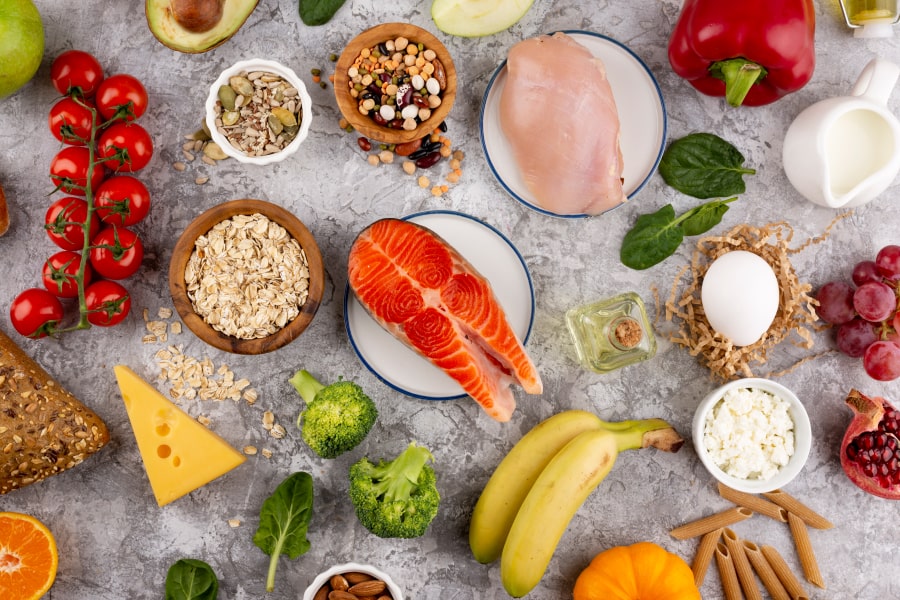
A healthy digestive system is key to feeling good. A gut-friendly diet can help a lot. This 30-day plan is all about improving digestion and boosting your immune system. It focuses on foods high in fiber and probiotics.
This guide makes it easy to boost your gut health. By following it, you’ll get about 39 grams of fiber daily. This is vital for a healthy gut.
The plan includes many foods that are good for your digestion. This makes it simple and enjoyable to eat well.
The Gut Microbiome and Its Impact on Health
The gut microbiome is a complex ecosystem that greatly affects our health. It helps with nutrient absorption and immune function. It’s home to trillions of microorganisms in our gastrointestinal tract. They help digest carbs, make vitamins, and keep our immune system strong.


Keeping the gut microbiome in balance is key to good health. An imbalance, or dysbiosis, can cause digestive issues and weaken our immune system. Eating a balanced diet and using supplements can help keep this balance.
A healthy gut microbiome also affects our mood and brain function. So, it’s important to maintain a healthy gut. This can be done with a leaky gut diet plan and other support strategies.
In short, the gut microbiome plays a big role in our health. It affects digestion, immunity, and even our mental health. By understanding its importance and supporting it, we can improve our health and well-being.
Signs Your Gut Health Needs Attention
It’s important to know when your gut health is off track. Your gut microbiome affects your digestion and even your mood. It’s key to your overall health.
Look out for signs like bloating, gas, and irregular bowel movements. Feeling tired, having skin issues, or mood swings can also point to gut problems. These symptoms might mean your gut microbiome is out of balance.
A gut health diet plan can help fix these issues. Eating foods high in fiber, like fruits and veggies, is a good start. Adding probiotic-rich foods, like yogurt, supports your gut too.
Choosing the right foods is a big step towards a healthier gut. A digestive health diet includes whole foods, lean proteins, and healthy fats. These can help get your gut microbiome back in balance.
By spotting the signs of poor gut health and making smart food choices, you’re on your way to a healthier gut. This can improve your overall well-being.
Benefits of a 30-Day Gut Health Diet Plan
Following a 30-day gut health diet plan can greatly improve your health. This plan is made to reset your digestive system. It helps keep your gut microbiome balanced.
Eating foods rich in probiotics and prebiotics can boost your metabolism. It also lowers inflammation and disease risk. Foods that heal the gut improve your immune system.
| Benefit | Description |
|---|---|
| Improved Digestion | Enhanced gut health leads to better nutrient absorption and reduced digestive issues. |
| Enhanced Immune Function | A balanced gut microbiome supports the immune system, reducing the risk of illnesses. |
| Reduced Inflammation | Gut healing foods help in minimizing inflammation, which can reduce the risk of chronic diseases. |
Adding probiotic-rich and gut healing foods to your diet can balance your gut microbiome. This leads to better health and overall well-being.
Preparing for Your Gut Reset Journey
Starting a gut health diet plan needs careful planning for a smooth start. To get optimal gut health, you must have a stocked pantry and a clear meal plan.
First, get rid of processed and high-sugar foods that harm your gut. Then, fill your pantry with gut-friendly foods like fermented veggies, whole grains, and lean proteins.
- Plan your meals: Create a weekly meal plan that includes breakfast, lunch, dinner, and snacks.
- Stock up on gut health recipes: Find and save recipes that feature gut-friendly ingredients.
- Grocery shopping: Make a list based on your meal plan and stick to it when you’re at the store.
- Prepare your kitchen: Clean out your fridge and freezer, and make sure you have the necessary cooking tools.
By following these steps, you’ll be on your way to an optimal gut health diet. Remember, eat whole, nutrient-rich foods and drink plenty of water.
The Complete Gut Health Diet Plan: Week-by-Week Overview
Understanding a gut health diet plan can help you prepare for a successful gut reset. This 30-day plan introduces fiber-rich and probiotic foods. It aims to improve your digestive health.
The diet plan is divided into four weeks, each with its own goals and food introductions. Week 1 starts by removing processed foods and sugars. This prepares your gut for good foods.
In Week 2, you’ll add gut-healing foods like fermented veggies and probiotic yogurt. These foods help balance your gut microbiome.
Week 3 brings in more fiber-rich foods like leafy greens, whole grains, and legumes. These foods support beneficial bacteria growth.
By Week 4, you’ll solidify your diet. You’ll learn to keep your gut health balanced with smart food choices.
Throughout the four weeks, you’ll learn to listen to your body. You’ll adjust the diet plan as needed. This ensures a lasting improvement in your digestive health.
Following this structured diet plan will not only reset your digestive system. It will also boost your immunity and overall well-being.
Week 1: Elimination Phase
The elimination phase in Week 1 aims to remove processed and refined foods. This step is key for reducing inflammation and healing the gut lining.
In Week 1, focus on eating gut-friendly foods that are full of nutrients and fiber. These foods help keep your gut microbiome healthy and boost your immune system.
Anti-Inflammatory Breakfast Options
Starting your day with an anti-inflammatory breakfast is important. It helps reduce gut irritation. Here are some good options:
- Oatmeal with fresh fruits and nuts
- Scrambled eggs with spinach and avocado
- Green smoothies made with spinach, banana, and almond milk
These breakfasts are tasty and full of nutrients that support gut health. Adding foods like walnuts, which are high in omega-3 fatty acids, can also help.
For lunch and dinner, choose leaky gut diet plan friendly foods. They should be easy to digest and rich in antioxidants. Here are some ideas:
- Grilled chicken or fish with roasted vegetables
- Quinoa salads with mixed greens, vegetables, and a citrus vinaigrette
- Soups made with bone broth, vegetables, and lean proteins
These meals are gentle on your gut and provide the nutrients you need. Eating whole, nutrient-dense foods supports your gut health and sets you up for success in the 30-day reset.
Remember to drink plenty of water as you move through Week 1. Also, consider adding gut-soothing beverages like herbal teas to your routine.
Week 2: Introduction of Gut-Healing Foods
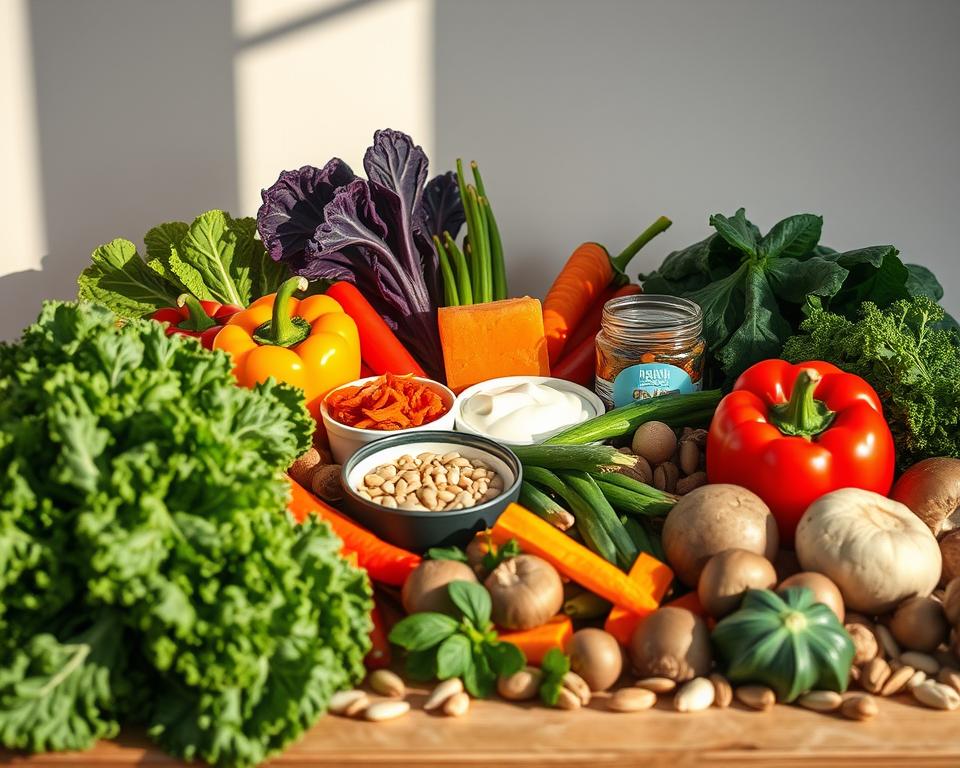
Week 2 is a big step in our 30-day gut reset journey. We start adding gut-healing foods to our diet. This week, we focus on a diet rich in probiotics and fiber to help our gut microbiome.
Fermented Food Recipes
Fermented foods are full of probiotics, which are good bacteria for our gut. Here are some tasty and simple recipes:
- Homemade yogurt with honey and berries
- Sauerkraut with caraway seeds and apples
- Kefir smoothie with banana and spinach
These foods not only make meals more interesting but also boost our gut health. For instance, sauerkraut is packed with vitamins C and K, and it’s full of good bacteria.
Fiber-rich foods feed the good bacteria in our gut, helping our microbiome stay healthy. Here are some high-fiber meal ideas:
| Meal | Foods | Benefits |
|---|---|---|
| Breakfast | Oatmeal with banana and almond milk | High in soluble fiber, promotes satiety |
| Lunch | Grilled chicken with roasted vegetables and quinoa | Rich in insoluble fiber, supports healthy digestion |
| Dinner | Salmon with sweet potato and green beans | Good source of omega-3 fatty acids and fiber |
Adding these gut-healing foods to your diet can greatly improve your digestion and overall health. By choosing a diet rich in probiotics and fiber, you’re taking a big step towards a healthier gut.
Week 3: Expanding Your Gut-Friendly Diet
Week three is all about exploring new recipes for optimal gut health diet. You’ve already removed irritants and started with gut-healing foods. Now, it’s time to add more variety to your meals.
Keeping your meals balanced is key. This is where the
Balanced Plate Formula
comes in.
Balanced Plate Formula
A balanced plate has protein, healthy fats, and complex carbs. Add colorful veggies for extra nutrients. This mix is vital for your gut’s health.
- Protein sources: Include lean meats, fish, eggs, or plant-based alternatives like beans and lentils.
- Healthy fats: Avocado, nuts, and olive oil are excellent choices.
- Complex carbohydrates: Whole grains, sweet potatoes, and squash are rich in fiber.
- Colorful vegetables: Aim for a variety of colors to ensure a broad intake of vitamins and minerals.
Batch cooking saves time and keeps you on a gut health recipes diet. It means cooking big batches of food that can last all week.
Some great batch cooking ideas include:
- Preparing large batches of gut-friendly soups or stews.
- Cooking grains and legumes in bulk.
- Roasting a variety of vegetables at once.
Using these strategies, you’ll save time and keep your gut happy with healthy meals all week.
Week 4: Solidifying Your Personalized Diet
By week four, you’re not just following a diet; you’re building a personalized gut health plan that lasts. This final week is key for making lasting changes to your digestive health.
Adapting recipes to fit your taste and dietary needs is important. You can do this by trying new ingredients and flavors while keeping the nutritional benefits.
Adaptable Recipe Templates
Using adaptable recipe templates makes meal planning easier. These templates let you swap out ingredients based on your preferences or dietary restrictions. This keeps your meals exciting and tailored to your needs.
- Start with a base recipe that aligns with your gut health goals.
- Identify ingredients you can swap out, such as proteins or vegetables.
- Experiment with different spices and seasonings to change up the flavor.
For example, in a gut-friendly stir-fry, you can swap the protein from chicken to tofu or tempeh. You can also change the vegetables based on what’s in season. This keeps your diet interesting and ensures you’re getting a variety of nutrients.
Navigating social eating situations can be tough, but with a few strategies, you can stay on track. Planning ahead is key.
When invited to social gatherings, eating a small, gut-friendly meal beforehand can help. If you’re hosting, prepare dishes that fit your gut health diet plan and label them. This way, guests know what they’re eating.
- Offer to bring a dish to share, ensuring there’s something you can eat.
- Don’t be afraid to ask your host about the ingredients used in the dishes being served.
- Focus on the social aspect of the gathering, not just the food.
By using these strategies, you can keep your personalized gut health diet plan even in social situations. This ensures you stay on track with your digestive health goals.
Supplements and Additional Support for Gut Healing
Diet is key for gut health, but supplements can help too. Probiotics and prebiotics are great for a balanced gut microbiome.
Probiotics are live bacteria and yeasts that are good for your gut. They help fix the balance of your gut microbiome after antibiotics or other issues. It’s important to pick a probiotic that matches your gut health needs.
Prebiotics are non-digestible fibers that feed good bacteria. They help good bacteria grow and multiply. Eating foods rich in prebiotics can make your gut microbiome healthier.
| Probiotic Strain | Benefits |
|---|---|
| Lactobacillus acidophilus | Supports digestion and immune system function |
| Bifidobacterium bifidum | Enhances immune system function and gut barrier integrity |
| Streptococcus thermophilus | Supports lactose digestion and gut health |
Always talk to a healthcare professional before starting any supplements. They can help find the right ones for you.
Your Gut Health Roadmap: Beyond the 30-Day Reset
Finishing a 30-day gut health diet plan is just the start. To keep the benefits going, you need a long-term plan. This plan helps keep your digestive health and immunity strong.
It’s important to eat a balanced diet with foods good for your gut. Drinking lots of water and managing stress are also key. Techniques like meditation or yoga can help.
After the first 30 days, keep an eye on your gut health. You might need to add new recipes to your diet or try supplements. This helps support your gut microbiome.
By following this roadmap, you can keep your gut healthy. Enjoy better digestion, stronger immunity, and overall well-being.