


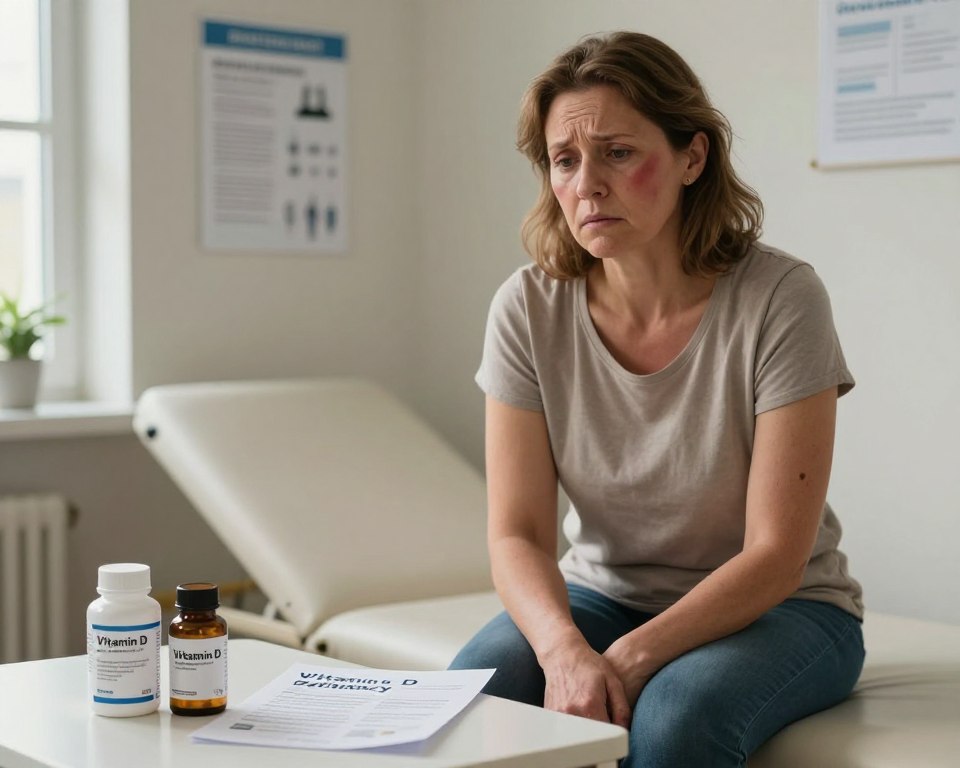
Vitamin D is key for strong bones and health. Yet, it’s lacking in many places, including Nigeria.
Not having enough vitamin D can cause many health issues. This includes weak bones and a higher chance of chronic diseases. In Nigeria, where the sun shines a lot, it’s surprising that vitamin D deficiency is a big health problem.
Knowing the symptoms and health risks of vitamin d deficiency is important for prevention and treatment. By understanding these risks and taking action, people can maintain healthy vitamin D levels and stay healthy.
What is Vitamin D and Why is it Important?
Understanding Vitamin D is key to seeing its impact on our health. It’s a fat-soluble vitamin that helps keep our bones strong and our immune system healthy.
Bone Health Regulation
Vitamin D controls calcium levels in our body, which is vital for strong bones. It helps our body absorb calcium, keeping bones dense and strong. Without enough Vitamin D, bones can become weak, brittle, or misshapen.
Immune System Support
Vitamin D also boosts our immune system. It helps our body fight off infections and may lower the risk of autoimmune diseases.
| Function | Description |
|---|---|
| Bone Health | Regulates calcium levels and bone density |
| Immune System | Supports immune response and reduces infection risk |
In short, Vitamin D is essential for our bones and immune system. Its lack can cause many health problems. So, it’s important to understand its role and keep its levels in check.
Common Causes of Vitamin D Deficiency
In Nigeria, vitamin D deficiency is due to indoor habits and seasonal changes. Knowing these causes helps in finding ways to prevent and treat it.
Indoor Lifestyle Factors
Living mostly indoors is a major factor in vitamin D deficiency. Spending more time indoors means less sunlight. Sunlight is key to making vitamin D in the skin. In Nigeria, modern life often means spending time indoors, which can lower vitamin D levels.
Nigeria’s weather changes with the seasons. The dry season has more sunlight, but dust and pollution can block vitamin D production. The rainy season has less sunlight due to clouds, making it harder to produce vitamin D.
Knowing about these seasonal and indoor lifestyle factors is important. It helps people in Nigeria maintain their vitamin D levels year-round.
Vitamin D Deficiency Signs: Recognizing the Symptoms
Vitamin D deficiency can affect many areas of health, from physical to mental. It’s important to spot these signs early.
Fatigue and Tiredness
Feeling tired all the time is a common sign of vitamin D deficiency. It can make everyday tasks harder and lower your quality of life.
Muscle Weakness and Pain
Vitamin D helps muscles work properly. Without enough, you might feel weak and in pain. This can make it hard to move around and stay strong.
Bone pain and a higher risk of fractures are also signs. Vitamin D helps your body absorb calcium, which is key to strong bones.
Mood Changes and Depression
Low vitamin D levels can affect your mood. You might feel sad or depressed. Maintaining vitamin D levels can support your mental health.
Hair Loss and Skin Changes
Some people with low vitamin D may lose hair or see skin changes. These can make you feel bad about yourself.
Impaired Wound Healing
Vitamin D is also linked to the healing of wounds. Having enough vitamin D is important for getting better and staying healthy.
Here’s a quick list of symptoms to watch for:
- Fatigue and tiredness
- Muscle weakness and pain
- Bone pain and increased risk of fractures
- Mood changes and depression
- Hair loss and skin changes
- Impaired wound healing
Knowing these symptoms can help you get help if you’re feeling several of them. This could lead to an early diagnosis and treatment.
How to Know If You Have Vitamin D Deficiency
Knowing the signs of vitamin D deficiency is key to getting help. A good way to figure it out is by using a symptom journal.
Using a Symptom Journal
A symptom journal helps you track how you feel. Write down any pain, tiredness, or mood swings each day. This way, you can spot patterns in your symptoms.
Spotting patterns is important to see if vitamin D is the cause. For example, if your symptoms get worse in certain seasons, it might be linked to vitamin D levels. These levels change with the seasons.
Talking to a healthcare provider about these patterns can help. They can tell whether your symptoms are due to vitamin D deficiency or something else.
Vitamin D Deficiency Diagnosis Process
Vitamin D deficiency is diagnosed with a blood test. This test measures 25-hydroxyvitamin D levels.
25-hydroxyvitamin D Test
The 25-hydroxyvitamin D test is the best way to determine whether you have a deficiency. It measures 25-hydroxyvitamin D in your blood. This is the main form of vitamin D that circulates in your body.
It’s important to know what your test results mean. A level under 20 ng/mL shows a deficiency. Levels between 20-29 ng/mL are considered insufficient. But levels of 30 ng/mL or higher are normal.
Public vs. Private Testing Options
You can choose to get tested in public or private healthcare settings. Private places might give you results faster ,but cost more.
Cost Considerations
The price of the 25-hydroxyvitamin D test can change based on where you are and who you see. Always check with your insurance to see if they cover it.
In summary, determining whether you have a vitamin D deficiency is simple with a blood test. Knowing what your results mean is key to figuring out what to do next.
Health Risks of Untreated Vitamin D Deficiency
Vitamin D deficiency can lead to serious health problems, mainly affecting bone health. If not treated, it can harm not just bones but overall health, too.
Rickets is a big worry for kids. It causes soft bones and can lead to growth issues and skeletal deformities. It’s vital to keep kids’ vitamin D levels up for their bones to grow properly.
Rickets in Children
Rickets shows up as bowed legs, stunted growth, and bone pain in kids. It’s avoidable with enough vitamin D and a healthy diet. Catching it early is key to avoiding lasting harm.
Osteomalacia and Osteoporosis in Adults
In adults, insufficient vitamin D can cause osteomalacia and osteoporosis. These make bones soft and weak, raising the chance of fractures. They can also cause a lot of pain and make daily life harder.
Getting a diagnosis and treatment early is very important. Treating vitamin D deficiency can stop these serious problems. It helps keep bones strong and healthy for life.
Vitamin D Deficiency Treatment Options
Fixing vitamin D deficiency requires a plan that includes supplements, diet, and sun exposure. The aim is to get vitamin D levels back to normal. This helps avoid the dangers of low levels.
Loading Dose vs. Maintenance Dose
Starting with a high dose to quickly raise levels is common. Then, a lower dose is used to keep levels steady. The high dose is taken for a short time, and the lower dose for a longer time.
Available Forms in Nigeria
In Nigeria, you can find vitamin D in capsules, tablets, and drops. You can buy these at local pharmacies and health stores.
Eating foods high in vitamin D can also help. In Nigeria, these include fatty fish, egg yolks, and fortified foods.
| Food Item | Vitamin D Content | Serving Size |
|---|---|---|
| Fatty Fish (e.g., Salmon) | High | 100g |
| Egg Yolks | Moderate | 2 large eggs |
| Fortified Foods (e.g., Milk) | Varies | 1 cup |
Meal Planning Tips
Planning meals well can help maintain vitamin D levels. Add foods rich in vitamin D to your meals and snacks.
Optimal Times for Sun Exposure
Getting some sun is good for vitamin D. The best times are between 10 am and 4 pm when the sun is strongest.
Balancing Sun Safety and Vitamin D Production
It’s important to enjoy the sun safely. Use sunscreen and wear protective clothes to prevent skin damage.
In summary, treating vitamin D deficiency requires a mix of supplements, diet, and safe sun exposure. Knowing these options helps people take action to improve their vitamin D levels.
Special Considerations for High-Risk Groups
High-risk groups need special care when it comes to vitamin D deficiency. People with more melanin may have different rates of vitamin D production. This is because melanin acts like a natural sunscreen.
Melanin and Vitamin D Production
Melanin affects how well the skin makes vitamin D from sunlight. People with darker skin tones might need more sun to make the same vitamin D as those with lighter skin.
Because melanin affects vitamin D production, high-risk groups may need different advice. This could mean more supplements or checking vitamin D levels more often.
| Risk Factor | Impact on Vitamin D | Recommendation |
|---|---|---|
| Higher Melanin Levels | Reduced Vitamin D Production | Increased Supplementation |
| Older Age | Decreased Vitamin D Absorption | Regular Monitoring |
| Obesity | Vitamin D Sequestration | Higher Doses of Supplements |
It’s important to understand these differences. This helps give the right care and avoid health problems linked to vitamin D deficiency in high-risk groups.
Preventing Vitamin D Deficiency in Nigeria’s Climate
To prevent vitamin D deficiency in Nigeria, we must understand the country’s climate. Nigeria’s climate varies with the seasons, making it hard to maintain vitamin D levels.
Rainy Season Considerations
In the rainy season, we get less sunlight. This means less vitamin D is made. We need to find other ways to get enough vitamin D, like eating certain foods or taking supplements.
Harmattan Period Adjustments
The Harmattan season is dry and dusty, which can affect vitamin D levels. Even though the sun is out, the dust reduces its effectiveness. We can adjust our plans to go outside and eat more foods with vitamin D.
Outdoor Activity Planning
Planning when to go outside is key to vitamin D. When the sun is strong, going outside helps make more vitamin D.
Dietary Habits
What we eat is very important for vitamin D, especially when it’s cloudy. Eating foods like fatty fish, egg yolks, and fortified dairy helps maintain vitamin D levels.
| Season | Vitamin D Source | Recommendation |
|---|---|---|
| Rainy Season | Dietary Supplements | Consult a healthcare provider |
| Harmattan | Vitamin D-rich Foods | Increase consumption of fatty fish and fortified products |
| Dry Season | Sunlight Exposure | Plan outdoor activities during peak sun hours |
Tracking Your Progress: Monitoring Vitamin D Levels
It’s key to track your vitamin D levels for good health. You need to check your levels often to see if treatment is working. This means getting blood tests to see your 25-hydroxyvitamin D levels. These tests help decide if you need more or less vitamin D.
Getting regular blood tests is important for monitoring your vitamin D levels. How often you need these tests depends on the severity of your deficiency and your treatment plan. Doctors use these test results to determine whether your current vitamin D level is sufficient or if you need to adjust it.
When to Increase Dosage
If your vitamin D levels remain low despite supplements, you might need to increase the dosage. Doctors make this choice based on blood test results. They look at how bad your deficiency was, if you have symptoms, and how you’re doing with treatment.
When to Reduce Supplementation
If your vitamin D levels get too high, you might need to take less. Too much vitamin D can cause nausea, vomiting, and weakness. Regular checks help prevent these problems by allowing you to adjust your supplements on time.
By keeping an eye on your vitamin D levels and making changes as needed, you can effectively manage your deficiency. This helps you stay healthy.
Common Myths About Vitamin D Deficiency
In Nigeria, many people believe wrong things about vitamin D deficiency. This is because of old beliefs and insufficient knowledge. This misunderstanding can make it hard to find and treat the problem.
Traditional vs. Medical Perspectives
Some think vitamin D deficiency comes from spirits or is a sign of spiritual imbalance. But science says it’s mainly due to not getting enough sun, poor diet, or certain health issues.
Old ways can worsen vitamin D deficiency. For instance, staying out of the sun or wearing too much clothing can stop vitamin D from being made. It’s key to mix old customs with doctor’s advice to fight and treat vitamin D deficiency correctly.
| Myth | Fact |
|---|---|
| Vitamin D deficiency is a spiritual issue. | It’s a medical condition caused by lack of sun exposure, poor diet, or certain health conditions. |
| Traditional clothing causes no harm. | Excessive clothing can reduce vitamin D production by limiting skin exposure to sunlight. |