


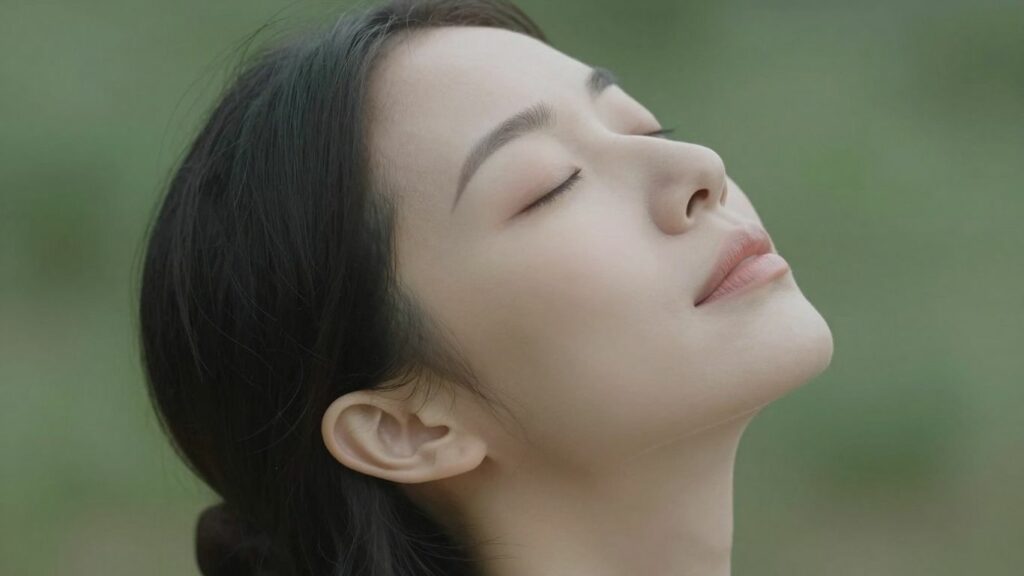
Feeling overwhelmed by anxiety? It’s a tough spot to be in, for sure. Sometimes, it feels like your mind is racing a mile a minute, and your body is just along for the ride. But what if I told you that you have a built-in tool to help calm that storm?
Yep, I’m talking about your breath. Learning some simple breathing exercises for anxiety can make a real difference. It’s not magic, but it’s pretty close. These techniques can help you find a little bit of peace, even when things feel chaotic. Let’s explore some ways to use your breath to feel more grounded.
Key Takeaways
- Focusing on breathing from your diaphragm, or belly breathing, helps you take deeper, more calming breaths.
- Making your exhales longer than your inhales signals your body to relax and can help release stress.
- Structured techniques like box breathing or the 4-2-6 method provide a rhythm to follow for consistent calm.
- Mindful breathing practices, such as resonant or equal breathing, help synchronize your breath and mind.
- Quick methods like the 3-3-3 rule offer immediate relief during stressful moments.
Mastering Diaphragmatic Breathing For Anxiety
Understanding Belly Breathing Techniques
When we get anxious, our breathing often gets shallow and fast, mostly using our chest. This isn’t the most efficient way to get oxygen, and it can actually make us feel more on edge. Diaphragmatic breathing, or belly breathing, is all about using that big muscle below your lungs, the diaphragm, to take deeper, fuller breaths. It’s like switching your body into a more relaxed gear.
To get a feel for it, try this:
- Lie down on your back with your knees bent. You can put a pillow under your knees for comfort.
- Place one hand on your upper chest and the other hand just below your rib cage, right on your belly.
- Now, breathe in slowly through your nose. Focus on making your belly rise as you push that hand upwards. Your chest hand should stay pretty still. That’s your diaphragm working!
- As you exhale, gently tighten your stomach muscles to push the air out. Your belly should fall, and your chest hand should stay put.
Isolating Diaphragmatic Movement
Getting the hang of belly breathing means learning to move your diaphragm without much chest movement. It takes a little practice, but it’s totally doable. The key is to really pay attention to what your hands are telling you.
When you inhale, you want to feel your belly expand outwards. Think of it like filling up a balloon in your stomach. The hand on your chest should barely move. If it’s rising a lot, you’re probably still breathing mostly from your chest. Try to relax your shoulders and neck to help keep your chest still.
During the exhale, consciously draw your belly button towards your spine. This helps push all the stale air out. Again, keep that chest hand as steady as possible. It might feel a bit strange at first, especially if you’re used to shallow chest breaths, but with regular practice, this becomes more natural.
Practicing Deep Belly Breaths
Once you’re comfortable with the basic movement, you can start practicing longer, deeper belly breaths. The goal is to make each breath a full, satisfying inhale and a complete, relaxed exhale.
Here’s a simple routine:
- Find a quiet spot: Sit or lie down somewhere you won’t be disturbed. Relax your shoulders.
- Place your hands: One on your chest, one on your belly.
- Inhale slowly: Breathe in through your nose, feeling your belly expand. Aim for a count of 4 seconds.
- Exhale slowly: Breathe out through your mouth, letting your belly fall. Aim for a count of 6 seconds.
- Repeat: Do this for 5-10 minutes. You might feel a little tired at first if you’re not used to it, but stick with it. It gets easier and feels really good.
This type of breathing helps signal to your nervous system that it’s okay to relax. It’s a direct way to calm down when you’re feeling overwhelmed or stressed.
The Power Of Extended Exhalations
You know how sometimes when you’re stressed, you just feel like you can’t get enough air? It’s like your body is stuck in high gear. Well, a big part of that is how we breathe. When we’re anxious, our breaths tend to get short and shallow, mostly happening up in our chest. But here’s a cool trick: making your exhales longer than your inhales can actually tell your nervous system to chill out. It’s like hitting a gentle reset button for your body.
Lengthening Your Out-Breath
This is pretty straightforward. Instead of just breathing in and out normally, you focus on making the ‘out’ part of your breath last longer. Think about it: when you inhale, your body is doing a bit of work. But when you exhale, especially slowly, you’re signaling relaxation. It’s a simple shift, but it can make a real difference.
Here’s a basic way to try it:
- Find a comfy spot, whether you’re sitting or lying down.
- Take a slow breath in through your nose. Try counting to, say, four seconds.
- Now, breathe out through your mouth or nose, but make it last longer. Aim for six seconds, or even more if it feels good.
- Keep doing this for a few minutes. You might notice your shoulders dropping a bit or a general feeling of ease.
Visualizing Stress Release
To make this even more effective, try adding a mental picture to your longer exhales. As you breathe out slowly, imagine all the tension, worries, or stress just leaving your body. It’s like you’re physically pushing out all the bad stuff with each breath. You could picture it as a dark cloud dissipating or a heavy weight lifting off your shoulders. Whatever image works for you, use it.
Sometimes, the simplest actions can have the most profound effects. Focusing on the exhale is a prime example of this, turning a basic bodily function into a tool for managing your inner state.
The Science Behind Longer Exhales
It sounds almost too simple, right? But there’s actual science behind why this works. Your body has two main branches of its nervous system: the sympathetic (which kicks in during stress, the ‘fight or flight’ response) and the parasympathetic (which handles ‘rest and digest’). Inhaling tends to activate the sympathetic side a bit, getting you ready for action.
Exhaling, however, is strongly linked to the parasympathetic nervous system. By lengthening your exhale, you’re giving that ‘calm down’ system a bigger nudge. It helps slow your heart rate and can even lower your blood pressure, making you feel more grounded and less on edge. It’s a direct line to your body’s natural relaxation response.
Structured Breathing Exercises For Calm
Sometimes, when anxiety hits, you need a clear plan. That’s where structured breathing exercises come in. They give your mind something specific to focus on, which can be a real lifesaver when your thoughts are racing. These aren’t just random breaths; they follow a pattern, and that pattern itself can be incredibly calming.
Exploring Box Breathing
Box breathing, also known as square breathing, is a simple yet powerful technique. It’s all about creating a rhythm that feels balanced and controlled. You can visualize a box as you go through the steps, tracing each side with your breath. It’s a great way to ground yourself when you feel overwhelmed.
Here’s how to do it:
- Inhale: Breathe in slowly through your nose for a count of four.
- Hold: Gently hold your breath for a count of four.
- Exhale: Breathe out slowly through your mouth for a count of four.
- Hold: Hold your breath again for a count of four before starting the next cycle.
Repeat this for a few minutes. It’s like giving your nervous system a gentle reset.
The 4-2-6 Breathing Technique
This technique focuses on making your exhale longer than your inhale. A longer exhale signals to your body that it’s safe to relax. It’s particularly helpful if you find yourself holding tension in your body.
Here’s the breakdown:
- Inhale: Breathe in through your nose for a count of four.
- Hold: Hold your breath for a count of two.
- Exhale: Breathe out slowly through your mouth for a count of six.
This pattern helps to slow down your heart rate and calm your mind. It’s a good one to try when you need to wind down, maybe before bed or during a stressful workday.
Understanding The 4-7-8 Method
Developed by Dr. Andrew Weil, the 4-7-8 method is often called the “relaxing breath.” It’s designed to help you relax deeply and can even be used to help you fall asleep faster.
Follow these steps:
- Exhale completely through your mouth, making a “whoosh” sound.
- Close your mouth and inhale quietly through your nose to a mental count of four.
- Hold your breath for a count of seven.
- Exhale completely through your mouth, making a “whoosh” sound, to a count of eight.
This is one breath cycle. Repeat the cycle three more times for a total of four breaths. It might feel a bit strange at first, but with practice, it becomes a very effective tool for quieting a busy mind.
These structured techniques provide a clear path when anxiety makes it hard to think straight. By following a set pattern, you give your brain a simple task, redirecting your focus away from anxious thoughts and towards the physical sensation of breathing. This can create a sense of order and control in moments of chaos.
Mindful Breathing Techniques

Sometimes, when anxiety hits, it feels like your brain is just a runaway train. You know you need to slow down, but how? That’s where mindful breathing comes in. It’s not just about taking a deep breath; it’s about paying attention to that breath, using it as an anchor to the present moment. This is a big part of mental health breathing and overall wellness breathing. It’s about being present with yourself, even when things feel chaotic.
Engaging In Resonant Breathing
Resonant breathing, sometimes called coherent breathing, is all about finding a steady rhythm. The goal is to lower your breathing rate to about 5 breaths per minute. This means each breath cycle – the inhale and the exhale together – takes about 12 seconds. It sounds simple, but it can really help calm your nervous system.
You can try this by inhaling for 6 seconds and exhaling for 6 seconds. It might feel a bit awkward at first, and that’s okay. Just keep practicing. It’s a great technique to use when you have a few quiet minutes, maybe before bed or first thing in the morning.
Practicing Equal Breathing
This one is pretty straightforward. Equal breathing, or Sama Vritti in Sanskrit, means making your inhales and exhales the same length. So, if you inhale for a count of four, you’ll exhale for a count of four. You can adjust the count to what feels comfortable for you, but the key is keeping them equal. This practice helps to balance your nervous system. It’s a good one to try when you feel your thoughts racing.
Here’s a simple way to get started:
- Find a comfortable spot to sit or lie down.
- Gently close your eyes if that feels good.
- Start by taking a few natural breaths to settle in.
- Begin counting your inhales and exhales, aiming for an equal count for each.
- Continue for a few minutes, focusing on the sensation of the breath.
Utilizing Cyclic Sighing
Cyclic sighing is a bit different. It involves a double inhale followed by a long, slow exhale. Think of it like a natural sigh of relief, but done with intention. The idea is that the extended exhale helps to release tension. It’s a quick way to signal to your body that it’s okay to relax.
Here’s how to do it:
- Take a natural breath in through your nose.
- Take another, shorter breath in through your nose, almost like a little gasp.
- Exhale slowly and completely through your mouth, letting out all the air.
This technique is particularly useful when you feel overwhelmed or stuck in a stress response. The physical act of the sigh can help to reset your breathing pattern and bring you back to a calmer state more quickly than other methods.
These mindful breathing techniques are tools you can use anytime, anywhere. They don’t require special equipment or a lot of time, just a willingness to pause and connect with your breath.
Yogic Breathing Practices For Anxiety
Yoga has been around for ages, and at its core, it’s all about breath. Pranayama, a specific type of yoga, offers a bunch of breathing techniques that can really help when you’re feeling anxious. Let’s look at a couple of these.
Discovering Alternate Nostril Breathing
This one might sound a bit complicated, but it’s pretty straightforward once you get the hang of it. It’s called Nadi Shodhana in Sanskrit. The idea is to balance the breath between your left and right nostrils, which many believe helps calm the nervous system. It’s a great way to reset when your mind is racing.
Here’s how to give it a try:
- Find a comfy spot to sit. Lengthen your spine and relax your shoulders.
- Rest your left hand in your lap. Bring your right hand up, and gently place your pointer and middle fingers between your eyebrows. You can close your eyes.
- Close your right nostril with your right thumb. Breathe in slowly through your left nostril.
- Now, pinch your nose closed with your thumb and ring finger for a moment.
- Release your thumb and exhale through your right nostril. Pause briefly.
- Inhale through your right nostril.
- Pinch your nose closed again.
- Release your ring finger and exhale through your left nostril. Pause.
That’s one round! Keep going for about 5-10 rounds, or until you feel a sense of calm. It’s okay if your counts aren’t perfectly even at first; just focus on the flow.
Exploring Lion’s Breath
This one is a bit more active and can feel really releasing. It’s often done to help clear out tension and can be a fun way to let go of pent-up energy. It’s called Simhasana in yoga.
- Kneel on the floor, crossing your ankles and sitting back on your heels. If that’s uncomfortable, just sit cross-legged.
- Place your hands on your knees and stretch your arms out a bit.
- Take a deep breath in through your nose.
- As you exhale, open your mouth wide, stick your tongue out as far as you can, and make a “ha” sound. Try to direct the exhale with a bit of force.
- Focus your gaze somewhere between your eyebrows.
- Relax your face and repeat. Try this for a few breaths, maybe 3-5 times.
Integrating Yoga Breaths
These yogic breathing practices, like Alternate Nostril Breathing and Lion’s Breath, are more than just simple exercises; they’re about connecting your mind and body. They encourage a slower, more controlled way of breathing that can directly counter the shallow, rapid breaths often associated with anxiety.
By focusing on the breath, you’re giving your mind something concrete to hold onto, pulling it away from anxious thoughts. It’s like giving your nervous system a gentle reminder that it’s safe to relax.
The consistent practice of these techniques can help retrain your body’s response to stress, making it easier to find calm even in challenging situations. It’s about building a habit of self-soothing that you can access anytime, anywhere.
Remember, consistency is key. Even a few minutes each day can make a difference in how you manage anxiety.
Quick Breathing Exercises For Immediate Relief
Sometimes, anxiety hits fast and hard. You need something that works right away, without a lot of fuss. These quick relief techniques breathing are designed for those moments when you need to find a bit of calm, like, now. They’re simple, effective, and you can do them pretty much anywhere.
The Simple 3-3-3 Breathing Rule
This one is super straightforward. It’s all about rhythm and focus. When you feel that wave of anxiety starting to build, give this a try:
- Inhale: Breathe in slowly through your nose for a count of three.
- Hold: Gently hold your breath for another count of three.
- Exhale: Slowly let the air out through your mouth for a count of three.
Repeat this cycle a few times. The counting helps pull your attention away from anxious thoughts and onto something concrete: your breath. It’s a small anchor in a stormy moment.
Affirmations Paired With Breath
Combining a simple affirmation with your breath can be surprisingly powerful. It’s like giving your mind a positive message while your body gets a calming signal. Pick a short, comforting phrase – something like “I am calm” or “This will pass.” Then, sync it with your breath:
- Inhale: Silently say your affirmation as you breathe in.
- Exhale: Let the affirmation go as you breathe out.
Do this for a minute or two. It’s a way to gently redirect your focus and introduce a sense of peace, even when things feel chaotic.
Finding Peace In Short Bursts
Sometimes, you don’t have five minutes or even two. That’s okay. Even a few focused breaths can make a difference. Try this:
- Take a slow breath in: Feel your belly expand slightly.
- Hold for just a moment: Don’t strain.
- Exhale slowly: Let the air out completely.
Do this just three or four times. It’s about creating a tiny pocket of calm, a brief pause that can help you reset and face what’s next. These quick methods are your go-to tools for immediate support when anxiety strikes.