There are lot of strange customs. It is obvious that certain traditions still exist; modernity and civilization have merely made them less widely accepted. To escape ancestors’ wrath, some Yoruba family compounds observe taboos while others participate in yearly rites. In some Yoruba towns, these taboos and rites also apply.
According to research, there is always a connection between these taboos and the gods or unusual events that led to the founding of each town. Iwoye-Ijesha is just like any other town. The natives must jealousy abide by the taboos of the ancient settlement. The Iwoye people are not allowed to eat Erè (Phyton).
Iwoye-Ijesha is a town under Oriade Local Government, Osun State. It borders Ijebu-Ijesa. Simply turn left and drive along the road that is right across from the Central Mosque and Saint Matthew’s Cathedral Church if you arrive at the well-known Ijebu-Ijesha roundabout. You know you’re in Iwoye-Ijesha when you notice street lights with dark blue lower levels. While the federal government constructed the street lights in Ijebu-Ijesha, prominent sons and daughters installed the ones in Iwoye-Ijesha.


With the intention of dissecting the origins of the taboo and various stories that surround it, WITHIN NIGERIA visited the palace of His Royal Majesty, Oba Ogidiolu Adewumi Amos Otokobo II, Oniwoye of Iwoye-Ijesa. The palace is not far from the main roundabout, just like other Yoruba towns. The palace is located beside a microfinance bank and is still under development.

When a team from WITHIN NIGERIA arrived at the palace, Oba Ogidiolu Adewumi Amos Otokobo, the monarch, gave them a kind welcome. Because it would be hard for outsiders to find the last resting site of a deaf or handicapped person’s burial in a town without the inhabitants’ knowledge, our visit to the traditional ruler was very vital. In our view, the traditional ruler of the town is a recognized authority, and indigenous people should have the only right to tell their own tale.

How did Okun, a deity who changed into a body of water, get to Iwoye-Ijesha?
For the people of Iwoye-Ijesha, eating Erè (Phyton) has become more than just forbidden. Even though it is related to the tales of how the town was founded, it can be traced back to a specific, widely believed story with solid historical support. It would be impossible to discuss the ban on Erè (Phyton) consumption in Iwoye-Ijesha without mentioning how a deity known as “Okun” entered the community.
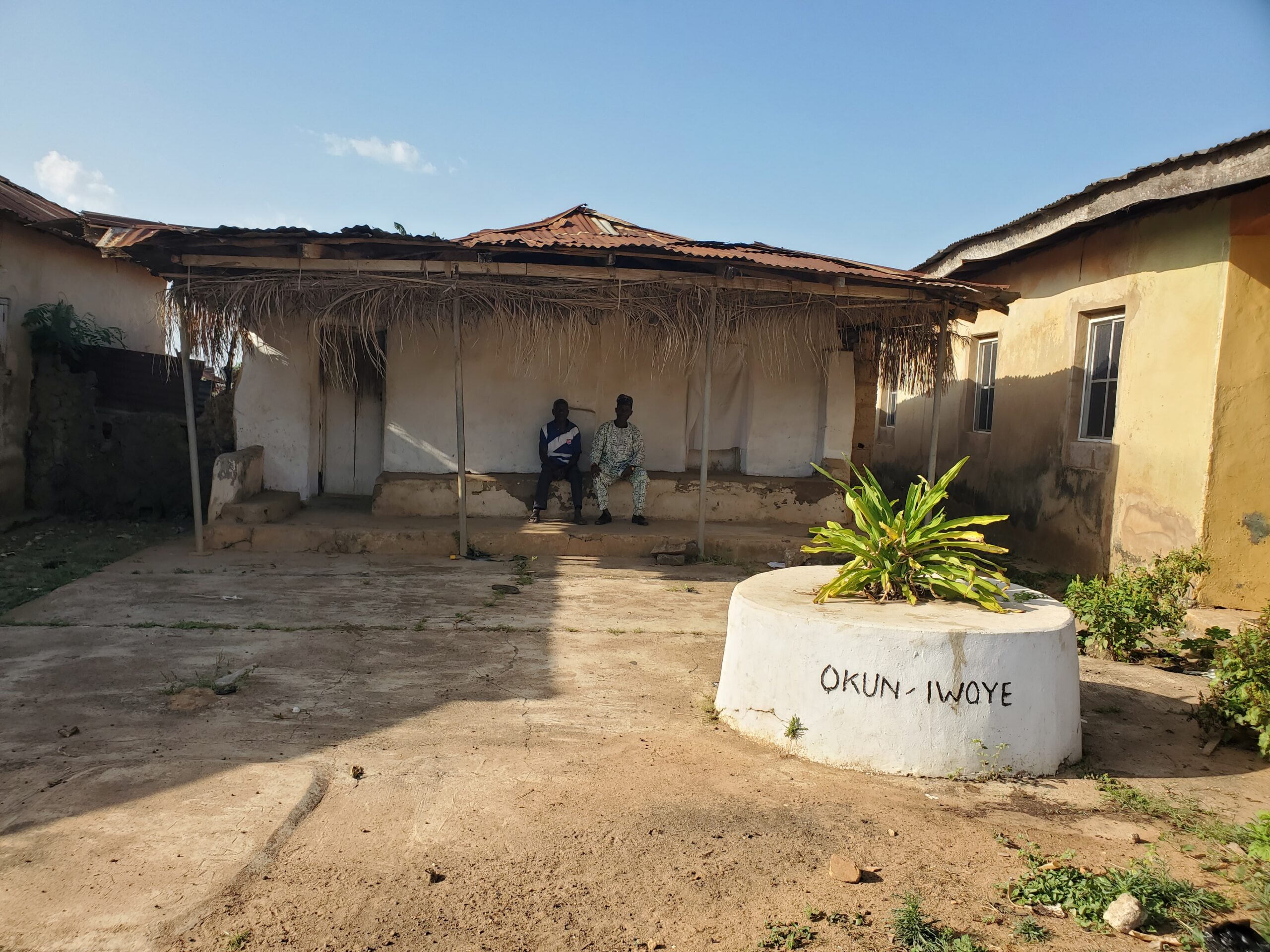
The deity “Okun,” which changed into a body of water, was not in the town when it first formed, according to Oba Adewumi Ogidiolu, the Oniwoye of Iwoye-Ijesa. Instead, it was brought to the town by some powerful men who can be traced to the “Aro family compound of today” at the first king’s request.
Iwoye-Ijesha was once a farm settlement, according to Oba Ogidiolu, where farmers farmed, hunters pursued wild game, and some herbalists treated illnesses before departing for their homes.
‘Odofin’ from Iraye and others, including farmers and hunters, were convinced to come and settle in Iwoye-Ijesha by the first king, who wanted to transform a farm settlement into a town. The early king made an appeal to a few powerful men in the town after they decided to settle down there in order to obtain a “sacred item” that the locals could worship and revere. The monarch explained that as a result, the deity known as “Okun” was brought into the town.
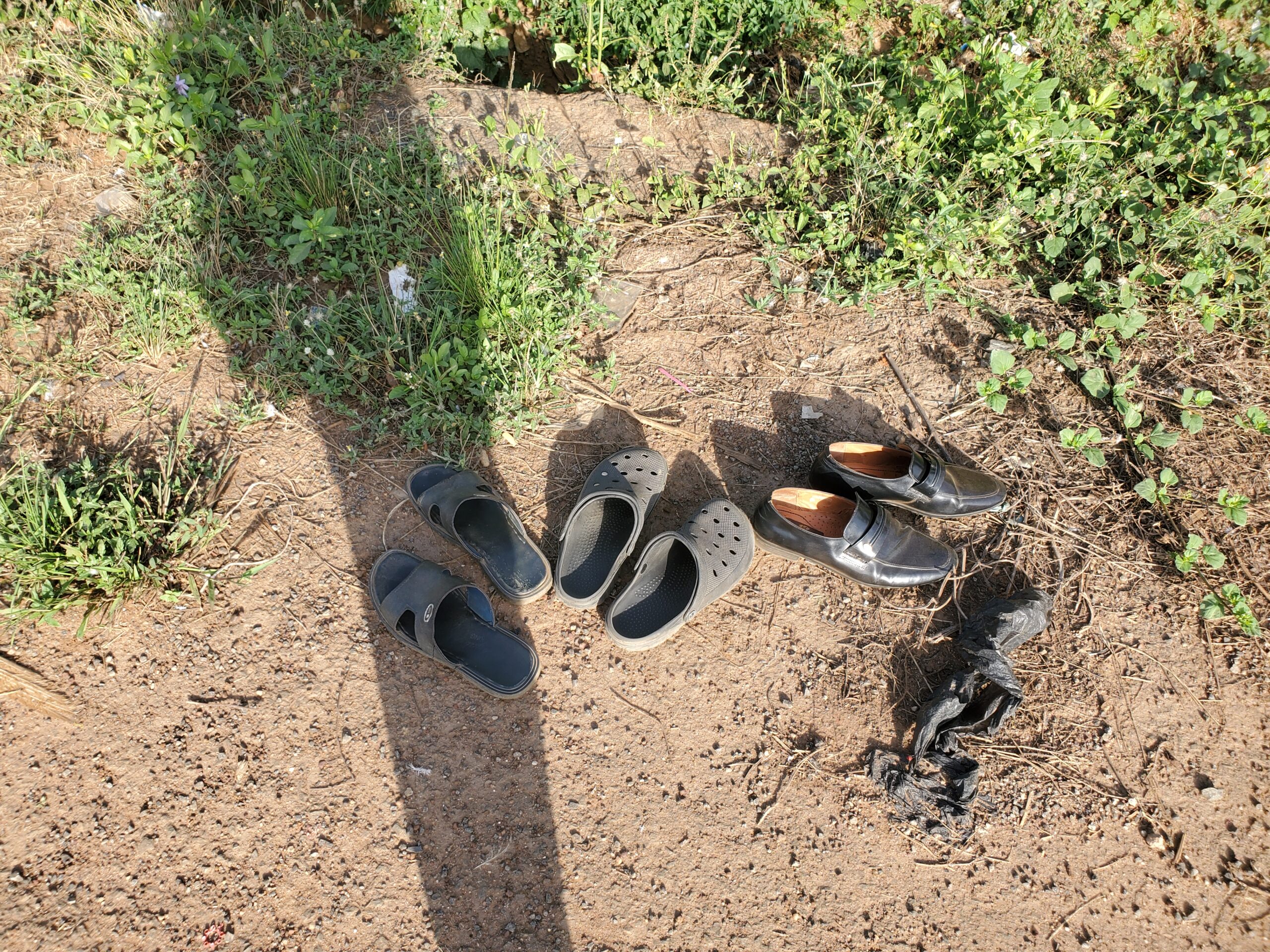
The monarch revealed that the deity, known as “Okun,” had been taken from Efon-Alaaye, an ancient town in Ekiti State, by powerful people at the time. The deity, which turns into water when transported to areas without a body of water, had taken over several houses in the community after the team leader of herbalists kept it in his home upon the king’s request.
The deity, known as Okun, was sent to the forest by the then-king, who gave the order. There, it transformed into a larger entity, became water, and occupied a sizable area of farmland. Although they did not bring a body of water at first, the holy deity Okun changes into a body of water when it is kept anywhere. Oba Ogidiolu continued, “It was eventually taken away from the forest after ravaging several farmlands and later settled at the boundary of the town.”
In accordance with the monarch, herbalists and diviners were requested to confer with ‘Ifa – the all-knower’ regarding methods of honoring the deity (Okun), particularly concerning objects intended for the Iwoye-Ijesha people to use in their veneration of the water body.
Ifa gave guidance to herbalists and diviners on how to honor and venerate the deity. Ifa also listed the items that were to be used in worship. Later on, Oniwoye of Iwoye-Ijesha added, it turned into an annual festival for the town, where young and old alike gather to honor the deity known as “Okun.”
How did the eating of Erè (Phyton) become forbidden among the Iwoye-Ijesha indigenous people?
Oba Ogidiolu revealed that the people of Efon-Alaaye also obtained the deity known as “Okun” from Irun-Akoko, its principal source, while asserting that the deity is not limited to Iwoye-Ijesha.
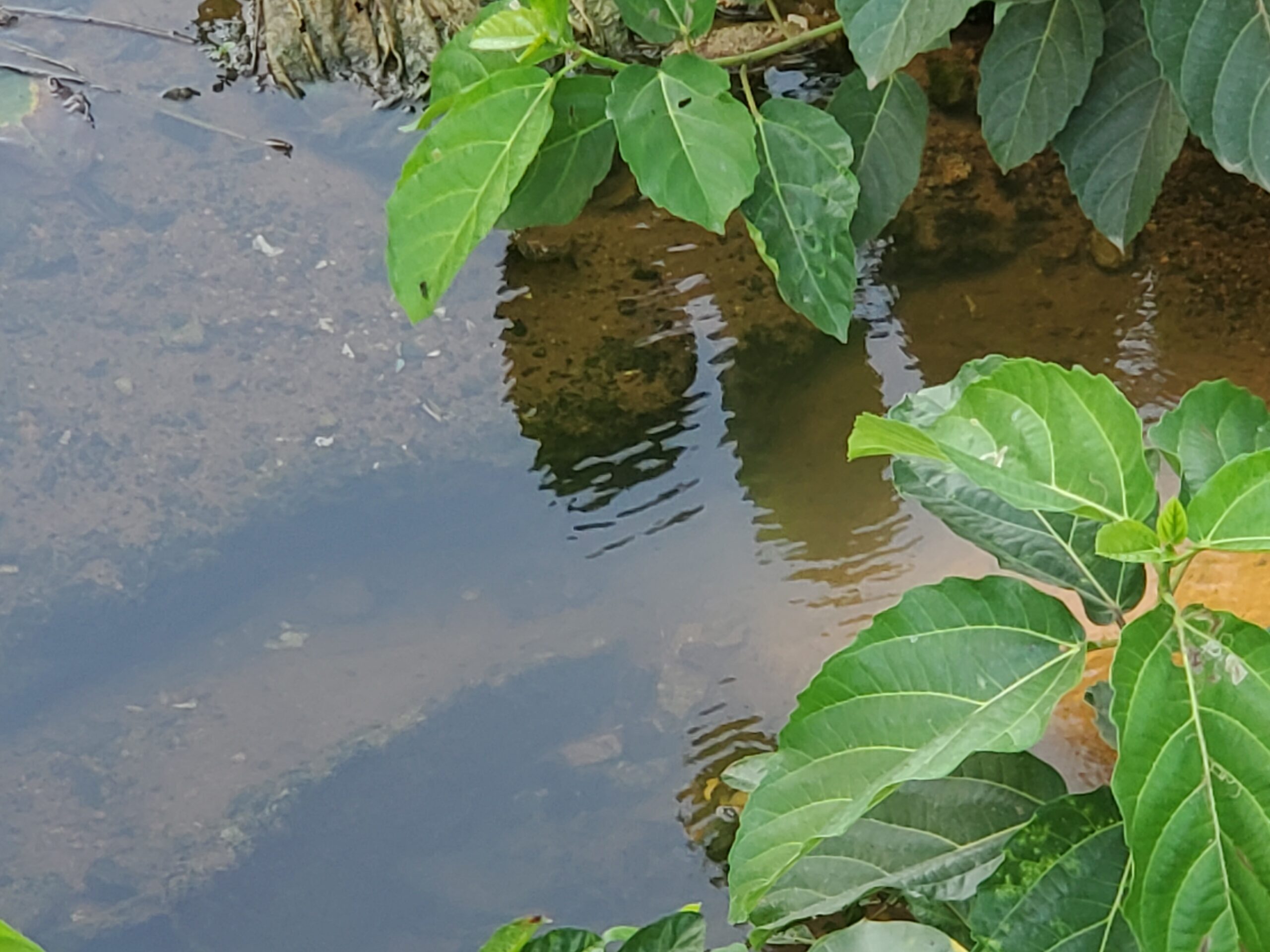
The deity, Okun, whose main source is Irun-Akoko, is inhabited by a large snake named Erè (Phyton). Wherever the deity (Okun) is, the Erè (Phyton) follows. The Erè can change into a man or a woman, walks around the town unhindered, and occasionally makes itself known to others. This can be described as a spirit that manifests as a human and occasionally as a snake, the traditional ruler revealed.
The monarch also revealed that a deity turned to water.
“The deity turns into water when it’s on the ground, and the Erè-Python slithers into it.” We were informed that there is a spiritual bond between Okun and Erè. Erè has always been a part of the deity, whether it is Irun-Akoko, Efon-Alaaye, or Iwoye-Ijesha (Okun). Oba Ogidiolu continued, “Whenever the deity is and there’s not a water body, it will turn into one.”
When asked why Iwoye-Ijesha natives were forbidden from eating Erè, the king replied that they sought advice from Ifa regarding offerings or objects meant to honor the god.
According to Oba Ogidiolu, Ifa explained to us the origins of the deity’s veneration and how they honor it. Dog killing and the lighting of traditional Atupa lamps are two examples. Ifa went on to say that while the man who turned the deity always reared antelope, Erè (Phyton), and other creatures, only Erè (Phyton) was able to remain submerged in water. Many animals can be found in the forest that houses the deity (Okun) after it turns into water, but it is against the law to kill them.
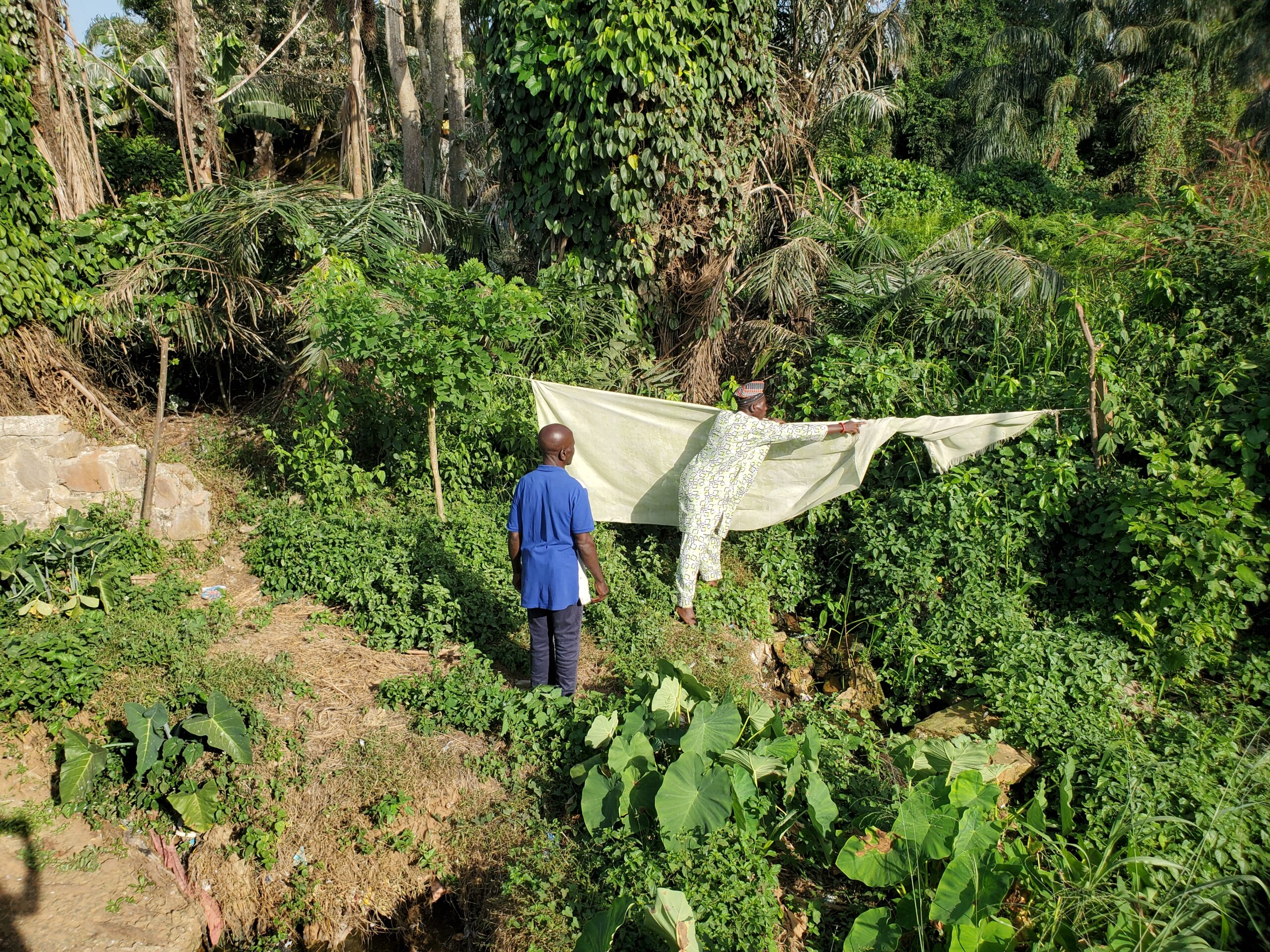
It is also forbidden for any hunter to hunt in the forest where Okun, the deity, turns into water, according to the monarch.
The hunter who once tried to hunt inside the forest, against the rules, lost his way, the monarch claimed.
When the hunter got in touch with Ifa, he was told to offer his dog as a sacrifice to the god Okun. He was also required to offer a dog as a yearly sacrifice to the deity. After sacrificing the dog, he emerged from the forest. Thus, Oniwoye of Iwoye-Ijesha explained the use of dogs to venerate the deity.
The Iwoye-Ijesha people are allowed to eat dogs, but the descendants of the Aro family are not allowed to do so because their ancestors brought the deity Okun to the town, according to the traditional ruler. The Iwoye people are forbidden from eating Erè due to its symbolic meaning and connection to Okun, the deity. Any Iwoye-Ijesha native believes that eating or killing Erè is forbidden.
Taboo ought to be off limits. However, people are very erratic. What more about taboos that are not upheld by law enforcement officials if people can break laws or rules governing a society despite clearly stated consequences? WITHIN NIGERIA asked whether there were any cases in which native people willingly engaged in forbidden behavior and defied nature.
In response, Oniwoye of Iwoye-Ijesa, Oba Adewumi Ogidiolu Otokobo II, said that those who committed taboo crimes do not survive to tell the tale.
Should any natives murder or consume Erè, that person will become extremely ill and ultimately pass away. Recently, a man killed fish inside the Okun deity water, breaking a taboo practice. The man bent until he died because he was unable to stand up straight or stretch. Erè meat was brought to Iwoye from Ilesa by a young native as well. Before being later cured with water from Okun, he had been horribly ill for weeks, he continued.
In one of his works, the well-known broadcaster Gbenga Adeboye stated that Iwoye-Ijesha indigenous people refrain from eating Erè because, if they do, it would mean they have consumed their demi-god. Many would have assumed it was just one of the many jokes the late comedian would have laughed at. There is, in fact, more to it, as WITHIN NIGERIA’s visit has shown that there is actually more to it than meets the eye. It is still forbidden for Iwoye-Ijesha natives to kill or consume Erè.