
The streets of Lagos are always full of life. From busy traffic to hawkers hustling for a living, the city never seems to sleep. But in early January, a different kind of attention took over. This was not caused by the usual chaos, but by the children on those streets, and a debate about how the government should treat them.
At the center of the conversation were Tunde Onakoya, Anita “Tacha” Akide, and Tokunbo Wahab, Lagos State Commissioner for Environment and Water Resources. What started as a government exercise to enforce laws on street begging quickly turned into a heated national discussion about empathy, safety, and responsibility.
The Controversy: Street Children in Lagos
The Lagos State Government had released videos showing officers arresting street beggars and children along major roads, including the Lekki–Epe Expressway. According to authorities, the operation was meant to make roads safer for everyone. But the images of children being rounded up caused outrage online. Many Nigerians did not see the action as protection, but as punishment for kids just trying to survive.
It was in this tense environment that Tunde Onakoya and Tacha stepped in, voicing their concerns and sparking widespread debate.
Tunde Onakoya: A Call for Compassion


Tunde Onakoya is well known for his work with children living in underprivileged communities through his initiative, Chess in Slums Africa. He condemned the arrests as inhumane, arguing that simply removing children from the streets doesn’t solve the underlying problems.
He explained that many of these kids come from broken homes or extreme poverty. Without long-term support, education, and guidance, they would likely end up back on the streets. Onakoya emphasized that solutions need to focus on rehabilitation, mentorship, and skills training. Arresting children without addressing the root causes, he warned, only risks creating more social problems in the future.
Tacha: Highlighting Systemic Failures


Reality TV star and influencer Tacha joined the chorus, calling out the government for targeting children trying to survive. She argued that the arrests were not helping anyone and questioned why the children were on the streets in the first place. For her, the situation reflected systemic failures that needed urgent attention.
Tacha suggested that instead of punitive measures, the government should provide vocational centres where children could learn trades like fashion, photography, videography, and shoemaking. She painted a picture of a system where kids are given the chance to earn a living with dignity rather than being treated as criminals.
Her comments gained traction online, inspiring young Nigerians to speak up about the realities of street poverty in Lagos.
Tokunbo Wahab: The Government’s Firm Response

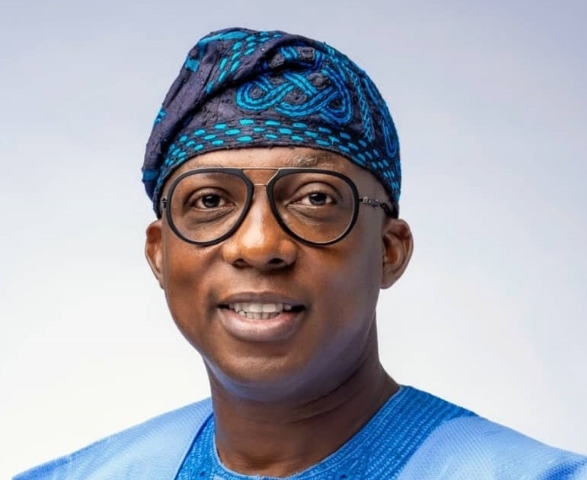
Faced with public criticism, Commissioner Tokunbo Wahab responded decisively. He defended the state’s actions, insisting that safety and law must come first. Wahab explained that allowing children to roam busy expressways is dangerous. He argued that leaving them on the roads in the name of compassion is actually neglect.
Wahab also highlighted the programs Lagos State already provides, like free public education, technical colleges, and vocational centres. He added that children apprehended during enforcement are carefully assessed. Some are reunited with families, often from outside Lagos, while others are referred to youth development services. He stressed that the government cannot replace parenting and that families, communities, and society all have a role to play.
A Debate That Reflects a Bigger Problem
This debate goes beyond Lagos. Street children in Nigeria are often victims of poverty, migration, and weak social support systems. The clash between Onakoya, Tacha, and Wahab illustrates the tension between empathy and enforcement, between protecting children and maintaining public safety.
While Onakoya and Tacha call for structured care and rehabilitation, Wahab insists that order and law cannot be ignored. Both perspectives, however, aim to protect children, just in different ways.
Looking Ahead: Finding the Balance
The discussion sparked by this controversy has reminded Nigerians that street children are also human beings with dreams, potential, and the right to a safe childhood despite their circumstances.
Finding solutions that combine safety, empathy, and long-term support is a challenge Lagos must face if it hopes to protect its children today and secure their future tomorrow.
The conversation continues, and one thing is clear: arrests alone won’t solve the problem, but neither will ignoring the dangers that street life presents. The city and its leaders must continue find a balance that protects children while giving them hope.