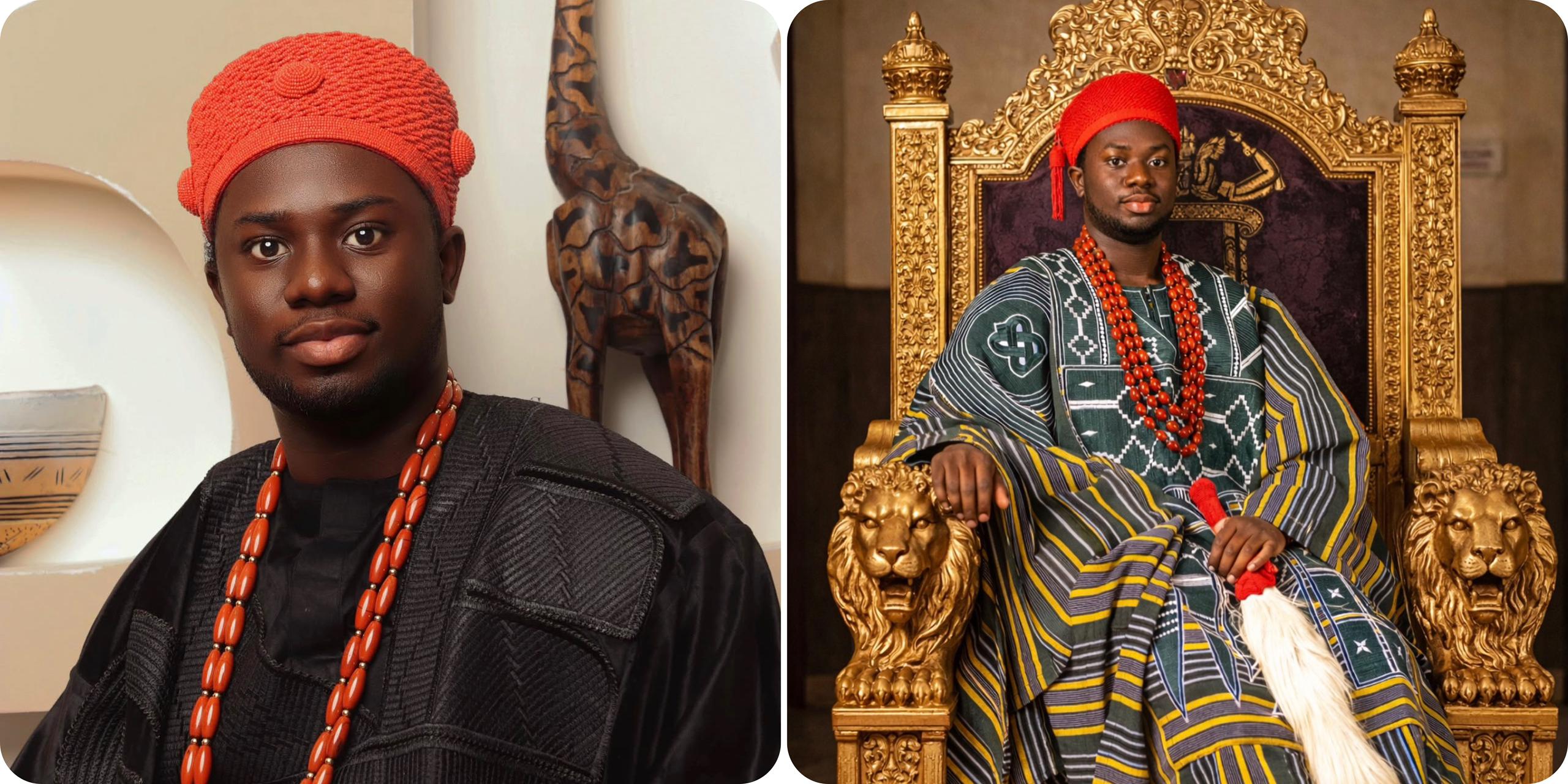
When Oba Oloyede Adekoya Akinghare II stepped into the role of monarch of the Okeluse Kingdom in Ondo State, most people expected the duties of kingship to wait until he was well into adulthood. Instead, in 2019, at just 16 years old, he was crowned Arujale-Ojima of Okeluse, becoming one of the youngest traditional rulers in Yorubaland. His story bridges centuries-old Yoruba tradition and a modern generation navigating respect, culture, and identity.
Early Life and Path to the Throne

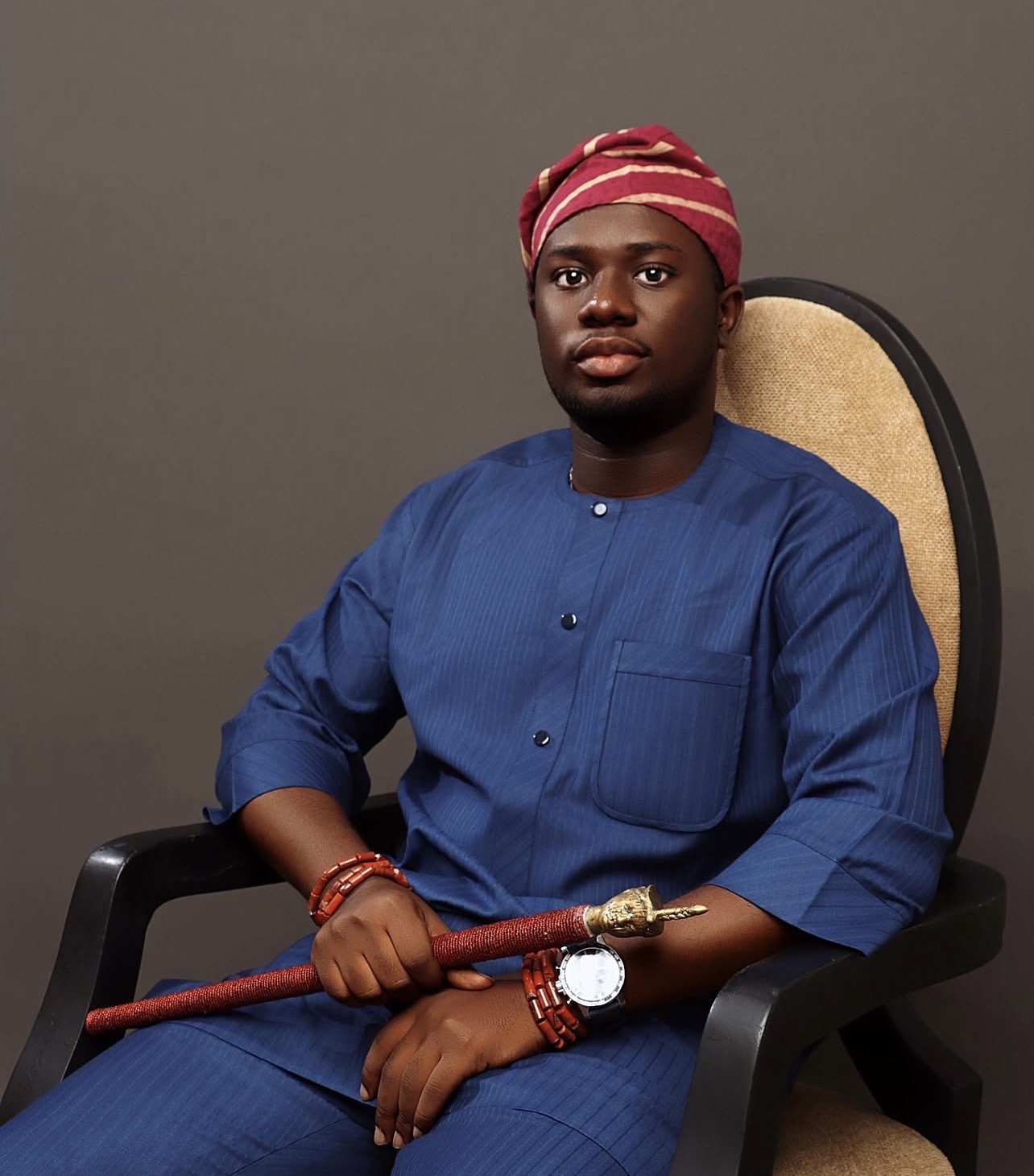
Oba Akinghare II was born in 2003 in Okeluse, a community in the Ose Local Government Area of Ondo State, Nigeria. His father, Oba Akinghare I (Adeyeoba Omomogbe), led their kingdom before his passing. In line with the traditions of the town, when a king dies, the first male child succeeds him. At the time of his father’s death, the teenage Oloyede was still in secondary school, yet royal custom made him the rightful heir.
In February 2019, the young prince was formally crowned Oba Adekoya Akinghare II. His ascension was confirmed by local kingmakers and later recognised by the Ondo State Government. Becoming king involved not just ceremony, but immediate responsibility for upholding the values, culture, and welfare of his people.
Balancing Education and Royal Duties

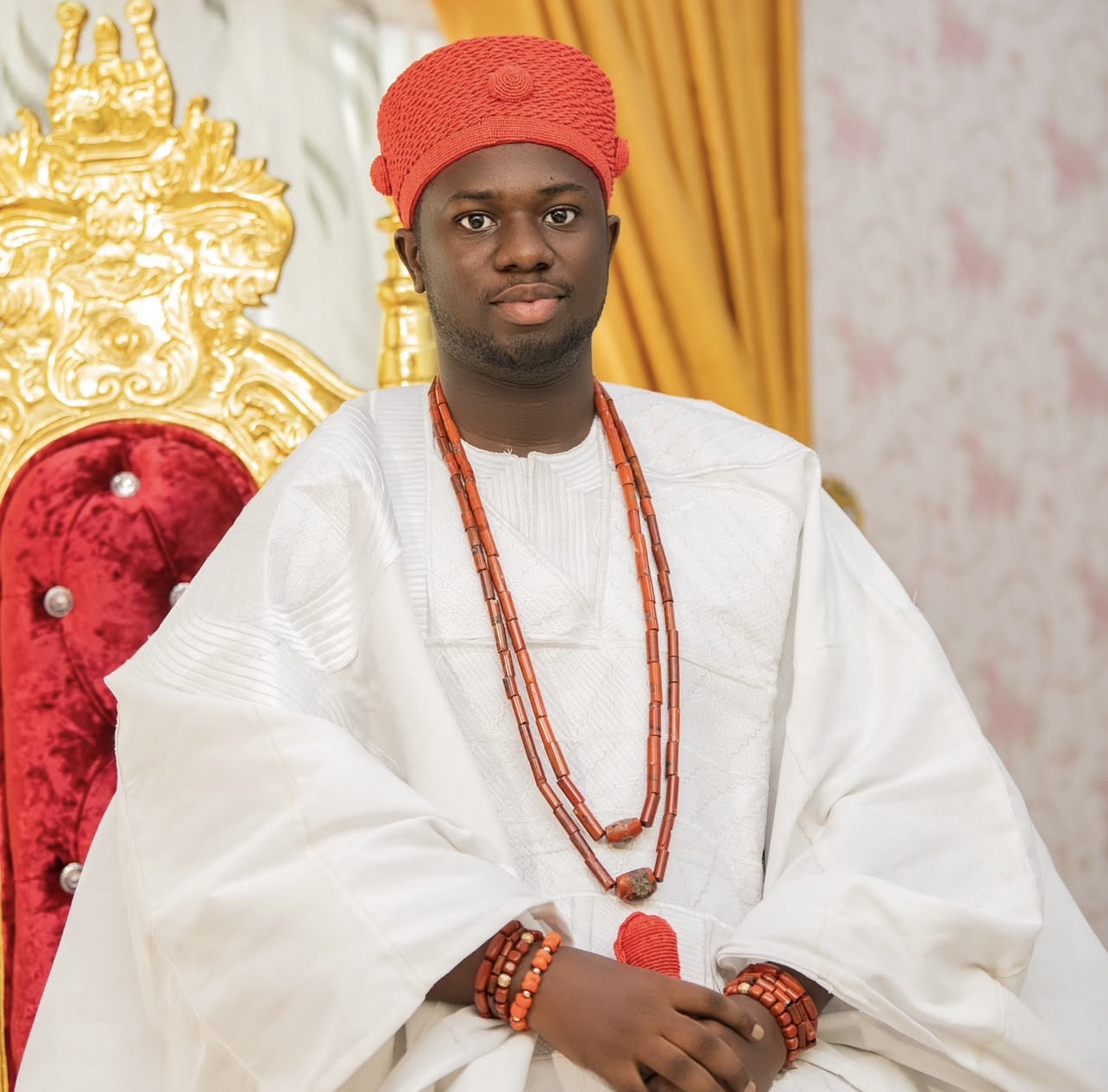
While bearing the responsibilities of a monarch, Oba Akinghare II also pursued his education. In August 2022, he graduated from Greater Tomorrow International College in Arigidi, completing his secondary school education at age 19. He shared photos from his graduation on social media and thanked his family, school, and community for their support during his years as both student and king.
After finishing secondary school, he continued his studies in political science at Afe Babalola University in Nigeria, openly expressing how education and kingship can go hand in hand in serving his kingdom.
The Recent Statement That Sparked National Discussion

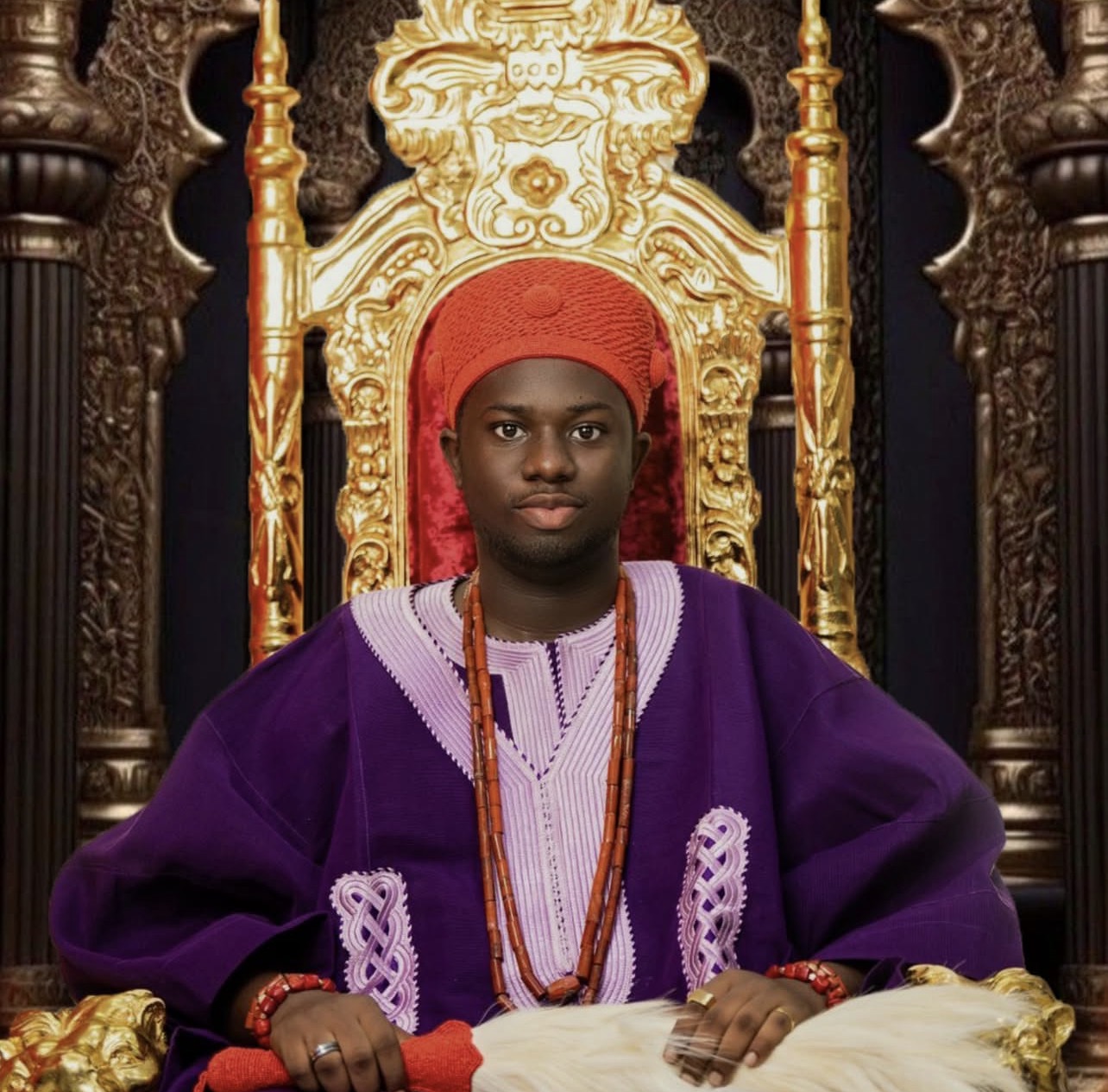
In January 2026, Oba Akinghare II made headlines again. It was not for a ceremony, but for something much simpler, yet culturally charged.
Oba Akinghare II began trending for how people address him. The palace released a statement on January 22, 2026, through the king’s Chief of Staff, Prince Adefemi Michael Olorunfemi, warning the public against calling the monarch informal names such as “bro” or “blood.”
The statement read in part: “Kindly note that Alayeluwa Oba Oloyede Adekoya Akinghare II is to be addressed strictly as His Royal Majesty at all times. Any other form of address is unacceptable.” The palace said addressing him casually was disrespectful to the sacred throne he occupies and to the values of Yoruba culture.
The palace added that his youth should not be used as an excuse for informality. “The fact that His Royal Majesty is the youngest king in Yoruba land does not give room for disrespect in any form,” the statement emphasised. It warned that casual expressions would no longer be tolerated and could be met with decisive action. See statement below: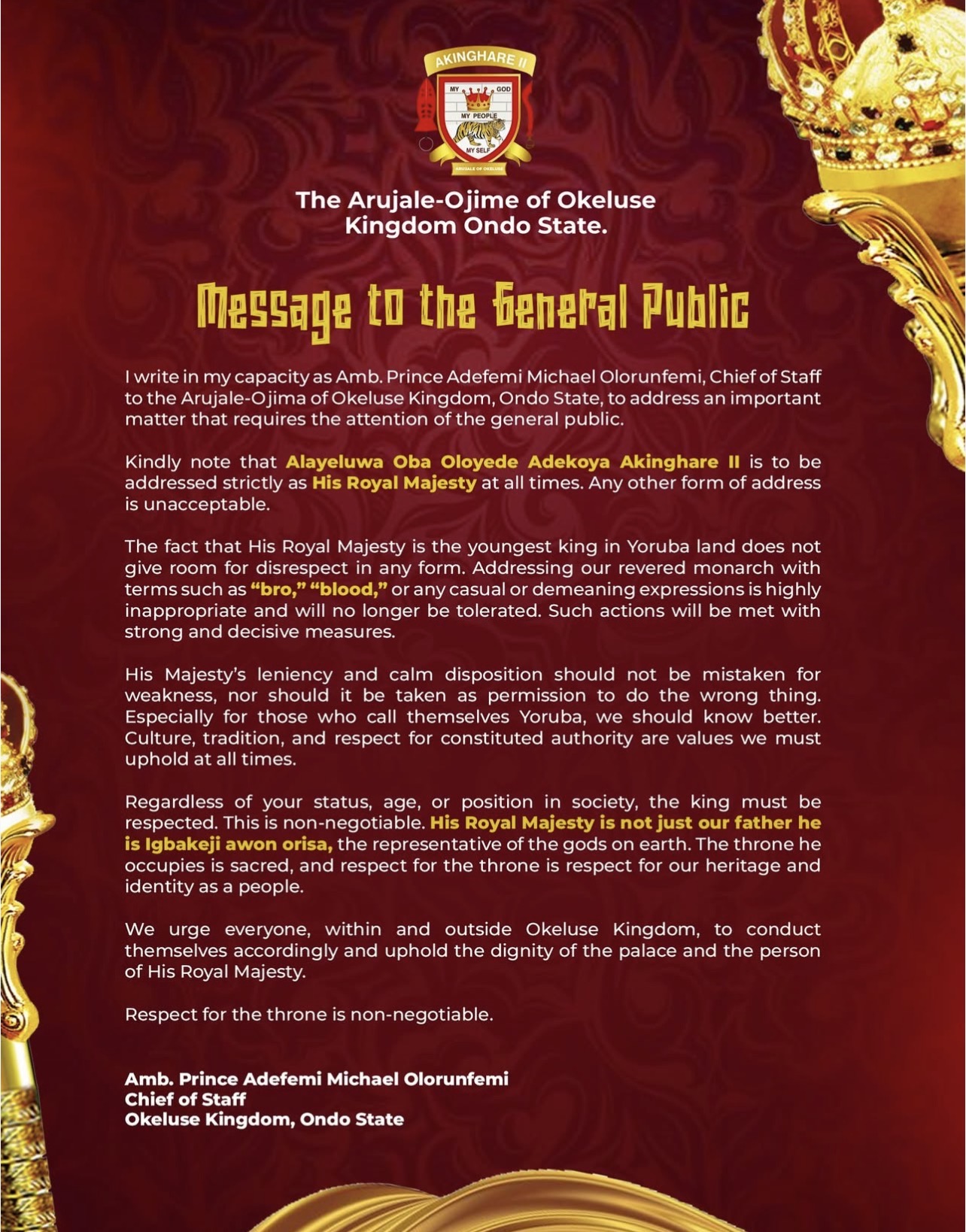

Why This Matters Beyond a Social Media Trend
What at first sounds like a simple request for formal titles actually reflects deeper cultural values. In Yoruba tradition, respect for elders and rulers has always been central. Monarchs, irrespective of their age are seen as custodians of history, culture, and spiritual authority, not merely ceremonial figures.
For many Nigerians, especially youths who commonly use terms like “bro” or “blood” in daily conversation, the statement ignited debate about how tradition and contemporary social normsinteract in modern society. Some saw the king’s message as a necessary assertion of respect for centuries-old customs. Others viewed it as out of step with how young generations communicate.
A Young Monarch in a Changing World

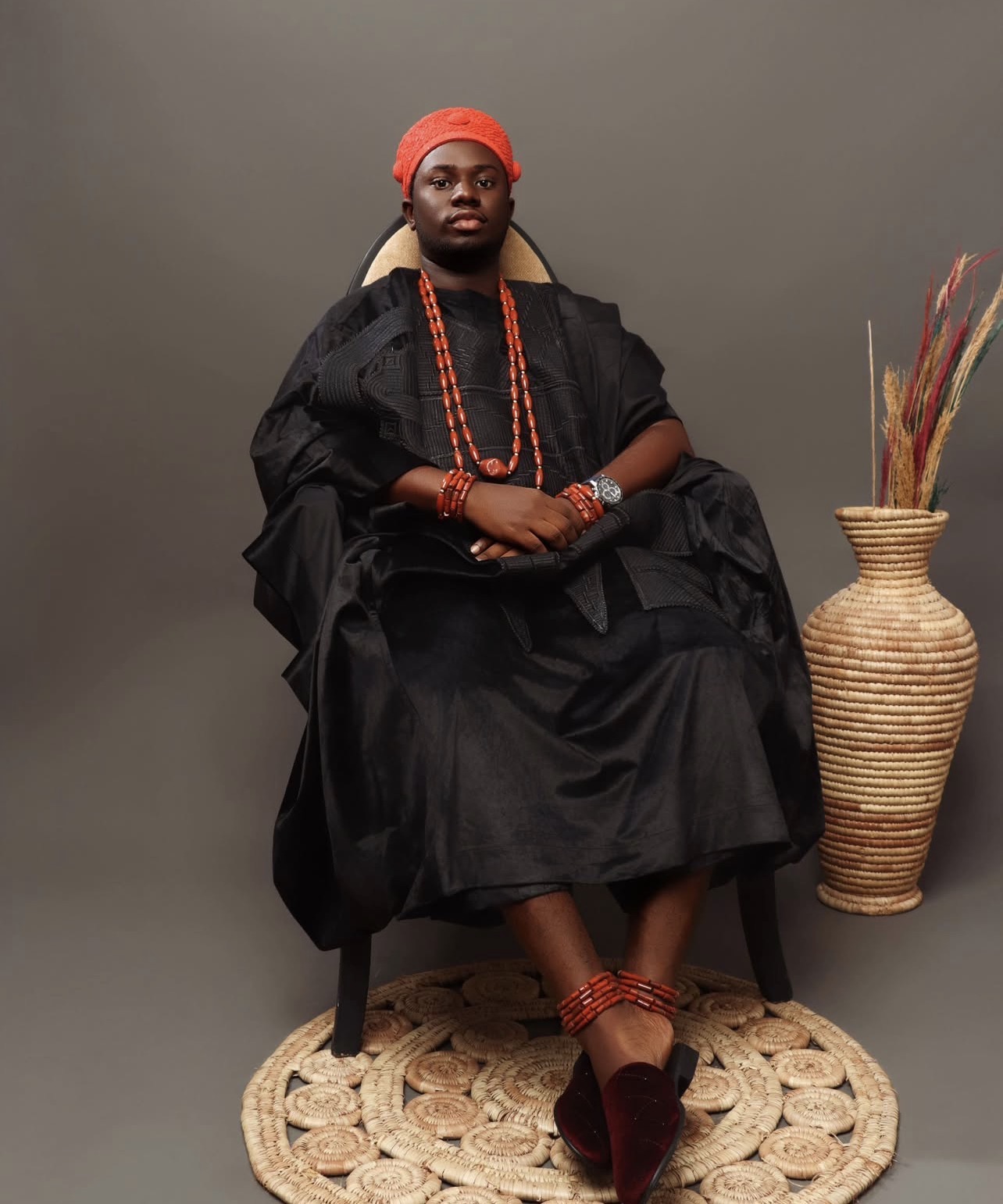
Oba Oloyede Akinghare II’s life and words highlight an important moment in Nigerian cultural history where age, authority, and identity intersect. He represents both the enduring strength of Yoruba tradition and the new face of leadership among younger generations. At just 22 years old and still studying, he reminds his people that respect for institutions and heritage remains vital, even as society evolves.
As his message continues to be discussed and shared across platforms, his role as a monarch, student, and symbol of cultural continuity shows that leadership today can blend ancient customs with modern realities and both can shape how people understand respect in an ever-changing world.