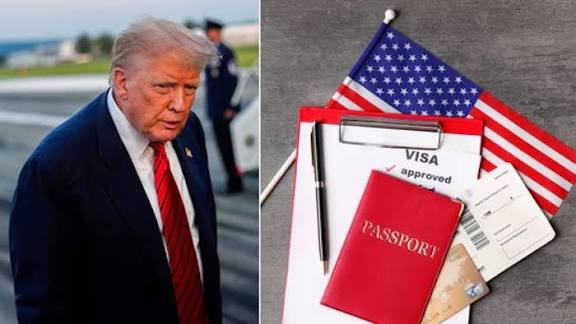
A new requirement is reshaping the way Nigerians approach U.S. travel, a measure that has drawn attention across business, tourism, and family visits. It is not widely understood, yet it carries significant implications for anyone planning to step onto American soil. The policy introduces a financial responsibility that sits between application and approval, creating questions about eligibility, cost, and compliance.
Recently, whispers about U.S. visa bonds have transformed into a reality, introducing a new layer of anticipation and uncertainty into the visa process. The term itself, visa bond, sounds like a legal instrument reserved for high-stakes financial dealings, but its consequences touch ordinary travellers, business professionals, and families dreaming of connecting across continents
For many, it is the first encounter with a system that links access to accountability in a tangible way. The changes have stirred discussion, concern, and careful planning among travelers who must now navigate not only the standard interview and documentation process but also a new layer of procedural evaluation.
The introduction of this requirement signals a shift in how entry into the United States is managed, blending financial accountability with policy enforcement. While the specifics may vary from applicant to applicant, the principle remains clear: preparation, awareness, and compliance are no longer optional considerations, they are integral to the application journey.
What Is a U.S. Visa Bond
A U.S. visa bond is a refundable financial deposit required from some non-immigrant visa applicants before a B-1 or B-2 visa is issued. It acts as a guarantee that the traveler will comply with visa terms and depart the United States before the authorized stay expires.
This bond is not:
- A bribe or shortcut to visa approval
- The same as the visa application fee, which is paid separately and non-refundable
- Paid to agents; it must go through official U.S. government channels
- If applicants follow the rules and leave on time, the bond is refunded. If they overstay or violate conditions, the U.S. government may forfeit the bond.
The bond represents a concrete layer of accountability within the visa process. For Nigerian travelers, it introduces a financial and procedural consideration that must be factored into every trip for business, tourism, or family reasons. It also reinforces the principle that access carries responsibility.
How Much Does the Visa Bond Cost
For Nigerian B-1 and B-2 visa applicants, the bond amount can be:
- $5,000
- $10,000
- $15,000
The exact amount is determined by the U.S. consular officer during the visa interview, based on travel history, likelihood of compliance, and ties to Nigeria.
At current exchange rates, $15,000 often exceeds ₦20,000,000, making it a significant upfront consideration for many applicants.
Important points about costs:
- The bond is paid only if instructed by the consular officer
- Payment does not guarantee visa approval
- Applicants must prepare financially and strategically to ensure they can meet the requirement if requested. The bond is structured to enforce compliance while offering the opportunity for reimbursement if conditions are met.
Who Is Affected
The bond requirement applies to B-1 and B-2 visa applicants from 38 countries, including Nigeria.
It does not apply to:
- Immigrant visas, such as green card categories like EB-3
- Other non-immigrant visa categories unless the policy is expanded
Whether an applicant is required to post a bond depends on risk assessment factors reviewed by the consular officer. These may include travel history, documentation, and ties to Nigeria.
Nigerian travelers who fall within this category, including business professionals, tourists, and families, are affected. Awareness of the policy and preparation for the possibility of a bond is essential to avoid delays or complications during the visa process.
What It Means for Applicants
1. Visa Interview and Eligibility
Applicants still attend the standard visa interview as usual. Only after the consular officer finds the applicant eligible for a visa might they be asked to post a bond.
2. Payment Process
If required to pay:
- Complete Form I-352 (Immigration Bond Agreement)
- Make payment through the official U.S. Treasury Pay.gov portal
- Avoid third-party platforms or agents claiming to secure the bond
3. Refund Conditions
The bond is refunded if:
- Applicants comply with all visa conditions
- They leave the U.S. before the authorized stay ends
- They are not admitted at the U.S. port of entry
- If applicants overstay the visa or violate terms, the bond can be forfeited.
4. Travel Restrictions
Some reports indicate that visa holders who post bonds may be expected to enter and exit the U.S. through a limited list of airports, including:
- JFK
- Dulles
- Boston Logan
Why the U.S. Introduced Visa Bonds
The U.S. government introduced visa bonds as a measure to reduce overstays and encourage compliance with immigration laws. It reflects a broader strategy to monitor travelers from countries with higher rates of visa violations. The bond serves as a financial guarantee, reinforcing the principle that entry into the United States carries responsibilities alongside opportunity.
The requirement is particularly focused on countries like Nigeria, where historical data indicates a higher likelihood of overstays among certain travelers. By linking compliance to a refundable deposit, the policy encourages applicants to respect the conditions of their visa while still allowing access to legitimate travelers. It is not intended to restrict travel indiscriminately, but to create a system of accountability.
For Nigerian applicants, this measure introduces a financial and procedural consideration that requires planning and awareness. Families, business professionals, and tourists must now consider not just eligibility and documents, but the potential obligation to post a bond. Awareness and preparation are key to navigating the process successfully without unnecessary delays or financial stress.
While some travelers have expressed concern over the cost and implications of the bond, it remains a tool designed to balance security and accessibility. The policy encourages compliance while providing a clear path for reimbursement for those who honor their obligations, creating a transparent mechanism that links intent to accountability.
Important Tips for Nigerian Applicants
1) Prepare strong documentation showing ties to Nigeria, including:
- Job verification
- Family connections
- Property or assets
2) Be honest and transparent during the visa interview
3) Only pay the bond if instructed by the consular officer
4) Avoid third-party intermediaries claiming they can secure a visa or bond
Applicants should also maintain records of prior travel and visa compliance to strengthen their profile. Presenting clear evidence of intent to return to Nigeria reduces the likelihood of facing the highest bond requirements.
Understanding the payment process and refund conditions in advance helps applicants avoid mistakes or delays. Using official channels ensures the bond is recognized by U.S. authorities and refundable once conditions are met.
Financial preparation is critical, as the bond can represent a significant upfront commitment. Applicants should budget accordingly, especially for amounts of $15,000, which can exceed ₦20,000,000 at current exchange rates.
Being proactive in preparation, documentation, and compliance is the most effective strategy for Nigerian travelers facing the new visa bond requirement. Awareness and adherence transform the process from a potential obstacle into a manageable step within the visa application journey.
Preparing for the Visa Interview
The visa interview remains the central step in the U.S. application process. It is where eligibility is assessed, documents are reviewed, and the consular officer evaluates intent. For Nigerian applicants facing the possibility of a bond, the interview carries an added dimension of scrutiny. Every answer, document, and piece of evidence is weighed against the applicant’s history, travel plans, and connections to Nigeria.
Preparation is essential. Applicants must organize documentation clearly and logically. This includes employment verification, property ownership, financial statements, and proof of family ties. These documents collectively demonstrate an applicant’s intent to return home after the authorized stay. A well-prepared portfolio reduces uncertainty and can influence the officer’s decision on whether a bond is necessary.
Applicants should also anticipate questions about previous travel history and compliance with prior visas. Any inconsistencies can increase the likelihood of a higher bond amount or additional requirements. Confidence, clarity, and honesty during the interview signal credibility, which can directly affect outcomes.
Understanding the interview process in advance allows applicants to approach it strategically. By preparing thoroughly, staying composed, and presenting evidence of intent to comply with U.S. visa regulations, Nigerian travelers can reduce the financial and procedural risk associated with the bond requirement. Awareness and preparation become the most effective tools for navigating the interview successfully.
Documenting Strong Ties to Nigeria
One of the most important aspects for consular officers is the applicant’s demonstration of strong ties to Nigeria. These ties serve as evidence that the traveler intends to return home after the U.S. visit. They are assessed in terms of employment, family, property, and social connections. A clear presentation of these ties often influences both bond requirements and overall visa approval.
Applicants should provide tangible proof of employment, such as pay slips, employment letters, or contracts. Business owners should include registration documents, tax filings, and financial statements. Family ties can be demonstrated through marriage certificates, birth certificates of children, or letters of support from relatives. Property ownership, including land, houses, or other assets, strengthens the perception of rootedness.
It is also useful to provide contextual evidence of community involvement or obligations in Nigeria. This could include participation in local associations, volunteer work, or educational commitments. All these elements collectively convey intent to return, which can reduce the likelihood of a high bond or additional scrutiny.
Maintaining organization and clarity in documentation is crucial. Applicants should ensure all documents are accurate, complete, and easy for the officer to review. The stronger and more verifiable the ties, the greater the probability that the bond requirement will be minimal or waived, streamlining the visa process for Nigerian travelers.
Financial Planning for the Bond
The financial aspect of the U.S. visa bond is a major consideration for Nigerian applicants. Bond amounts range from $5,000 to $15,000 and are determined based on individual assessment. Planning in advance is critical, particularly for higher amounts that can exceed ₦20,000,000. Without preparation, the requirement can delay travel or create undue stress during the application process.
Applicants should consider the bond as a temporary investment rather than a permanent cost. Refunds are contingent on compliance with visa terms and timely departure from the United States. Understanding this distinction allows applicants to approach the requirement strategically, allocating funds in advance and avoiding last-minute financial strain.
It is also important to budget for additional costs associated with the visa process. These may include travel expenses for interviews, document preparation, courier fees, and legal consultations if necessary. Treating the bond as part of a larger financial plan ensures that applicants are fully prepared and reduces the risk of errors or missed payments.
Financial discipline and preparation can turn a potentially daunting obligation into a manageable step. By anticipating the cost, organizing funds, and understanding the refund process, Nigerian applicants can approach the bond requirement confidently, ensuring compliance and minimizing stress.
Payment Process and Official Channels
Payment of the U.S. visa bond is strictly controlled and must follow official government channels. Applicants cannot use third-party agents, intermediaries, or unofficial platforms to make the deposit. Any attempt to bypass the official system can result in denial of the visa or forfeiture of the bond.
If instructed to pay, applicants complete Form I-352, the Immigration Bond Agreement. This document formally records the applicant’s obligation and ensures that the bond is linked to their specific visa application. Accuracy in completing the form is critical. Incorrect or incomplete information can delay processing or invalidate the bond.
All payments are made through the official U.S. Treasury Pay.gov portal. This ensures that funds are secure, traceable, and properly documented. Applicants should keep receipts and confirmation emails as proof of payment. These records may be requested at later stages to verify compliance or process refunds.
Understanding and following the payment process carefully is essential. It ensures that the bond is recognized, reduces the risk of complications, and signals seriousness and compliance to the U.S. authorities. Proper preparation transforms the bond from a potential obstacle into a procedural step within the visa application process.
Refund Mechanics and Compliance
The U.S. visa bond is refundable, but only under specific conditions. Compliance with all visa regulations is a prerequisite. This includes departing the United States before the authorized stay ends and adhering to any restrictions placed during entry. Failure to comply can result in partial or total forfeiture of the bond.
Applicants should be aware that the refund process is separate from visa approval. Even after leaving the U.S., documentation may be required to claim the refund. This could include proof of departure, flight itineraries, or confirmation from U.S. ports of entry. Keeping meticulous records simplifies the refund process and avoids delays.
The refundable nature of the bond is designed to balance risk and responsibility. Applicants are not penalized for following the rules, and the bond serves as both a guarantee and a reassurance mechanism. Compliance is rewarded with full reimbursement, while violations carry financial consequences.
For Nigerian travelers, understanding these conditions is crucial. Careful adherence ensures that the bond serves its intended purpose as a temporary financial guarantee, rather than a permanent expense or punitive measure. Planning, compliance, and record-keeping are the pillars of navigating this requirement successfully.
Travel Restrictions and Entry Points
Some reports indicate that visa holders who post bonds may face travel restrictions within the United States. Specifically, they may be expected to enter and exit through a limited list of designated airports. This allows U.S. authorities to monitor compliance and enforce regulations more efficiently.
Designated airports commonly referenced include:
- JFK, New York
- Dulles, Washington D.C.
- Boston Logan, Massachusetts
While these restrictions do not prevent travel within the United States, they shape the logistics of entry and departure. Applicants may need to adjust flight plans and itineraries to comply with the designated ports of entry.
Understanding these limitations in advance helps applicants plan effectively. Awareness of restricted entry points ensures that travelers avoid complications, maintain compliance, and minimize the risk of inadvertently forfeiting their bond. Proper planning transforms potential inconvenience into manageable logistics.
Strategic Preparation for Nigerian Applicants
Nigerian travelers face unique considerations under the U.S. visa bond policy. Effective preparation requires both financial readiness and strategic documentation. Applicants should review their travel history, employment records, family connections, and assets to present a comprehensive profile to consular officers.
Key areas of focus include:
- Employment verification
- Property ownership and assets
- Family and social ties
- Prior visa compliance
Organizing these elements effectively signals credibility and reduces the likelihood of high bond requirements. Preparation also demonstrates awareness of U.S. visa policies and respect for compliance mechanisms.
Proactive preparation helps Nigerian applicants navigate uncertainties associated with the bond. By presenting a clear, organized, and verifiable profile, travelers can approach the visa process confidently, minimizing risk and ensuring that the bond remains a procedural formality rather than a hurdle.
Key Takeaways for Nigerian Applicants
The U.S. visa bond is a new reality for B-1 and B-2 visa applicants from Nigeria. Understanding it fully is essential to avoid surprises and navigate the process efficiently. The bond represents a financial guarantee linked to compliance rather than a fee for visa approval, and it is refundable if all conditions are met.
Important points to remember:
- The bond is only required if instructed by the consular officer after the interview
- It does not guarantee visa approval
- Payment must be made through official U.S. government channels, never third parties
- Refunds are issued only if visa conditions are fully met, including departure before the authorized stay ends
Preparation is critical:
- Document strong ties to Nigeria, including employment, family, and property
- Be honest and transparent during the interview
- Organize travel plans and finances to accommodate potential bond requirements
- Maintain records for compliance and refund purposes
For Nigerian travelers, the visa bond is not a barrier but a test of preparation, credibility, and financial readiness. Those who approach it strategically can ensure compliance, recover their deposit, and enter the United States without unnecessary stress or complications. The measure reinforces accountability while still allowing legitimate travelers to access opportunities in the U.S., making awareness and preparation the most important tools for success.