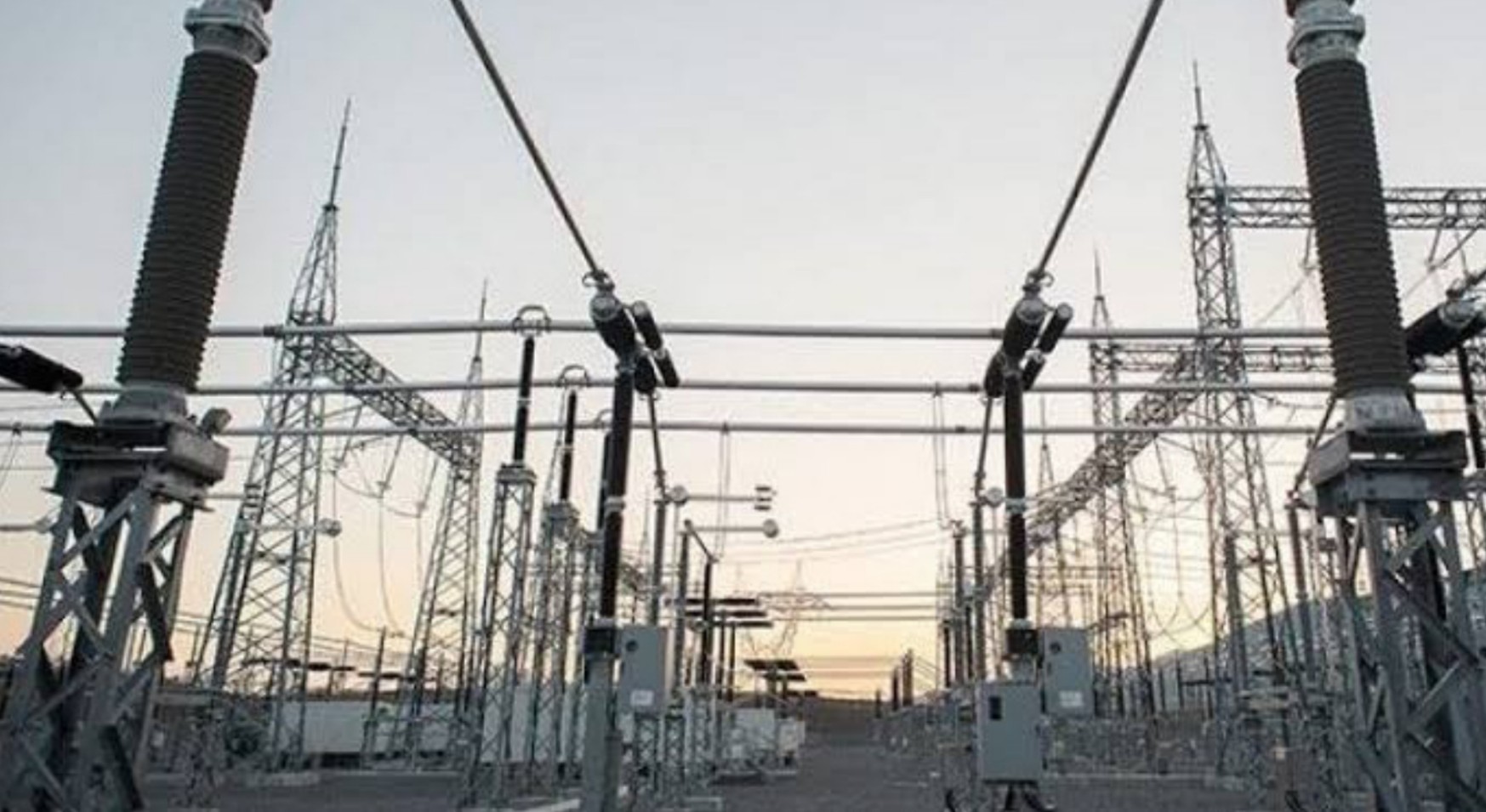
The creation of the Grid Asset Management Company Limited by the Federal Government has generated discussion among power sector observers about how the proposed entity will operate alongside existing agencies within Nigeria’s electricity industry.
President Bola Tinubu recently constituted an 11-member committee tasked with facilitating the smooth establishment of the new company after approval by the Federal Executive Council.
The development was confirmed in a statement issued by the presidential spokesperson, Bayo Onanuga, who explained that the initiative is designed to address long-standing inefficiencies in power transmission and grid management.
According to the presidency, the company is expected to provide a short-term intervention aimed at resolving the problem of stranded electricity generation and improving the movement of power through the national grid.
Officials said the immediate objective of the initiative is to help evacuate unused electricity capacity by strengthening transmission arrangements and improving the utilisation of existing infrastructure.
For the initial phase of the project, the focus will be on selected plants under the National Integrated Power Project.
These facilities include the Omotosho, Olorunshogo and Ihovbor power plants, which have experienced challenges linked to transmission constraints despite their generation capacity.
The committee is also expected to examine the responsibilities of the proposed company and determine whether they overlap with existing institutions within the electricity sector.
This question has become central to the debate surrounding the initiative because several agencies already play important roles in managing power transmission and regulating the industry.
Among these institutions is the Transmission Company of Nigeria, which is responsible for operating and maintaining the country’s transmission network.
The company oversees the infrastructure that carries electricity from power plants to distribution companies across the country.
Its mandate also includes expanding transmission capacity, improving network reliability and reducing energy losses within the grid system.
The agency aims to maintain high operational reliability by strengthening infrastructure and introducing network redundancies that ensure continuity of supply.
In addition to the transmission company, the electricity industry is regulated by the Nigerian Electricity Regulatory Commission.
The commission supervises the Nigerian electricity supply industry by issuing licences, establishing technical and commercial standards and determining tariff frameworks for operators.
It also defines the rights and responsibilities of consumers and service providers within the sector.
The regulatory body was originally created under the Electric Power Sector Reform Act of 2005 during the administration of Olusegun Obasanjo.
That law has since been replaced by the Electricity Act of 2023, which now governs the operation of the country’s electricity market.
Further changes occurred in 2024 when the regulatory commission approved the operational separation of certain functions within the transmission company.
This process led to the establishment of the Nigerian Independent System Operator, which now handles operational management of the electricity grid and coordinates the market system.
The system operator also carries out grid planning responsibilities and provides advisory guidance for future network expansion.
Beyond these institutions, another entity operating within the power sector is the FGN Power Company.
The organisation was created as a special purpose vehicle to implement the Presidential Power Initiative.
This programme is being executed in partnership with Siemens Energy and Siemens AG.
The initiative seeks to modernise the national power system through upgrades across generation, transmission and distribution infrastructure.
The programme also requires financing arrangements, coordination among stakeholders and structured technical planning to ensure effective implementation.
Given the number of institutions already involved in the sector, some analysts believe the functions of the proposed asset management company require clear definition.
They argue that without precise operational boundaries, the introduction of another agency could create uncertainty within the regulatory and operational framework.
The committee established by the president is therefore expected to clarify how the new organisation will interact with existing institutions.
Speaking on the issue, the professor of energy, extractives and governance law, Dayo Ayoade, said the proposal raises questions about policy coordination within the sector.
He said, “It creates policy instability and indicates that the government has not clearly defined the outcome it intends to achieve.”
The academic noted that if the company eventually takes on responsibilities relating to asset management and tariff recovery, such actions could affect the authority of regulatory institutions.
He added that financial intervention mechanisms already exist in the power sector, including programmes coordinated by the Central Bank of Nigeria.
The professor therefore questioned whether the new entity could become an additional financial intermediary within the sector.
He also referenced the role of the Nigeria Electricity Liability Management Company, which manages legacy debts and certain assets that were not transferred during power sector privatisation.
According to him, the relationship between these organisations would need careful consideration to avoid creating unnecessary administrative layers.
Ayoade said the committee must examine the financial implications of establishing additional institutions within the sector.
He said, “The cost of maintaining and running these institutions, I don’t think the government is aware of it.”
Another industry voice, the national secretary of the Nigeria Electricity Consumer Advocacy Network, Uket Obonga, emphasised that structural reforms require a comprehensive approach.
He said, “An arrangement of quick fixes won’t solve the problems of electricity.”
Obonga added that long-term improvements in electricity supply depend on coordinated policy actions and sustained commitment from government institutions.
Also commenting, the power sector policy analyst, Bode Fadipe, said the eventual mandate of the company must be clearly articulated.
He explained that a carefully drafted mission statement will determine how effectively the organisation contributes to improving electricity delivery in the country.
The committee’s recommendations are therefore expected to play a crucial role in shaping how the proposed company fits into the broader institutional framework of Nigeria’s electricity sector.