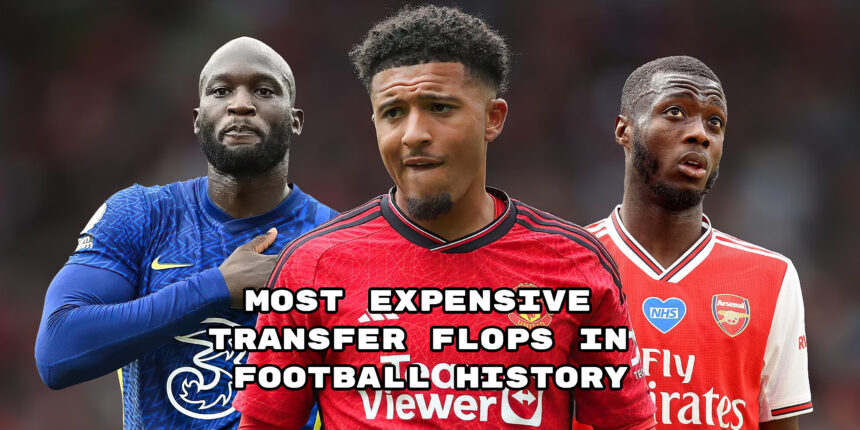
Football fans love talking about great signings. The bargains. The masterstrokes. The players who arrived and changed everything. But there is another side of the transfer market that never really goes away, the side where huge money is spent, expectations rise, and nothing works the way it was supposed to.
- What Counts As a Transfer Flop
- Barcelona and the Era of Overspend
- Chelsea’s Transfer Gamble Backfires
- Premier League Flops With Managerial Fingerprints
- The Managerial Minds Behind Strategic Errors
- Flops That Changed Club Fortunes — Financial and Tactical Aftermath
- Why Managers Should Be Held Accountable
- When Big Money Meets Small Returns
Every expensive transfer flop has a face, but behind that face is almost always a manager. Someone who asked for the player. Someone who approved the deal. Someone who believed the system would fit. And sometimes, someone who later had no idea how to make it work.
This is not a story about bad players. Most of the footballers on this list were genuinely talented. Some were even world-class before or after their failed moves. This is a story about timing, tactics, pressure, ego, recruitment politics, and the thin line between a brilliant signing and a very expensive mistake.
From Barcelona’s post-Neymar panic buys to Manchester United’s endless rebuilds, from Chelsea’s record fees to Real Madrid’s rare misfires, certain managers have been repeatedly linked to transfers that promised greatness and delivered regret. Not always because they were careless, but because football does not forgive wrong fits, no matter how much money is involved.
In this article, we will take a look at the managers with the most expensive transfer flops in football history, not to mock them, but to understand how these decisions happened, what went wrong, and why even the smartest football minds can still get it painfully wrong when big money meets big expectations.
What Counts As a Transfer Flop
When people talk about transfer flops, they usually start and end with the price tag. If the fee is high and the performances are poor, the label comes quickly. But football is not that simple, and most of the time, the story is much deeper than money alone.
A transfer only becomes a real flop when expectations and reality drift so far apart that the signing stops making sense for the club. A player can work hard, stay professional, even show flashes of quality, and still be a flop if he never becomes what the club actually needed. That is the part many fans ignore. Football transfers are not just about talent. They are about purpose.
Every major signing arrives with a role already written for him in people’s minds. Replace a legend. Lead a rebuild. Carry the attack. Control the midfield. Stabilise the defence. When a player consistently fails to deliver that specific purpose, the signing begins to rot, even if the player himself is not terrible. A £70 million midfielder who plays “okay” but never controls games is still a failure of recruitment logic, not just performance.
Fit is usually where things go wrong. Footballers do not play in isolation. They live inside systems. A striker who thrives in space can look useless in a team that faces deep blocks every week. A creative midfielder can disappear in a rigid, defensive structure. A pressing winger can look lazy in a side that sits deep. When the system does not match the player, confidence drops, mistakes grow louder, and the fee starts to hang around the player’s neck like a weight.
Timing makes it worse. Many flops arrive during unstable periods. A manager who wanted them gets sacked. A new coach arrives with different ideas. The board changes direction. Suddenly the player is no longer part of a clear plan. He becomes a leftover piece from a project that no longer exists. At that point, even good performances feel temporary because the future is already uncertain.
Injuries also shape these stories more than people like to admit. Some signings fail simply because the player is never available long enough to build rhythm. When a club invests heavily and only gets scattered appearances in return, the emotional sympathy does not cancel the sporting damage. The signing still becomes a problem, even if nobody blames the player personally.
Then there is pressure. Certain clubs amplify everything. One bad game becomes ten conversations. One missed chance becomes a month of criticism. Some players handle it. Some shrink. And once confidence goes at that level, recovery is brutally difficult. You start seeing hesitation in simple actions. You start seeing players play safe instead of playing free. At that point, the talent is still there, but the player is already trapped by expectation.
This is why a transfer flop is rarely just about a footballer being bad. It is almost always about a decision failing. A judgement failing. A plan failing. Somebody believed strongly enough in that move to approve it. Somebody imagined a version of the future that never arrived.
So in essence, a flop does not mean useless. It means a signing that never justified its purpose, never matched its environment, and never delivered what the club thought it was buying. And when that happens, the responsibility never belongs to the player alone. It belongs to the manager who approved it, trusted it, and could not turn it into success.
The Managers With the Most Expensive Transfer Flops in Football History
Let us be honest. When a transfer fails, fans always blame the player first. He is lazy. He is overrated. He was never that good. But most of the time, the player did not walk into the club by himself. Somebody wanted him there. Somebody approved the fee. Somebody believed he would fit.
That somebody is usually the manager.
Some managers inherit signings. Some demand them. Some compromise on them. Some fight for them. But in the end, the manager is the one who must make it work on the pitch. And when it does not, the price tag does not disappear. It only becomes louder.
This is not about mocking players or pretending football decisions are easy. It is about looking honestly at how certain managers became tied to some of the most expensive transfer mistakes the game has seen. Not just because the players failed, but because the situation, the timing, the system, or the judgement failed.
You will see names here that were brilliant elsewhere. You will see managers who are respected. You will see clubs that thought they were building something serious. And you will see how quickly money, pressure, and expectation can turn into regret.
If you have ever wondered how a hundred-million-euro signing can look world-class in one place and completely lost in another, this is where that story really starts.
Barcelona and the Era of Overspend
Barcelona’s most painful transfer period in modern times is not really about two players. It is about what the club became after Neymar left. Once Paris Saint-Germain triggered Neymar’s €222m clause in 2017, Barcelona suddenly had a mountain of cash and a hole in the team that money could not easily fix. Instead of slowing down and rebuilding with patience, they tried to buy certainty. They tried to buy “the next Neymar solution” in separate pieces, and the club ended up paying premium prices for signings that were never properly anchored to a clear sporting plan.
Yes, Barcelona’s board and recruitment team played a huge role, but the reality is that managers still have to make the pieces fit. And in both cases, the club spent massive money on elite talent, then placed that talent into systems where their best qualities became awkward instead of dangerous.
Philippe Coutinho (Liverpool, Barcelona, January 2018)
Coutinho arrived at Barcelona as a luxury signing dressed up as a necessity. Barcelona did not just pay big money, they paid “we must fix this immediately” money. Multiple credible reports and major outlets described the deal as €120m guaranteed with add-ons that could take it up to about €160m overall, which is why he is still widely described as Barcelona’s record signing of that era.
On paper, the logic sounded simple: Coutinho was a technically gifted playmaker who could score from range, create chances, and play across the front line. In reality, Barcelona already had a football ecosystem that revolved around Lionel Messi, with wide spaces and central zones already occupied by players whose roles were not flexible. Coutinho’s best Liverpool version lived in that left half-space where he could receive, turn, and shoot or slip passes inside.
At Barcelona, that same area was often either Messi’s territory drifting in, or a zone that needed a more disciplined midfielder to keep the team balanced. So Coutinho ended up floating between roles: not quite a left winger, not quite a central midfielder, not quite a second striker. The talent did not disappear, but the clarity did.
This is where the managerial piece comes in. Under Ernesto Valverde, Barcelona were pragmatic and results-focused, but they were not a team built to constantly redesign itself around a new expensive playmaker. Valverde and the technical staff never fully settled on what Coutinho was supposed to be in their best XI, and that uncertainty showed in the way his minutes and positions shifted. It is hard to dominate at Barcelona when you are always being used as a “solution” rather than being part of the identity.
The most brutal part is what happened next, because it shows how expensive flops do not just fade quietly. Barcelona eventually loaned Coutinho to Bayern Munich for the 2019/20 season. Barcelona themselves announced the loan deal, and it became one of the clearest admissions that the project had failed: a player signed for record money was being sent away barely a year and a half later. External reporting around that move also made the numbers look even worse, because Bayern’s loan arrangement included a massive purchase option, yet it was still seen as unrealistic at the time given how Barcelona’s valuation had collided with the player’s uneven form.
Then the final blow, in May 2022, Barcelona agreed to sell Coutinho to Aston Villa for €20m, with Barcelona themselves confirming the fee and a 50% sell-on clause. Whatever way you slice it, that is the profile of a catastrophic depreciation. It was not simply “he did not play well.” It was “the club paid elite-superstar money and ended up treating the player like a financial burden they needed to move off the books.”
Coutinho became the cleanest case study of tactical misalignment at a superclub: a world-class footballer signed at maximum cost, placed into a role that blurred his strengths, and eventually sacrificed as Barcelona’s finances tightened and the team tried to restore balance.
Antoine Griezmann (Atlético Madrid, Barcelona, July 2019)
If Coutinho was panic buying with Neymar money, Griezmann was Barcelona trying to force a strategic fit with a player whose best football was built on a very specific kind of freedom. Barcelona paid his €120m buyout clause in July 2019, and the club’s own announcement made it clear this was not a negotiation bargain, it was a straight “we are paying the clause because we want him now” move.
The problem was never that Griezmann was not good. The problem was that Barcelona did not really need “Griezmann the Atlético forward” as much as they needed a coherent post-Messi plan, and those are not the same thing. Griezmann’s Atlético version thrived off intelligent movement, timing, and combination play in systems designed to maximise his decision-making around the box.
At Barcelona, he walked into a team where Messi’s gravity shaped everything. The same spaces Griezmann liked to attack were often the same spaces Messi drifted into, and in matches where Barcelona needed width, Griezmann was sometimes pushed wider than his natural instincts preferred. So you ended up watching a brilliant player doing a lot of work, making a lot of safe touches, and still feeling like the sharpest parts of his game were muted.
Managerially, it became a carousel of half-solutions. Under Valverde, Barcelona still leaned on control and Messi’s brilliance, and Griezmann’s role never settled into something that felt inevitable. When Quique Setién came in and tried to push a more positional, passing-heavy identity, Griezmann still never looked like the centre of the idea. He looked like a premium piece being fitted into a puzzle that had already been built.
And then there is the part that really exposes why this is labelled a flop, the exit. In August 2021, Barcelona agreed a loan move back to Atlético Madrid, with Barcelona confirming there was a compulsory permanent transfer clause, and Atlético taking on wages. That is not how clubs handle signings they feel are foundational. That is how clubs handle expensive problems they need to solve.
By October 2022, Griezmann’s return became permanent, and major reporting confirmed Barcelona ended up agreeing to reduce the fee dramatically, with figures around €20m widely reported after an earlier €40m framework was discussed in the deal structure. In other words, Barcelona paid €120m to sign him, then later accepted a fraction of that value to get him off the wage bill and close the chapter. That is the textbook definition of “investment and tactical deployment never aligned.”
The Coutinho and Griezmann era shows how flops at the biggest clubs are rarely about one bad player. They are about a club chasing fixes with expensive names, managers trying to make mismatched pieces work under extreme pressure, and an identity that gets weaker every time the plan changes mid-season. Barcelona did not just lose money in this period. They lost years.
Chelsea’s Transfer Gamble Backfires
Chelsea is one of those clubs where transfer decisions do not just live or die on the pitch. They live in public. The fee becomes a headline, the wages become a debate, and every poor run of form turns into a referendum on the manager, the board, and the club’s identity. Under Roman Abramovich, Chelsea spent big for years, but the spending usually came with trophies that softened the noise. Under Todd Boehly’s ownership, the spending became even louder, the churn became faster, and the club started looking like a place where expensive players arrive into moving sand.
That is why Romelu Lukaku and Kepa Arrizabalaga matter in a story like this. Both were record-level investments. Both arrived with a “this fixes it” expectation attached to them. And both ended up becoming cautionary tales for different reasons: Lukaku because the relationship between player, manager, and plan collapsed publicly, and Kepa because a world-record goalkeeper fee created a pressure bubble that never really stopped swelling.
Romelu Lukaku (Inter, Chelsea, 2021)

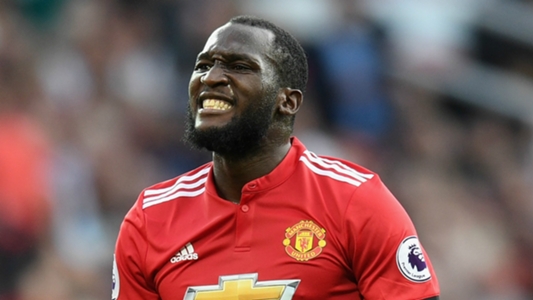
Chelsea bringing Lukaku back in August 2021 was supposed to be the final piece. They had just won the Champions League under Thomas Tuchel, but everyone could see the same issue: they created chances, but they did not always finish them with the ruthlessness that wins league titles. So Chelsea went for the biggest, most proven striker they could realistically land at the time, paying £97.5 million, a club-record fee, to sign him from Inter.
The problem is that this signing was treated like an obvious match when it was actually a complicated one. Lukaku is at his best when the team plays into his strengths: early balls into space, quick combinations into the box, and a structure that lets him attack the penalty area without constantly being asked to play with his back to goal against a deep defence. Tuchel’s Chelsea, especially in big games, were more controlled, more system-driven, and often more comfortable circulating possession than playing direct. That mismatch showed up quickly. There were games where Lukaku looked isolated, games where he looked frustrated, and long stretches where Chelsea looked like they were trying to force a striker into a rhythm the team itself was not naturally creating.
Then the situation exploded publicly in December 2021, when Lukaku gave an interview to Sky in Italy saying he was not happy with his situation and questioning Tuchel’s system, while also talking about his love for Inter and the idea of returning. It created exactly the kind of noise Chelsea hated because it made the entire project look unstable. Tuchel openly said the comments were not helpful, and Lukaku was dropped for a match as the club tried to put the fire out.
At that point, the football side almost became secondary. The real story became trust. Tuchel could not fully trust the striker. The striker did not look fully bought into the manager. And a £97.5m forward who is not central to the coach’s belief system is basically a financial time bomb.
The clearest proof of how badly it went is what happened next: Lukaku did not play for Chelsea after May 2022, and the club immediately moved to send him out on loan. Reuters later summed up the situation bluntly by noting that after rejoining Chelsea in 2021, he did not play for them after May 2022 and spent subsequent seasons on loan in Italy. Sky reported Chelsea agreed his return to Inter on loan in 2022, with Inter paying a loan fee and covering wages, which tells you Chelsea’s priority was getting him off the wage bill and out of the dressing room environment. He then went on loan to Roma for the 2023–24 season, another season of Chelsea trying to find an exit route that did not involve paying out the full burden themselves.
By August 2024, Chelsea finally sold him permanently to Napoli. Reuters reported the deal, noting British media reports of around £30m, and framing it as the end of a disastrous second Chelsea spell. Sky’s report also framed the move as a reunion with Antonio Conte, with a fixed fee figure in the £25m range depending on reporting, which is the kind of drop in valuation that tells you everything about how quickly a “marquee solution” became an expensive problem to move.
So when people call Lukaku a Chelsea flop, it is not only because of goals or performances. It is because the plan collapsed at three levels at once: tactical fit, dressing-room stability, and financial value. Chelsea paid record money, carried huge wages, and ended up spending multiple seasons finding ways to park the player elsewhere until a cut-price permanent exit finally arrived.
Kepa Arrizabalaga (Athletic Bilbao, Chelsea, 2018)
Kepa’s story is a different kind of transfer pain, because it was never one single scandal that defined him. It was the slow, exhausting weight of being a world-record goalkeeper in a club where one mistake becomes a week of headlines.
Chelsea signed Kepa in August 2018 after Thibaut Courtois forced through his move to Real Madrid. Athletic Bilbao’s release clause was triggered at around €80m, which was roughly £71.6m, making Kepa the most expensive goalkeeper in football history. That fee did not only buy a goalkeeper. It bought an expectation: that Chelsea had locked down the position for years with an elite, modern keeper.
And to be fair, Kepa did have moments that showed why he was rated. In his early Chelsea period, he had spells where he looked sharp, saved penalties, and played well enough that you could imagine the club had secured a long-term starter. But goalkeeping is ruthless. A winger can miss chances and still look dangerous. A goalkeeper makes one high-profile error and it becomes his identity.
The pressure at Chelsea intensified in 2019 during the League Cup final incident under Maurizio Sarri, when Kepa refused to be substituted late in extra time. That moment became bigger than the match. It became a symbol of a club that looked chaotic and a player whose confidence and decision-making were under the microscope. From there, the relationship between manager trust and Kepa’s status never really felt stable. He had good runs, but he also had dips that made Chelsea constantly question whether they could win the biggest trophies with him as the undisputed number one.
That uncertainty eventually turned into a revolving door. Kepa drifted between starting and being dropped under different managers, and Chelsea ultimately moved in the direction many clubs do when a record-fee keeper does not fully settle: they replaced him, then tried to salvage value through loans and controlled exits.
By August 2023, Kepa went on a season-long loan to Real Madrid, signed as emergency cover after Thibaut Courtois suffered a long-term injury. Even that loan had the same pattern Chelsea fans knew: an initial run of games, a shift in trust, rotation, and the sense that he was not truly becoming “the keeper” in the long term.
The most up-to-date twist in Kepa’s Chelsea story is that it finally ended in a permanent move. Reuters reported that Arsenal signed Kepa in July 2025, activating a £5m release clause, after his loan spells and Chelsea contract reshaping. That is a staggering arc: from a £71.6m world-record signing to a £5m release clause exit.
Kepa is not remembered as a total failure because he won trophies at Chelsea and had quality spells. But in transfer terms, Chelsea did not get anything close to “world-record goalkeeper value” back from that investment. They paid the premium price, carried the pressure and inconsistency, and eventually exited at a tiny fraction of the original cost.
That is the Chelsea pattern in a nutshell: big fees, big expectations, and then the club spending years trying to manage the fallout when the reality does not match the purchase.
Premier League Flops With Managerial Fingerprints
When you look at how money has changed the Premier League over the last 20 years, you begin to see a pattern. Some signings simply worked, players who arrived, settled quickly, and justified every penny. Others never found their feet, and because the Premier League leaves no forgiveness, those big-fee players quickly became symbols of missteps as much as mismatched ideas. What ties many of these flops together is that they were not purely about ability. They were about timing, system, confidence and how managers used them, or failed to.
Fernando Torres (Liverpool, Chelsea, 2011 – £50m)
When Chelsea signed Fernando Torres in January 2011 for around £50 million, it was headline news across every sports desk in England. He was one of the most feared strikers in Europe, and Liverpool had relied on him for goals, pace and unpredictability for years. But by the time Chelsea brought him in under Carlo Ancelotti, the Torres fans had known was already a different player, and the Chelsea surrounding was a very different environment. Torres never rediscovered the instinct that made him a goal machine at Anfield. In his first 18 league appearances after joining, he scored once, a rare and isolated moment in a run dominated by missed chances and mounting pressure. The numbers tell part of the story: where he had scored freely in his earlier seasons with Liverpool, with Chelsea he simply could not build rhythm or confidence. There were flashes, including a dramatic goal against Barcelona at the Camp Nou that helped send Chelsea into the 2012 Champions League final, but even that highlight did little to erase the bigger pattern of decline in form and belief.
Behind the scenes, the tactical fit was never quite right. At Liverpool, Torres was the focal point in a relatively direct attack that played to his strengths. At Chelsea, the system under Ancelotti demanded more link-up play and positional detail that never quite suited his instincts at that stage of his career. Confidence visibly sank, and for a player who had once terrified defenders across England, that lingering doubt on the pitch became unmistakable.
Paul Pogba (Juventus, Manchester United, 2016 – £105m)

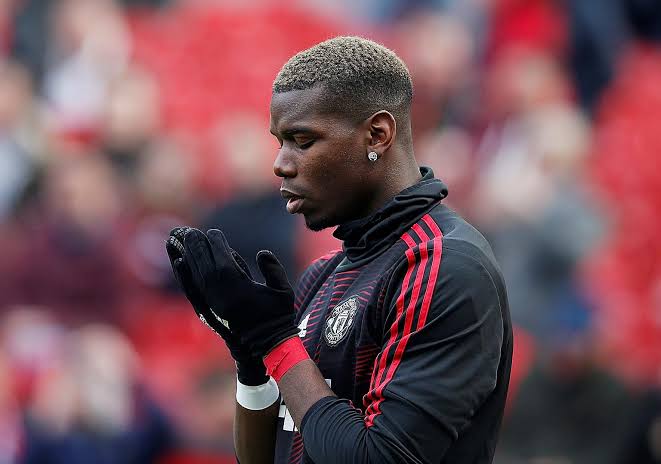
Paul Pogba’s return to Manchester United in 2016 remains one of the biggest talking points in modern Premier League history, not just because of the £105 million fee, but because of how it unfolded under different managers. United fans celebrated the return of a homegrown talent who had blossomed into one of Europe’s top midfielders at Juventus. But over the years under José Mourinho, then Ole Gunnar Solskjær, and beyond, Pogba was too often a player of brilliant highs and baffling lows. At times he dazzled with incisive runs, long passes and physical presence, but those performances were inconsistent and often lacked the context of a settled tactical role. Critics pointed to his tendency to disappear in big matches, while others highlighted how fluctuating team identity and managerial changes at Old Trafford made it hard for him to ever feel fully at ease. In standard narratives and rankings of Premier League flops, Pogba’s name regularly appears not because he was a bad player but because he never became the fulcrum United had envisioned when spending a world-record fee at the time.
Antony (Ajax, Manchester United, 2022 – £86m)
When Manchester United signed Antony from Ajax in the summer of 2022 for fees reported around £85–86 million, making him one of United’s most expensive acquisitions, expectations were that a new attacking spark had arrived to complement the squad under then-manager Erik ten Hag. Instead, over his time at Old Trafford, Antony struggled to consistently impact games. In 62 Premier League appearances for United, he produced just five goals in league action, a stark return for someone with such a price tag and technical profile.
A lot of the discussions around Antony’s struggles centre on fit and adaptation. The Premier League’s intensity and physical demands are relentlessly different from the Eredivisie, and he never quite made that transition smoothly. Under Ruben Amorim, who succeeded Ten Hag, Antony’s situation only became more complicated, especially given broader squad instability and managerial expectations. By January 2025 he was loaned to Real Betis, where he began to show glimpses of the form that had made United spend so heavily, including scoring and assisting regularly and helping them reach a European final.
Still, the stark contrast between the bill United paid and the on-pitch results at Old Trafford is why Antony is frequently cited among the expensive signings in the Premier League that failed to match their investment, a situation tied as much to how he was used and developed by his managers as to his own adaptation struggles.
The Managerial Minds Behind Strategic Errors
This is the part many people skip when they talk about transfer flops. Fans argue about the player like he just woke up one morning and decided to underperform, but the truth is that most expensive mistakes start higher up the chain.
A manager does not always sign the cheques, but he usually shapes the demand. He asks for a profile, pushes for certain names, approves a deal, then has to build a system that makes the investment make sense. And when the fit is wrong, it is not always because the player is useless. Sometimes it is because the manager’s football logic does not match the type of player he insisted on, or because he bought a piece without properly understanding the puzzle he already had.
José Mourinho

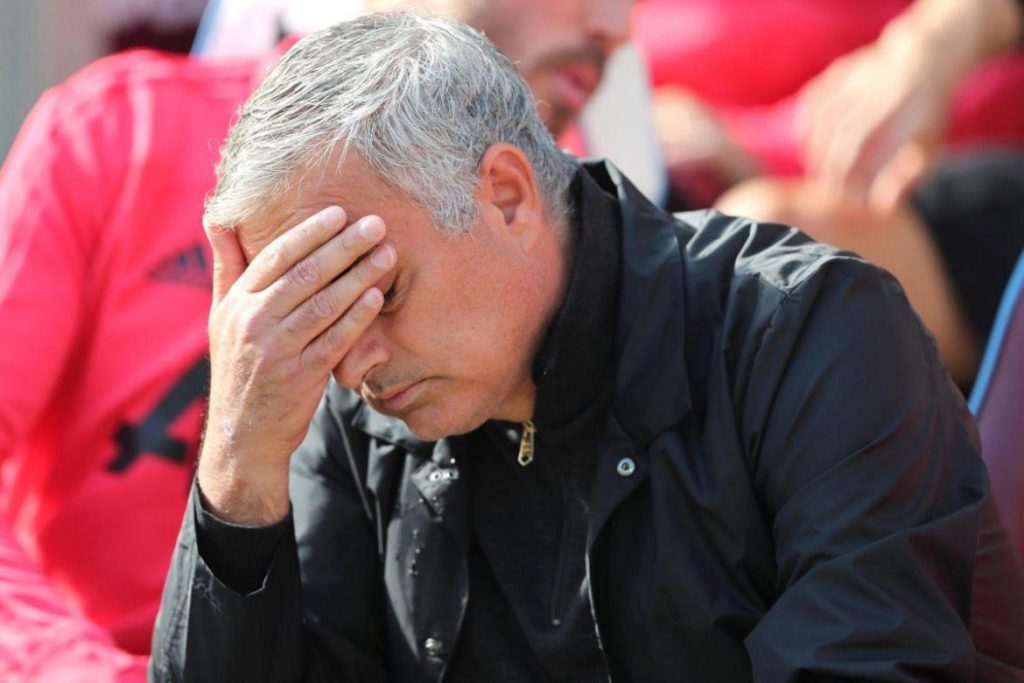
Mourinho’s reputation in the market is a bit complicated because he is not careless. He is usually specific. He tends to want players he trusts in pressure matches, players with personality, players who can deliver immediately. That is why his signings often lean toward proven names and high fees.
The problem is that Mourinho’s best football is built on structure first: defensive reliability, game management, controlling risk, then striking at the right moments. When that approach meets a high-fee attacker who needs freedom, rhythm, and constant attacking emphasis, you can end up with a player who looks less dangerous than he actually is.
Paul Pogba is the obvious example because the fee and expectation were enormous. Manchester United paid around €105m to bring him back, and Mourinho became the face of the project because he was the manager tasked with turning Pogba into the midfield engine of a title contender. Transfermarkt’s breakdown of Mourinho’s most expensive signings highlights the Pogba deal as the biggest, and it also points out the irony that United lost him to Juventus for free, paid massive money to bring him back, then later lost him again without a fee. What made the situation feel like a strategic error was not that Pogba never had good performances. He did. It was that the team never fully committed to building an identity that consistently brought out his best qualities. Pogba is a midfielder who shines when he can play forward with confidence and support, but Mourinho’s United often played with caution and instability around him. When the football becomes stop-start and the spotlight becomes constant, you get inconsistency, not dominance. That inconsistency then gets magnified because of the fee and the wages.
Lukaku fits the Mourinho conversation too, not because Mourinho signed him at Chelsea in 2021, but because Mourinho’s profile in general shows how the “big striker solution” can become a trap when the wider tactical ecosystem does not feed the striker properly. Transfermarkt’s list of Mourinho’s top expensive signings also references how Lukaku reunited with Mourinho at Manchester United after being sold during Mourinho’s Chelsea spell, which underlines Mourinho’s tendency to return to trusted profiles even when the context changes. The broader lesson with Mourinho is that his recruitment often aims for reliability and immediate effect, but when he is given a superstar attacker who needs a team built around him, the integration can become messy. Mourinho can make attackers deadly, but he usually does it when the attacking roles are clear, not when the squad is stitched together from expensive parts that do not naturally complement each other.
Carlo Ancelotti
Ancelotti is almost the opposite kind of manager to blame for transfer errors, because he is not typically obsessed with forcing a “manager’s signing.” He is a coach who tends to work with what he has, manage egos, and create balance. That is exactly why Fernando Torres at Chelsea remains such an interesting case. It is a reminder that even elite managers can be dragged into transfer logic that looks perfect in headlines and then collapses on the pitch.
Chelsea signed Torres from Liverpool for £50m in January 2011, and the pressure was immediate. Sky Sports coverage from that period captures the atmosphere clearly: Ancelotti being asked repeatedly about Torres not scoring after the big-money move, and Ancelotti trying to manage expectations publicly even while the scrutiny grew. The Guardian also wrote at the time about the weight Torres would have to carry mentally, with the £50m fee amplifying expectations far beyond normal striker pressure. Torres’ early Chelsea run became the kind of spiral you can feel even if you are just watching on TV: a striker snatching at chances, second-guessing decisions, playing like a man trying not to miss rather than a man expecting to score.
From a managerial angle, Ancelotti’s Chelsea were not Liverpool’s Liverpool. At Liverpool, Torres was the centre of the attack, and the team’s patterns suited his strengths. At Chelsea, the attack was built differently, Drogba still existed as a dominant reference point, and Torres was arriving into a title-chasing environment where patience was limited. Ancelotti did not “ruin” Torres, but his spell is a good example of how a manager can inherit a mega-signing and still end up presiding over the most disappointing part of the player’s career, simply because the timing, pressure, and tactical ecosystem do not match what the signing needed to recover his best form.
Erik ten Hag

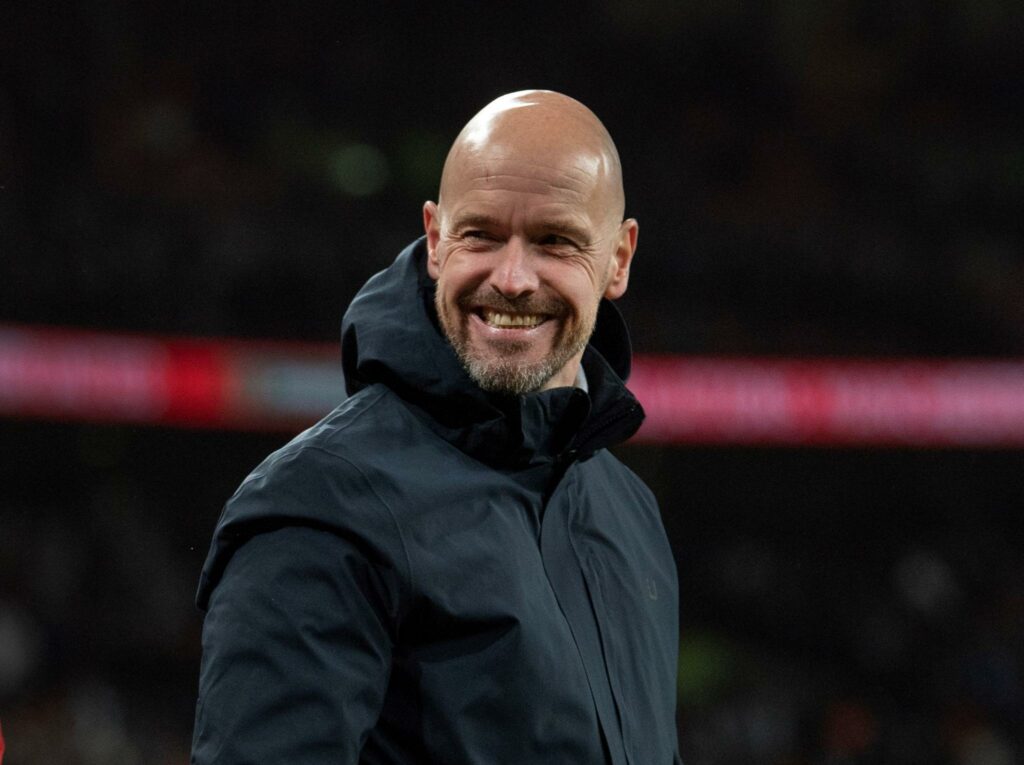
Ten Hag’s Manchester United era became a modern case study in how expensive recruitment can blur a club’s identity instead of sharpening it. The reason his name belongs in a “managerial fingerprints” section is not because he personally negotiated every deal, but because his rebuild was sold to the public as a clear tactical reset, and many of the biggest fees were tied to players who fit his ideas in theory. In practice, the spending and the output never matched cleanly enough to create a stable team identity.
A big part of the Ten Hag story is how much United spent and how concentrated that spending was in a few headline deals. TalkSPORT’s breakdown of United’s spending under Ten Hag points to Antony as the most expensive signing at around £85m, and places his recruitment in the context of Ten Hag’s wider transfer era at Old Trafford.
GOAL also ran a ranking of Ten Hag’s signings that frames Antony as a major flop relative to fee while mentioning other key buys like Mason Mount. When you combine that with the other expensive additions in the same period, you get why many people describe Ten Hag’s window spending as a £300m-plus rebuild that still left the team with an unclear attacking identity: Antony as the big-winger bet, Mount as the midfield link profile, and Højlund as the long-term striker investment. Even if you give Ten Hag credit for wanting a consistent style, the recruitment did not land in a way that produced consistent performances.
The Antony example is the cleanest because the fee was massive, the adaptation was uneven, and the club later had to make hard decisions. TalkSPORT reported that United took a significant loss on Antony as he left, with figures pointing to a large drop from the original purchase price and describing it as one of the clearest recent examples of a costly underperformer. That kind of depreciation does not happen when a player becomes essential. It happens when a club realises the player is not delivering what the project demanded, and the manager either cannot fix it or does not trust him enough to keep trying.
So with Ten Hag, the strategic error conversation is not “he bought bad players.” It is that the recruitment and deployment did not produce a coherent team, and expensive signings ended up looking like separate ideas rather than parts of one plan. When that happens, the manager gets tied to the flops because he was the public face of the vision, and the pitch never fully reflected it.
Flops That Changed Club Fortunes — Financial and Tactical Aftermath
There are transfer flops that annoy fans for a season, and then there are the ones that quietly reshape a club’s future. Those are the dangerous ones. Not because one player was bad, but because the money tied up in that mistake blocks other plans, forces ugly decisions, and drags the club into a cycle of “fixing the fix” every single window.
The big clubs can survive one expensive disappointment. What they struggle to survive is a pattern of them, especially when those flops come with high wages, long contracts, and no clear resale value. That is where you start seeing the real aftermath: panicked squad planning, tactical identity falling apart, managers getting shorter and shorter leashes, and clubs behaving like they are constantly chasing yesterday’s problem instead of building tomorrow’s team.
Barcelona — When the Money Ran Out and the Club Started Selling the Future
Barcelona is the clearest case of “transfer flops changing a club’s direction” because the consequences went beyond the pitch and entered the club’s entire financial reality. The Coutinho and Griezmann era was not just disappointing football. It was money leaving the building and never coming back in a meaningful way.
Take Coutinho as the clean example. Barcelona confirmed in 2022 that they transferred him to Aston Villa for €20 million, with a 50% sell-on clause. That is a hard number you can hold. When you set it beside the fee Barcelona originally paid Liverpool a few years earlier, you see what “financial damage” looks like in real terms: a record-level investment turning into a cut-price exit.
And Coutinho was not the only one. This is what made it a spiral rather than a single bad deal. Expensive signings, heavy wages, and then resale values that collapsed. Once that pattern sets in, the club starts behaving differently. It stops thinking like a sporting project and starts thinking like a survival project: reducing wage commitments, pushing players out on loans, accepting discounted fees, and doing whatever it takes to keep the books from exploding.
That is also where Barcelona’s “levers” period fits in. Analysts who track club finances closely have pointed out that Barcelona’s reported profits in certain years were heavily influenced by one-off transactions and asset sales, and that without those mechanisms, the underlying losses would have looked far worse. The point is not to drown the reader in accounting. The point is simple: big-money transfer mistakes squeezed Barcelona into a position where they relied on selling assets and players to keep moving, rather than spending from a place of strength.
Tactically, the aftermath was just as damaging. When you spend huge money on players who do not become centrepieces, the squad becomes unbalanced. You end up with too many players who need the ball in the same zones, too few specialists, and a constant identity crisis: are you a possession team, a transition team, a pressing team, a Messi-dependency team, a post-Messi rebuild? Barcelona spent years trying to answer that question while also trying to undo the financial weight of those deals. The flops did not just fail to help the team win. They helped destabilise the entire direction.
Chelsea — Overhaul as a Lifestyle, Short Cycles, and Expensive Exits
Chelsea’s aftermath looks different because Chelsea have not had the same kind of “money ran out” moment Barcelona had. Chelsea’s issue has been the speed of change, and how expensive it is when a club keeps rewriting its own plan every season.
Under Boehly’s ownership, spending levels became a story in themselves. Transfermarkt estimated Chelsea’s spend under Boehly and Clearlake at over €1.3 billion across the early ownership period, with a huge number of incoming players. ESPN’s reporting has also captured the sense that Chelsea’s strategy kept shifting window to window, with squad-building that often felt like it was changing shape mid-project.
Now, here is where flops change a club’s fortune: when you sign a lot of expensive players on long deals and too many of them do not become foundational, you do not just have a “bad signing.” You have a squad management problem that lasts years.
You see it in the exits. Lukaku is the simplest illustration of the modern Chelsea pattern: big fee, massive expectation, relationship breaks down, then multiple loans, then a permanent move for a far lower figure than what Chelsea paid. Reuters described how his second Chelsea spell effectively ended in 2022 and became a loan cycle before Chelsea finally sold him permanently in 2024, with reported fees a fraction of the original outlay.
Kepa is another example of “aftershock football.” Chelsea paid a world-record keeper fee in 2018, then lived with years of uncertainty around the position, and later moved him on at a completely different valuation. Reuters reported Arsenal signing Kepa in 2025 after his Chelsea contract situation evolved, which shows how dramatic the drop became over time.
The tactical aftermath at Chelsea is what fans feel most. When recruitment becomes heavy but inconsistent, managers inherit squads that are not built for one clear style. One coach wants control, another wants transitions, another wants pressing, another wants a back three, another wants a back four.
The squad becomes a wardrobe full of clothes from different people’s tastes. You can still dress, but you never look fully put together. That is why Chelsea ended up with short managerial cycles: not always because the managers were useless, but because the squad itself kept being reshaped faster than any coach could build stable patterns.
Manchester United — Spending Like a Giant, Performing Like a Club Still Searching for Itself
Manchester United’s aftermath is probably the most culturally damaging because it has happened in slow motion for more than a decade. Since Sir Alex Ferguson retired in 2013, United have had managers with different philosophies, different signings, different rebuilds, and the same repeating storyline: huge spending, then a reset, then more spending.
The Financial Times reported in early January 2026 that United have spent over £2 billion on players since Ferguson’s retirement and have still struggled to return to the top of English football. That is the headline summary of the aftermath. The club kept investing, but the investment did not build one coherent team over time. It built several half-teams across different eras.
And the real aftermath is not just “no league title.” It is what the constant misfires do to planning. When one expensive winger does not work, you buy another. When one midfielder does not fit, you buy a different type. When one striker is a long-term project, you still feel forced to buy short-term solutions because pressure is immediate at Old Trafford. Then the next manager arrives and wants a different profile again. The club becomes addicted to patchwork.
Even recent spending discussions show how heavy the financial outlay has been relative to performance. Transfermarkt analysis has repeatedly placed United among the biggest net spenders across long periods, and pointed out how many high-profile signings have come and gone without creating a title-winning structure.
Tactically, this is what the flops did: they prevented continuity. United kept buying “answers” instead of building a system that makes players better. And because some of those answers were expensive and underwhelming, the club often felt trapped, needing to play someone because of the fee, needing to justify a purchase, needing to protect resale value, needing to avoid looking like a failure. That kind of pressure leaks into selection, into coaching, into confidence, and it becomes one long cycle.
So the aftermath at United is not only financial. It is psychological too. When a club spends like a superpower but lives year after year without the league title, it changes what success even feels like. You start celebrating “top four” like trophies. You start accepting instability as normal. That is how transfer flops change a club’s fortune: not in one day, but in the slow rewriting of standards.
Why Managers Should Be Held Accountable
It is easy to blame the player. It is also the most convenient thing in football. The signing fails, the clips get shared, the memes fly around, and the player becomes the entire story. But when you step back and look at how big transfers actually happen, it becomes obvious why managers cannot be left out of the conversation. Not because managers sign contracts with their own money, but because managers shape the football reality that determines whether an expensive player succeeds or collapses.
A costly transfer is not only a purchase. It is a promise. A club is basically saying, “We are building around this idea.” When that idea fails, somebody has to answer for the logic behind it. And that is where managers and sporting directors sit, because they are the ones meant to connect recruitment to tactics, and tactics to results.
The first reason managers should be held accountable is simple: they influence who arrives, directly or indirectly. Sometimes a manager explicitly demands a player. Sometimes he approves a shortlist. Sometimes he gives the green light because he believes he can fix the fit. Even when a club has a sporting director, managers still have power, especially at the top level. If a coach cannot clearly explain what a player is meant to do for the team, then the signing is already a risk, no matter how talented the player is.
Fit is the biggest thing people underestimate. Fans often speak like a good player is a good player anywhere. That is not how football works. A striker who thrives off early balls and space can look average in a team that faces deep blocks every weekend. A winger who needs overlapping support can look predictable in a side where the full-back never advances. A midfielder who needs structure behind him can look careless in a chaotic team. When a manager signs a player whose best traits do not match the team’s style, it becomes a self-created problem. And the bigger the fee, the bigger the damage when that mismatch becomes obvious.
The second reason is tactical clarity. This is where managers own the outcome more than anyone else. A lot of expensive “flops” did not fail because they were incapable of playing. They failed because they were used in roles that diluted their best qualities. You see it when a coach keeps moving a player around to “solve” the team’s issues. One week he is on the wing, the next week he is in midfield, the next week he is on the bench, then he is thrown back into the lineup because of pressure. That kind of instability kills rhythm. Footballers, even elite ones, play best when their role is clear and the automatisms around them are consistent. If a manager cannot provide that clarity, then even a £100m signing becomes a confused, expensive passenger.
Then there is the part clubs rarely say loudly: development and coaching. Managers do not only pick teams. They shape players. Some coaches can take an imperfect signing and make him work because they build a structure that protects his weaknesses while amplifying his strengths. Other coaches demand the player become something he is not. That is where you get expensive frustration. It is not always about talent. It is about whether the coach is building a system that helps the player succeed, or whether the player is being forced to fit a rigid idea that does not suit him.
Accountability also matters because big signings create ripple effects across a squad. One expensive player does not only affect his own performance. He changes who plays, who sits, and how the wage structure looks. He can block younger players from minutes. He can force tactical compromises because the club feels pressure to justify the fee by playing him. He can create dressing-room tension if he is paid like a star but performs like an ordinary squad player. Managers might not design wage structures, but they manage the consequences. And if those consequences are ignored or mishandled, the signing does not just flop; it destabilises the team.
Long-term vision is the final piece, and this is where a lot of modern clubs have failed. The smartest recruitment is not “who is the biggest name.” It is “who fits what we are building for the next three seasons.” That requires alignment between the manager’s football identity and the club’s recruitment plan. When that alignment is missing, transfers become random. One manager wants a possession-based winger. The next manager wants a counterattacking runner. The sporting director signs a hybrid. Then the coach gets sacked and the player becomes a leftover piece. That cycle is why big clubs end up with bloated squads full of expensive contracts and players who look like they were signed for different teams.
That is why accountability has to be shared. Coaches and sporting directors cannot hide behind “the board signed him.” If a manager wanted the player, he owns the fit. If he did not want him but agreed to the move, he owns the deployment. If he inherited him, he still owns the coaching choices that either bring the player back to life or bury him deeper. And if the club signed the player against the manager’s philosophy, the sporting director owns the strategic error.
Because at this level, the transfer market is not just shopping. It is team-building. And team-building is a football decision before it is a financial one.
So when expensive signings flop, the right question is not only “why did the player fail?” The deeper question is “why did the plan fail?” And the people responsible for plans in football will always include the manager, not as the only culprit, but as a key part of the chain that determines whether big money becomes big success or long-term regret.
When Big Money Meets Small Returns
When you step back from individual names and price tags, one truth becomes hard to ignore: most transfer flops are not accidents. They are patterns repeating themselves under different club badges, different managers, and different ownership structures. Big money fails not because footballers suddenly forget how to play, but because clubs keep treating recruitment like shopping instead of planning.
Every expensive flop in this story points to the same cracks: unclear identity, short-term thinking, and poor alignment between who is signed and how the team actually plays. A manager wants one type of player, the club signs another. A sporting director chases market value instead of tactical value. A new coach arrives and inherits players built for a system he does not believe in. Then the cycle restarts, with another big fee, another promise, and eventually, another disappointment.
The financial damage is obvious. Lost resale value, heavy wages, and restricted future spending. But the tactical damage is often worse. Teams spend seasons trying to accommodate players they never truly needed, while young talents stall and squad balance collapses. By the time the club accepts the mistake, momentum is already gone.
What these flops really expose is not poor luck, but poor coherence. Successful recruitment is not about buying stars. It is about building logic. It is about knowing what kind of football you want to play, what type of players make that football work, and how long you are willing to commit to that idea. Without that clarity, even the most expensive signing in the world can become just another cautionary tale.
Football will never stop spending big. That is not the problem. The problem is spending big without thinking deeply. And until clubs start matching money with identity, strategy, and patience, the list of expensive flops will never stop growing, only the numbers next to their names will keep getting bigger.