For years, Blessing Okoro has operated at the center of Nigeria’s most viral conversations, and it has been rarely by accident. From bold claims to headline-grabbing controversies, her public persona thrives on a cycle that is now familiar: say something shocking, trigger outrage, dominate the discourse, then pivot.
Her latest controversy, one that touches on sensitive health claims and public sympathy has once again pulled her into the spotlight. But it also raises a bigger question: is this a string of isolated missteps, or a pattern that has defined her rise all along?
Who Is Blessing CEO?

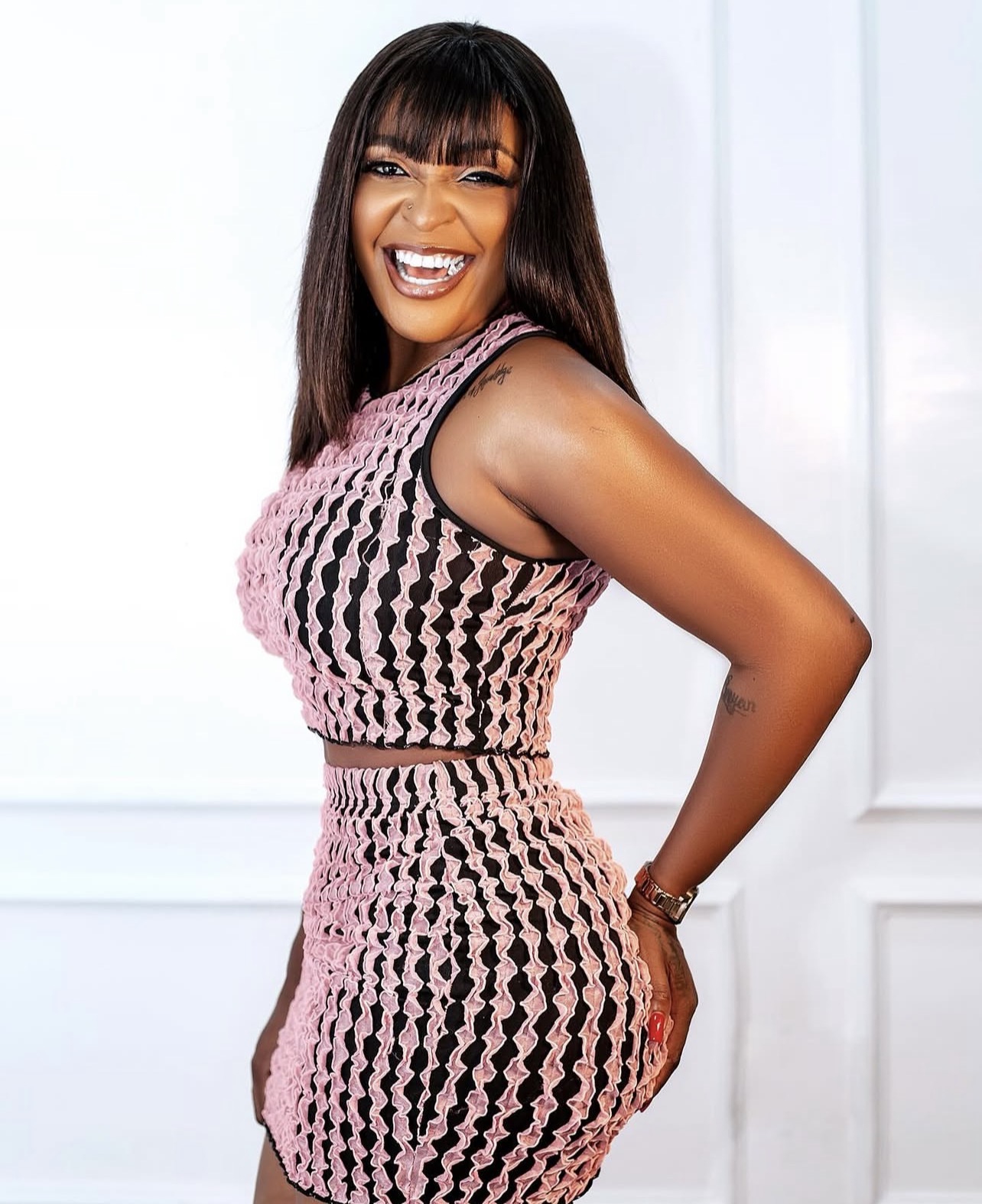
Blessing Okoro, popularly known as Blessing CEO, is a Nigerian relationship blogger and social media personality who built her brand on blunt, often polarising takes about love, marriage, and personal growth. Through her platform Break or Make Up, she cultivated a following drawn as much to her confidence as to the controversy that frequently trails her opinions.
Born in Ebonyi State and educated in Lagos and Enugu, she studied Economics at Enugu State University of Science and Technology. She has also claimed formal training in relationship coaching, positioning herself as an authority in a space where personal experience often blends with public performance.
Her early marriage, which she got into in at 18 and later dissolved at 21 has been central to her personal narrative, often cited as the turning point that shaped her voice and perspective. Over time, that story has evolved into a full-fledged online persona: part adviser, part provocateur, and, increasingly, a figure defined as much by her controversies as by her counsel.
Viral Health Claims and Public Backlash (2026)

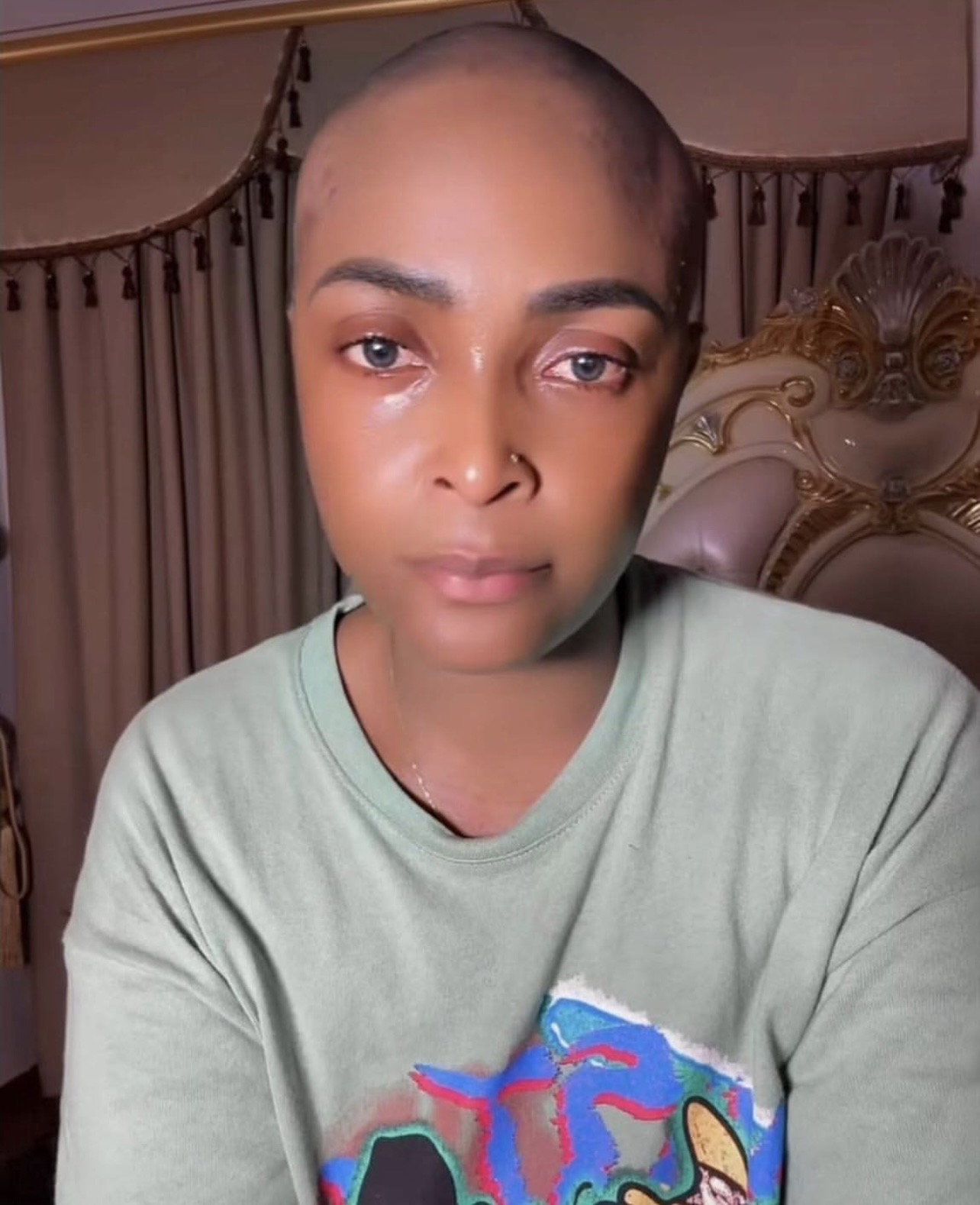
In 2026, Blessing Okoro found herself at the center of her most explosive controversy yet. It touched on illness, public sympathy, and money.
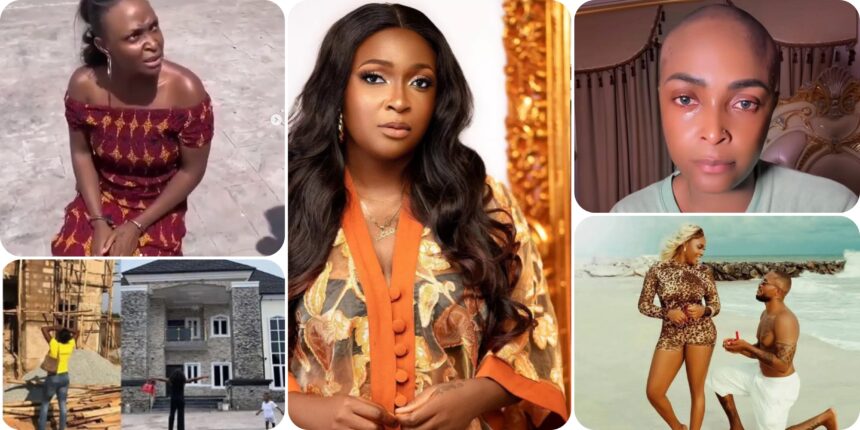
On March 25, she posted an emotional video claiming she had been diagnosed with stage 4 breast cancer. Speaking through tears, she described discovering a lump, the fear of treatment, and the financial burden ahead. She referenced chemotherapy and surgery, even suggesting she might have to sell her Lagos home. As the video circulated, sympathy poured in and so did donations from supporters moved by her story.
But within days, the narrative began to fracture. Questions emerged about the authenticity of the medical report she reportedly shared with friends, who then shared online. A cancer survivor, Deborah Mbara, publicly alleged that the document had originally belonged to her and had been altered before being reposted. Medical bodies, including the Nigerian Medical Association and the diagnostic center linked to the report, also weighed in, stating that the document did not match Blessing’s identity and predated her claims.
The backlash was swift. Donors began demanding accountability, including businessman Alafaa Kariboye-Igbo aka Oil Money, who publicly stated that he had transferred ₦20 million for treatment and requested a refund. At the same time, Mbara’s family issued legal threats, alleging forgery and identity misuse.
As scrutiny intensified, Blessing’s position shifted. In a follow-up interview, she acknowledged raising funds but framed the situation as a misunderstanding, saying she had a breast lump she initially believed to be cancer. She stopped short of a direct apology. Shortly after, she deactivated her social media accounts, stepping away as criticism continued to mount.
The controversy quickly moved beyond social media. On April 7, advocacy groups, including the Nigerian Cancer Society, called for an investigation, warning that incidents like this could erode public trust and harm genuine patients who rely on collective support.
Shortly after, reports indicated attempts at private reconciliation with the affected family, even as legal threats and public outrage lingered.
Cyberbullying and Libel Case (2023)

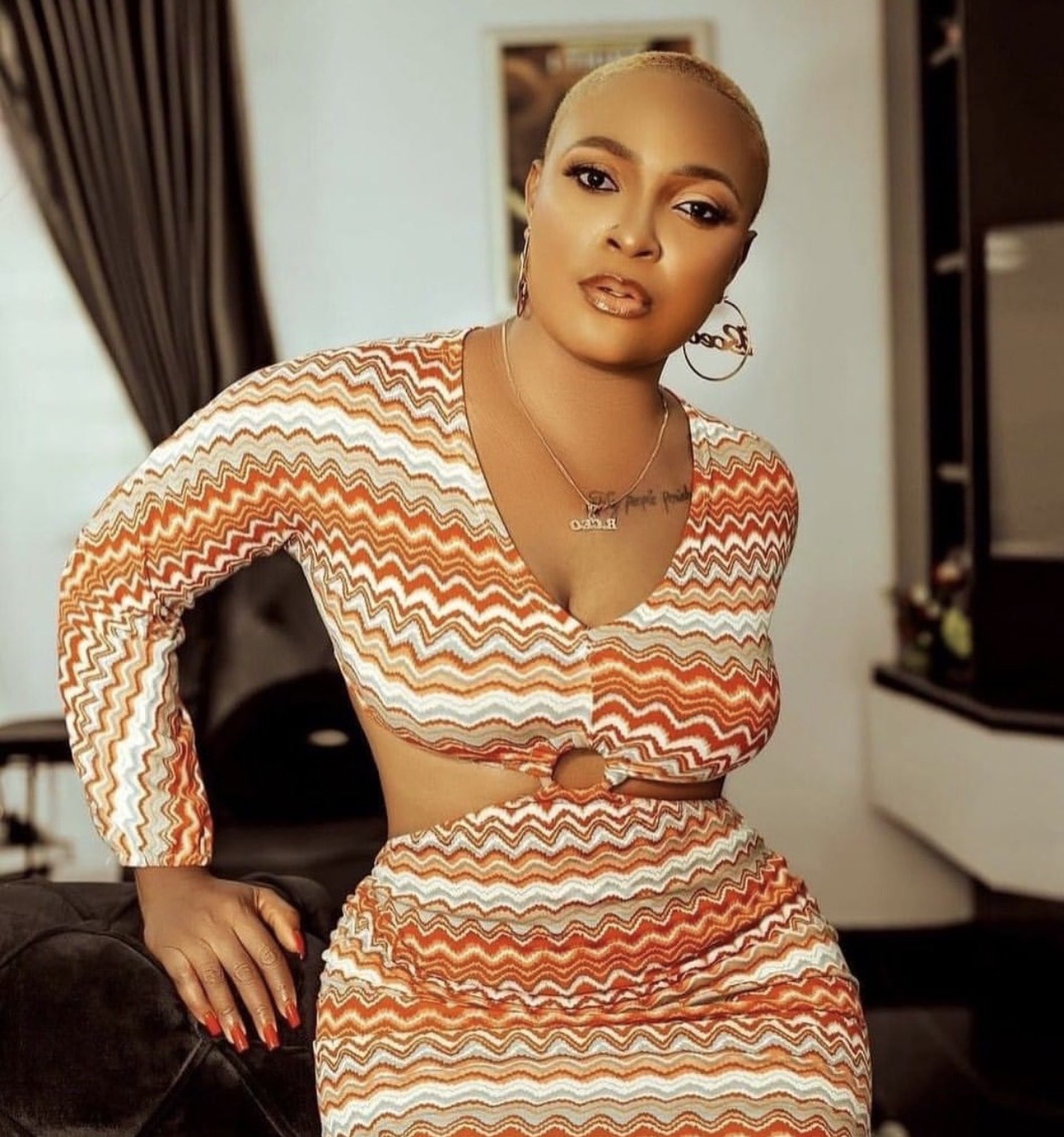
Flashback to 2023, Blessing Okoro’s long-running pattern of online controversy took a more serious turn into the courtroom.
On March 30, she was arrested by operatives of the Force Criminal Investigation Department and, a day later, arraigned before the Federal High Court in Lagos. She faced a six-count charge bordering on alleged cyberbullying, libel, and the publication of uncensored content, linked to posts made on her Instagram page. The charges were tied to statements concerning businesswoman Folashade Samuels and the late Bimbo Ogbonna, which prosecutors argued were defamatory.
She pleaded not guilty to all counts. Following her arraignment, she was remanded in custody at the Nigerian Correctional Services, where she spent several weeks awaiting bail. On April 20, 2023, the court granted her bail in the sum of ₦10 million with two sureties, leading to her release after roughly three weeks in detention.
While the case stretched on for months, it marked a turning point: the consequences of online speech had moved beyond public backlash to legal scrutiny.
In December 2025, she announced that she had been discharged and acquitted, framing the outcome as vindication after a prolonged legal battle.
IVD Chapter: Love, Backlash, and a Blurred Line (2022–2025)

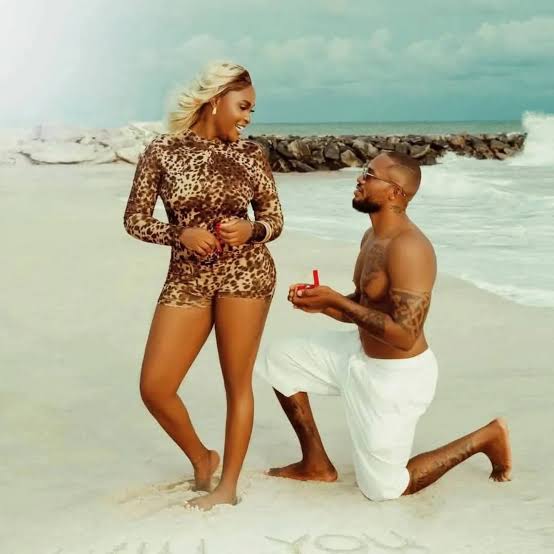
Few episodes in Blessing Okoro’s public life have generated as much sustained scrutiny as her relationship with Ikechukwu Ogbonna aka IVD Autos. Their story began under deeply sensitive circumstances and quickly evolved into one of the most polarising narratives on social media.
In October 2022, the death of Bimbo Ogbonna following a domestic incident triggered widespread public mourning and debate. Amid the fallout, Blessing stepped in, presenting herself as a therapist to IVD and offering a version of events that challenged prevailing public sentiment. Her comments, particularly claims about the dynamics of the marriage drew immediate backlash and positioned her at the center of an already volatile situation.
As months passed, speculation about a personal relationship between the two began to grow. Through late 2022 and into 2023, her posts which often featured a then-unidentified partner fuelled rumours, even as she continued to make controversial statements about the late Bimbo. The tension between advocacy and personal involvement became harder to ignore, especially as legal issues tied to her online comments began to surface.
Fast forward to 2025, the relationship was no longer speculative. Public displays which included matching tattoos and a widely shared proposal confirmed their engagement and reframed the narrative from rumour to reality. But the visibility only intensified scrutiny. In August 2025, IVD’s arrest over an alleged violation of a court-imposed travel restriction linked to an ongoing legal case added another layer of complexity to an already controversial union.
Even attempts to control the narrative often fed it further.
In October 2025, Blessing briefly announced a breakup, only to later admit it was a deliberate move to regain online attention, reinforcing perceptions that controversy and visibility were closely intertwined in her public strategy.
By the end of the year, the relationship appeared to move toward formalisation, with reports of family introductions and marriage plans. Yet public opinion remained sharply divided: while some viewed the relationship as a personal choice between two adults, others saw it as inseparable from the circumstances under which it began.
Where It All Began: The Onye Eze Mansion Scandal (2019)

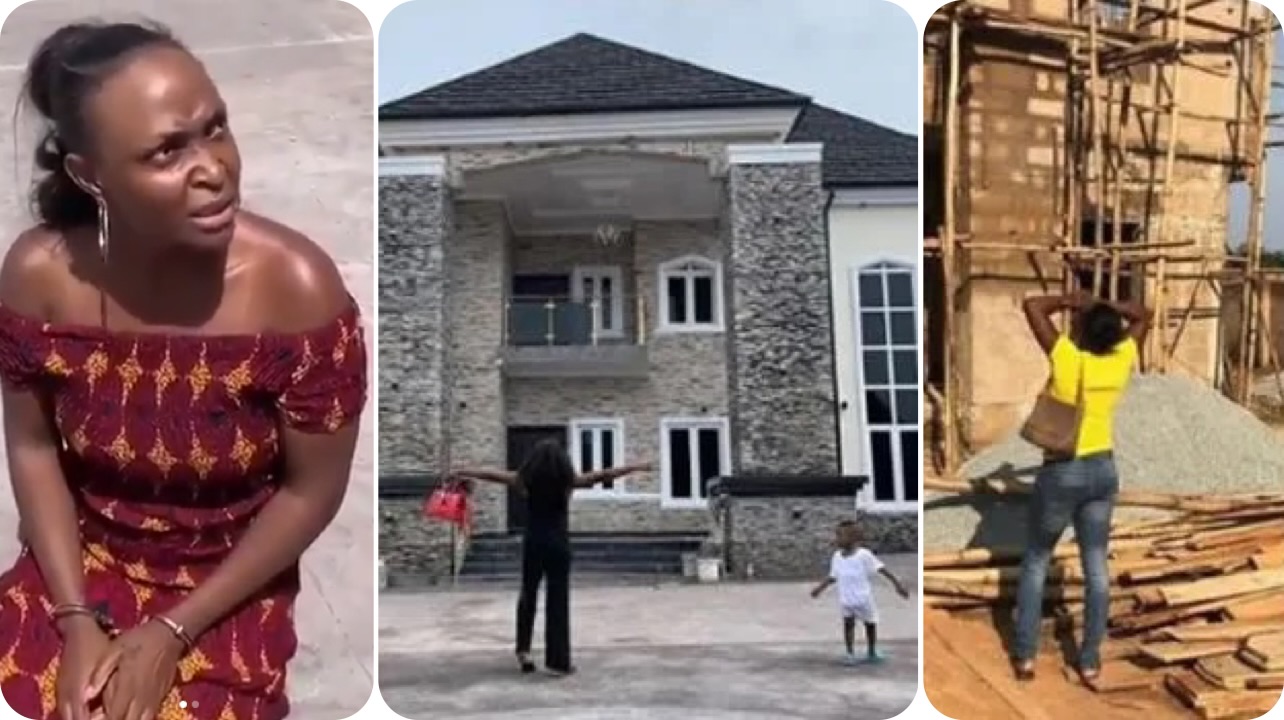
Long before the court cases and viral claims, Blessing Okoro first entered the national spotlight through a controversy that would come to define her early public image.
In May 2019, as she marked her 30th birthday, she shared photos and videos of a luxury mansion in Enugu, presenting it as her own and pairing it with an aspirational message about hard work and success. The post quickly gained traction, drawing admiration from followers who saw it as proof of her rise.
But the narrative unraveled just as quickly. Kingsley Chiedozie Eze, widely known as Onye Eze, publicly disputed her claim, identifying himself as the owner of the property and accusing her of entering the premises without permission to take photos. Shortly after, a video surfaced showing Blessing in handcuffs at the location, where she acknowledged that the house did not belong to her.
The fallout was immediate and far-reaching. On June 3, 2019, she issued a public apology, admitting she had misrepresented the situation and attributing it to personal pressure and unmet expectations. Yet even in the face of backlash, she did not fully retreat. Instead, she leaned into the moment at one point appearing in a T-shirt emblazoned with the phrase “Na lie I lie, I no kill person,” a defiant response that kept the controversy alive.
In the years that followed, the incident remained a reference point in conversations about her credibility. By 2022, she revisited the episode in an interview with Chude Jideonwo offering a revised perspective on what happened. And by 2026, as new controversies emerged, netizens increasingly pointed back to the mansion saga as the moment that first revealed a pattern.
Conclusion
Across each episode, from the mansion saga to more recent viral health claims, Blessing Okoro’s public story reveals a pattern that goes beyond isolated controversy. Each moment follows a familiar arc: a bold claim, intense scrutiny, widespread backlash, and a recalibration that keeps her firmly in the public eye.
Whether viewed as missteps, strategy, or a mix of both, the result is the same… continued relevance. In an attention-driven media landscape, controversy has not diminished her visibility; it has, in many ways, sustained it.
And who knows, it might be same this time around again despite the sensitivity of the current situation.