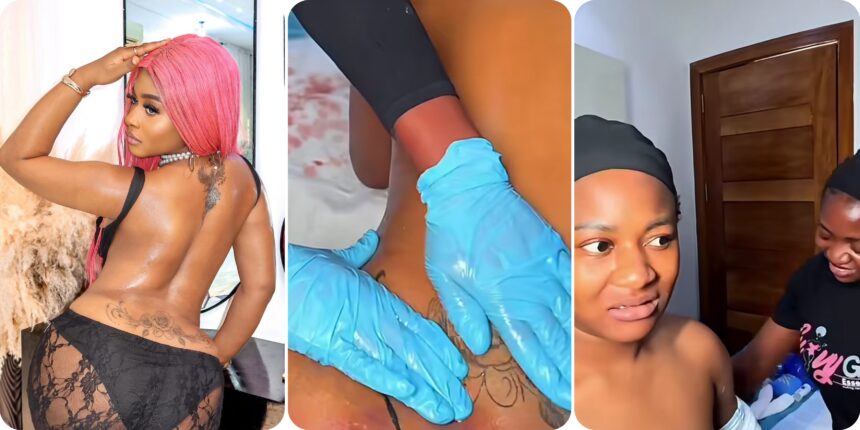
In recent years, cosmetic surgery has become more visible in Nigeria, moving from private decisions to public conversations. That shift has continued with Ijeoma Otabor, popularly known as Phyna, who recently disclosed that she underwent 360 liposuction and a Brazilian Butt Lift (BBL).
Her revelation has drawn attention online and renewed debate around body enhancement, safety, and changing beauty standards. While procedures like BBL are often presented on social media as routine, medical experts say they come with real risks and strict recovery demands.
Here are 10 key facts to understand the procedure beyond the headlines.
1. What a BBL Actually Is


A Brazilian Butt Lift (BBL) is a cosmetic procedure that uses a person’s own body fat to increase the size and shape of the buttocks.
Doctors remove fat from areas such as the abdomen, thighs, or back through liposuction. The fat is then processed and injected into the buttocks. The procedure is also known as fat grafting.
Despite the name, a BBL is not a traditional “lift”. It does not remove loose skin. It focuses on adding volume and reshaping the area.
2. What “360 Liposuction” Means
“360 liposuction” refers to fat removal around the entire midsection.
Instead of targeting only the front of the abdomen, it includes the stomach, sides (flanks), and lower back. The goal is to create a more balanced, full-body contour.
It is not a separate type of surgery. It is standard liposuction done more extensively.
3. It’s a Two-in-One Procedure
A BBL combines two procedures in one operation.
First, fat is removed through liposuction. Then, that fat is cleaned and reinjected into the buttocks.
This means patients undergo body reduction and enhancement at the same time, as fat is taken from one area and added to another.
4. BBL Has One of the Highest Risk Rates in Cosmetic Surgery
Medical bodies, including the American Society of Plastic Surgeons, have identified BBL as a high-risk procedure.
Earlier studies estimated a mortality rate of about 1 in 3,000, higher than most other cosmetic surgeries.
Although safety has improved with better techniques, experts still classify BBL as a procedure that requires strict safety standards and experienced surgeons.
5. Fat Embolism Is the Biggest Danger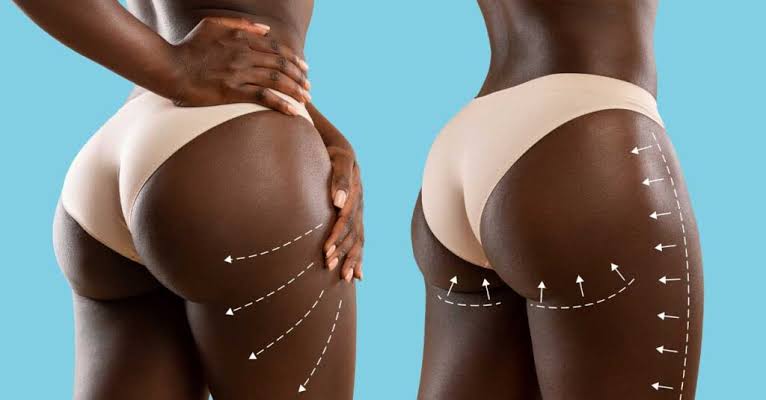

The most serious risk is a fat embolism. This happens when fat enters the bloodstream during injection. It can travel to the lungs or heart and block blood flow.
Medical reports show that most deaths linked to BBL are caused by fat embolism, especially when fat is injected too deep into the muscle.
6. Not All Transferred Fat Survives
Not all the fat injected during a BBL will remain. Studies show that about 20% to 50% of the fat may be absorbed by the body after surgery.
Fat cells must develop a new blood supply to survive. Those that do not are naturally removed by the body within the first few months.
7. Recovery Is Strict and Limits Sitting
Recovery after BBL requires major lifestyle adjustments.
Patients are usually told not to sit directly on their buttocks for at least 2 to 3 weeks, and sometimes up to 6 weeks or more.
Sitting too early can damage the newly transferred fat. Many patients use special cushions and are advised to sleep on their stomach or side.
8. Results Depend on Surgeon Skill and Technique
The outcome of a BBL depends heavily on the surgeon’s experience and method.
Experts recommend that fat should be injected only above the muscle, which is considered safer.
Some regions now require the use of ultrasound guidance during surgery to help avoid major blood vessels.
Poor technique increases the risk of complications and uneven results.
9. Social Media and Celebrity Influence Drive Demand
The popularity of BBL is strongly linked to social media and celebrity culture.
Globally, influencers have promoted body types with smaller waists and fuller hips, increasing demand for the procedure.
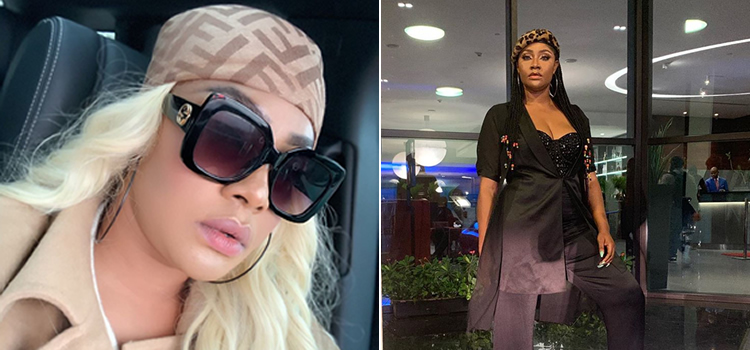
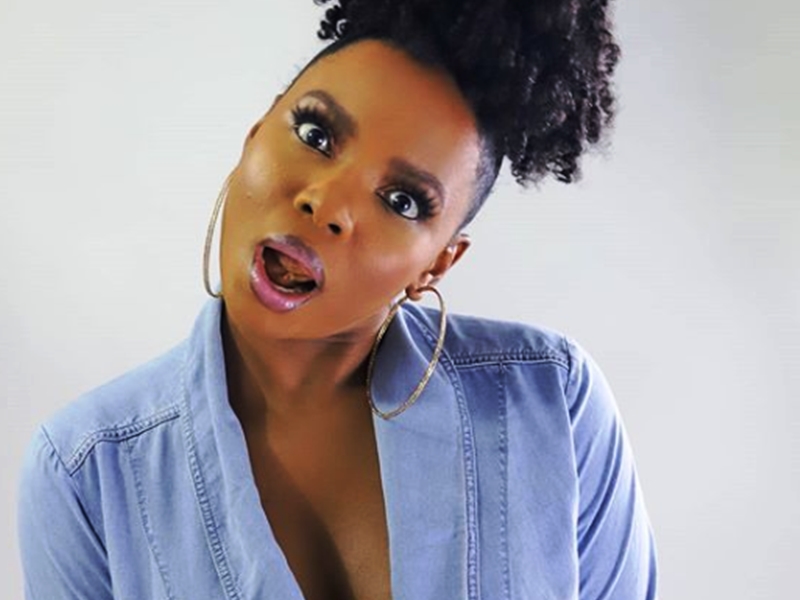
In Nigeria, several public figures have contributed to the conversation. Names often mentioned during conversations involving BBL or liposuction are Uche Ogbodo, Toke Makinwa, Bamike “Bambam” Olawunmi, Bolaji Ogunmola, BBNaija’s Khloe, Nengi Hampson and Mercy Eke amongst others.
Some have openly discussed cosmetic procedures, while others are frequently referenced in discussions about changing beauty standards.
At the same time, reports of complications and deaths have also raised public concern about safety.
10. Regulation and Medical Tourism Affect Safety
Safety standards for cosmetic surgery vary across countries.
In Nigeria, there are laws guiding medical practice, and patients can seek legal action in cases of negligence. However, reports say enforcement can be inconsistent, especially in the growing cosmetic surgery space.
Authorities in Lagos have stated that guidelines exist for aesthetic procedures, including rules for facilities and practitioner qualifications.
Cost is another factor. BBL is often cheaper in Nigeria than in countries like the U.S. or U.K., leading to both foreign patients coming in and Nigerians travelling abroad for surgery
Experts warn that differences in training, regulation, and facility standards can affect outcomes.
Conclusion
Phyna’s disclosure has added to an ongoing conversation about cosmetic surgery in Nigeria that sits at the intersection of beauty, health, and social influence.
While procedures like BBL continue to grow in popularity, medical experts stress the importance of accurate information, qualified professionals, and realistic expectations.
Beyond the images seen online, BBL remains a serious medical procedure with real risks and strict recovery demands.