- Students embarked on a nationwide boycott of lectures (ALI MUST GO PROTEST)
-
Former Nigeria governor James Ibori jailed for 13 years
According to Elizabeth Cady Stanton, the history of the past is but one long struggle upward to equality.
We must be courageous in telling our stories and thoughtful in applying the lessons we’ve learned from previous failures. Every civilisation has a responsibility to meticulously document historical occurrences and to take into account past circumstances when making decisions today.
WITHIN NIGERIA highlights one major and notable event that shaped every April 17 in the history of this country, Nigeria. This particular event exposed the consciousness of Nigerian students and affirmed that there is no struggle young ones can not embark on if there’s unity of purpose.
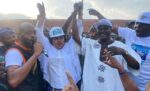
Students embarked on a nationwide boycott of lectures (ALI MUST GO PROTEST)
On this day, April 17 in 1978, all students in tertiary institutions whose local unions were affiliated with NUNS embarked on a nationwide boycott of lectures to pressure the Federal Military Government into reverting the increase in tuition fees.
According to report, the lecture boycotts were to be indefinite but it only worked on the first day because students resorted to public demonstrations after realizing that the government was unwilling to revert the increment.
Okeowo was able to mobilize students across the nation as well as bring the attention of the nation to their plight. The medium-term to long-term aims of the protests were what there should be democratization, genuine independence and enhancement of the quality of life of the masses, among other popular democratic demands.
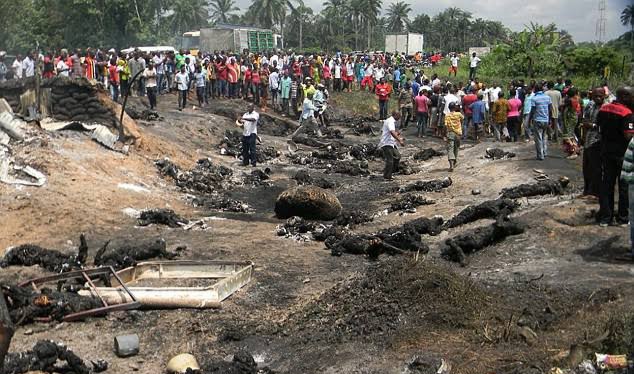
The second day of the protests saw a face-off between the students and the Nigerian Police at the University of Lagos. Akintunde Ojo; an architecture student at the University of Lagos was shot in the leg and he bled to death because he was denied care at LUTH and Orthopedic Hospital, Igbobi.
Based on the turn of events, Okeowo sent word to his colleagues at the University of Ibadan, Ahmadu Bello University, Zaria and other federal universities. The protests escalated and the students were in open confrontation with both the Nigerian Army and Police. About 8 students were killed in Zaria by soldiers.
The students refused to cower despite the deployment of soldiers. The protests spiraled beyond university campuses leading to fear and apprehension among the populace.
Cause of the ALI MUST GO PROTEST
During the Olusegun Obasanjo-led military regime, Dr. Jibril Aminu, the secretary of the Nigerian University Commission, announced that due to the high cost of living in the country, students would begin to pay extra fees.
According to the Nigerian University Commission, tuition fee was to remain free for all undergraduates, sub-degree diploma as well as students of teacher education.
Hostel accommodation, however, would be increased to ₦90 per student per session of 36 weeks or ₦30 per student in a session of three terms. The increment also meant that the cost of meal tickets rose from ₦1.50 to ₦2.00 i.e. increased by 50 kobo.
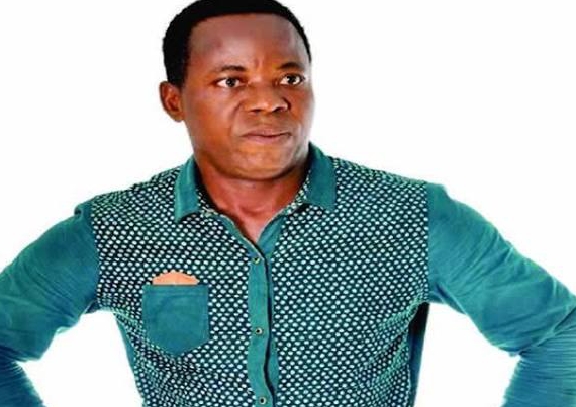
The president of the National Union of Nigerian Students (NUNS) at the time, Segun Okeowo, who was a student at the University of Lagos, made attempts to rectify the changes as it was unsatisfactory for the students.
The students held meetings in Ilorin, Maiduguri, and Calabar before deciding to take the bold step of challenging the military government on the increment.
Apart from the fees, another agitation of the students was that tertiary education was suffering because there were very few federal government-owned universities and no private or state-owned universities.
Tertiary education was therefore seen as a privilege and that the federal government could not cope with the number of people seeking admission. This agitation as well as the increase in fees led to the protests.
The then minister of education, Ahmadu Ali, was believed to be at the center of the uprising but he tried to shift responsibility to the Supreme Military Council citing that the increment was made by the Supreme Military Council and not the Ministry of Education. The protest chant ‘Ali Must Go’ was coined as a result. (Credits: Wikipedia).
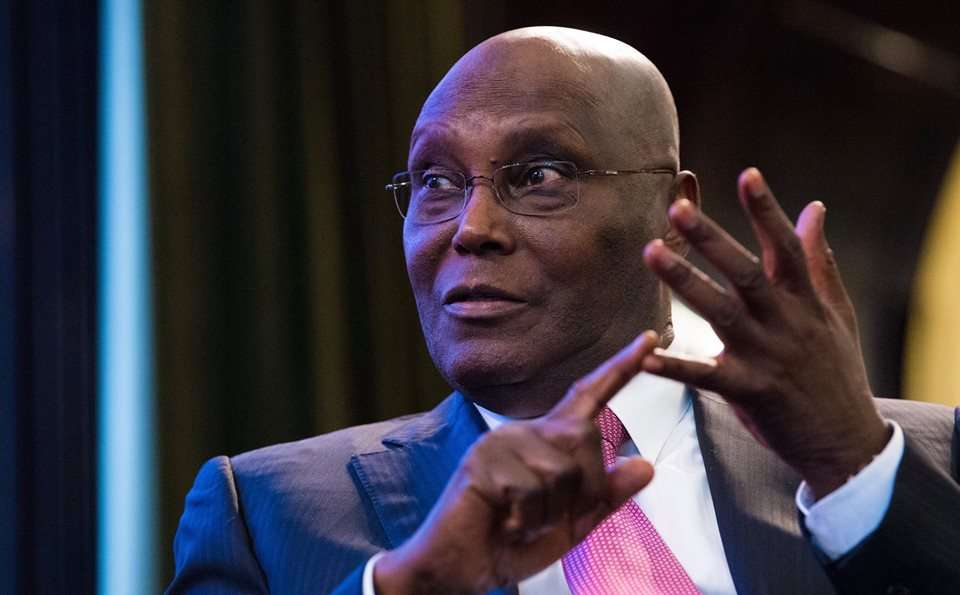
Former Nigeria governor James Ibori jailed for 13 years
On this day, April 17 in 2012, a governor of an oil rich Nigerian state, James Ibori was jailed for 23 years for fraud totalling nearly £50m ($77m).
James Ibori, former governor of Delta state, admitted 10 counts of conspiracy to defraud and money laundering.
Southwark Crown Court was told the amount he stole from the people of Delta state was “unquantified”.
Ibori, who evaded capture in Nigeria after a mob of supporters attacked police, was arrested in Dubai in 2010.
He was extradited to the UK, where he was prosecuted based on evidence from the Metropolitan Police.
One of the counts Ibori admitted related to a $37m (£23m) fraud pertaining to the sale of Delta State’s share in Nigerian privatised phone company company V Mobile.
He was governor of Delta State between May 1999 and May 2007.
Sasha Wass, QC, prosecuting, told the court Ibori “deliberately and systematically” defrauded the people he was elected to represent.
The court heard he came to the UK in the 1980s and worked as a cashier at a Wickes DIY store in Ruislip, north west London.
He was convicted in 1991 of stealing from the store but then returned to Nigeria and began his climb up the People’s Democratic Party (PDP) network.
When he ran for governor he lied about his date of birth to hide his criminal conviction in the UK – which would have prevented him standing for office.
Ibori, whose address was given as Primrose Hill, north London, claims to be 53 but police in London say he is 49.
Sentencing him, Judge Anthony Pitts told Ibori: “You lived modestly in London in the 1990s and no-one I think hearing at that time would imagine the multi millionaire high profile governor that you became some eight or nine years later.”
He became governor in 1999 but soon began taking money from state coffers.
Judge Pitts said: “It was during those two terms that you turned yourself in short order into a multi-millionaire through corruption and theft in your powerful position as Delta state governor.”
Ibori bought:
- A house in Hampstead, north London, for £2.2m
- A property in Shaftesbury, Dorset, for £311,000
- A £3.2m mansion in Sandton, near Johannesburg, South Africa
- A fleet of armoured Range Rovers valued at £600,000
- A £120,000 Bentley
- A Mercedes Maybach for 407,000 euros that was shipped direct to his mansion in South Africa
After the hearing Sue Patten, head of the Crown Prosecution Service central fraud group, said it would bid to confiscate the assets Ibori had acquired his riches “at the expense of the some of the poorest people in the world”.