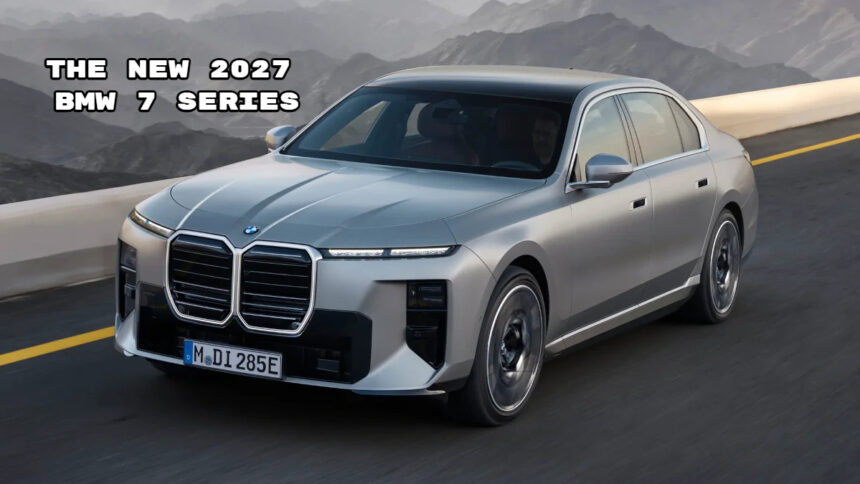
BMW just pulled the wraps off its facelifted 7 Series at the 2026 Beijing Auto Show, and if you were expecting a mild freshening, think again. The automaker itself calls this the most extensive model update it has ever attempted on a single vehicle. That’s a bold claim from a company that’s been building luxury flagships for over five decades.
- What’s New in the 2027 BMW 7 Series? The BMW 7 Series Facelift 2027 Explained
- 2027 BMW 7 Series Interior: The Dashboard Is Unrecognisable
- 2027 BMW 7 Series Specs: Engine Options, Performance, and the BMW i7 2027
- 2027 BMW 7 Series vs Mercedes S-Class vs Audi A8: Full Comparison
- New BMW 7 Series Release Date: When Can You Buy One?
- Is It the Most Luxurious BMW Ever Made?
- Frequently Asked Questions
Having gone through every detail that’s emerged from the dual-reveal at Beijing and New York’s Grand Central Terminal, the 2027 BMW 7 Series is harder to dismiss than most mid-cycle updates deserve to be.
What’s New in the 2027 BMW 7 Series? The BMW 7 Series Facelift 2027 Explained
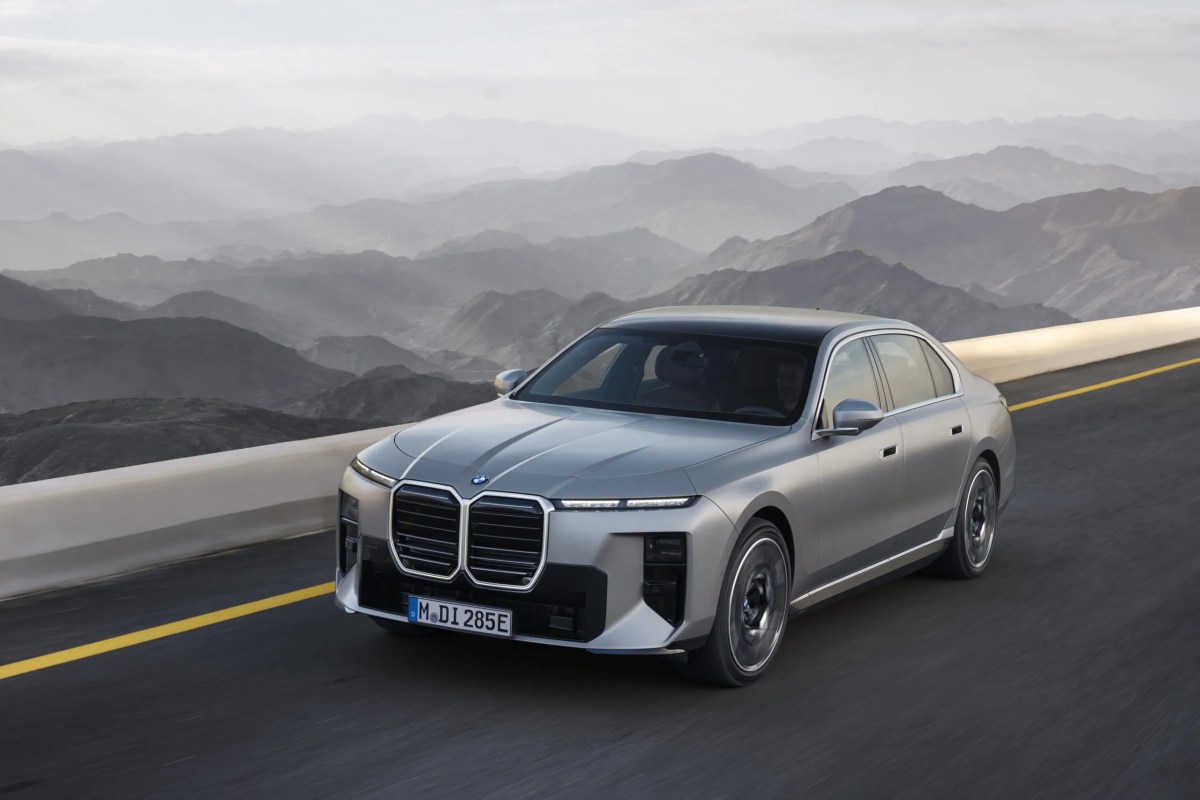
Four years after the controversial G70 generation launched, BMW hasn’t replaced the car; it’s essentially rebuilt it from the dashboard forward. The exterior picks up design cues from BMW’s Neue Klasse platform (the architecture powering the new iX3 and i3 sedan), but this isn’t a Neue Klasse car underneath. The familiar CLAR platform carries over, which is actually fine, the CLAR chassis is one of the better platforms in the segment.
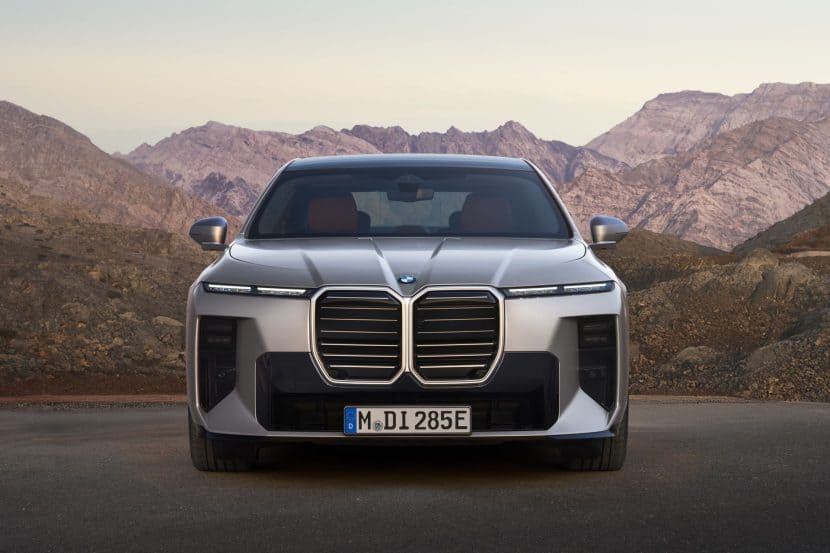
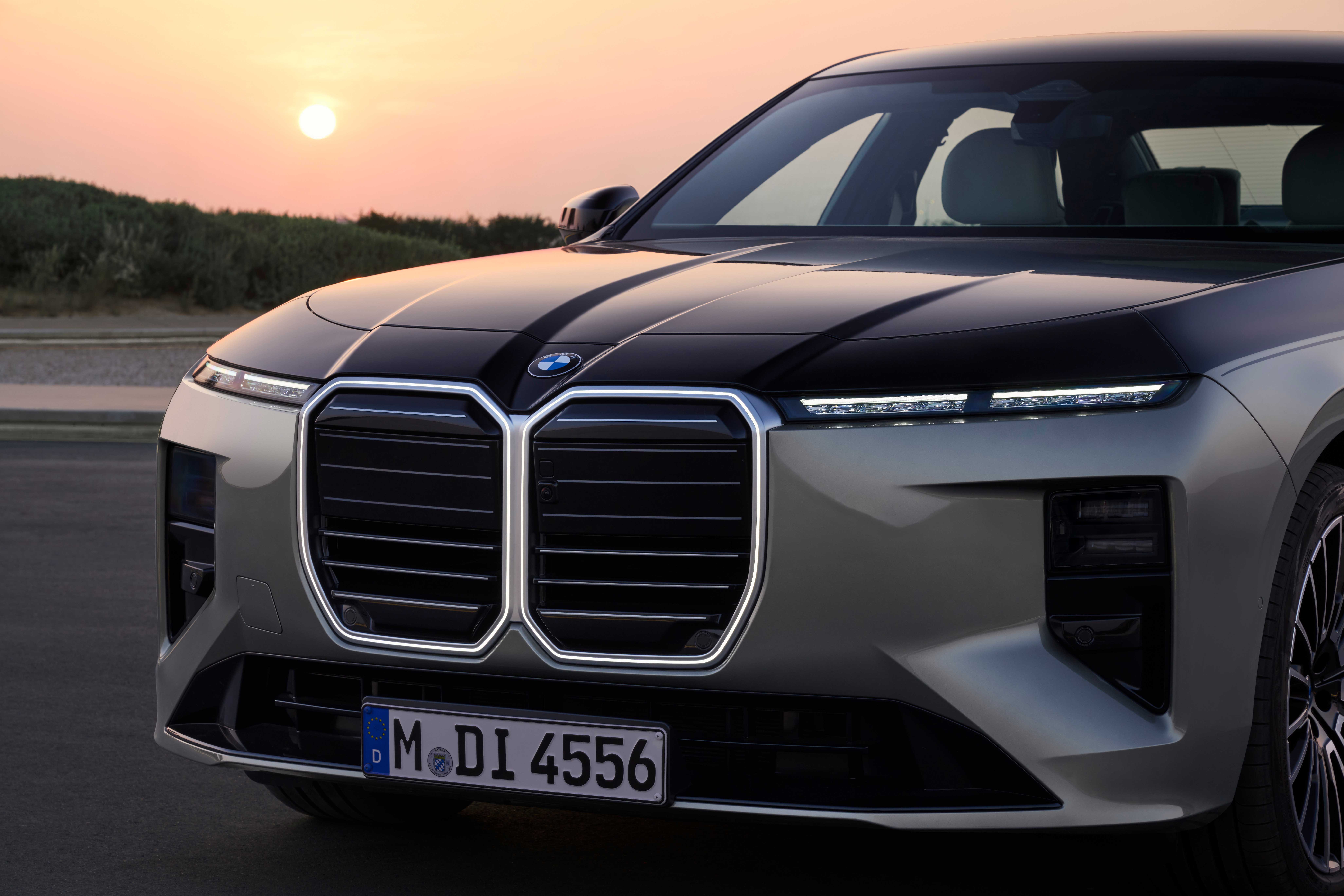
Up front, the kidney grilles are taller and narrower now, shaped more like BMW’s grilles looked before the company went through its phase of mounting progressively larger chrome rectangles on everything. The split headlights remain, but the main units have a more vertical layout, and optional diamond-cut crystal glass DRL elements give the front end something genuinely distinctive.


The hood is new too, first time that’s happened on a mid-cycle facelift. Two subtle creases run top to bottom, flanking a slightly larger matte-finish roundel.
At the rear, the taillights stretch further toward the centre and use a two-line motif with smoked glass and inner chrome strips. BMW has moved the rearview camera and trunk release into the taillights themselves, which cleans up the bumper considerably. It’s a small thing that makes a noticeable difference to the overall tidiness of the design.
For the absolute individualists, BMW now offers over 500 body color options, including a new Individual Dual-Finish treatment that pairs a metallic upper section with a matte lower body, separated by a hand-painted coachline. A car finished this way reportedly spends more than 75 hours in the paint shop, nearly six times as long as a standard finish.


2027 BMW 7 Series Interior: The Dashboard Is Unrecognisable

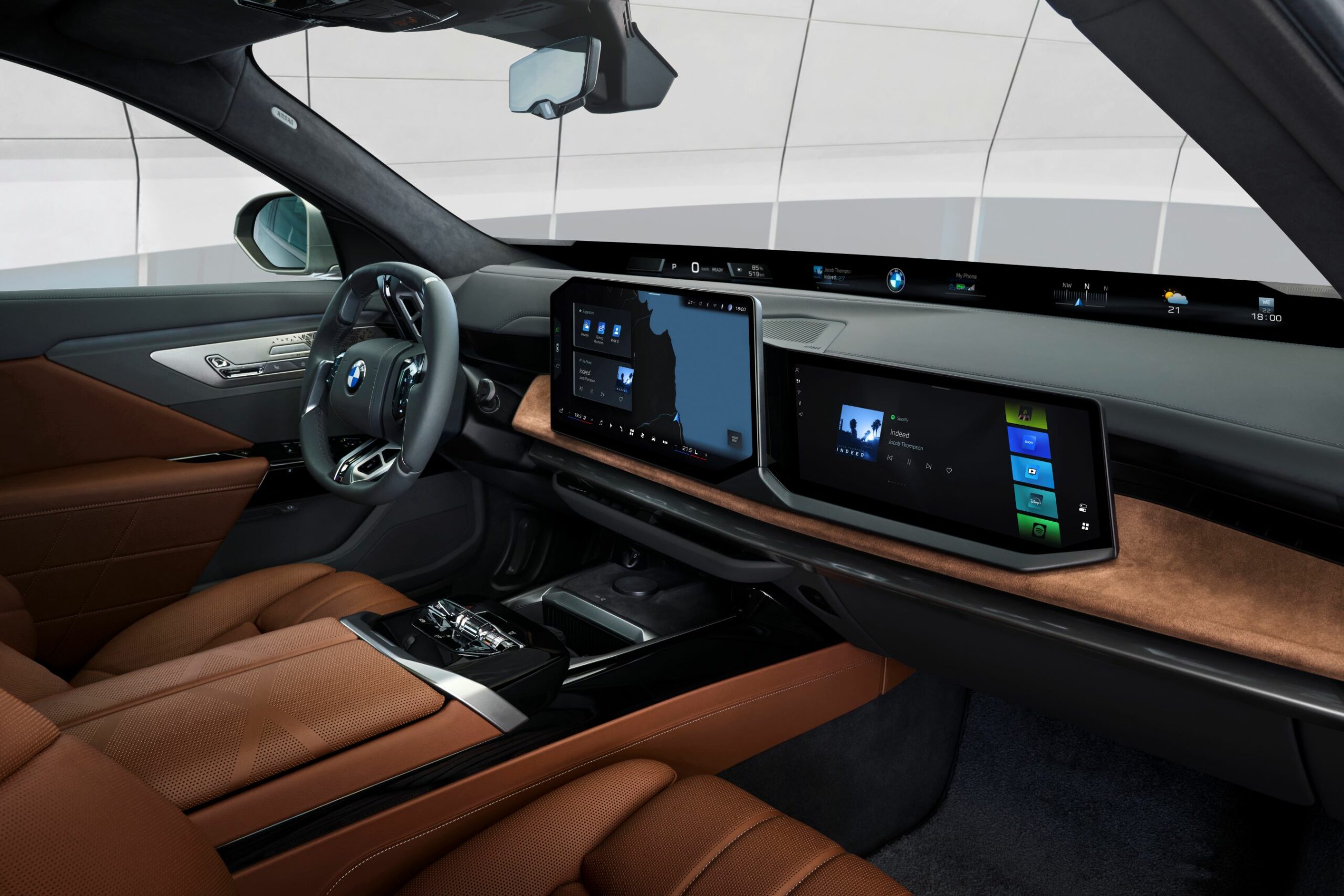
This is where the facelift earns its “most extensive update ever” billing.
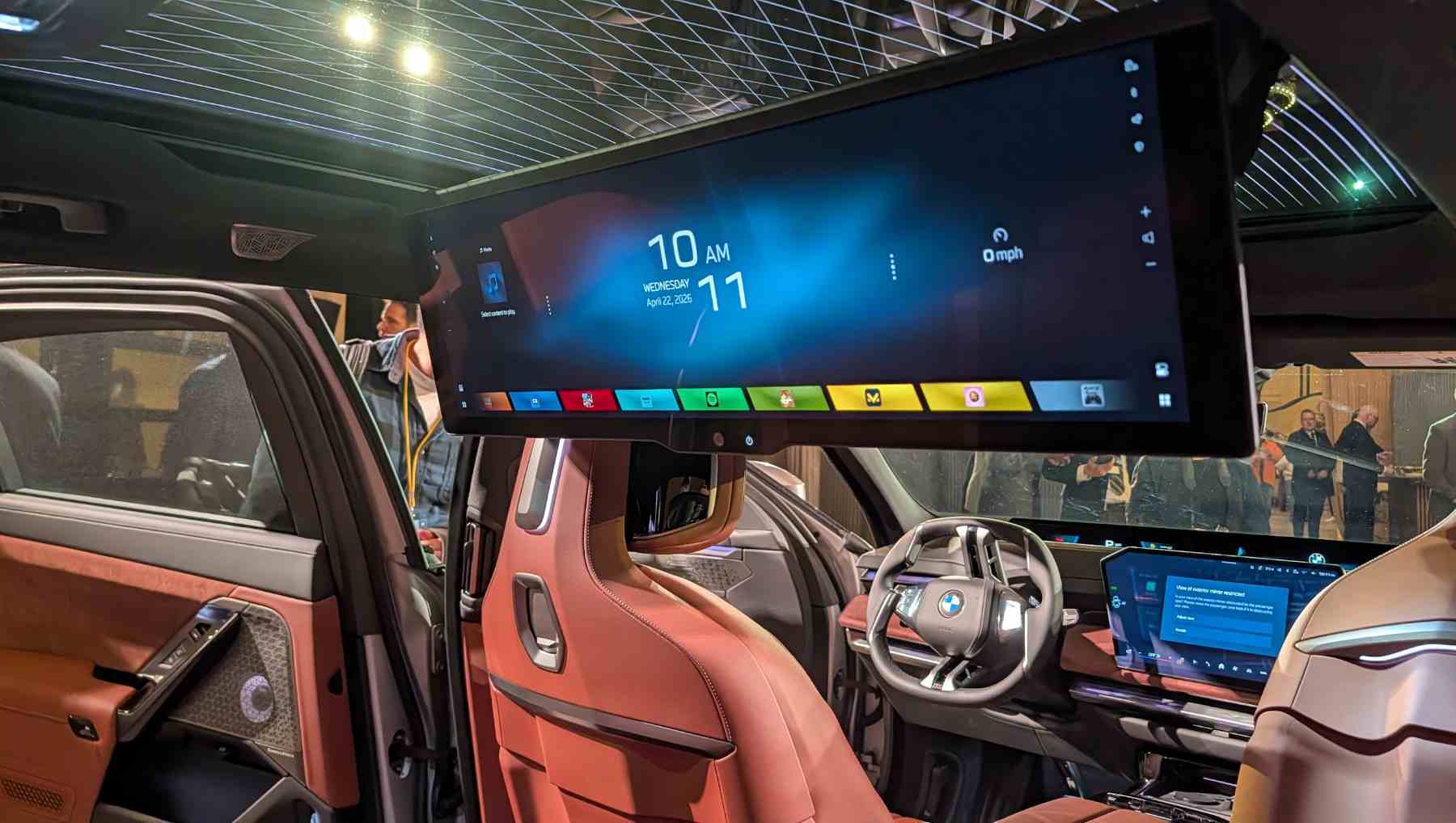
The entire dashboard has been replaced to house BMW’s new Panoramic iDrive system. A projection surface stretches across the full width of the lower windshield, from A-pillar to A-pillar. This replaces the traditional instrument cluster entirely. Alongside it sits a 17.9-inch central touchscreen in a “free-cut” rhombus shape running BMW’s new Operating System X. And in a first for the brand, a 14.6-inch passenger screen is now standard equipment. That screen has a built-in privacy shield so the driver can’t see it, and it works without a BMW ID login. Passengers can stream video and play games independently.
The rear cabin gets the 31.3-inch Theatre Screen again. Still, it’s been upgraded to 8K resolution and now integrates Amazon Fire TV, app downloads through BMW’s ConnectedDrive Store, and a Zoom-capable camera above the display. Whether you’d actually take a Zoom call from your back seat is between you and your schedule.
Sound is handled by a Bowers & Wilkins Diamond Surround Sound system with up to 36 speakers and 1,965 watts, including physical “exciters” embedded in the seats for a 4D audio effect.
Ambient lighting got a full redesign. A strip running the width of the dashboard glows with an alabaster texture during the day and shifts into a dynamic light display after dark, responding to the time of day. Vertical sconce-style lights in the front seatbacks extend the mood into the rear. The optional Panoramic Skylounge LED roof has over 40 LEDs embedded in the glass.
The BMW Intelligent Personal Assistant now integrates Amazon’s Alexa+ AI, which means actual large-language-model capability in the cabin rather than the keyword-matching that passes for voice control in most cars. Natural, conversation-based control of vehicle functions, music, and external knowledge. Launching first in Germany and the US.
One more thing: automatic doors now use radar sensors hidden in the body to detect obstacles before opening or closing. There’s also a new digital interior mirror that switches between a traditional reflection and a camera feed from the parcel shelf, especially useful when the rear Theatre Screen is deployed.

2027 BMW 7 Series Specs: Engine Options, Performance, and the BMW i7 2027
At launch, the lineup is as follows:
740 (Inline-6, 3.0L turbocharged): 394 hp, available in rear-wheel drive or xDrive all-wheel drive. Starting at $101,350 (RWD) or $104,350 (xDrive).
750e xDrive (PHEV, arriving Q1 2027): 483 hp combined, 516 lb-ft of torque, pairing the inline-6 with a 194 hp electric motor. Top speed has been bumped from 130 mph to 155 mph, up from the outgoing version. Production starts Q4 2026.
M760e xDrive (PHEV): 603 hp and 590 lb-ft, pairing a six-cylinder gasoline engine with an electric motor. Around 50 miles of electric range (WLTP).
V8 M Performance model: Confirmed for later in 2027, expected to be called the M760, replacing the 760i. No official specs yet, but BMW has hinted at quad exhaust tips and significant power output.
For the fully electric BMW i7 2027, the upgrades are more substantial:
- i7 50 xDrive: $107,750, estimated range over 350 miles EPA (up from about 310)
- i7 60 xDrive: $126,250, 536 hp, 0-60 in 4.6 seconds, top speed now 149 mph (up from 130)
Both i7 variants use BMW’s sixth-generation eDrive technology with new cylindrical Neue Klasse battery cells, the same cells used in the iX3, assembled by Rimac. The battery pack’s usable capacity is now 112.5 kWh, up more than 10%, with maximum DC charging speed jumping from 195 kW to 250 kW. That drops a 10-to-80% charge time from 34 minutes to 28 minutes.
Production begins at BMW Group Plant Dingolfing in July 2026, with US deliveries expected shortly after.
2027 BMW 7 Series vs Mercedes S-Class vs Audi A8: Full Comparison

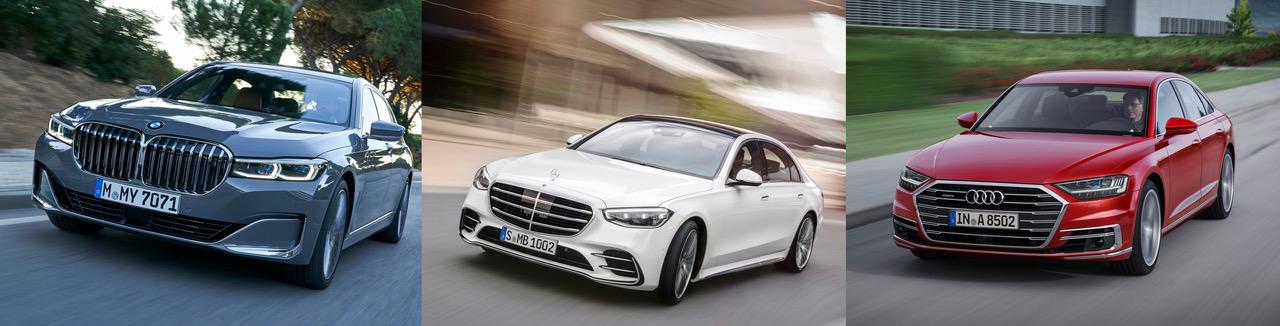
| Feature | 2027 BMW 7 Series (740) | 2027 Mercedes-Benz S-Class (S500) | 2024 Audi A8 (A8 55 TFSI) |
|---|---|---|---|
| Starting Price (USD) | $101,350 | ~$115,000 | ~$94,500 |
| Engine (Base) | 3.0L Turbo I6, 394 hp | 3.0L Turbo I6, 429 hp | 3.0L Turbo V6, 335 hp |
| PHEV Option | 750e xDrive, 483 hp | S580e, 503 hp | A8 60 TFSI e, 443 hp |
| EV Variant | i7 60 xDrive, 536 hp | EQS (separate model) | e-tron GT (separate model) |
| EV Range (est.) | 350+ miles (EPA) | — | — |
| EV Charging Speed | 250 kW DC | — | — |
| Infotainment | Panoramic iDrive (full-width HUD + 17.9″ screen) | MBUX Hyperscreen (up to 56″ display) | MMI Touch, 10.1″ + 8.6″ screens |
| Passenger Screen | 14.6″ (standard) | Available | Not standard |
| Rear Screen | 31.3″ 8K Theatre Screen | 11.6″ rear screens | 10.1″ rear tablet screens |
| Audio | B&W 36-speaker, 1,965W | Burmester 3D, 30-speaker | Bang & Olufsen 3D, 23-speaker |
| ADAS Level | Level 2+ (hands-free highway) | Level 2+ (Drive Pilot L3 optional) | Level 2 |
| Autonomous Driving | Motorway Assistant (hands-free to 81 mph) | Drive Pilot (up to 40 mph, selected markets) | Traffic Jam Assist |
| Platform | CLAR (updated) | MRA-modular | MLB Evo |
| Wheelbase (standard) | 3,215 mm | 3,216 mm | 3,128 mm |
| Rear Theatre Screen | Yes (31.3″ 8K) | Optional | Optional |
| AI Voice Assistant | Alexa+ integrated | Hey Mercedes + ChatGPT | Audi AI |
BMW’s main advantages: a larger rear screen, a standard passenger display, a longer EV range, faster charging, and the most immersive ambient lighting package. Mercedes counters with a slightly more powerful base engine, optional Level 3 autonomy in select markets, and the MBUX Hyperscreen’s sheer visual drama. Audi’s A8 is the oldest platform of the three and trails in tech, but still offers strong value at a lower entry price.
New BMW 7 Series Release Date: When Can You Buy One?
Production starts at BMW Group Plant Dingolfing in July 2026. US deliveries for the 740 and i7 models follow shortly after. The 750e xDrive PHEV enters production in Q4 2026, arriving in showrooms in early 2027. A V8-powered M Performance variant is expected later in 2027. A BMW Alpina 7 Series (G72), targeting the Mercedes-Maybach S-Class, has been confirmed and is expected to arrive sometime in 2027, though production timing remains unclear.
Is It the Most Luxurious BMW Ever Made?
That depends on what you mean by luxurious. If technology density counts, then yes, no BMW has ever put this much screen real estate, processing power, and AI into a production cabin. The Panoramic iDrive system alone is a generational leap over what was in the pre-facelift G70. The i7’s 350-mile range and 28-minute charge time make the electric version genuinely usable for long-distance travel, unlike the previous generation.
If you’re after tactile craftsmanship above all else, the hand-stitched, deeply hushed, leather-and-walnut kind of luxury, the Rolls-Royce Ghost still has this conversation won before it starts. But BMW isn’t really playing in that space. The 2027 7 Series is luxury through technology, through personalisation, and through a quietly aggressive level of engineering. Whether that’s the right definition of luxurious is a matter of taste.
What’s not a matter of taste: this is the best 7 Series BMW has built.

Frequently Asked Questions
When is the 2027 BMW 7 Series coming out?
Production begins in July 2026 at BMW’s Dingolfing plant in Germany. US deliveries for the 740 and i7 models begin shortly. The 750e PHEV variant follows in early 2027.
How much will the 2027 BMW 7 Series cost?
The base 740 (rear-wheel drive) starts at $101,350, including a $1,550 destination charge, just $500 more than the pre-facelift model. The 740 xDrive is $104,350, the i7 50 xDrive starts at $107,750, and the i7 60 xDrive starts at $126,250. The 750e PHEV pricing has not yet been confirmed, but the 2026 model starts at $111,550.
What engine options will the 2027 BMW 7 Series have?
At launch: a 394 hp turbocharged 3.0-litre inline-six (740/740 xDrive), two fully electric i7 variants (50 xDrive and 60 xDrive), and the 603 hp M760e PHEV. The 483 hp 750e xDrive PHEV arrives in Q1 2027, followed by a V8-powered M Performance model later that year.
What is new in the 2027 BMW 7 Series?
The headline changes are the fully redesigned interior with BMW’s Panoramic iDrive, including a full-width windshield projection display, a 17.9-inch central touchscreen, a standard 14.6-inch passenger screen, and an upgraded 8K rear Theatre Screen. Outside, there’s a new hood, revised kidney grilles, redesigned taillights, and new optional Individual Dual-Finish paintwork. The Alexa+ AI voice assistant, radar-guided automatic doors, and a digital interior mirror are also new.
Will there be a fully electric 2027 BMW 7 Series?
Yes. The BMW i7 50 xDrive and i7 60 xDrive are both available at launch. Both use BMW’s sixth-generation eDrive technology with new cylindrical battery cells, a 112.5 kWh usable capacity, 250 kW DC charging, and an estimated EPA range of over 350 miles, roughly 40 miles more than the outgoing i7.
How does the 2027 BMW 7 Series compare to the Mercedes S-Class?
Both cars have undergone major mid-cycle updates around the same time, and both brands have called their updates the largest in their models’ histories. The 7 Series leads on EV technology, rear screen size (31.3″ 8K vs 11.6″), standard passenger screen, and ambient lighting. The S-Class offers a more powerful base engine and optional Level 3 autonomous driving capability in select markets. They’re priced similarly, though the S-Class base starts a few thousand dollars higher.
The choice between them often comes down to whether you prefer BMW’s more driver-oriented tech integration or Mercedes’s more lounge-focused approach to the rear cabin.