A fresh dispute between Nigerian singer BNXN and American rapper Fat Joe erupted this week after comments made during a podcast interview began circulating online.
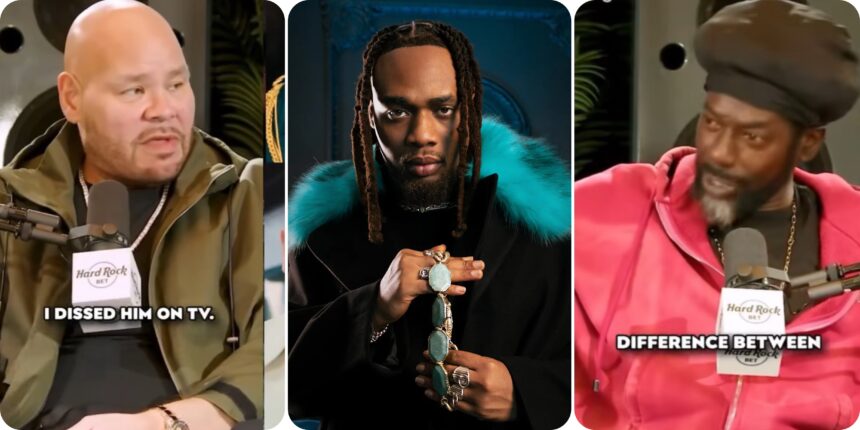
The controversy stems from Fat Joe’s claim that he played a role in forcing BNXN to change his stage name from “Buju.” Speaking during a conversation alongside Grammy-winning Jamaican reggae and dancehall legend Buju Banton, the rapper said he had previously “dissed” BNXN on television and “shut him down,” suggesting that the Nigerian artist changed his name as a result.
The remarks quickly gained traction across social media, with many Nigerian listeners criticising both the tone and the suggestion that an external figure influenced the Afrobeats star’s decision.
BNXN responded shortly after on social platform X, directly rejecting the claim. In his post, the singer accused Fat Joe of spreading misinformation about African music and its artists, while also taking aim at what he described as a dismissive attitude toward the industry.
The exchange escalated further as other Nigerian artists, including Joeboy, also weighed in, criticising the narrative and defending BNXN against what they viewed as an inaccurate portrayal of events.
At the centre of the dispute is a simple but significant question: who really influenced BNXN’s identity shift and who gets to define that story?
The Name Change: From Buju to BNXN


BNXN, born Daniel Benson, first rose to prominence in 2019 under the stage name “Buju,” a moniker that quickly became associated with his early Afrofusion success.
In February 2022, the singer officially announced a shift to the name BNXN (pronounced “Benson”), marking a significant turning point in his career and public identity.
The decision was largely driven by identity and copyright concerns. At the time, the name “Buju” created consistent confusion in the global music space, particularly with Jamaican dancehall icon Buju Banton. Reports around the change pointed to the need for clearer distinction, especially as BNXN’s music began reaching wider international audiences.
Beyond confusion, the issue also carried potential legal and commercial risks. The singer himself indicated that continuing under “Buju” could expose his catalogue to copyright complications or even takedowns, prompting a proactive move to protect his work and brand.
The transition to BNXN therefore was not just cosmetic. It reflected a strategic rebranding, which was aimed at securing a unique global identity while maintaining continuity with his existing audience.
While fans still informally reference his former name, the switch to BNXN has since become fully embedded in his official releases, credits, and international positioning.
Setting the Record Straight: BNXN’s Position

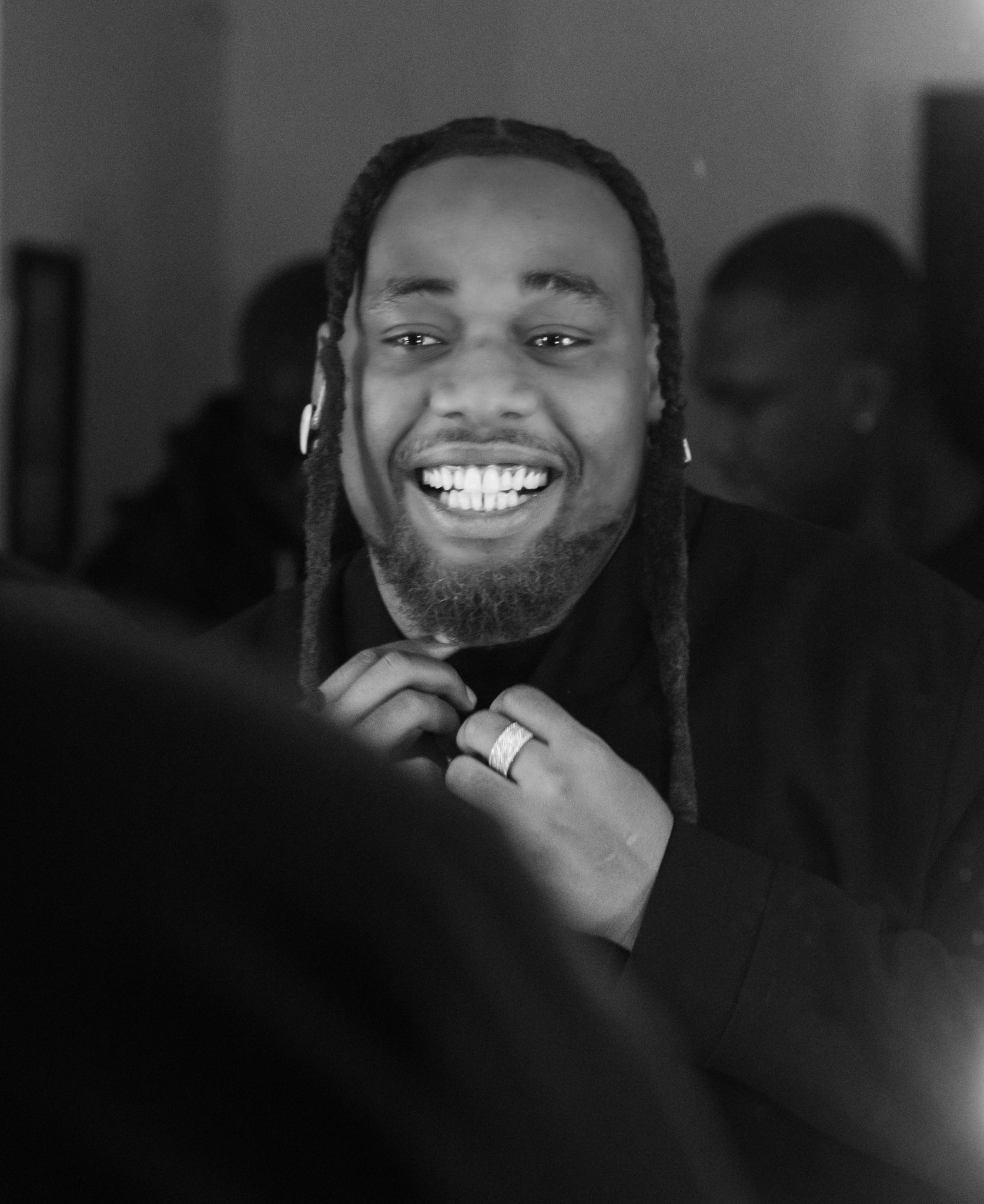
BNXN has firmly rejected claims by Fat Joe that he was influenced or pressured into changing his stage name, insisting the decision was entirely his own.
Reacting on social media shortly after the comments went viral, the Nigerian singer described the narrative as misleading and rooted in misinformation about African music and its artists.
In a strongly worded response, BNXN accused the rapper of speaking inaccurately about both his career and the broader Afrobeats movement, urging him to “educate yourself”. It seemed BNXN was trying to state that his name change was a personal decision and wasn’t due to external influence. In his words:
“The hate in your heart and your misinformation about African music and its artists is why your chromosomes are all fucked up. Educate yourself bozo. @fatjoe.”
He also struck a more measured note in follow-up comments, stating that despite his frustration, he still values mutual respect within the industry and does not intend to lose his sense of humanity in public disputes. BNXN added:
“Even in my moments of rage, I never want to lose my sense of humanity. Respect me and I will respect you.”
The response quickly drew support from fans and fellow Nigerian artists, many of whom echoed his position and pushed back against what they saw as an attempt to rewrite the narrative of his career decisions.
Fat Joe’s Claim: Influence or Overreach?
At the centre of the controversy is the bold claim by Fat Joe about how he allegedly influenced BNXN’s name change.
Speaking on the Joe and Jada podcast where he interviewed Buju Banton in April 2026, the rapper alleged that he pushed the Nigerian singer to drop the name “Buju.”
According to him, the move was deliberate. He claimed he publicly called out the artist on the Wendy Williams show in 2022, insisting there was “only one Buju,” in reference to the Jamaican reggae icon.
Fat Joe said he “dissed” BNXN on air and “shut him down,” suggesting that the backlash that followed led directly to the name change in 2022. While Fat Joe believes his call-out triggered BNXN’s rebrand, reports link the name change to identity clarity and brand distinction, particularly in relation to Buju Banton.
That contrast is what has fueled the backlash. These were not the only comments he made. As if that was not enough, he made controversial remarks about the origins of Afrobeats, leading to even more backlash from netizens.
Afrobeats and Narrative Control
Alongside his claims about BNXN, Fat Joe also made a broader statement that Afrobeats has roots in Jamaica. That comment, made during the same podcast conversation, quickly drew criticism from Nigerian listeners.
For many, that was the turning point.
The reaction became less about one artist and more about a pattern over how African music is explained on global platforms. Afrobeats, as it exists today, is widely understood to have developed in Nigeria and across West Africa, drawing from earlier influences but shaped by local culture, language, and contemporary sounds.
So when an external voice reframes that history, it tends to land as more than opinion. It becomes a question of ownership.
BNXN’s response fits directly into that space. His pushback was not only about correcting the story behind his name change, but also about challenging misinformation about African music and its artists.
That explains why other artists reacted too.
Joeboy, among others, publicly dismissed the claims. He wrote:
“Still tryna talk down on African acts in 2026.”
“Dirty yarns.”
Media personality, Adesope Olajide also known as Shopsydoo reacted too, and clarified that afrobeats did not originate from Jamaica. In his words:
“Jamaica didn’t start afrobeats, however, like you [Fat Joe] said, everything came from Africa and reggae dancehall is part of the genres that was blended into creating afrobeats and what you hear today. A lot of the artistes such as Wizkid, Burna Boy, Patoranking, of course you have your Shatta Wale, Stoneboys… these people have a heavy leaning towards reggae dancehall so I’d give you that. But Jamaicans didn’t start afrobeats.”
There is also a historical layer here.
Afrobeats (distinct from Fela Kuti’s Afrobeat) has grown into a global genre through years of local evolution from Lagos studios to international charts. As that growth continues, so does the tension over who gets to interpret its origins, its identity, and its key figures.
That is why moments like this resonate and become personal. They are not just about disagreement. They are about voice, credit, cultural ownership and the growing insistence from African artists that their stories should not be rewritten once they cross borders.
Where Things Stand Now
For now, the situation between BNXN and Fat Joe remains a war of words, nothing more, nothing less.
There has been no sign of a direct reconciliation or escalation beyond public statements. The exchange has largely played out across podcast clips and social media reactions, with both sides holding firmly to their positions.
BNXN has made his stance clear that the narrative linking his name change to external pressure is false. His response has not extended beyond online rebuttals.
Fat Joe, on the other hand, has not issued a detailed follow-up addressing the backlash. His comments continue to circulate primarily through the original podcast clip, which remains the main source of the controversy.
What has evolved, however, is the reaction of netizens on social media. Online, the conversation has shifted slightly away from the individuals themselves to the issues behind the moment. It has become about identity, respect, and how African artists are represented globally.
Conclusion: Identity, Ownership and Voice
In the end, this story is not just about a disagreement between BNXN and Fat Joe. It is about control of identity.
Reports online show BNXN changed his name on February 17, 2022 while Fat Joe reportedly called him out on February 23, 2022.
The facts are clear. BNXN changed his name in 2022 allegedly over branding and copyright concerns, not because of external pressure.
What changed this week is the story around it, and serves as a reminder that in a global industry, identity is not just what you are called, but who gets to define it.