There’s a phone releasing in May 2026 that has TechRadar calling it “the world’s best camera phone,” Android Police saying Samsung “should hang its head in shame,” and 9to5Google’s reviewer swapping out their Pixel for it after a week. That phone is the Oppo Find X9 Ultra.
- Oppo Find X9 Ultra Specs: The Camera System in Full
- Camera Specs Comparison: Oppo Find X9 Ultra vs iPhone 17 Pro Max vs Samsung Galaxy S26 Ultra
- Oppo Find X9 Ultra DXOMark Score: What We Know
- Real-World Camera Performance: What the Sample Shots Actually Show
- Oppo Find X9 Ultra vs Samsung Galaxy S26 Ultra: Honest Camera Comparison
- Oppo Find X9 Ultra Price and Availability
- Design: More Camera Than Phone, Intentionally
- FAQ
But the hyperbole game around camera phones has been running hot for years now. Every flagship claims to be a breakthrough. So, does this one actually deliver? After digging through every serious hands-on review published since the global announcement on April 21, and with full Oppo Find X9 Ultra specs in hand, here’s what actually matters.
Oppo Find X9 Ultra Specs: The Camera System in Full
The hardware story starts with five rear cameras, all co-developed with Hasselblad. Not tuned by Hasselblad, developed with them across five consecutive generations of Find X phones.
The lineup:
Main camera: 200MP, f/1.5, 23mm equivalent, 1/1.12-inch Sony LYTIA 901 sensor, PDAF, 2-axis OIS. At launch, this is the largest 200MP sensor ever put in a phone. The f/1.5 aperture is wide even by mirrorless standards.
3x telephoto: 200MP, f/2.2, 70mm equivalent, 1/1.28-inch OmniVision OV52A sensor, periscope, PDAF, OIS. Here’s the part that keeps coming up in reviews: this telephoto sensor is physically larger than the main camera sensor on the Samsung Galaxy S26 Ultra. That’s not a spec-sheet curiosity; it means portrait and medium-range shots have a depth and rendering quality that other phones can’t match optically.
10x telephoto: 50MP, f/3.5, 230mm equivalent, 1/2.75-inch Samsung ISOCELL JNL sensor, quintuple prism periscope, PDAF, Sensor Shift OIS. Oppo says the quintuple prism is an industry first and enables 20x optical-quality zoom, a rare capability, since Samsung quietly dropped its own 10x lens after the Galaxy S23 Ultra generation.
Ultra-wide: 50MP, f/2.0, 14mm equivalent (123° FOV), 1/1.95-inch sensor, AF.
True Color Camera: 3.2MP spectral sensor with 24-channel coverage for accurate colour science across all shooting modes, including video.
Front camera: 50MP Samsung JN5, autofocus.
Video tops out at 4K 120fps with Log, Dolby Vision, and the ability to bake in LUTs, all on every lens. If you want to push further, Oppo also sells the Hasselblad Earth Explorer Kit: a 300mm teleconverter that adds 13x, 30x, and 60x zoom lengths via an attachable external lens.

Camera Specs Comparison: Oppo Find X9 Ultra vs iPhone 17 Pro Max vs Samsung Galaxy S26 Ultra
| Feature | Oppo Find X9 Ultra | Samsung Galaxy S26 Ultra | Apple iPhone 17 Pro Max |
|---|---|---|---|
| Main camera | 200MP, f/1.5, 1/1.12″ | 200MP, f/1.7, 1/1.3″ | 48MP, f/1.78, 1/1.28″ |
| Ultrawide | 50MP, f/2.0, 14mm, 1/1.95″ | 50MP, f/1.9, 13mm | 48MP, f/2.2, 13mm |
| Telephoto 1 | 200MP, 3x, f/2.2, 1/1.28″ | 50MP, 5x, f/3.4, 1/2.52″ | 12MP, 5x, f/2.8 |
| Telephoto 2 | 50MP, 10x optical, f/3.5 | – | – |
| Max optical zoom | 10x (20x optical-quality) | 5x (100x digital) | 5x |
| Video | 4K 120fps, Log, Dolby Vision | 8K 30fps, 4K 120fps | 4K 120fps, ProRes, ProRes LOG |
| OIS | Yes (3 lenses) | Yes | Yes |
| Hasselblad tuning | Yes (5th gen) | No | No |
| Front camera | 50MP, AF | 12MP | 24MP |
| Sensor size advantage | Largest 200MP + largest 200MP tele | Large main, smaller tele | Pro pipeline, smaller sensors |
| UK/Europe price | £1,449 | £1,279 | ~£1,299 |
The table tells one story clearly: Oppo wins on raw sensor size at every focal length. Apple wins on video workflow (ProRes, ecosystem). Samsung lands in the middle — a familiar, reliable camera system that hasn’t changed dramatically since the S24 Ultra era.
Oppo Find X9 Ultra DXOMark Score: What We Know
As of this article’s publication, DXOMark has not published a full Oppo Find X9 Ultra review; the phone only launched globally on April 21, 2026. For reference, the Find X9 Pro (a close sibling with different sensors) scored 166 on DXOMark in January 2026, landing in the global top 6 and displacing the Honor Magic 8 Pro. Given the X9 Ultra’s substantially more aggressive hardware, dual 200MP sensors, a 10x optical lens, and a significantly larger sensor area, reviewers expect the Ultra to score higher once tested. We’ll update this section when DXOMark publishes.
What’s already on record: TechRadar called it “the best cameras I’ve ever tested” after using it as a daily phone. Android Central said it’s “the ultimate camera flagship of 2026.” Multiple reviewers noted that even shots beyond 10x, pushing toward 16-17x, came back noticeably sharper than expected due to Oppo’s AI processing, closing the gap between raw sensor limits and processed output.
Real-World Camera Performance: What the Sample Shots Actually Show

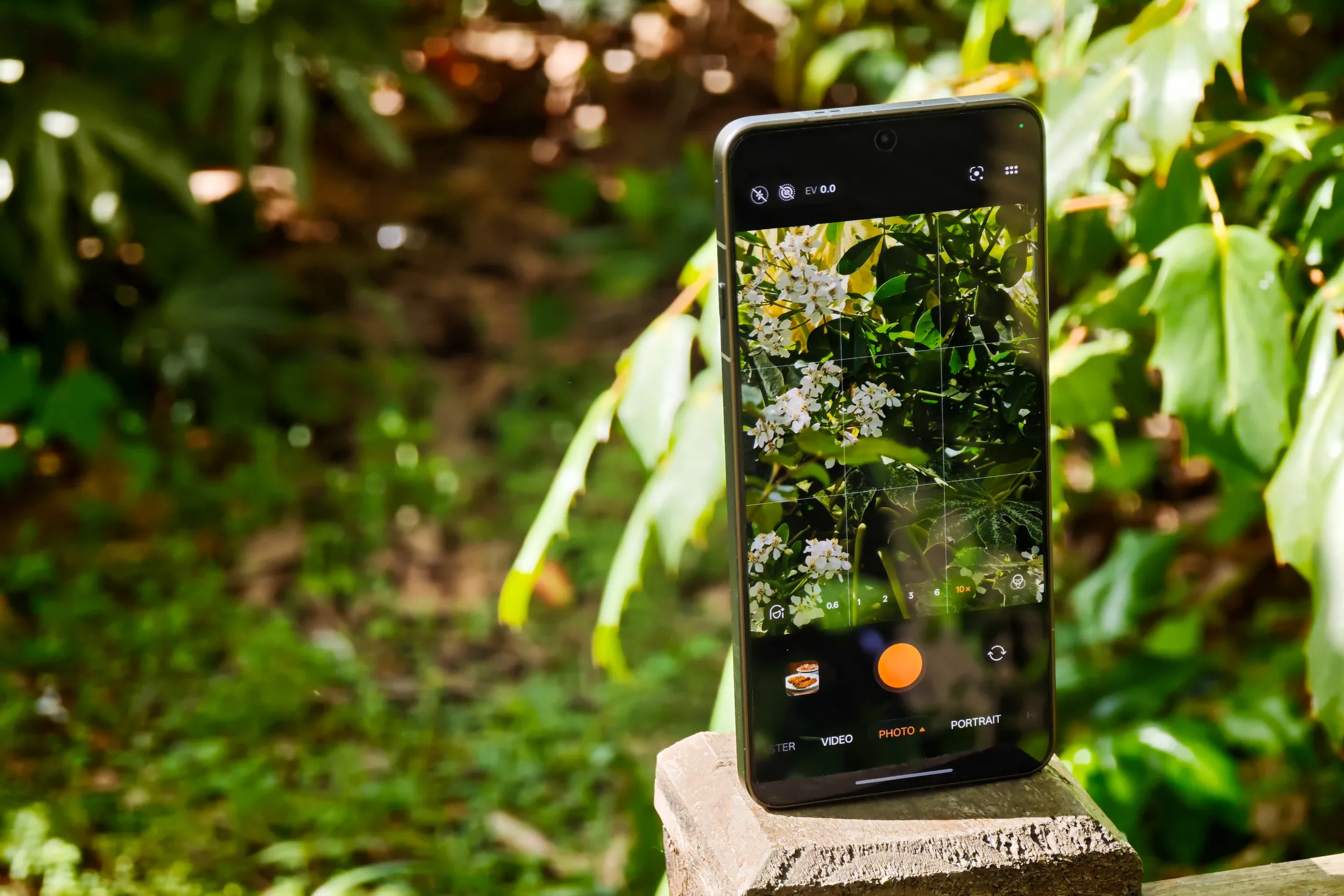
You can find camera samples from the Find X9 Ultra across 9to5Google, Trusted Reviews, and Android Police. A few consistent themes emerge across independent reviewers.
At the 3x lens, the gap is real: The 200MP telephoto, with its 1/1.28-inch sensor, produces portrait-range shots with genuine depth, not simulated background blur, but optical depth that shows up in the rendering of mid-ground elements and in video, where you can’t fake the physics. Multiple reviewers noted this is the lens they kept coming back to.
Low-light main camera is excellent but not night-mode-miraculous: Oppo’s processing here keeps a more restrained, “organic” look compared to the heavy brightening approach some flagships use. DXOMark’s comparative testing of the Find X9 Pro showed Oppo leaned toward subdued, natural rendering in night shots versus the brightness-boosted look from Xiaomi or Honor. Photographers who prefer accurate rendering over dramatic nighttime lifts will prefer it. Those who want their night shots to look like they were taken at noon may not.
The 10x optical zoom is genuinely new territory for 2026 flagships: Since Samsung dropped its 10x lens, no other phone has shipped with 10x optical reach at this sensor size. At 230mm equivalent with a quintuple-prism periscope, the Find X9 Ultra reaches subjects that the Galaxy S26 Ultra can only approximate with digital zoom.
Video is strong, but Samsung and Apple retain an edge there: The Find X9 Ultra shoots 4K at 120 fps across lenses with Log and Dolby Vision, which is genuinely impressive. But reviewers are consistent: if video stabilization on moving subjects is your priority, Samsung’s ProVisual Engine and Apple’s ProRes pipeline are more refined. The Find X9 Ultra is primarily a stills camera with very good video specs, rather than the other way around.
Oppo Find X9 Ultra vs Samsung Galaxy S26 Ultra: Honest Camera Comparison


This is the comparison most buyers are actually running.
Samsung’s S26 Ultra camera system has barely changed from the S24 Ultra generation. That’s not necessarily a knock, it’s a well-optimised system, but when reviewers say the Find X9 Ultra “makes the S26 Ultra’s camera look like an afterthought,” they’re pointing at specific hardware decisions: a 3x telephoto sensor that’s physically larger than Samsung’s main camera, a 10x optical lens that Samsung dropped years ago, and Hasselblad color science that produces noticeably different (and for many shooters, preferable) tone reproduction.
Where Samsung still wins: long reach via 100x digital zoom, video stabilization, the S Pen for productivity users, and seven years of Android software updates versus Oppo’s five. Samsung’s Galaxy AI toolkit is also more mature than Oppo’s current AI feature set.
Where Oppo wins: every camera metric that involves sensor size, the mid-range zoom range (3x specifically), the 10x optical lens nobody else has, and the Hasselblad color tuning. At the same or similar price point (the Find X9 Ultra starts at £1,449 in the UK, same as the 512GB Galaxy S26 Ultra), the camera hardware advantage is not small.
The honest summary: if you care about the S Pen, Samsung’s broader ecosystem, or long-term software support, the Galaxy S26 Ultra remains a strong choice. If cameras are the whole point, it’s hard to argue against the Find X9 Ultra on hardware grounds.
Oppo Find X9 Ultra Price and Availability
The Find X9 Ultra is available globally, with the notable exception of the United States, where Oppo has historically had carrier compatibility and support limitations.
- UK: £1,449 (12GB + 512GB), available via Oppo’s online store and Currys from May 8, 2026
- Europe: Pricing varies by market; the phone is available to pre-order now
- Singapore: SG$1,899 (12GB + 512GB), SG$2,199 (16GB + 1TB)
- Malaysia: MYR 6,799 (16GB + 1TB)
- China: CNY pricing available at local retail
The optional Hasselblad Earth Explorer Kit (300mm teleconverter, case, filter adapter, tripod brackets) sells separately. It’s expensive and enormous, but reviewers who’ve used it describe the results as genuinely unlike any other phone.
Design: More Camera Than Phone, Intentionally

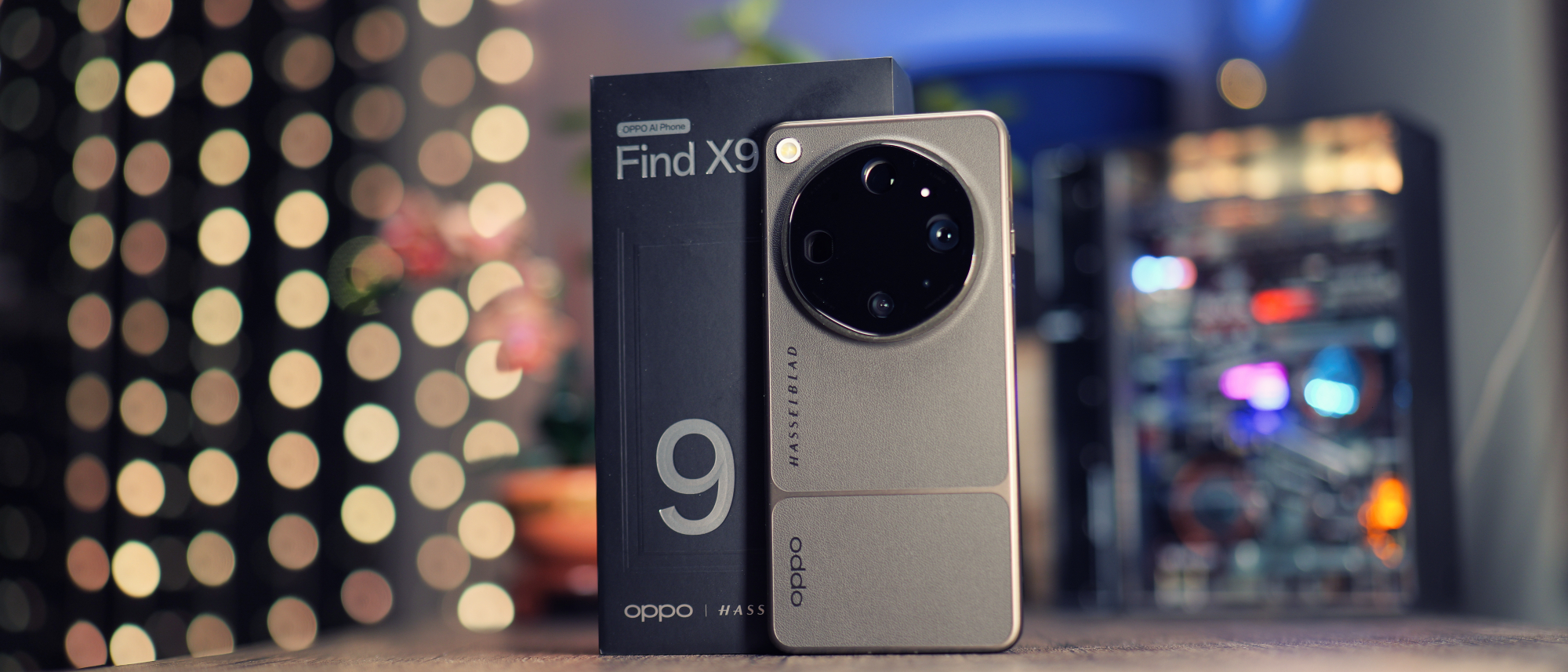
The Find X9 Ultra takes its design directly from the Hasselblad X2D 100C Earth Explorer Edition, a two-tone metal-and-vegan-leather finish in Tundra Umber, with a gunmetal aluminium frame and dark brown leather cutouts. Canyon Orange is the second colorway.
It weighs 235-236g and measures 9.1mm thick. That’s heavy. The camera module adds to the top-heaviness in portrait orientation. Every reviewer mentions the size. Every reviewer also says they kept picking it up to take photos. There’s a Hasselblad-orange camera shutter button on the side with tactile haptic feedback, and it works as you’d expect from a dedicated camera control.
The rest of the phone: 6.82-inch QHD+ 144Hz AMOLED, Snapdragon 8 Elite Gen 5, 12GB or 16GB RAM, 512GB or 1TB UFS 4.1 storage, 7,050mAh silicon-carbon battery with 100W wired charging and 50W wireless. IP66/IP68/IP69 rated. ColorOS 16 on Android 16 with five years of OS upgrades promised.
FAQ
What camera does the Oppo Find X9 Ultra have?
The Find X9 Ultra has five rear cameras: a 200MP main camera (f/1.5, 1/1.12-inch sensor), a 50MP ultra-wide (f/2.0, 14mm), a 200MP 3x periscope telephoto (f/2.2, 1/1.28-inch), a 50MP 10x periscope telephoto (f/3.5, 230mm equivalent), and a True Color Camera spectral sensor. The front camera is 50MP with autofocus. All cameras were developed in collaboration with Hasselblad.
How many megapixels is the Oppo Find X9 Ultra camera?
The main camera is 200MP. The 3x telephoto is also 200MP — both are the highest-resolution sensors ever put in a smartphone in their respective positions. The ultra-wide and 10x telephoto are each 50MP. The front camera is 50MP.
Does Oppo Find X9 Ultra have a Hasselblad camera?
Yes. Every one of the five rear cameras was custom-developed with Hasselblad; this is the fifth consecutive generation of Find X Ultra phones to carry the Hasselblad partnership. The collaboration covers sensor design, color tuning, the Hasselblad Master Mode (designed for natural color reproduction), Hasselblad film simulations, and the optional Hasselblad Earth Explorer teleconverter kit.
How does the Oppo Find X9 Ultra camera compare to the Samsung Galaxy S26 Ultra?
The Find X9 Ultra’s 3x telephoto uses a 1/1.28-inch sensor, physically larger than the Galaxy S26 Ultra’s main camera sensor. The Find X9 Ultra also adds a 10x optical zoom lens that Samsung dropped from its lineup after the S23 Ultra. Samsung retains advantages in video stabilization (ProVisual Engine), long-reach digital zoom (100x), the S Pen, and longer software support (7 vs 5 years). For still photography, especially at the 3x focal length, early reviewers consistently give the edge to the Find X9 Ultra.
What is the DXOMark score of the Oppo Find X9 Ultra?
DXOMark has not yet published a dedicated Oppo Find X9 Ultra score as of late April 2026. The closely related Find X9 Pro scored 166 in January 2026, placing it in the global top 6. Given the Find X9 Ultra’s more advanced hardware, larger sensors, dual 200MP setup, and 10x optical zoom, a higher score is expected once DXOMark completes testing.
This article will be updated when results are published.