The night of May 9, 2026 at the Eko Hotel and Suites in Lagos unfolded with a rhythm that felt familiar yet noticeably different from previous editions of the Africa Magic Viewers Choice Awards, where applause often followed predictability and applause often faded into routine celebration. This year carried a different kind of tension, one shaped by films that seemed to compete not just for trophies but for identity, relevance, and permanence in a rapidly shifting industry. Every announcement appeared to carry weight beyond the stage, as if each winner was reflecting a larger conversation already happening within Nollywood itself. The question that lingered through the ceremony was not only who would win but what direction the industry was quietly taking under the surface of these wins.
As the night progressed, attention gradually shifted from individual categories to a broader pattern that revealed itself through repetition, contrast, and surprise. Performances from actors such as Uzor Arukwe, Linda Ejiofor, and Uche Montana became reference points that shaped how audiences interpreted success across the ceremony. Films rose and fell not just on popularity but on technical craft, emotional depth, and cultural grounding. By the time the final awards were announced, the picture that emerged was not fragmented but strangely coherent, pointing toward a Nollywood that is no longer negotiating entry into global standards but actively defining its own balance between storytelling and spectacle.
Lagos Ceremony Sequence, 10 May 2026, Opening Tone
The ceremony began on the evening of 9th of May 2026 with a red carpet atmosphere that reflected the industry’s growing confidence in its global presentation. The audience composition carried a blend of established industry figures, rising stars, and creative professionals whose presence underscored how layered Nollywood has become. The early categories served as a soft opening to what would later become a tightly contested awards sequence, with technical awards setting the tone for a night that would not be driven by sentiment alone. Each announcement gradually built momentum, preparing the audience for heavier categories that would define the narrative of the evening.
As the ceremony progressed, the distribution of awards began to suggest that no single production would dominate completely. Instead, recognition was being spread across multiple films that each excelled in different dimensions of filmmaking. This approach created a sense of balance that felt intentional, as if the awards were reflecting a broader industry truth that excellence is now distributed rather than concentrated. The audience response grew increasingly attentive as major categories approached, with anticipation building around performances and films that had already generated strong pre ceremony discussions.
Colours of Fire: Visual Identity Rise


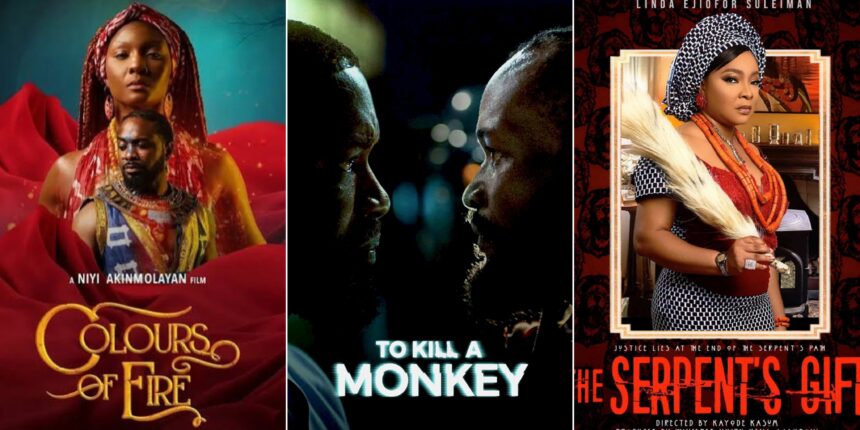
One of the most defining films of the night was Colours of Fire, which emerged as a strong presence across major creative categories. The film secured Best Lead Actor recognition through the performance of Uzor Arukwe, whose portrayal carried emotional weight that resonated strongly with both critics and viewers. The production also secured recognition for art direction and costume related categories, reflecting a visual consistency that elevated its storytelling. The film’s presence across multiple segments of the ceremony positioned it as a work that fused performance strength with aesthetic precision.
The narrative strength of Colours of Fire was rooted in its ability to balance emotional storytelling with visual identity, creating a viewing experience that felt both grounded and expansive. The chemistry across its cast contributed to a sense of cohesion that allowed individual performances to stand out without breaking the collective rhythm of the story. Its wins reflected not only individual brilliance but also a production culture that prioritised detail and intentional design. By the end of the ceremony, the film had established itself as one of the most structurally complete projects of the year.
My Father’s Shadow: Writing Depth Recognition


My Father’s Shadow emerged as one of the most critically respected films of AMVCA 2026, particularly through its recognition in writing and technical categories. The film secured Best Writing Movie through Wale Davies, a win that highlighted the increasing importance of narrative structure in contemporary Nollywood productions. Its sound and technical recognition further reinforced its identity as a film built on immersive storytelling rather than surface level appeal. The production demonstrated how writing can anchor a film even when other elements operate in subtle restraint.
The strength of My Father’s Shadow lay in its emotional architecture, where each scene contributed to a broader narrative rhythm that unfolded gradually. The film’s design allowed silence, dialogue, and sound to work together in shaping emotional progression. This approach distinguished it from more visually dominant competitors and placed it in a category of storytelling that relies heavily on internal tension rather than external spectacle. Its recognition across multiple categories suggested that Nollywood audiences are increasingly valuing narrative discipline as much as visual appeal.
To Kill a Monkey: Technical Precision Standard

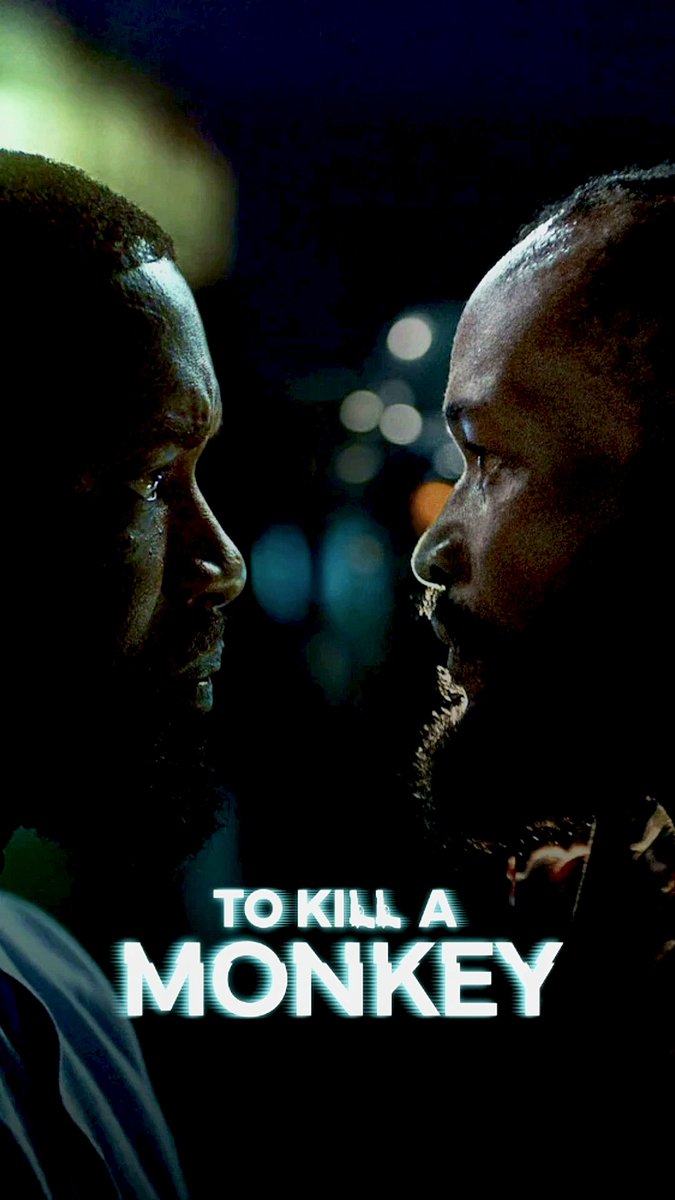
To Kill a Monkey positioned itself as the technical benchmark of the night, earning recognition in cinematography and supporting actor categories. The film’s visual composition reflected careful attention to framing, lighting, and atmospheric tension, creating a cinematic experience that felt controlled and deliberate. The cinematography award reinforced its reputation as a production that prioritised visual storytelling as a core narrative tool rather than an accessory element. Its technical wins highlighted a growing sophistication in how Nollywood films approach camera work and visual pacing.
The supporting performance of Bucci Franklin added emotional texture to the film, grounding its technical brilliance in human expression. His portrayal contributed to the emotional stability of the narrative, ensuring that technical precision did not overshadow character depth. The combination of strong visual design and grounded performance allowed the film to stand out in a competitive field. Its recognition suggested that technical excellence is becoming a decisive factor in award outcomes within the industry.
The Serpent’s Gift: Performance Control

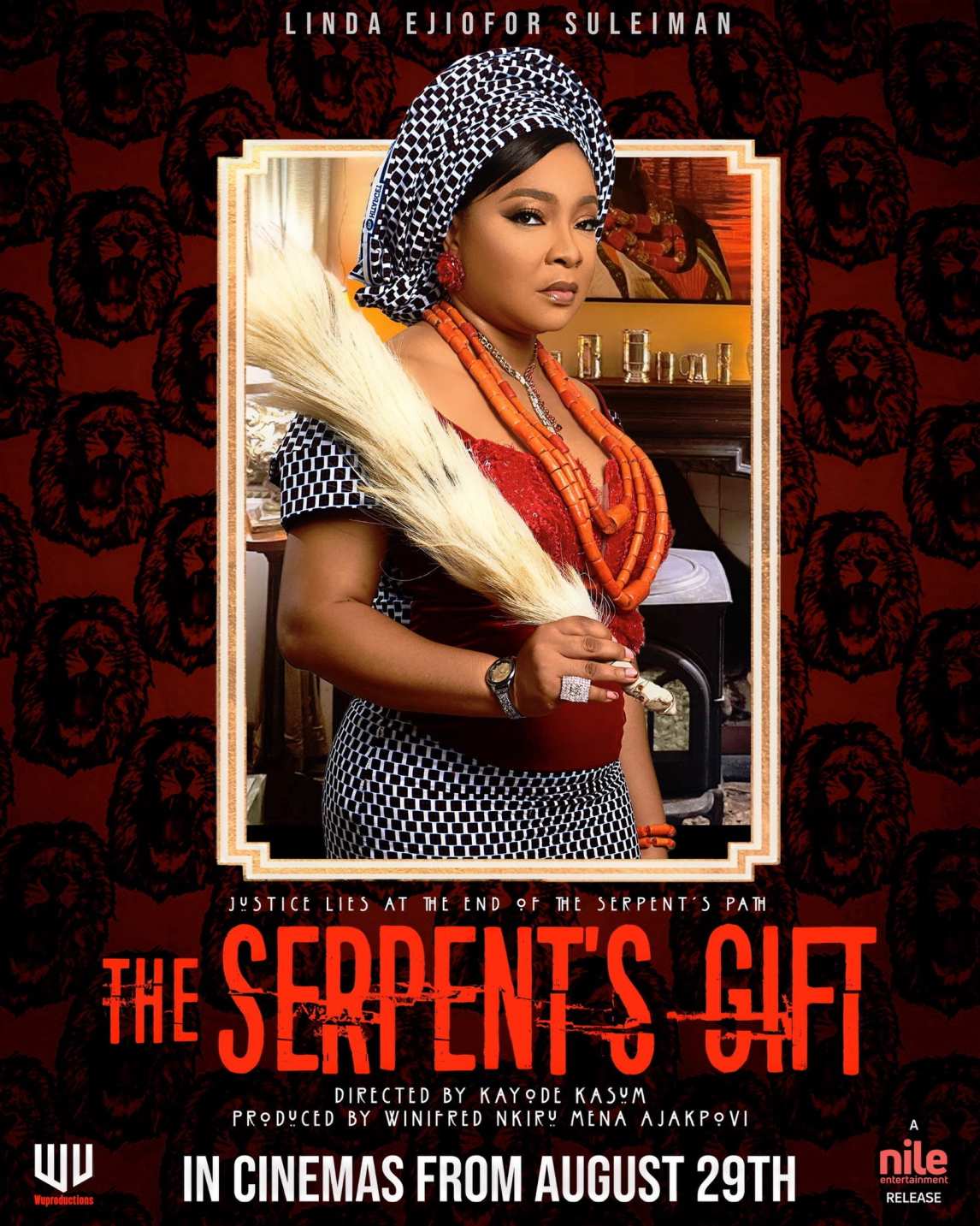
The Serpent’s Gift achieved its strongest recognition through the performance of Linda Ejiofor, who secured Best Lead Actress for a role defined by emotional control and narrative progression. Her performance was marked by restraint, allowing subtle emotional shifts to carry significant weight across the film’s development. The recognition reflected an appreciation for performances that rely on internal expression rather than overt dramatization. This approach positioned her win as one of the most technically disciplined acting achievements of the night.
The film itself operated within a framework that emphasized character transformation over external conflict. This allowed performances to develop gradually, giving space for emotional complexity to unfold naturally. The win reinforced the idea that Nollywood audiences and judges are increasingly valuing subtlety in performance as a marker of maturity in storytelling. The Serpent’s Gift therefore stood as an example of how controlled performance can achieve significant impact without reliance on dramatic excess.
Lisabi: Cultural Narrative Strength

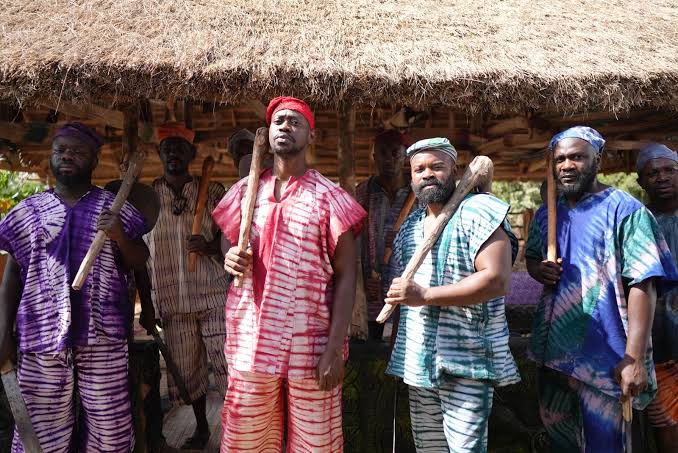
Lisabi A Legend Is Born secured its place in the indigenous language category, reflecting the continued strength of culturally rooted storytelling in Nollywood. The film’s recognition highlighted the importance of historical narrative and linguistic authenticity in shaping contemporary African cinema. Its win demonstrated that indigenous storytelling remains a powerful force when combined with strong production values and narrative clarity. The film’s cultural grounding allowed it to resonate deeply within its category.
The success of Lisabi also pointed toward a growing appreciation for stories that engage directly with heritage and identity. Its narrative structure relied on historical framing, allowing audiences to connect with themes that extend beyond entertainment into cultural memory. This recognition reinforced the idea that Nollywood’s future direction includes a stronger integration of local storytelling traditions within modern cinematic frameworks. The film’s win was both a celebration of culture and a statement about industry direction.
Acting Categories Competition Structure
The acting categories at AMVCA 2026 reflected a tightly contested field where established actors and rising performers competed within narrow margins. The win by Uzor Arukwe in the Best Lead Actor category marked a significant moment, particularly given the presence of veteran competitors. His performance was characterized by emotional intensity and controlled delivery, which allowed him to stand out in a competitive environment. The category itself reflected a shift toward rewarding emotional depth rather than popularity alone.
The recognition of Linda Ejiofor in the Best Lead Actress category further reinforced the importance of emotional precision in performance. Her win demonstrated that subtlety can carry equal weight to dramatic intensity when executed with consistency. Supporting categories, including Bucci Franklin’s recognition, contributed to a broader picture of performance diversity within the industry. Each win added a layer to the overall narrative of acting evolution within Nollywood.
Uche Montana, Rising Recognition Path

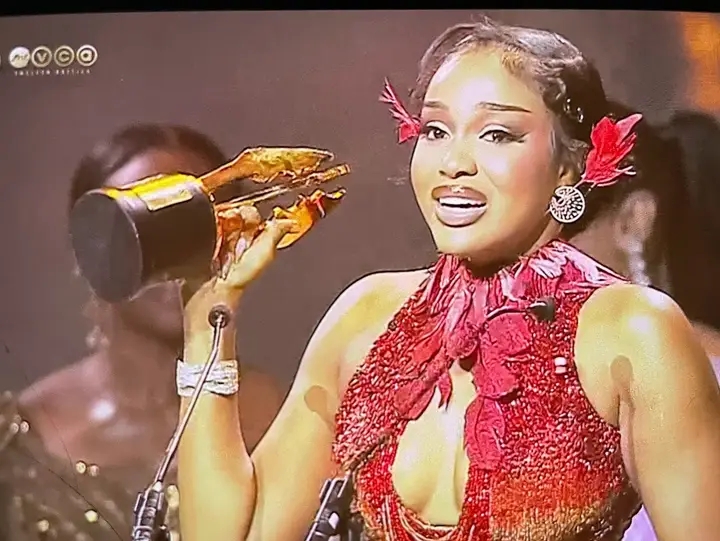
The Trailblazer Award presented to Uche Montana represented a recognition of emerging influence within Nollywood’s evolving structure. Her recognition reflected a growing emphasis on career trajectory and industry impact rather than single performance achievement. This award category continues to serve as an indicator of future industry direction, highlighting individuals who are shaping audience engagement and creative visibility. Her recognition placed her within a category of rising figures expected to shape future productions.
The significance of this award lies in its forward looking nature, which connects present recognition with future potential. It suggests that Nollywood is increasingly attentive to the development of long term creative influence rather than isolated success. This shift reflects a more structured understanding of career progression within the industry. The acknowledgment of rising talent signals a generational transition that is gradually unfolding within Nigerian cinema.
Industry Pattern Analysis
The overall structure of AMVCA 2026 revealed a distribution of awards that avoided concentration in a single production. This pattern suggested a more balanced industry landscape where multiple films contribute to overall excellence. The recognition of technical categories alongside performance driven awards indicated a dual emphasis on craft and emotion. This balance reflects a maturing industry that is expanding its definition of cinematic success.
The presence of strong indigenous storytelling alongside technically advanced productions suggests that Nollywood is operating within multiple creative directions simultaneously. This duality allows for both cultural preservation and technical innovation to coexist within the same awards framework. The outcome of the ceremony therefore reflects not only individual achievement but also structural evolution within the industry. The distribution of awards points toward a future where diversity of style and approach becomes central to recognition.
Final Direction Reflection
The AMVCA 2026 winners list ultimately presents a narrative of transition rather than consolidation. The recognition of films such as Colours of Fire, My Father’s Shadow, To Kill a Monkey, and Lisabi reveals a multi layered industry where success is no longer defined by a single formula. The performances of Uzor Arukwe, Linda Ejiofor, and Uche Montana collectively reflect a spectrum of achievement that spans experience, discipline, and emerging influence.
What emerges from this ceremony is a Nollywood that is increasingly self defining, where storytelling, technical craft, and cultural identity operate as equal pillars. The awards night did not simply distribute trophies but outlined a direction that suggests continued expansion of creative boundaries. The final impression is one of an industry in motion, where each win contributes to a larger evolving narrative that continues beyond the ceremony itself.