Political conversations in Lagos often move with a kind of visible confidence, yet beneath that surface there are moments when familiar names begin to appear in unexpected reports that shift the mood inside power circles. Around the Lagos State House of Assembly leadership crisis reported between 2023 and 2024, a chain of claims, suspicions, and internal checks began to form around lawmakers and political actors connected to the ruling structure. What started as routine disagreement over leadership direction inside the Assembly gradually expanded into a wider conversation that reached higher offices and triggered private concern at the very top of the political hierarchy.
At the center of this unfolding tension were names that already carried weight in national politics, including Femi Gbajabiamila, who had recently transitioned into a new federal role, and Desmond Elliot, a lawmaker whose background as an actor turned politician had long made him a public figure of interest. As reports circulated within political and security channels, questions began to form not around public statements alone, but around perceived alignment, loyalty, and influence during a sensitive leadership struggle inside the Lagos legislature.
The atmosphere at the time was not shaped by one single event but by overlapping narratives that moved quickly across informal briefings, political discussions, and intelligence interpretations, creating a situation where clarification became as important as action itself.
Lagos Assembly crisis climate
The Lagos State House of Assembly leadership situation that gained attention around mid 2023 into 2024 developed from internal disputes over authority, trust, and factional alignment within the legislative chamber. Reports at the time suggested that disagreements over speakership structure and committee influence created visible fractures among lawmakers, leading to a political environment where loyalty was constantly being interpreted and reinterpreted.
Public commentary and private discussions around this period often pointed to Mudashiru Obasa, whose leadership position had been central to the stability of the Assembly, while emerging tensions raised questions about possible impeachment interests and internal repositioning among certain political blocs. Although official proceedings remained within institutional boundaries, the surrounding political noise created a perception of instability that extended beyond the Assembly floor.

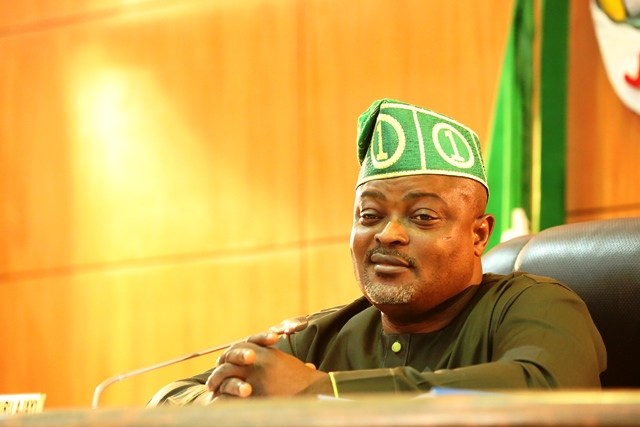
Within this climate, names of influential political figures outside the legislature began to surface in conversations, not necessarily as direct actors but as perceived influencers whose connections or affiliations might shape outcomes. It was this widening interpretation of influence that gradually pulled additional attention toward figures such as Desmond Elliot and eventually created pressure points for those connected to him within the broader political structure.
Gbajabiamila transition into federal role: June 2023 context
By June 2023, Femi Gbajabiamila had moved into his role as Chief of Staff to President Bola Ahmed Tinubu following his tenure as Speaker of the House of Representatives. This transition placed him at the center of executive coordination at a time when Lagos political developments still carried significant weight within national calculations. His position meant that any major political disturbance in Lagos, especially within the ruling party structure, would naturally attract attention at the highest levels of government.
The sensitivity of his office was not only administrative but also deeply political, as it required balancing federal responsibilities with an understanding of the political ecosystem that had produced the current administration. Lagos remained a core political base, and developments within its Assembly were often viewed through a lens of broader stability and internal cohesion.
During this period, reports linked to the Lagos Assembly leadership tension began circulating in political and security spaces, creating a situation where individuals connected to both federal and state networks found themselves under increased scrutiny. Gbajabiamila’s proximity to both legislative history and executive authority placed him in a position where even indirect association with unfolding controversies required careful explanation and constant clarification.
Emergence of Desmond Elliot mention within political reports
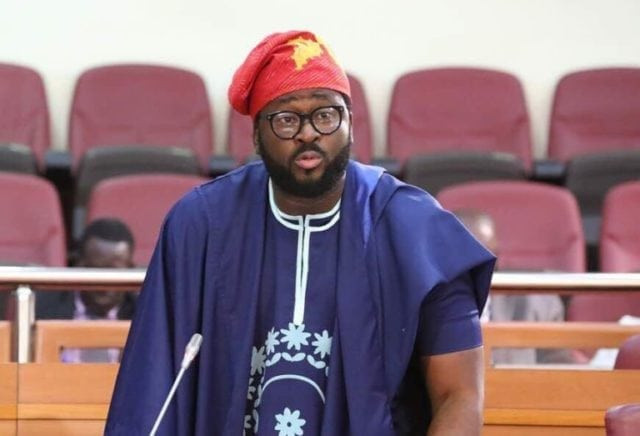
Desmond Elliot, representing Surulere constituency within the Lagos State House of Assembly, became a figure mentioned within circulating political narratives connected to the Assembly tension. The mention did not originate from formal indictment or verified institutional finding but from reports, interpretations, and political conversations that often accompany moments of legislative uncertainty.
As discussions around internal alignment and factional suspicion intensified, Elliot’s name reportedly appeared within broader conversations about possible involvement or association with certain political movements within the Assembly. These mentions, according to the narrative later shared by Gbajabiamila, were not backed by formal investigative conclusions but were strong enough to trigger attention within political monitoring channels.

The challenge at that stage was not only the accuracy of the claims but the speed at which such claims moved through political networks, often gaining weight simply through repetition. Within this environment, association became as influential as action, and perceived proximity to any faction could quickly become a matter of concern for senior political figures who were expected to maintain stability within the ruling structure.
Tinubu’s reported concern
According to the recent account at party meeting shared by Femi Gbajabiamila, President Bola Ahmed Tinubu reportedly reached out during the height of the tension to seek clarity regarding the emerging reports. The communication, as described, reflected concern about the circulation of names linked to the Lagos Assembly situation and the potential implications for political stability within the state structure.
The reported discussion focused on clarifying whether Desmond Elliot had any role in activities being associated with legislative instability. Gbajabiamila reportedly responded by defending Elliot’s position and distancing him from claims suggesting involvement in destabilizing efforts within the Assembly. The conversation, as narrated, was not framed as confrontation alone but as an urgent attempt to understand the accuracy of circulating reports before they escalated further.
Within political environments such as this, private calls often serve as early containment mechanisms, allowing leadership to separate rumor from verified information. The timing of this reported interaction added weight to the narrative, as it occurred during a period when political interpretation was rapidly shaping perception across multiple layers of governance.
Security reports circulation – DSS mention within narrative
As the Lagos Assembly tension continued to develop, Gbajabiamila later indicated that intelligence related materials and security briefings began circulating within relevant channels. These reports, according to his narration, contributed to expanding the scope of concern beyond legislative politics into national security interpretation frameworks.
The involvement of security institutions such as the Department of State Services was mentioned within the broader story as part of how political developments can sometimes escalate into monitored situations when names of senior political actors begin appearing in multiple reports. The presence of such institutions within the narrative did not indicate confirmation of wrongdoing but reflected the level of seriousness with which political stability issues are treated at federal level.
At this stage, the concern reportedly extended beyond individual actions and began focusing on potential alignment patterns, influence channels, and perceived coordination among political actors. This widened interpretation often creates pressure even in the absence of formal allegations, as it places individuals within a framework of scrutiny that requires continuous clarification.
Gbajabiamila’s defense: clarification of association

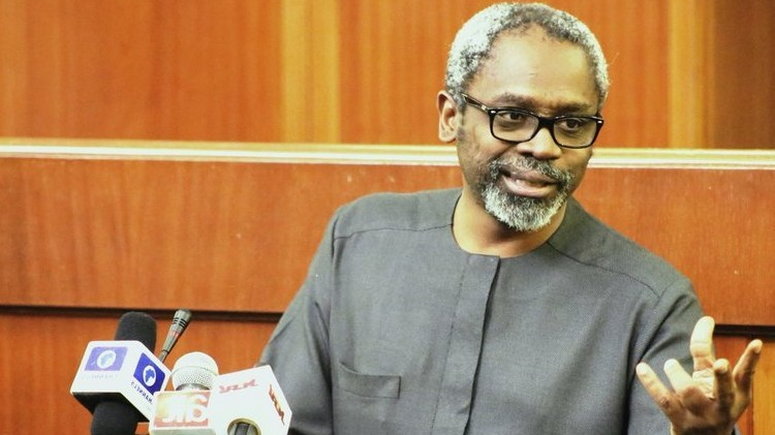
Faced with growing interpretations around the situation, Gbajabiamila reportedly took a firm position in defending Desmond Elliot’s role and distancing him from claims of involvement in destabilization narratives. His explanation, as presented in the account, emphasized that Elliot was not part of any coordinated effort to disrupt legislative order within the Lagos Assembly.
He also reportedly encouraged clearer public positioning to prevent misunderstanding from escalating further. However, the absence of a strong public denial at the time, as he suggested, contributed to lingering suspicion within political circles. In environments where silence is often interpreted as ambiguity, lack of immediate clarification can sometimes intensify perception rather than reduce it.
This stage of the story highlights a recurring pattern within political crises, where communication speed becomes as important as factual accuracy. The delay or absence of public correction can allow narratives to evolve independently of original context, creating pressure that extends beyond the initial issue.
Rising political pressure – implication concern on Gbajabiamila
One of the most sensitive dimensions of the entire situation, according to the narrative, was not only the mention of Desmond Elliot but the indirect implication that Femi Gbajabiamila himself might have been politically aligned with certain legislative movements in Lagos. This perceived association created a deeper layer of concern because it touched on his credibility within the executive structure.
As Chief of Staff, his role required absolute trust and coordination at the highest level of government, meaning any suggestion of involvement in state level factional politics could have significant implications. The idea that he might be connected to internal Assembly positioning raised questions that extended beyond Lagos into federal confidence structures.
This was the point where the tension reportedly intensified, as political perception began to intersect with institutional trust. In such situations, even unverified association can generate enough concern to require direct clarification, internal review, and political reassurance from leadership.
Survival of political position
Despite the pressure described during the period, Gbajabiamila maintained that his longstanding relationship with President Tinubu played a key role in stabilizing his position within the administration. Trust built over years of political collaboration reportedly served as a buffer against the escalation of suspicion into formal consequence.
Within high level political environments, personal trust often functions as a stabilizing mechanism during moments of uncertainty. The ability to directly clarify issues, provide context, and rely on established credibility can determine whether a situation escalates into disciplinary action or is resolved through explanation and internal understanding.
His continued presence in the role reflected not only institutional confidence but also the resolution of immediate concerns that had emerged during the Lagos Assembly tension period. However, the experience itself highlighted how quickly political narratives can develop and how easily senior figures can find themselves drawn into situations originating from broader legislative disputes.
Confirmed facts versus political claims
Confirmed elements within this narrative include the public acknowledgment by Femi Gbajabiamila that he discussed aspects of the Lagos Assembly tension and that he referenced conversations involving President Tinubu. It is also consistent with public knowledge that the Lagos Assembly experienced internal leadership tension during the period around 2023 into 2024.
However, claims regarding Desmond Elliot’s involvement remain unverified within formal institutional records and are presented within political narration rather than judicial or investigative confirmation. No official indictment or publicly released investigative conclusion has established wrongdoing connected to the allegations referenced in the story.
This distinction is important because political environments often generate layered narratives where interpretation and fact coexist without always aligning. The absence of formal confirmation does not eliminate political impact, but it does separate perception from established legal or institutional determination.
Wider political meaning
Beyond the individuals involved, the entire episode reflects the sensitivity of Lagos political structure within national governance. As a central political base for the ruling administration, developments in Lagos often carry implications that extend far beyond state boundaries, influencing perception at federal level.
The story also illustrates how quickly internal legislative disagreements can evolve into broader political narratives involving senior figures, security interpretation, and executive attention. In such environments, communication, timing, and perception management become essential tools for maintaining stability.
It further highlights the delicate balance faced by political actors who operate between legislative history and executive responsibility, especially when past affiliations intersect with current administrative roles.
Closing reflection on political perception cycle
Political environments rarely move in straight lines, especially when leadership structures, legislative bodies, and influential personalities intersect within the same ecosystem. The Lagos Assembly tension period demonstrates how quickly interpretation can expand beyond original context, drawing multiple figures into a shared narrative shaped by reports, concerns, and political caution.
What remains clear is that perception often travels faster than confirmation, and within that gap lies the space where reputations are tested and clarified. The account shared by Gbajabiamila adds a personal layer to a broader political moment, showing how even senior figures can find themselves responding to narratives that develop far from their direct control.
As Lagos continues to function as a central political hub, moments like this remain reminders of how fragile interpretation can become when leadership, influence, and suspicion converge within a highly connected political environment.