The buildup toward the 2027 general elections inside the All Progressives Congress has quietly turned into one of the most closely watched political movements across several constituencies, especially where familiar public figures have stepped into the same contest as long standing party operators. What began as routine party primaries across states like Edo and Imo has now grown into conversations that extend beyond political circles into entertainment spaces, social media debates, and local community discussions. Two names in particular have shaped recent attention, Prince Henry Odianosen Okojie, husband to Actress Mercy Johnson, representing Edo State politics with steady incumbency influence, and Pascal Okechukwu popularly known as Cubana Chief Priest, whose entry into formal politics under APC created immediate national curiosity.
Across both stories, what stands out is not just the outcome of the primaries but the structure behind them, the relationships within the party, the expectations of constituents, and the realities that define political survival in a system where recognition alone does not guarantee a ticket. As the primaries unfolded between late 2025 and into the early phase of 2026 internal party scheduling, the results began to draw a clearer picture of how APC intends to position its candidates ahead of 2027. The contrast between continuity and new entry has become the silent thread connecting both cases, and the details reveal more than simple victory or defeat.
Political Temperature Inside APC Primaries – Edo State Context
Edo State has remained a strong battleground for political alignment within the APC structure, especially in federal constituency representation. As of the latest internal party activities reported around May 2026, party loyalists and delegates were already engaged in strategic meetings that shaped candidate selection. Within this environment, Prince Henry Odianosen Okojie, who represents Esan North East Esan South East Federal Constituency in the House of Representatives, maintained a strong presence backed by established political networks and constituency engagement built over time.
His participation in the APC primary election reflected more of a consolidation effort than an experimental contest. Delegates within the constituency had already been familiar with his legislative activities, community visits, and representation style, which became a major factor during internal voting processes. While political contests often appear unpredictable from the outside, party insiders in Edo State consistently pointed toward structural continuity as a decisive factor shaping the outcome.
The primary election itself followed APC internal guidelines, with accredited delegates casting votes under monitored party supervision. Although the exact voting figures were not publicly released in full detail, the result was declared within the party framework, confirming his return as the flagbearer for the constituency ahead of the 2027 general election cycle.
Victory Declaration: Party Alignment Edo Federal Constituency
Following the announcement of results, Prince Okojie publicly expressed appreciation to party leadership and supporters, highlighting gratitude toward Governor Monday Okpebholo and key APC stakeholders in Edo State. His message reflected a tone of consolidation rather than celebration, signaling awareness of the broader responsibility that comes with repeated nomination.
The confirmation of his victory positioned him once again as the official APC candidate for Esan North East Esan South East Federal Constituency. Within party structure, this means he will proceed to the general election phase with the backing of APC machinery, constituency recognition, and established political alliances. The significance of this outcome lies not just in winning the primary but in sustaining trust within the party system, which often determines long term political survival in legislative roles.

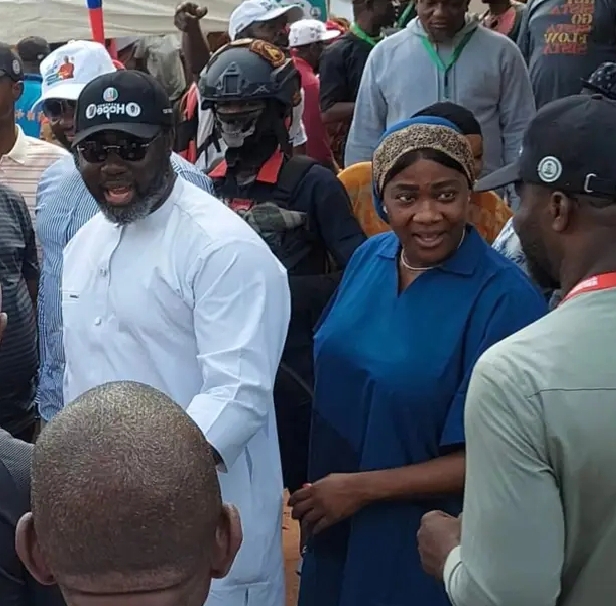
For constituents, the result also signals continuity in representation, meaning ongoing projects, legislative priorities, and constituency engagement patterns are expected to proceed under familiar leadership heading into 2027.
Emergence of Cubana Chief Priest’s Political Entry in Imo State
The political journey of Pascal Okechukwu, widely known as Cubana Chief Priest, introduced a different dynamic entirely within Imo State APC primaries. Unlike traditional politicians who climb party structures over years, his entry came with strong public attention, driven by his background in entertainment, business influence, and social visibility.
His decision to contest for the House of Representatives seat for Orsu Orlu Oru East Federal Constituency under APC marked a transition from public influence to formal political ambition. Party members and observers noted his early steps, including acquisition of nomination forms and engagement with local stakeholders across the constituency. These activities took place within the broader APC primaries preparation period leading up to the 2027 election cycle, particularly active through late 2025 into 2026 party timelines.
Despite the attention surrounding his entry, the internal structure of the constituency politics presented a different reality. APC in Imo State operates with deeply rooted political figures who have long standing relationships with delegates and ward leaders. This structure often shapes outcomes more strongly than external popularity.
Contest Dynamics – Orsu Orlu Oru East Federal Constituency
Within Orsu Orlu Oru East Federal Constituency, the APC primary contest featured established political actors with significant grassroots connections. Campaign activities were characterized by consultations, delegate outreach, and alignment discussions that took place across wards within the constituency.
Cubana Chief Priest participated actively in these engagements, attempting to build momentum through visibility and personal outreach. However, party dynamics revealed a competitive environment where internal loyalty networks and prior political participation played a decisive role. Delegates ultimately leaned toward continuity within established party structures, leading to a result that reflected the existing political balance within the constituency.
The outcome of the primary election confirmed Canice Moore Nwachukwu as the party backed candidate for the constituency, marking a clear decision by APC delegates in Imo State. This result officially ended Cubana Chief Priest’s first attempt at securing a legislative ticket under APC for the 2027 general elections.
Primary Election Result Announcement: Imo State APC Structure
Following the conclusion of voting, results were collated under APC supervision and announced in line with internal electoral guidelines. Cubana Chief Priest was not successful in securing the party ticket, a result that immediately became a subject of public discussion due to his popularity outside politics.
The announcement reinforced a consistent pattern within Nigerian party politics, where internal structure and delegate relationships remain critical determinants of success. While public recognition can influence visibility, it does not automatically translate into delegate support during primaries.
His loss represented an important moment in his political journey, marking the transition from initial entry excitement to the realities of electoral competition. For APC in Imo State, the result also reaffirmed existing internal leadership structures and delegate preferences ahead of the 2027 general elections.
Cubana Chief Priest’s Reaction Sparks Debate Across Political Circles
Shortly after the APC primary results emerged from Orsu Orlu Oru East Federal Constituency in Imo State, Pascal Okechukwu, popularly known as Cubana Chief Priest, finally reacted to the outcome in a manner that immediately stirred conversations online. Rather than completely hiding his disappointment, the celebrity businessman admitted that the experience exposed him to the harsh realities of grassroots politics, especially within established party structures. His reaction came after reports confirmed that he failed to secure the APC House of Representatives ticket ahead of the 2027 general elections.
During a viral video that circulated on Sunday, May 17, 2026, Cubana Chief Priest revealed that his biggest regret was trusting certain elders within his community despite the support he claimed to have given throughout his consultations and political outreach. He maintained that he did not regret stepping into politics, describing himself as a hustler who was willing to take risks regardless of the outcome. His emotional remarks quickly gained attention because they painted a picture of frustration, disappointment, and political awakening all at once.


Another layer of controversy later surfaced when fresh statements linked to his camp suggested that he had actually withdrawn from the race before the primary election took place due to APC’s zoning arrangement within the constituency. According to those claims, consultations within the party allegedly influenced his decision not to proceed fully with participation during the final voting stage. Despite those clarifications, conversations surrounding the reported 14 votes continued to dominate online reactions, with many Nigerians debating whether celebrity influence can truly survive the intense realities of internal party politics.
The reaction also triggered responses from political supporters and allies across social media. Seyi Tinubu publicly encouraged him after the loss, urging him not to lose focus despite the setback. Cubana Chief Priest later reposted the message, signaling that although the primary outcome ended his immediate ambition for the APC ticket, his relationship with the party structure and support for President Bola Tinubu’s political movement remained intact.
Contrasting Outcomes – Two Political Pathways
The outcomes of both primaries present a clear contrast between continuity based political participation and first time political entry under a major party structure. Prince Henry Odianosen Okojie secured his party ticket through established representation within Edo State, reflecting sustained alignment with APC leadership and constituency expectations.
Cubana Chief Priest, despite significant public attention and social influence, faced a more rigid internal structure in Imo State politics that ultimately shaped his defeat at the primary stage. The difference between both outcomes highlights how political capital functions differently depending on whether it is built within party systems or outside them.
This contrast also reflects broader patterns in Nigerian politics where incumbency and grassroots structures often outweigh external popularity when it comes to delegate voting decisions.
Delegate Influence: Party Structure Realities
APC primaries across both states demonstrated the strong influence of delegates as decision makers within the party system. Delegates often represent ward based interests, local political agreements, and long standing loyalty networks that shape voting outcomes during primaries.
In Edo State, Prince Okojie benefited from sustained constituency engagement and established political relationships that translated into delegate confidence. In Imo State, Cubana Chief Priest encountered a system where delegate loyalty to existing political figures played a more dominant role than external recognition.
These dynamics underscore the importance of internal party navigation for anyone seeking elective office under APC. The primaries revealed that success depends heavily on long term integration into party structures rather than short term campaign visibility alone.
2027 Election Cycle Positioning Within APC
As APC continues preparations toward the 2027 general elections, the outcomes of these primaries contribute to a broader strategy of candidate positioning across federal constituencies. The party appears to be consolidating experienced representatives in certain areas while maintaining internal stability in competitive regions.
Prince Okojie’s emergence as flagbearer reinforces APC’s preference for continuity in Edo State constituencies, while the outcome in Imo State reflects internal consolidation around established party figures. These decisions collectively shape the party’s legislative lineup heading into the next election cycle.
The 2027 race will therefore not only be about opposition competition but also about internal party strength, candidate recognition, and constituency alignment across different states.
Closing Perspective: Political Reality Check
The APC primaries for the 2027 House of Representatives race have delivered outcomes that reflect more than individual ambition. They highlight the structure of Nigerian party politics, where internal relationships, delegate influence, and constituency integration remain central to success.
Prince Henry Odianosen Okojie’s return as APC flagbearer in Edo State reinforces the power of continuity in legislative representation, while Cubana Chief Priest’s defeat in Imo State demonstrates the challenge of translating public popularity into political delegate support.
As the 2027 general elections approach, both outcomes now sit within a larger narrative of political positioning, party consolidation, and evolving electoral strategy within APC. The primaries have spoken in different tones across constituencies, but together they point toward a single reality, political success within party structures demands more than visibility, it demands deep rooted alignment with the system that decides who moves forward.