Across several regions of Nigeria, a quiet but persistent shift is unfolding within the relationship between state institutions and hereditary leadership structures. What once appeared as clearly separated spheres of influence is now increasingly overlapping, with government authorities stepping into spaces historically governed by tradition, lineage, and long established cultural authority. The result is a growing pattern of interventions that reach into palaces, councils, and succession systems that were once considered beyond formal state interference.
Recent developments across different states reveal a consistent rhythm of decisions that touch the heart of traditional authority. Suspensions, cancellations, regulatory directives, and security driven interventions are no longer isolated events but part of a wider structural adjustment. Communities are witnessing moments where royal leadership is not just symbolic but actively examined through legal, administrative, and security lenses by state governments seeking order at the grassroots level.
Rise of Traditional Authority Disputes
Traditional authority in Nigeria has long functioned as a stabilizing force within local governance, especially in rural and semi urban communities where cultural legitimacy carries deep influence. However, across multiple states, disputes tied to leadership succession, community conflict, and administrative disagreements have intensified. These tensions often emerge when internal royal systems intersect with modern governance expectations that demand accountability, documentation, and regulatory compliance.
Several communities have recently experienced internal disagreements that escalated beyond palace walls into broader governance concerns. These disputes are no longer treated as purely cultural matters, as state institutions now view them through the lens of public order and security stability. The shift reflects a changing reality where hereditary authority is expected to align with administrative frameworks that did not historically define its operation.
State Intervention Mechanisms
State governments have increasingly adopted structured intervention mechanisms that allow them to respond to crises involving traditional rulers. These interventions range from suspension of monarchs to cancellation of succession processes and enforcement of regulatory compliance. The legal basis often draws from state chieftaincy laws, executive orders, and security advisory frameworks that position traditional institutions as part of broader governance systems.
The emergence of these mechanisms reflects a growing expectation that traditional rulers must function not only as cultural custodians but also as active participants in maintaining peace within their domains. This expectation has expanded their responsibilities into areas such as conflict prevention, community monitoring, and in some cases oversight of local economic activities. As a result, traditional authority is increasingly being integrated into the administrative structure of the state.
Gombe Security Flashpoint
A significant example of this evolving relationship occurred in Gombe State in 2025 within Funakaye Local Government Area. Following a violent farmer herder clash that resulted in at least two deaths, including a police officer in some reports and a village head’s son, the state security council took decisive action. The council chaired by Governor Muhammadu Inuwa Yahaya suspended both a district head and a village head linked to the affected community.

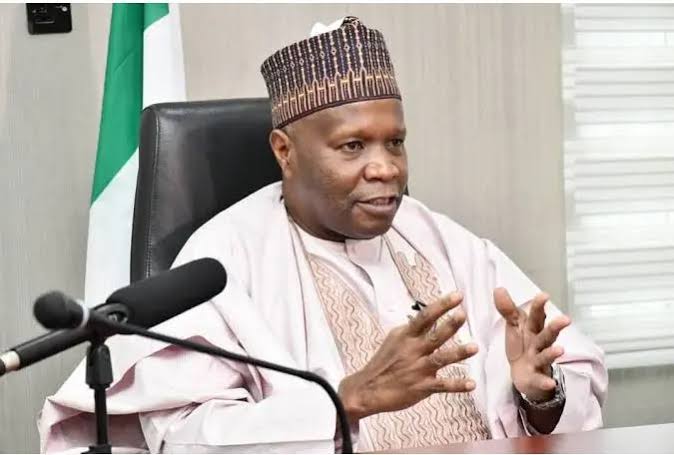
The decision was justified on the basis that local leadership structures failed to intervene early enough to prevent escalation. Authorities emphasized that traditional rulers occupy a critical position as first responders within grassroots governance systems. Their suspension reflected a broader interpretation of responsibility where failure to manage early warning signs of conflict can lead to administrative consequences.
This case highlighted a significant shift in expectations placed on hereditary leaders. Their roles are no longer confined to ceremonial leadership but now extend into proactive security engagement. The intervention also underscored the authority of state governments to restructure local leadership when community stability is perceived to be at risk.
Edo Leadership Removal Cycle


Edo State also witnessed a major intervention in 2025 under the administration of Governor Monday Okpebholo. Two traditional rulers, Bamidele Obaitan of Ososo Kingdom and Zaiki Luckman Odamah III of Ikpeshi Egbegere Clan, were removed from their positions following community leadership disputes. The government cited the need to restore peace and address breakdowns in traditional leadership order.
The action included the installation of a regent for one affected community and the initiation of a fresh selection process in another. This decision effectively reset the succession framework under direct state supervision. It demonstrated the extent to which state governments can intervene not only in leadership performance but also in the foundational process of selecting traditional rulers.


The implications of this case still extend beyond individual leadership changes. It illustrates how state authority can restructure hereditary systems when internal disputes threaten community stability. It also reinforces the idea that legitimacy in traditional leadership now requires continuous recognition by government institutions.
Abia Council Discipline Action

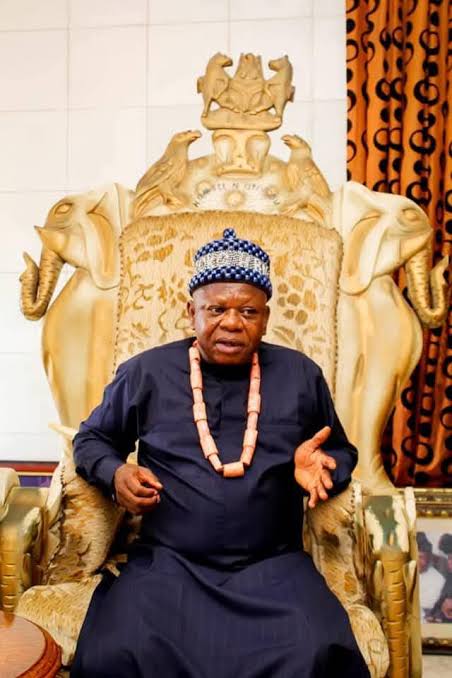
A separate but equally significant development occurred in Abia State in 2025 involving HRH Eze Nnamdi Ofoegbu of Umudiawa Autonomous Community in Umuahia North Local Government Area. The Abia State Council of Traditional Rulers suspended him for six months over allegations of insubordination and the creation of parallel traditional structures.
The council led by Eze Sir Linus Nto Mbah stated that the monarch violated established directives by engaging in activities linked to the South East Progressive Traditional Rulers Forum. Authorities argued that such actions undermined the unity and regulatory framework of the state recognized traditional institution.
The suspended monarch rejected the decision, describing it as lacking proper procedural fairness. He argued that his suspension was not valid and questioned the process that led to the decision. This disagreement exposed the tension between internal disciplinary structures and the expectations of due process within traditional governance systems.
Ogun Succession Breakdown Awujale Crisis

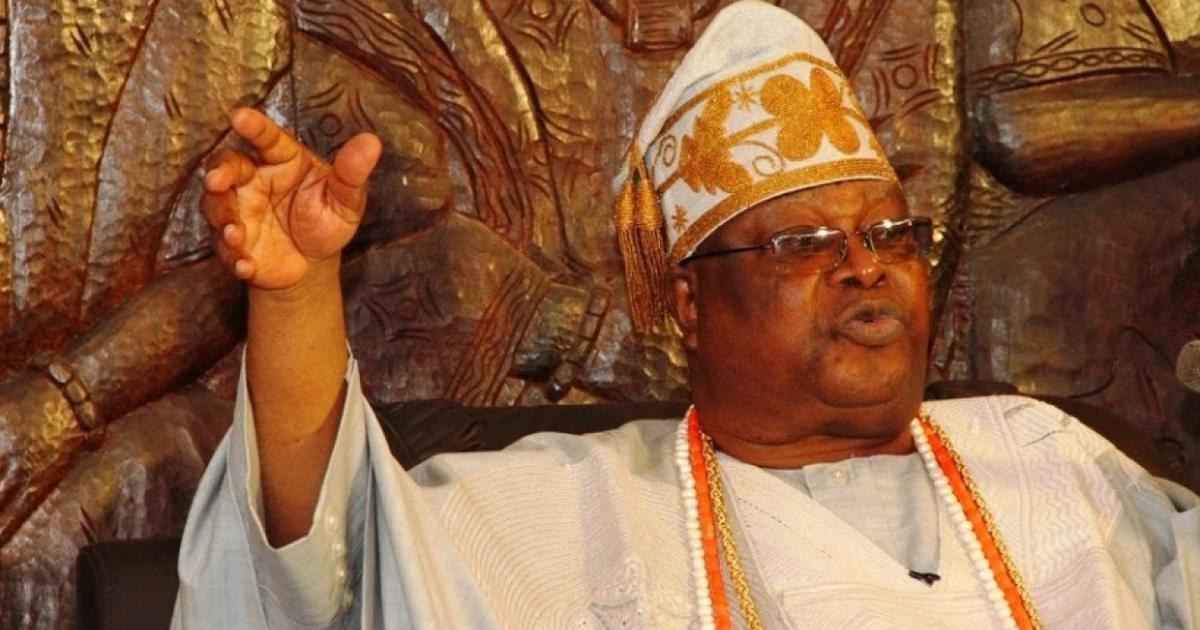
Ogun State experienced one of the most complex succession developments following the death of Oba Sikiru Adetona in July 2025 after a reign that lasted 65 years. The transition process for selecting the new Awujale of Ijebuland became contested when the state government intervened and cancelled the ongoing selection exercise.
The government led by Governor Dapo Abiodun ordered a restart of the entire process, citing procedural breaches under the Ogun State Obas and Chiefs Law 2021 and the 1957 Awujale chieftaincy declaration. Officials also referenced security concerns and multiple petitions received from stakeholders.
The intervention affected a large pool of aspirants reportedly numbering between 60 and 90 princes. The process was halted before final submission to kingmakers, and additional requirements including security vetting were introduced. The Ministry of Chieftaincy Affairs and local government authorities were instructed to oversee compliance.

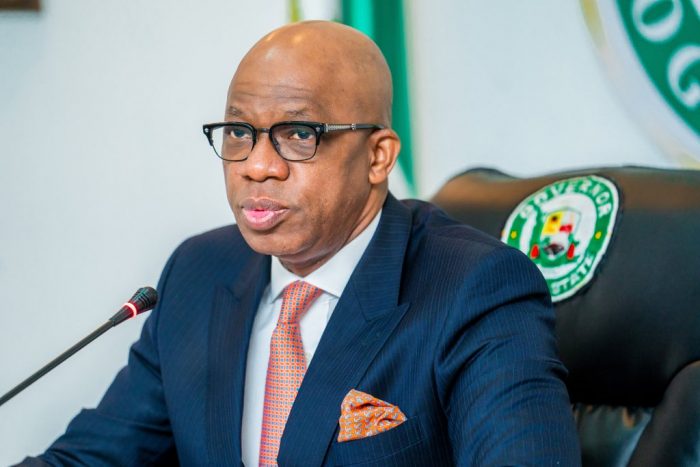
This case demonstrated the depth of state involvement in succession matters. It also showed how legal frameworks now serve as the foundation for determining legitimacy in traditional leadership transitions.
Oyo Resource Regulation Case


Oyo State recorded a different type of intervention in 2026 involving Chief Jacob Adefabi Sobaloju, the Sobaloju of Ofiki in Atisbo Local Government Area. The state government suspended him indefinitely over allegations related to illegal mining activities and unauthorized issuance of consent letters to mining companies.
The suspension was carried out under the enforcement framework of Executive Order 001 of 2023. Authorities stated that the action was necessary to protect public interest, preserve forest reserves, and ensure integrity during an ongoing investigation.
This case expanded the scope of traditional authority accountability into economic regulation. It highlighted how monarchs are now expected to exercise caution in matters involving natural resources and land use. The decision reflected a broader governance approach where traditional rulers are integrated into environmental and economic oversight systems.
Benue Title Control Framework
Benue State witnessed a significant governance development involving the Idoma Area Traditional Council in 2025. The council suspended all conferment of chieftaincy titles across Idoma land, effectively centralizing authority under the paramount ruler structure led by HRM Agaba Idu Dr Elaigwu Odogbo John, the Och Idoma the Fifth.


The decision was taken due to concerns about indiscriminate issuance of titles and bypassing of established approval processes. The council referenced the Benue State Chieftaincy Law of 2016 as amended in 2023 as the legal foundation for its action.
Following the suspension, previously issued titles were also nullified, reinforcing the authority of centralized traditional governance structures. This action demonstrated how internal traditional institutions are increasingly enforcing statutory compliance within their own systems.
Kano Emirate Dual Authority Pressure
Kano State experienced a unique situation involving dual emirate claims following the reinstatement of Muhammadu Sanusi the Second and the continued influence of Aminu Ado Bayero. The rivalry created parallel authority structures that affected cultural and religious events including the Eid el Kabir Durbar in 2026.


The Kano State Police Command suspended the Durbar celebrations due to security concerns over potential clashes between supporters of both factions. The decision was based on intelligence suggesting that simultaneous processions could trigger unrest.
This case highlighted how security institutions now play a decisive role in regulating traditional cultural events. It also illustrated how disputes within hereditary systems can escalate into broader public order challenges requiring state intervention.
Systemic Pattern Across Nigeria
Across multiple states including Gombe, Edo, Abia, Ogun, Oyo, Benue, and Kano, a consistent pattern emerges. Traditional authority is increasingly being integrated into state governance structures through legal, administrative, and security based interventions. These interventions are not isolated but reflect a systemic shift in how hereditary leadership is perceived within modern governance.
The role of traditional rulers is expanding beyond cultural symbolism into areas of conflict management, resource oversight, and community regulation. At the same time, their autonomy is being reshaped by statutory laws and executive authority that define the limits of their influence.
Legal Ambiguity State Control
A major feature of this evolving relationship is the legal ambiguity surrounding traditional authority. While hereditary systems derive legitimacy from culture and lineage, state governments rely on statutory frameworks to regulate their operations. This dual system creates overlapping jurisdictions that often lead to conflict or administrative intervention.
Chieftaincy laws, executive orders, and security directives now form part of the operational environment within which traditional rulers function. This has redefined the boundaries of authority, placing hereditary leadership within a structured governance framework that requires compliance with state established rules.
Human Cost Community Stability
Across communities affected by these interventions, the human dimension remains significant. Leadership changes, suspensions, and succession disputes often impact local stability, trust, and community identity. Residents frequently experience periods of uncertainty as governance structures are adjusted or redefined.
The role of traditional rulers as symbols of continuity means that any disruption within their leadership systems carries social implications. Communities depend on these structures not only for cultural identity but also for conflict resolution and local coordination.
Closing Reflection
The evolving relationship between state governments and hereditary authority in Nigeria reflects a broader transformation within governance systems. Traditional leadership is no longer operating in isolation but within a regulated framework shaped by law, security considerations, and administrative oversight. Each intervention, whether in Gombe, Edo, Abia, Ogun, Oyo, Benue, or Kano, contributes to a growing redefinition of authority at the grassroots level.
What emerges is a structured yet complex system where tradition and modern governance intersect continuously. The balance between cultural legitimacy and statutory authority continues to evolve, shaping how communities are led and how stability is maintained across diverse regions.