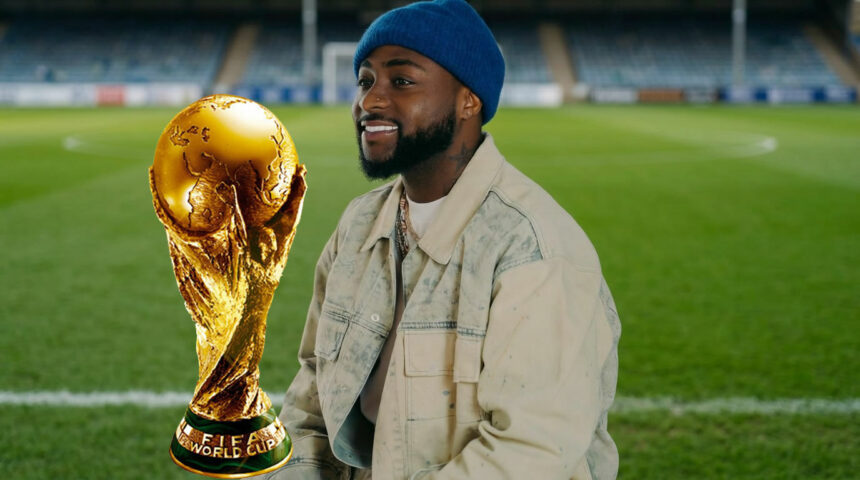
A global sporting calendar rarely builds momentum in silence when the stakes involve music, culture, broadcast spectacle, football identity, global branding, and a worldwide audience that stretches across continents. As preparations intensify for the arrival of the FIFA World Cup 2026, attention has steadily shifted beyond stadiums and into the entertainment blueprint that will frame how the tournament is experienced before the first whistle is blown. What is emerging is not a simple lineup of performances but a carefully structured cultural rollout that blends sound, rhythm, and global celebrity presence into the tournament identity.
At the center of this unfolding narrative sits a growing list of Nigerian artists whose names now appear within the entertainment direction linked to FIFA’s broader music strategy. These inclusions are not positioned as casual appearances but as part of a coordinated global entertainment plan tied to countdown programming, official soundtrack development, and ceremony stage design. The presence of Afrobeats voices inside this framework signals a deeper shift in how global football events are choosing to represent contemporary sound.
As the calendar moves closer to June 10 2026, anticipation builds around how music will intersect with the World Cup experience across multiple cities. What makes this development particularly notable is the way Nigerian artists have been positioned within different layers of the entertainment structure, from global album placements to live stage performances connected to the countdown system. Each placement reflects a different function within the wider entertainment architecture that FIFA has assembled.
This story unfolds across multiple phases of planning, artist selection, and global coordination, each connected to a larger vision of how football culture now extends into music dominance. The names attached to this plan carry both symbolic weight and commercial influence, shaping expectations for how the World Cup will sound even before it begins.
Global Entertainment Direction Framework
The entertainment strategy surrounding the 2026 World Cup has been designed as a multi layer global rollout led by FIFA in partnership with international music industry collaborators. Rather than relying solely on traditional opening ceremonies, the structure now incorporates a continuous build up phase that stretches across months leading into the tournament. This approach integrates live concerts, synchronized broadcasts, and soundtrack releases into a unified entertainment identity.
Central to this framework is the idea that football no longer exists in isolation from global pop culture. Music becomes a parallel language that carries the emotional tone of the tournament across different audiences. By embedding artists from diverse regions into official programming, the World Cup expands its cultural footprint beyond sport and into mainstream global entertainment storytelling.
The inclusion of Nigerian artists reflects this strategy clearly, as Afrobeats continues to dominate international streaming platforms and stadium playlists. Their presence is not positioned as regional representation alone but as part of a global sound identity that FIFA is actively shaping. This alignment connects music consumption trends with football viewership engagement on a massive scale.
The entertainment framework also prioritizes synchronized experiences, where multiple cities participate in connected events happening within the same global broadcast window. This ensures that audiences across continents experience the same cultural moment simultaneously, reinforcing the idea of a unified global celebration.
Countdown Concert Structure System
The Countdown Concert system scheduled for June 10 2026 represents one of the most ambitious entertainment rollouts connected to the World Cup buildup. Designed as a synchronized global broadcast, it spans multiple host cities including the United States, Canada, and Mexico. Each location contributes a distinct musical segment that feeds into a unified live presentation.
Rather than functioning as separate concerts, the structure operates as a linked performance network. Artists perform in different cities while audiences experience the entire system as a single global event through broadcast integration. This approach transforms the concert into a shared international stage rather than isolated local shows.
The Los Angeles segment features strong Afrobeats representation, positioning Nigerian artists within one of the most visible broadcast locations. Toronto and Mexico City segments expand the cultural diversity of the event, ensuring that multiple musical traditions are represented within the same global frame. The coordination reflects a deliberate attempt to merge regional identities into a single entertainment experience.
This structure also connects directly to the official World Cup soundtrack rollout, meaning performances are not standalone moments but part of a larger music release strategy tied to the tournament branding cycle.
Nigerian Representation Overview
Nigerian artists occupy a central position within the entertainment architecture surrounding the World Cup 2026 music plan. Their involvement spans live performances, official soundtrack contributions, and global collaboration tracks that extend across multiple genres and regions. This presence highlights the continued global expansion of Afrobeats as a dominant cultural export.
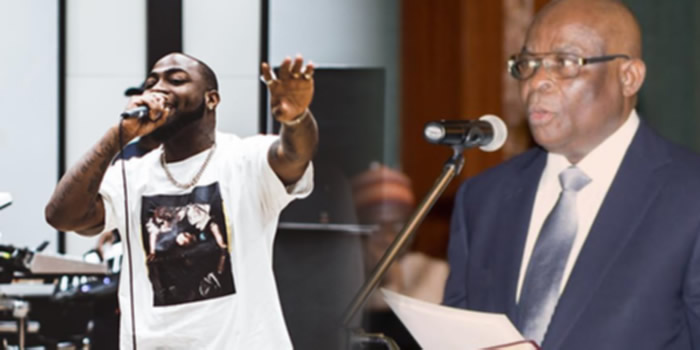
The names associated with this plan include Davido, Rema, Burna Boy, and Ayra Starr. Each artist occupies a distinct role within the entertainment structure, reflecting different levels of contribution ranging from live performance appearances to official soundtrack features.
Their inclusion reflects a broader recognition of Nigerian music influence on global youth culture. Streaming data, stadium adoption of Afrobeats tracks, and international collaboration frequency have all contributed to this positioning. The entertainment plan does not treat these artists as peripheral contributors but as core elements of the global music strategy connected to the tournament.
This representation also aligns with FIFA’s long term effort to modernize its cultural outreach, ensuring that the World Cup soundtrack reflects current global listening trends rather than traditional regional boundaries.
Davido Global Stage Position


The involvement of Davido within the World Cup 2026 entertainment plan reflects a major placement within the Los Angeles Countdown Concert segment scheduled for June 10 2026. His performance forms part of the synchronized global broadcast system that connects multiple cities during the same live event window.
Within this structure, Davido performs alongside international collaborators within the United States segment, reinforcing his role as a bridge between African music influence and global pop production systems. His inclusion in this segment highlights the recognition of his widespread international audience reach.
Beyond the live performance system, Davido also appears on the official World Cup soundtrack lineup through the track titled No Place Like Home, a collaboration project involving multiple international artists. This positions him within both the live entertainment and recorded music components of the FIFA rollout strategy.
His presence across both categories reflects a dual role that combines stage visibility with recorded soundtrack influence, strengthening his position within the overall entertainment architecture leading into the tournament period.
Rema Ceremonial Placement

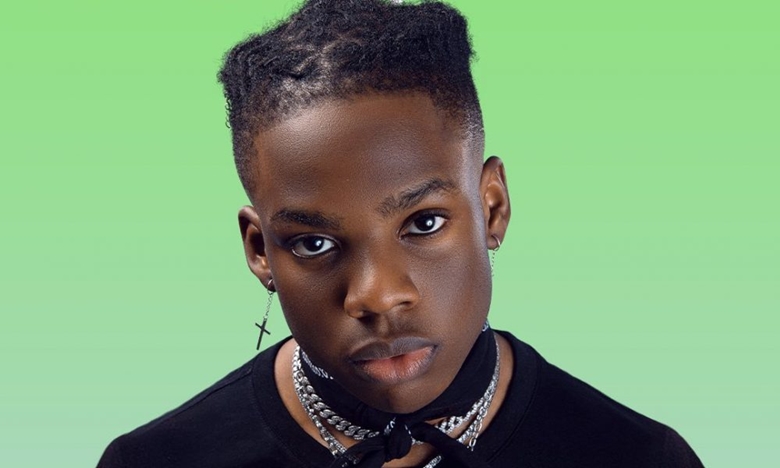
Rema’s involvement in the World Cup 2026 entertainment plan extends into the opening ceremony scheduled for June 12 2026 in Los Angeles. This placement situates him within one of the most globally visible segments of the entire tournament experience.
His participation alongside international pop artists highlights his integration into a high profile ceremonial lineup designed to represent global youth music culture. The opening ceremony serves as a symbolic transition into the World Cup competition phase, making artist selection particularly significant within this context.
Rema also appears within the official soundtrack framework through the track titled Goals, a collaboration featuring international artists across different music markets. This inclusion connects him directly to the musical identity being constructed for the tournament.
His role reflects a growing recognition of Afrobeats as a central influence in shaping global pop direction, particularly within large scale sporting events that rely heavily on cross cultural musical appeal.
Burna Boy Anthem Leadership Role

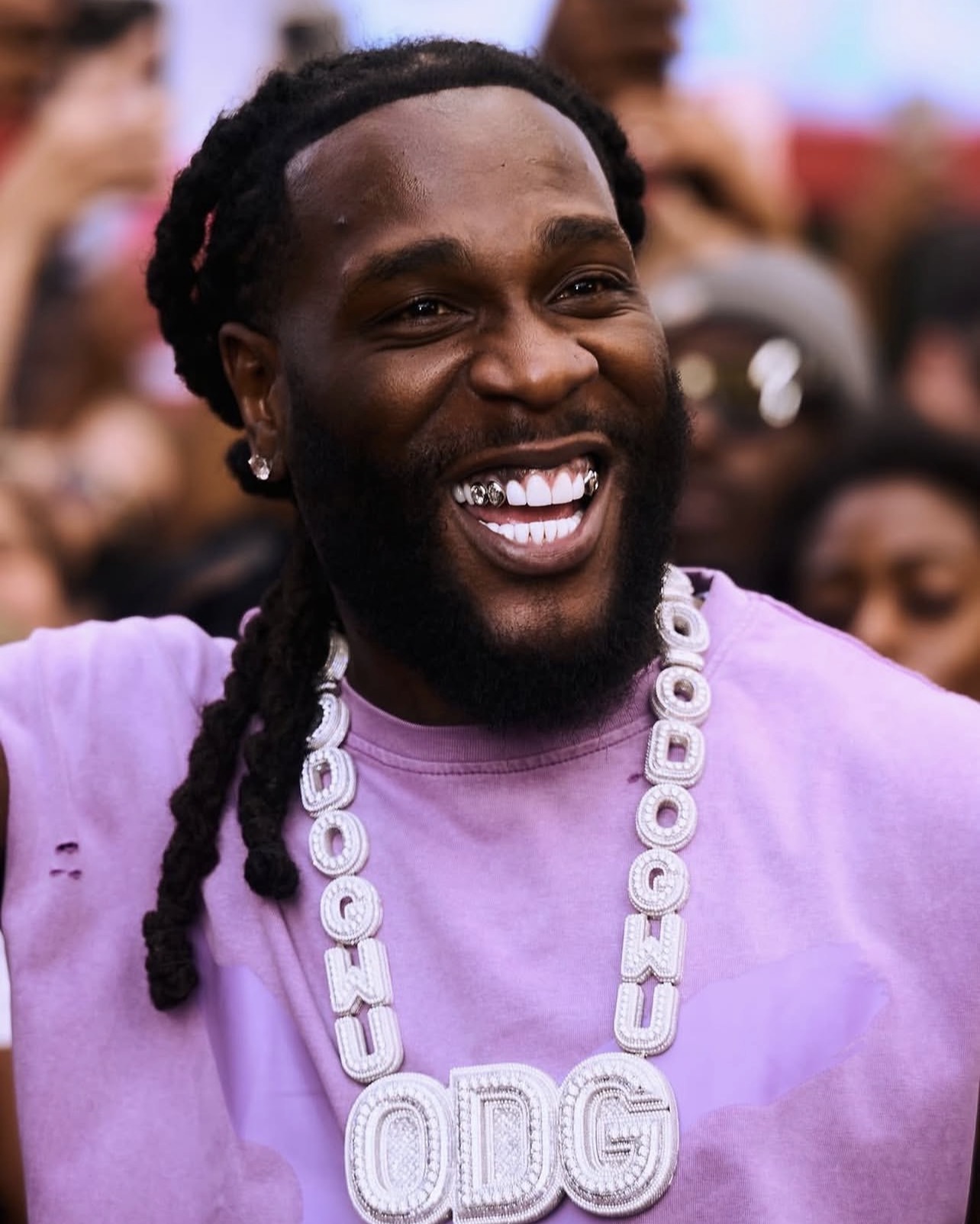
The involvement of Burna Boy within the World Cup 2026 entertainment structure carries a distinct position tied to the official anthem project. His contribution is linked to a central soundtrack role associated with the global music identity of the tournament.
Within the entertainment plan, Burna Boy appears on the track Dai Dai, a collaboration connected to the official World Cup music rollout alongside international artists. This positions him within the primary musical branding layer of the tournament.
His role extends beyond individual track participation, as he is positioned within the broader identity of FIFA’s global sound strategy. This strategy focuses on creating an anthem driven musical identity that represents both football culture and global audience unity.
The inclusion of Burna Boy reflects his established presence in international stadium culture and his consistent association with global sporting events, making his selection a strategic alignment with FIFA’s entertainment vision.
Ayra Starr Collaboration Entry

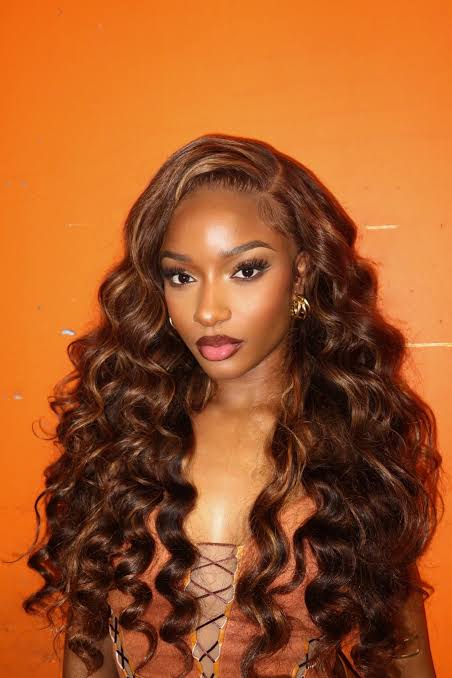
Ayra Starr’s placement within the World Cup 2026 entertainment plan is connected to the official album structure through the track Show Me, a collaboration with international artist Latto. This positions her within a cross market musical pairing designed to blend Afrobeats with global pop and hip hop influences.
Her inclusion reflects the growing visibility of younger Nigerian artists within global entertainment frameworks. The World Cup music rollout provides a platform that extends beyond regional recognition into international mainstream exposure.
Within the album structure, her role contributes to the diversity of sound representation across different genres and regions. This ensures that the soundtrack reflects a wide range of musical influences rather than a single dominant style.
Her participation reinforces the presence of Nigerian female voices within global music systems tied to major sporting events.
Official Album Structure Overview
The FIFA World Cup 2026 official album contains an 18 track lineup that integrates multiple global artists across different regions and genres. This album forms a central part of the entertainment strategy leading into the tournament period.
Within this structure, Nigerian artists occupy multiple positions across different tracks. These include Davido on No Place Like Home, Rema on Goals, Ayra Starr on Show Me, and Burna Boy associated with Dai Dai as part of the official music identity.
The album functions as both a promotional tool and a cultural artifact that defines the sound of the tournament before it begins. Each track contributes to the global narrative of football as a cultural event rather than only a sporting competition.
The inclusion of Afrobeats artists within this structure highlights the genre’s integration into mainstream global music planning at the highest level of sporting entertainment.
Timeline Sequence Development
The entertainment rollout follows a structured timeline beginning in May 2026 with gradual artist announcements and promotional releases. This phase builds anticipation across global media platforms leading into the main event schedule.
June 10 2026 marks the Countdown Concert system across Los Angeles, Toronto, and Mexico City. This synchronized broadcast represents the first major global entertainment activation tied directly to the World Cup buildup.
June 12 2026 follows with the official opening ceremony in Los Angeles, where selected artists including Rema appear on the global stage. This moment transitions the world from buildup phase into competition phase.
The tournament then continues through June and July 2026, with ongoing music integrations, performances, and cultural programming supporting the sporting schedule.
Cultural Impact Expansion
The inclusion of Nigerian artists within the World Cup 2026 entertainment plan reflects a broader cultural evolution in global sports presentation. Music now functions as a central storytelling mechanism that shapes how audiences experience major tournaments.
Afrobeats continues to expand its influence across international markets, and its integration into FIFA programming highlights its position within global entertainment systems. The presence of Davido, Rema, Burna Boy, and Ayra Starr demonstrates how Nigerian music has become embedded within global cultural infrastructure.
This development also reflects a shift in how sporting organizations design audience engagement, moving toward immersive cultural experiences that extend beyond the pitch. The World Cup becomes not only a football competition but also a global music showcase shaped by diverse international voices.
The entertainment plan surrounding the 2026 tournament therefore represents a convergence of sport, music, and global media strategy that positions Nigerian artists at the center of one of the world’s most visible cultural stages.